This copy is for your personal, non-commercial use only. Distribution and use of this material are governed by our Subscriber Agreement and by copyright law. For non-personal use or to order multiple copies, please contact The Epoch Times Reprints.
After a day of heavy rain, prospectors David and Derek DeCook arrived at the site of an extinct 100-million-year-old volcanic crater in rural Arkansas—from which David would pluck his largest diamond ever.
Excess rainfall in the spring meant the topsoil above this ancient volcanic pipe formation would be washed off. That might reveal some of the sparkling diamonds that Crater of Diamonds State Park in Pike County has become famous for.
Nearly an inch of rain fell the day before the DeCooks, who are regular visitors to the park, arrived in late April.
Starting out from Stewartville, Minnesota, the brothers travelled to southwest Arkansas to the park, and were only about an hour into their search before David spotted what he thought was a candy wrapper. But, sitting right on the surface of the field where visitors are free to sift the soil, its metallic, tinfoil-like sheen told him it was no wrapper.
“Oh, you’re going to be mad once you see what I found,” David told his brother after scooping up the stone and inspecting it, according to an Arkansas State Parks press release.
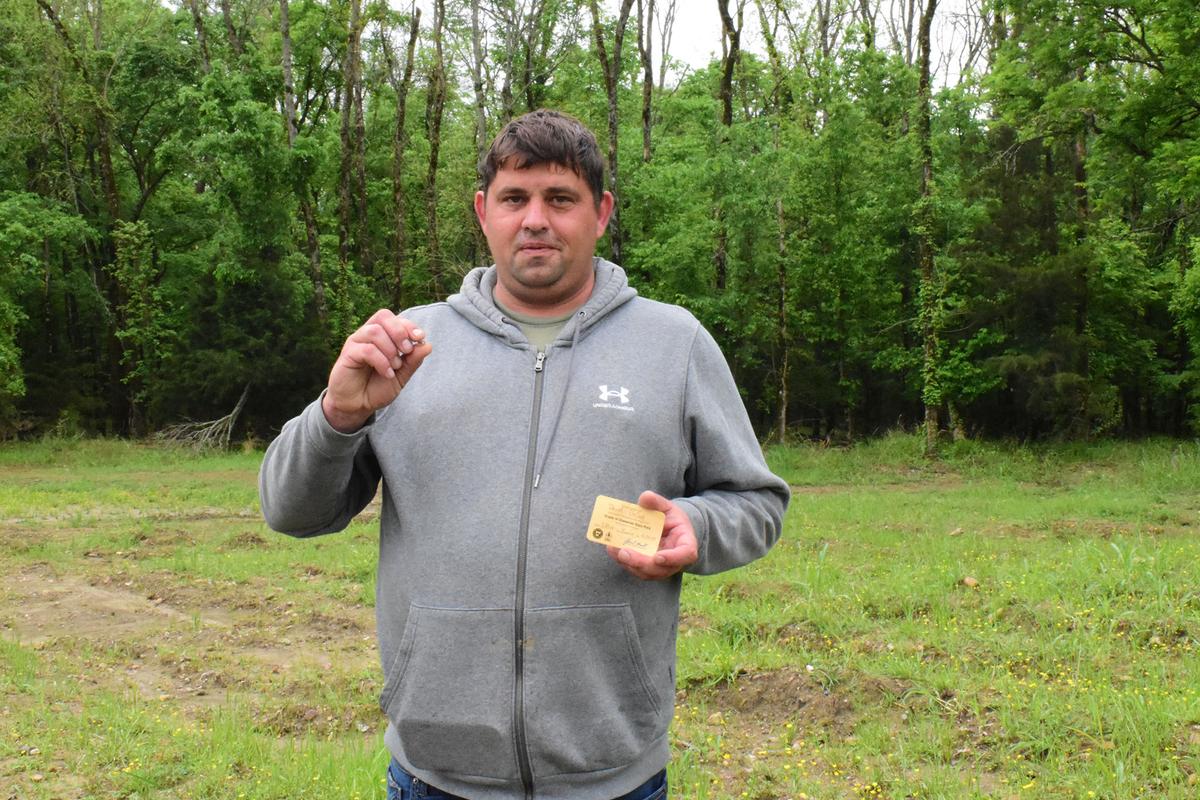
David DeCook holds his diamond and certification of registration. Courtesy of Crater of Diamonds State Park
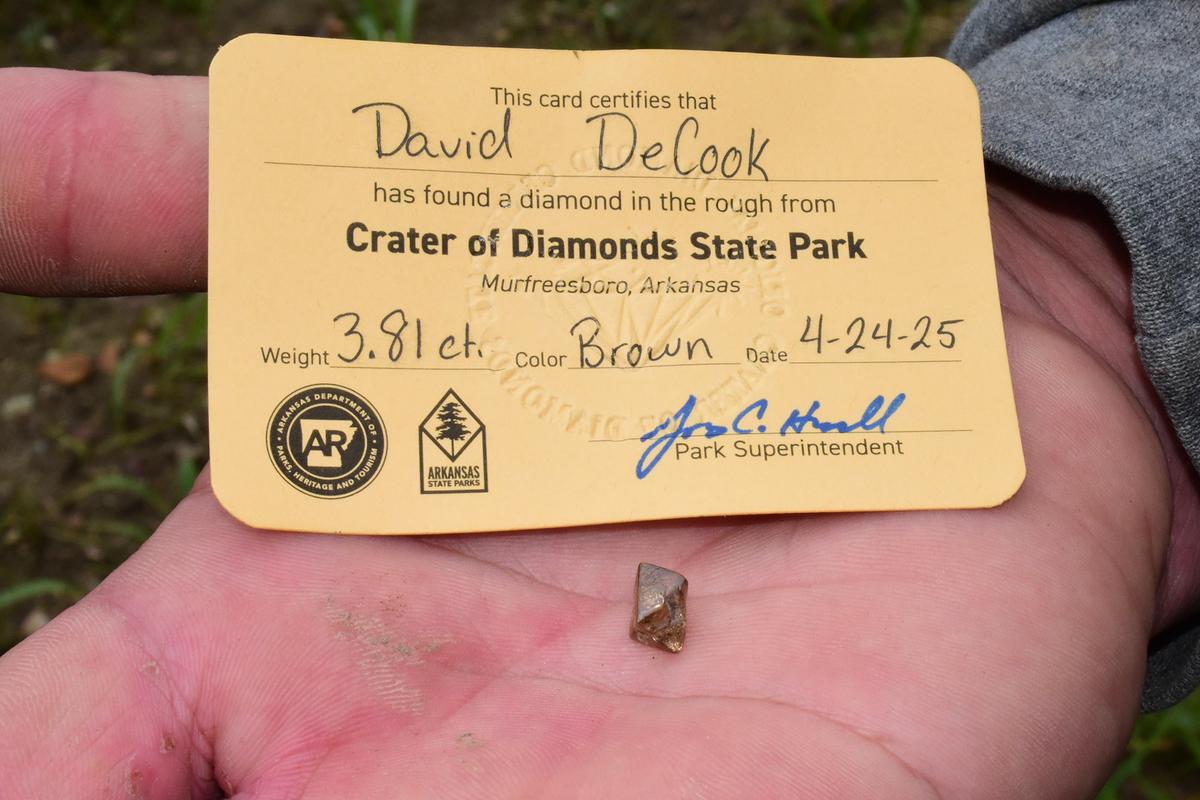
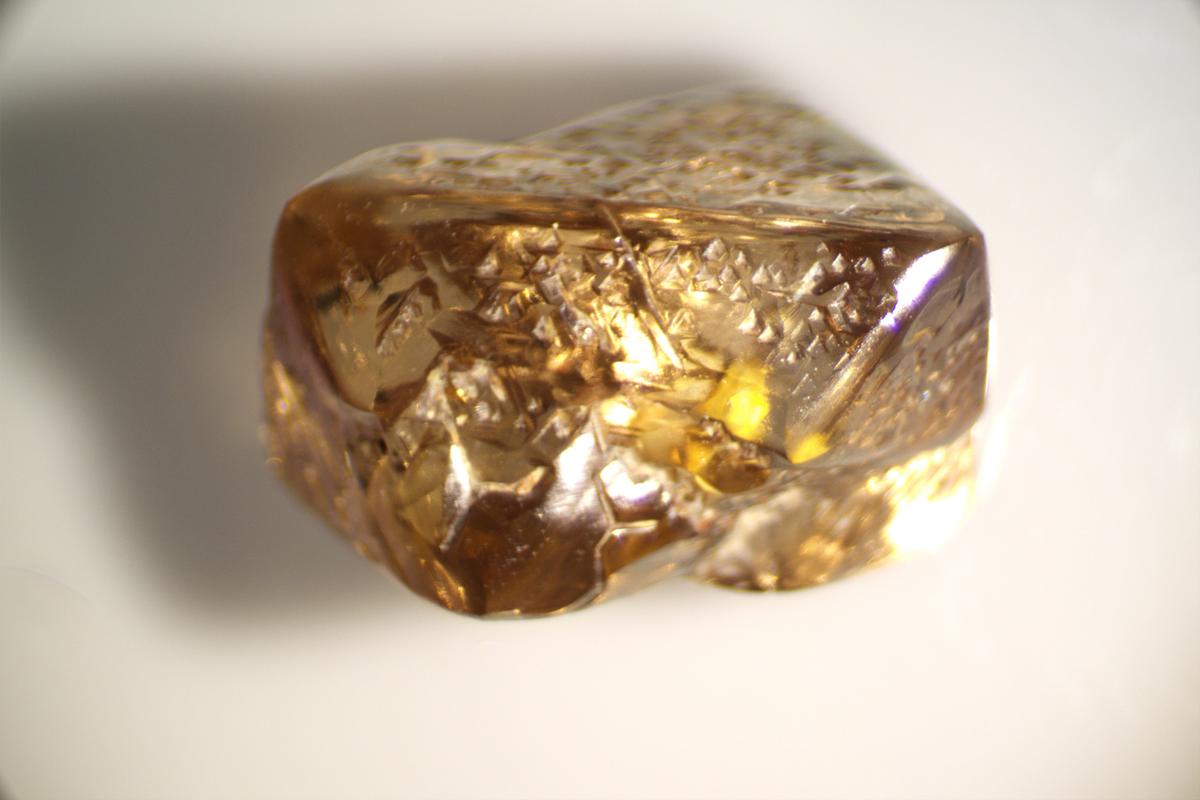
A few days later, David returned to the park to have the stone identified and registered. Staff examined the blocky, triangular jewel, noting its copper-like metallic luster and 3.81 carats. That’s right, it was a diamond. Following the park’s long tradition of naming its finds, David called his the Duke Diamond, after his dog. He says he doesn’t know what he'll do with it yet.
The Duke Diamond is the largest the park has produced since January 2024 when the 7.46-carat Carine Diamond was unearthed by the French visitor Julien Navas. It is also the largest that David has ever produced in his digs; he’s found several smaller gems before.
Following Crater of Diamonds State Park tradition, David DeCook named his diamond, calling it the Duke Diamond after his dog. Courtesy of Crater of Diamonds State Park
Weighing 3.81 carats, the triangular Duke Diamond shines with a copper-like metallic luster. Courtesy of Crater of Diamonds State Park
Geologists say magma carried countless diamonds to the surface here eons ago, but they were found by humans only last century. Since then, the soil has yielded diamonds in the tens of thousands.
“Many of the park’s largest diamonds are found on top of the ground. As rain falls in the search area, it washes away the dirt and uncovers heavy rocks, minerals, and diamonds near the surface,” assistant park superintendent Waymon Cox said in the release.
“April has been a very wet month at the park, with more than 12 inches of rain.”
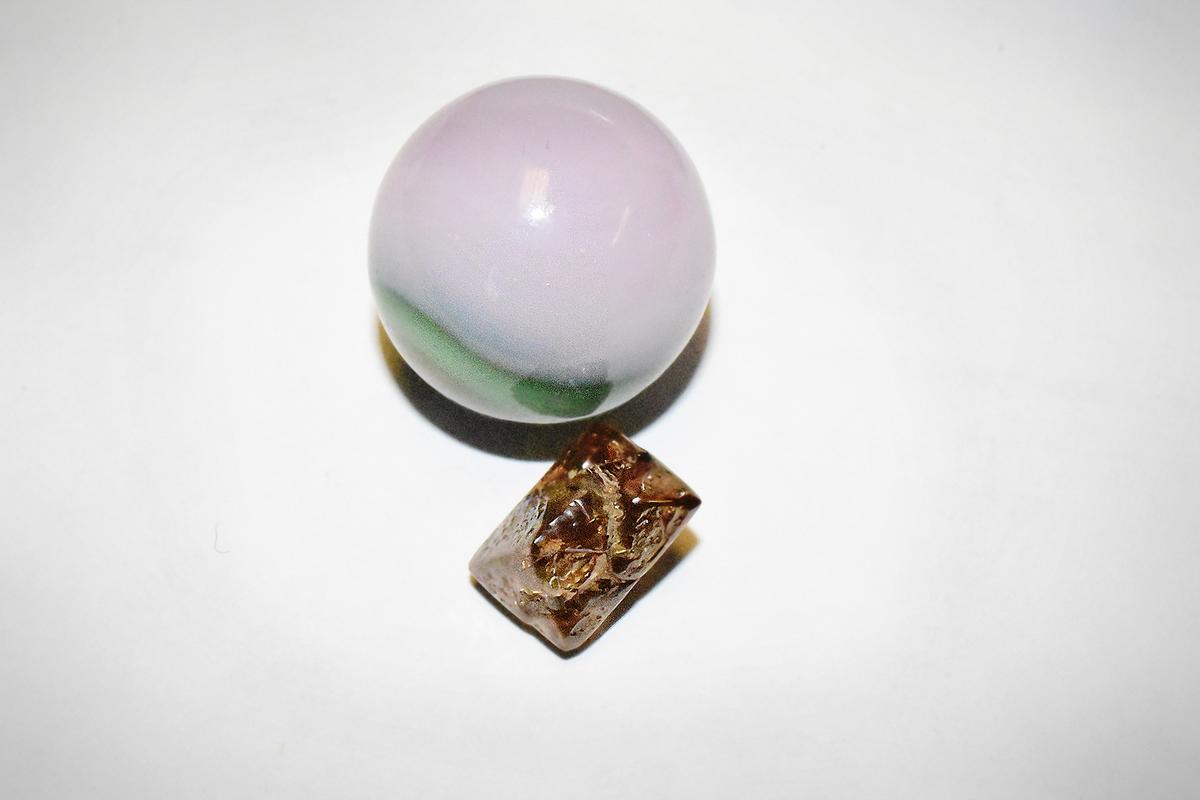
A size comparison between the Duke Diamond and a playing marble. Courtesy of Crater of Diamonds State Park
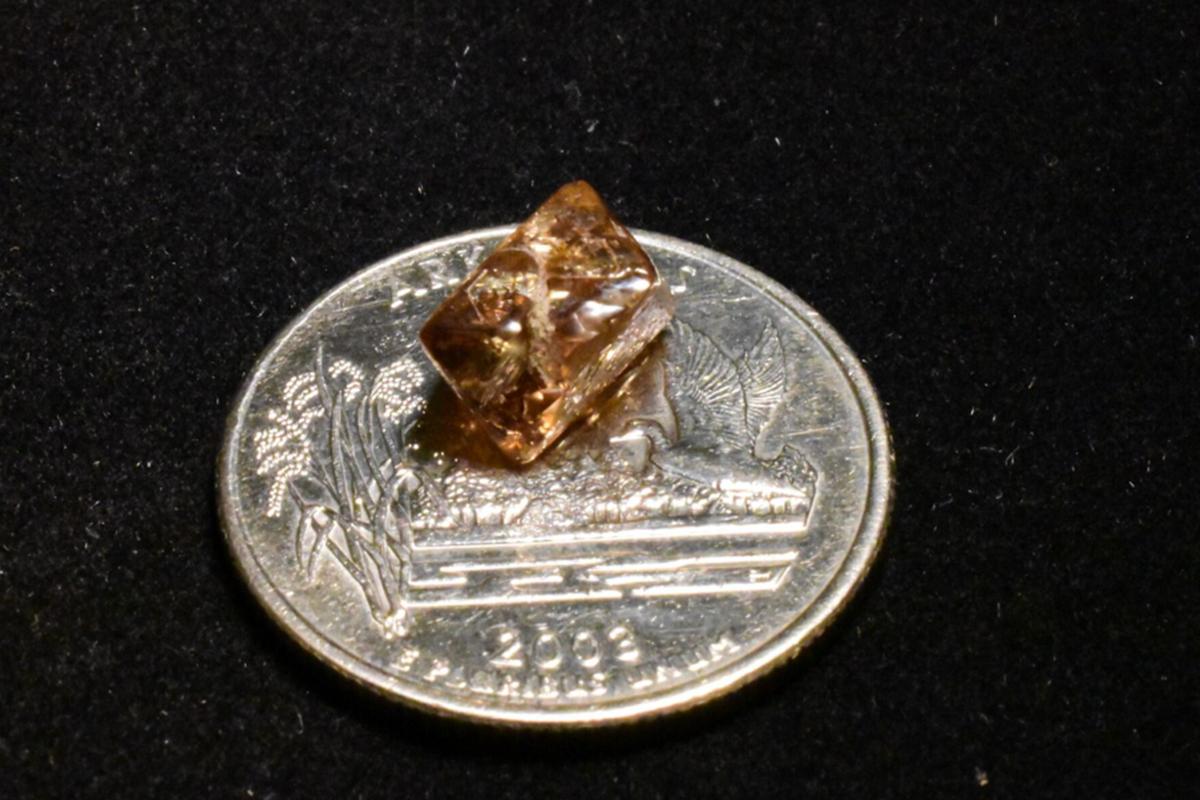
The Duke Diamond sparkles atop an Arkansas coin. Courtesy of Crater of Diamonds State Park
Lesser in weight but purer in color than the Duke Diamond, the brilliant Strawn-Wagner Diamond was pulled from the same field in 1990 by Shirley Strawn of Murfreesboro, where the park is located. This flawless, colorless gem weighed 3.03 carats and was cut into a 1.09-carat round shape before being set in a platinum and 24-carat gold ring.
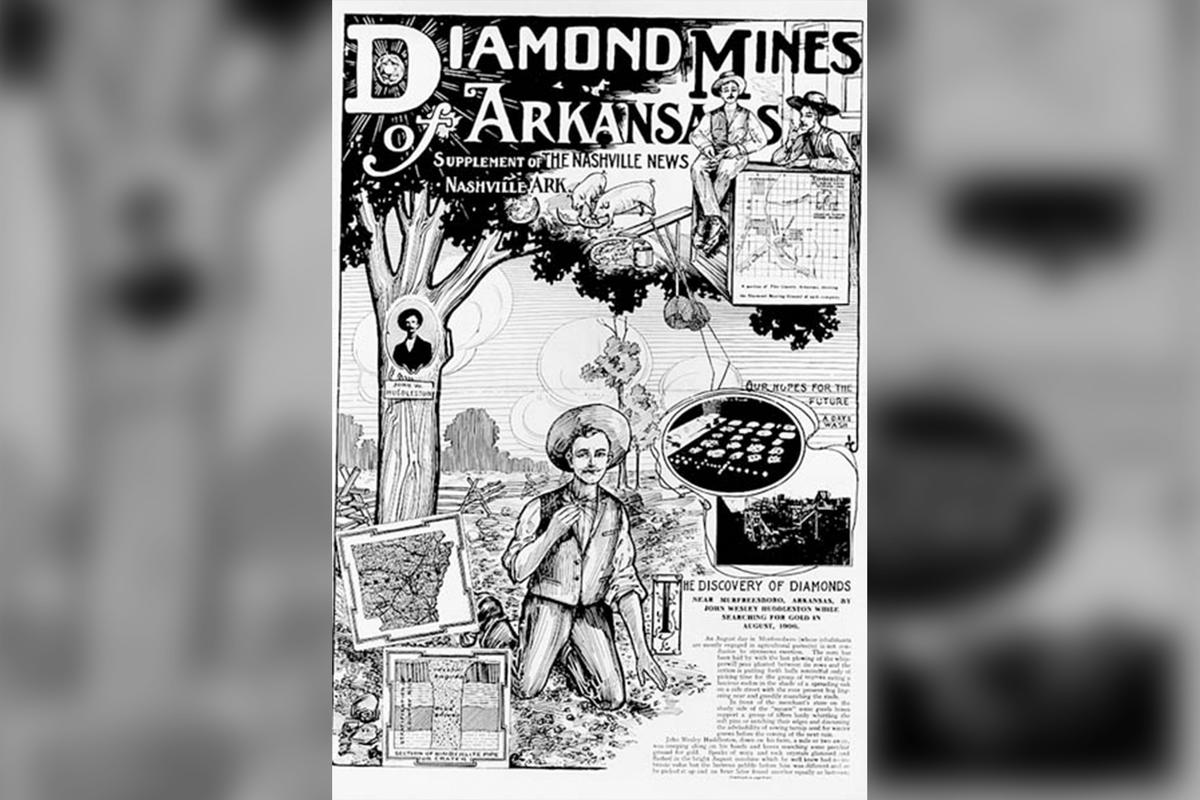
Over 75,000 diamonds have been pulled from the crater since two diamonds were first discovered there by farmer John Huddleston in 1906. He owned the land before it became a state park in 1972, and it then became the world’s largest diamond-bearing site, open to members of the public to try their hand at prospecting.
An advertisement for diamond mining at Crater of Diamonds in Arkansas in the early 1900s. Public Domain
The biggest diamond ever found in the United States originated from an early extraction at the park in 1924. It was named Uncle Sam. The white diamond with a pink cast weighed 40.23 carats, though it was later cut into a 12.42 carat emerald shape and became part of the Smithsonian’s mineral gem collection.
Michael Wing is a writer and editor based in Calgary, Canada, where he was born and educated in the arts. He writes mainly on culture, human interest, and trending news.