Born in Hong Kong to a French mother and an Irish-American father, Marguerite Higgins (1920–1966) quickly built upon her cosmopolitan heritage, becoming fluent in English, French, and Chinese by the age of 12. Her instincts for survival appear to have been honed early in her life. She survived malaria as a child and endured her family’s financial uncertainties during the Great Depression. Growing up, Oakland, California, she witnessed her father turn to alcohol to cope with the financial downturn. Her mother took a job as a French teacher.
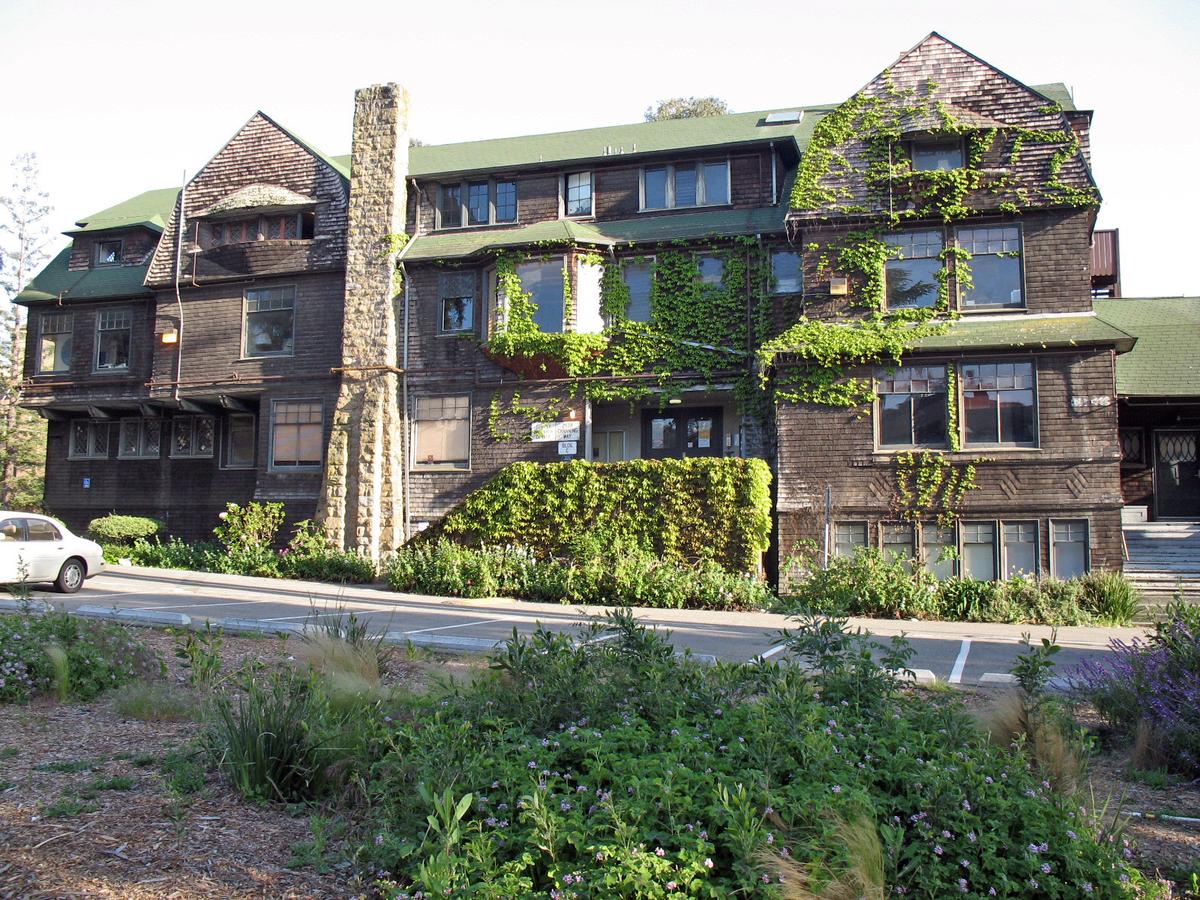
Already a brilliant young girl, she attended the prestigious Anna Head School in Berkeley, California, before attending the University of California-Berkeley to pursue a degree in journalism. She earned her degree in June 1941, about six months before America entered World War II. Fluent in multiple languages, quite familiar with the geography of certain global locations, and now with a journalism degree, she moved to New York City, hoping to land a position as a foreign correspondent. The male-dominated workforce proved insurmountable even for a woman of her skill level.
Higgins decided to improve upon her personal résumé by taking journalism at Columbia University in 1942. With America now engaged in the global conflict, positions at newspapers began to become available. While studying at Columbia, she befriended fellow student Murray Morgan, who had been hired by the New York Herald Tribune as a freelance writer. When he took a position at Time Magazine, he recommended Higgins to take his place at the Tribune. She was hired part-time.
NYC to London to Paris
In the summer of 1942, she earned her master’s degree in journalism. She was hired full time, and was given a byline in 1943. With America now fully in the war, she urged her editors to send her to Europe as a war correspondent. Her requests were consistently denied. Prudently, she built a relationship with the newspaper owner’s wife, Helen Rogers Reid. Reid became the paper’s president after her husband, Ogden, died in 1947.Reid convinced the editors to send Higgins to London in 1944. She was finally in Europe, closer to the action of the war, but, for her, that wasn’t nearly close enough. She was finally permitted to cross the English Channel into France in early 1945. Placing a proven and gifted writer who could speak fluent French seemed an obvious choice for the paper’s Paris bureau.
Entering Germany
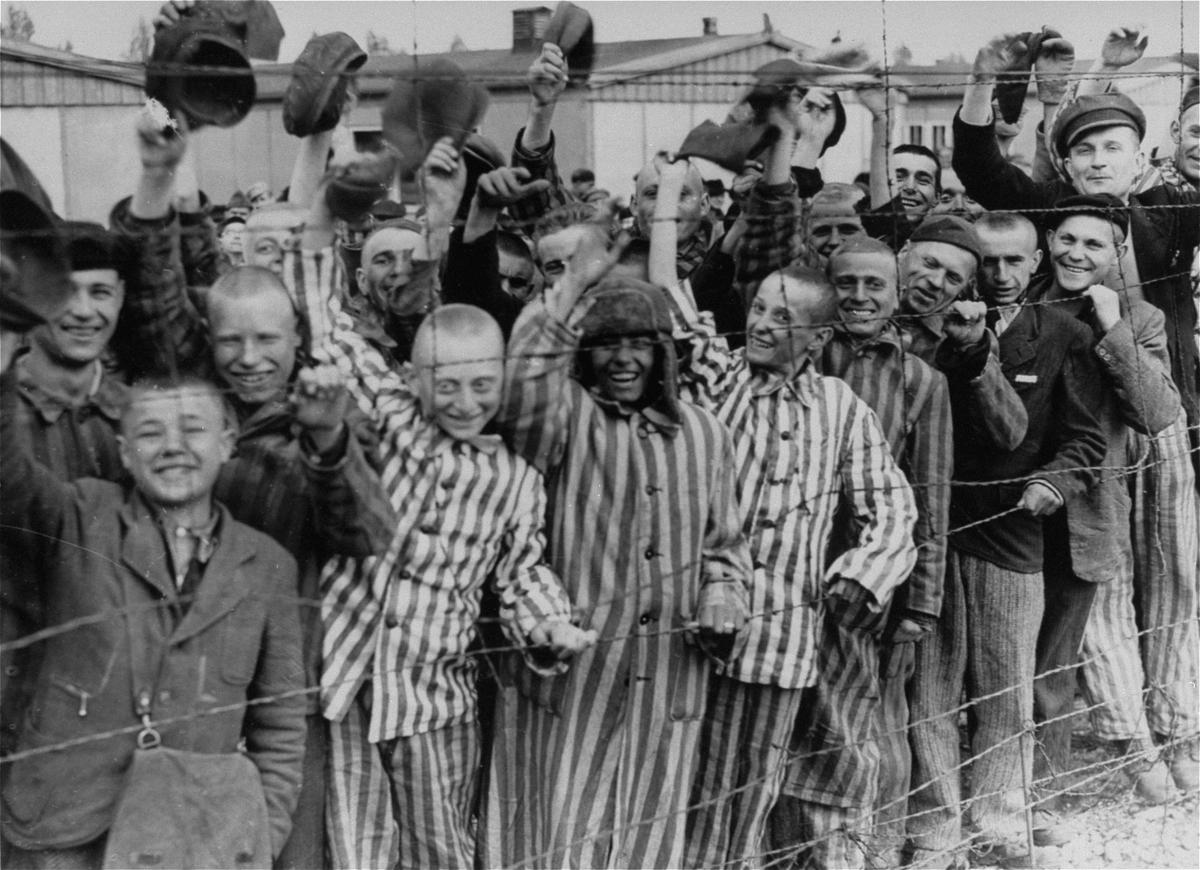
By April, she was close to the front lines, and witnessed the fall of Munich on April 30. She was also one of two reporters, along with the Stars and Stripes’s Peter Furst, to witness the liberation of the Dachau concentration camp. Interestingly, despite being a reporter rather than a soldier, a number of German troops surrendered to her and her colleague at Dachau before the arrival of the American soldiers. She also witnessed the liberation of the Buchenwald concentration camp.
Her exceptional writing and WWII had enabled her to scour stories in the biggest and most important cities in the world, from New York City to London to Paris and ultimately Berlin. Her unsparing stories captured readers. It was her detailed war descriptions, especially the graphic elements of war, that elevated her to one of the nation’s finest war correspondents.
The Front Lines of Korea
Her arrival as the Tribune’s Tokyo bureau chief was timely to say the least. Although she wasn’t happy about the assignment at first, the sudden invasion of South Korea by the North Koreans on June 25, 1950, completely changed that sentiment. She landed in South Korea just two days after the invasion took place, covering the war from the front lines. Many fellow journalists were alarmed by her recklessness. She wasn’t simply too close to the action for a woman; they believed she was too close for any reporter.Earning the Pulitzer
Higgins was back on the front lines. Although she always took the time to present herself as a lady, she had no problem suffering along with the soldiers. One military officer noted, “We’ve learned Maggie will eat, sleep, and fight like the rest of us, and that’s a ticket to our outfit any day.”When MacArthur orchestrated one of military history’s greatest amphibious invasions, Higgins was part of it. On Sept. 15, 1950, Marines stormed the beaches of Incheon, located on the western shore of South Korea, roughly 20 miles from Seoul. Being a reporter among soldiers certainly made her stand out. But being the only woman made her even more obvious.
Under a hailstorm of grenades and small arms fire on the strategically named Red Beach, Higgins scaled the wall and braved the dangers with the Marines. The landing at Incheon completely turned the tide of the war, and Higgins was there to cover it.
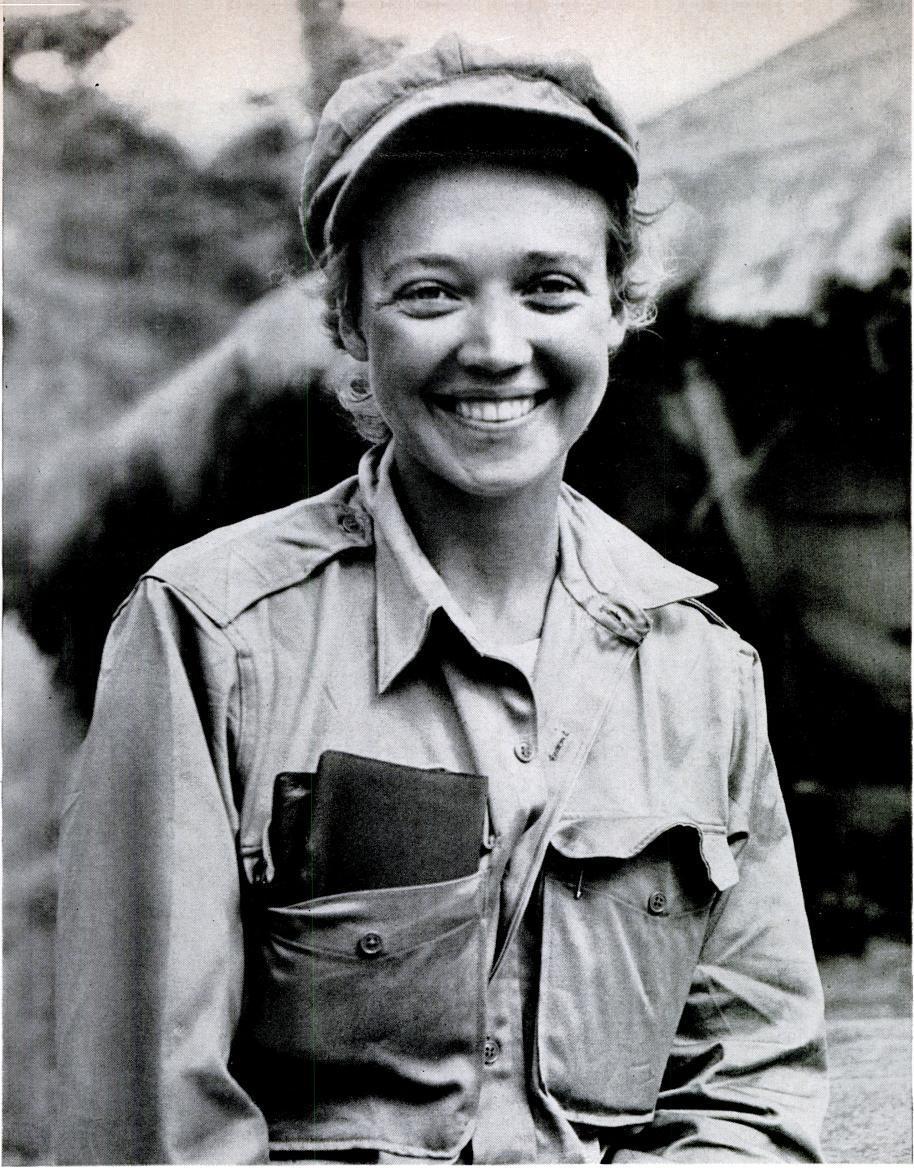
A Legacy of Courage
The description for the award certainly summed up Higgins’s career and personality. That courage, however, ultimately led to her death. While covering events in Vietnam in 1965, she contracted leishmaniasis, caused by a tropical parasite. Before the doctors could discover the source of her symptoms, she had already developed uremic poisoning. She died on Jan. 3, 1966.Along with her many periodicals, she wrote several books, including “War in Korea: The Report of a Woman Combat Correspondent;” “News Is a Singular Thing;” “Red Plush and Black Bread;” “Our Vietnam Nightmare;” and a biography of Jessie Benton Frémont. She also co-authored “Overtime in Heaven: Tales of the Foreign Service.”