In 1956, Elliot and Ruth Handler arrived in Switzerland, their two children in tow. The family was on vacation, and with the demands of running a growing business, the couple were no doubt in need of some time away. The Handlers, however, were always keeping an eye out for ways to create new products. The previous year, they had invested $500,000—practically the total worth of their company—in advertising. Stepping inside a local Swiss store, Ruth came across something that would trigger a financial boom for the family-owned business.
Forming Mattel
In 1945, Elliot and Ruth launched a new business with a friend and fellow WWII veteran (Elliot was in the United States Army), Harold “Matt” Matson. Harold and Elliot combined their names (Matt and Elliot) to create the name Mattel. Business operations were conducted out of the garage of the Handler’s Los Angeles home. The business was small in scope, making picture frames from those aforementioned plastics of Lucite and plexiglass. From the scraps of those frames, Mattel cobbled together furniture; but this time, it was dollhouse furniture. The toy accessories were a success, and the company maneuvered away from the picture frames to focus on the furniture.The Disney Collaboration
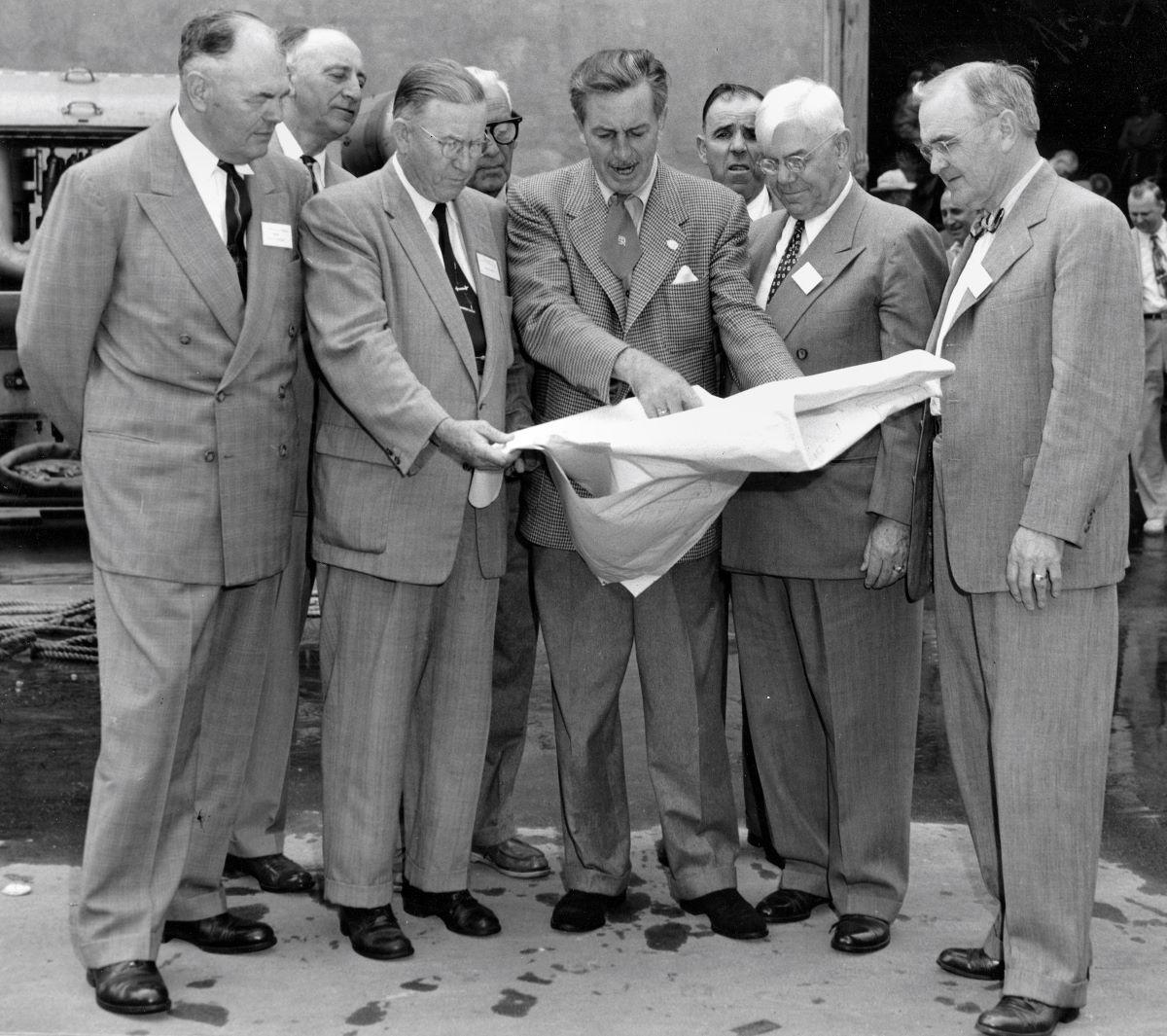
In Anaheim, a massive operation began taking shape. Walt Disney had begun construction of a rather risky project in the summer of 1954. The plan for the Disneyland theme park was to take the Disney animated world and turn it into a tangible reality. The plan was to create that reality by the following year.
Impressively, Disneyland met that goal and opened on July 17, 1955. Along with the plans for Disneyland, the Walt Disney Company had signed a contract with ABC to begin a new TV show called the “Mickey Mouse Club.” The show was scheduled to begin in October 1955.
Meeting Lilli
In 1956, the Handlers hopped on a plane for Europe for a much-needed vacation.

In 1952, a few years before their arrival, the West German newspaper in Hamburg, Bild-Zeitung, published a one-off cartoon. The comic character was a tall, thin, blonde, high-end call girl named Lilli. The comic strip, which showed her in various outfits making sarcastic and racy quips, became an immediate hit among male readers. The comic strip continued with much fanfare, and, by 1955, Lilli was made into a doll. She was not for kids, but rather a gag gift for men.
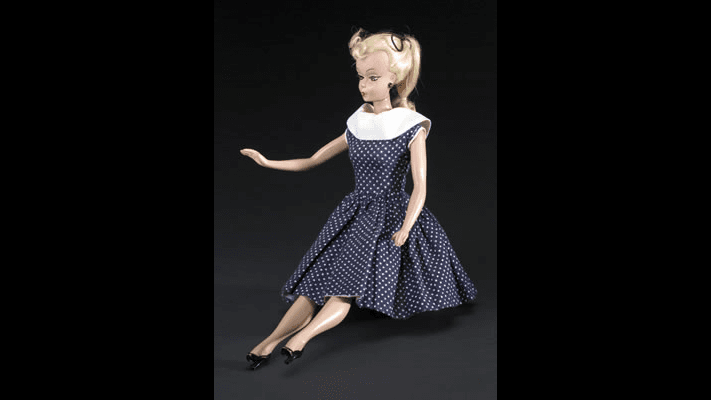
A year after Lilli became a doll, she fell into the hands of Ruth Handler. Bild Lilli, as she was officially called, did not give Ruth her original idea. She had already pitched a similar idea to the staff at Mattel, as well as her husband. She recalled not wanting the typical baby doll when she was a little girl, and she noticed her daughter and her friends preferred to make adult paper dolls of women instead of playing with baby dolls. Ruth had pitched a full-form doll that could be dressed in various outfits.
“Ruth, no mother is ever going to buy her daughter a doll with breasts,” Elliot told his wife.
The Perfect Debut
Ruth finally found a manufacturer in Japan. The design of her new toy doll was finalized, and Ruth decided to name the doll after her inspiration—her daughter Barbara. Now the toy simply needed to make a big debut.
There would be no better time and place to make the debut than at the annual, multiweek, and immensely popular North American International Toy Fair in New York City. The Toy Fair first began in 1903 and had flourished over the more than half a century thanks to the burgeoning toy industry. For a toy, it was the place to be.
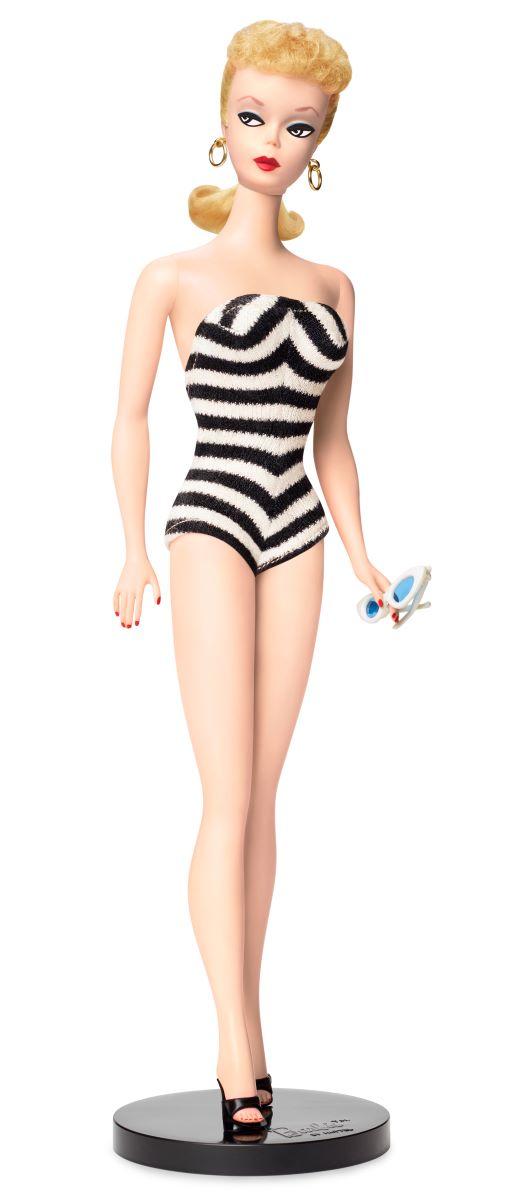
Mattel packaged the new toy doll called Barbie. Billed as a fashion model, the 11-inch-tall blonde doll came dressed in a black-and-white striped swimsuit wearing a pair of black-and-white cat-eyed sunglasses. It was during this week in history, on March 9, 1959, at the annual toy fair that Barbie made her debut. Ruth had hit bulls-eye on an untapped market. Barbie’s debut was followed up with commercials on the “Mickey Mouse Club.” The demand for the new doll was immediate.
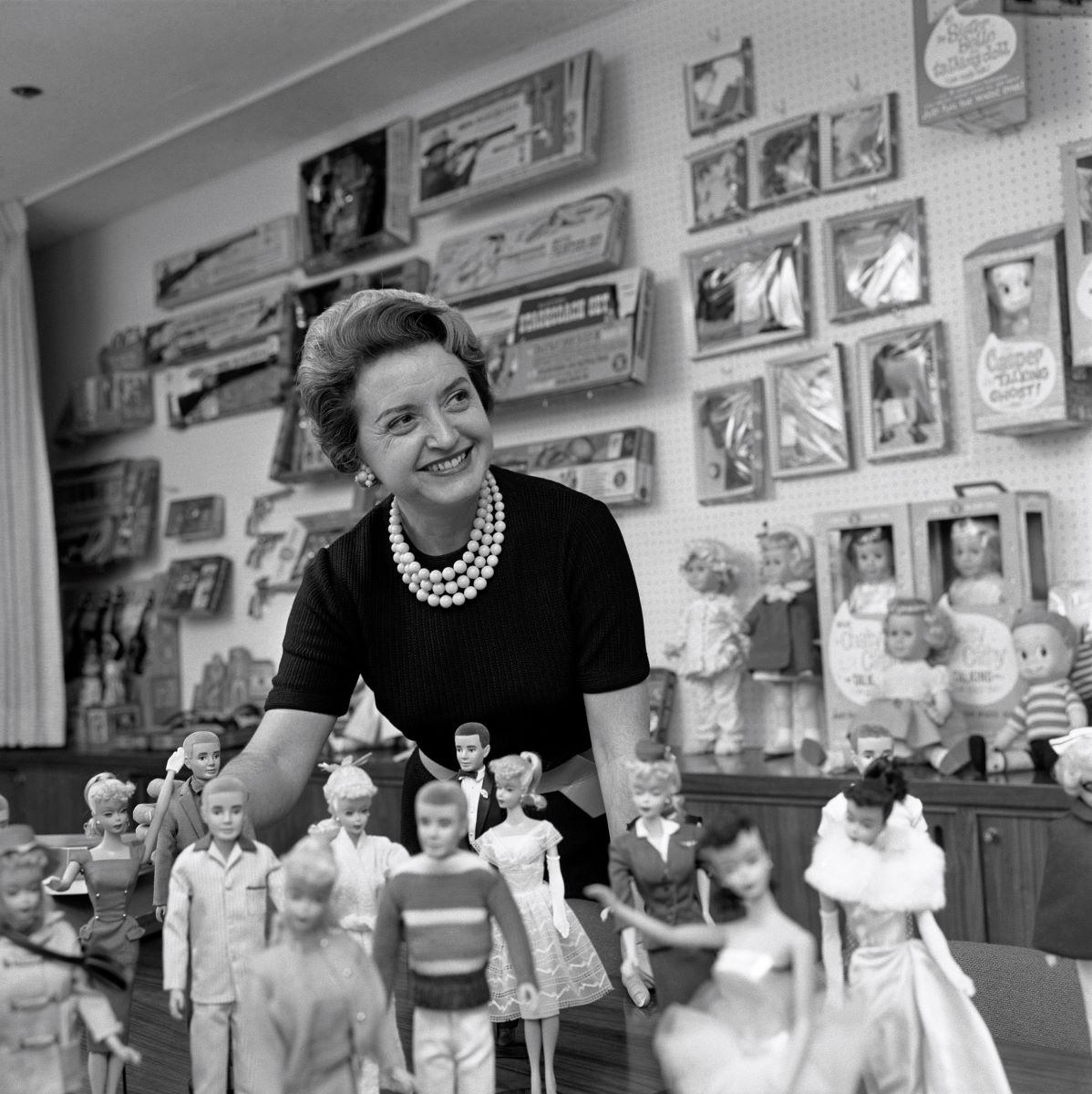
Mattel continued to produce new outfits for the doll, followed by Barbie’s boyfriend, Ken, in 1961. Ken was named after the Handlers’ son. Barbie became the first mass-produced doll with adult features, and it proved to be exactly what girls wanted. Barbie has long been an iconic toy. Approximately 60 million Barbie dolls are sold every year. Along with Barbie, Mattel has created and sold some of the most popular toys ever, including board games, and Hot Wheels (the brainchild of Elliot Handler).