“Madame Butterfly” is a classic East-meets-West romance. An American naval officer weds a Japanese geisha, only to leave her for three years. Although it began as a short story and quickly became a successful American stage play, the tale is based on Giacomo Puccini’s 1904 Italian opera, “Madama Butterfly.”
This opera’s popularity inspired numerous films in the early days of Hollywood. After three silent films, the only talkie “Madame Butterfly” of the American classic era was released by Paramount Pictures in 1932.
Several classic movies were based on the same stories as famous operas. However, this is the only one I’ve seen that uses melodies from the opera as background scoring. Starring Sylvia Sidney and Cary Grant, this film provides a fascinating comparison to the opera.
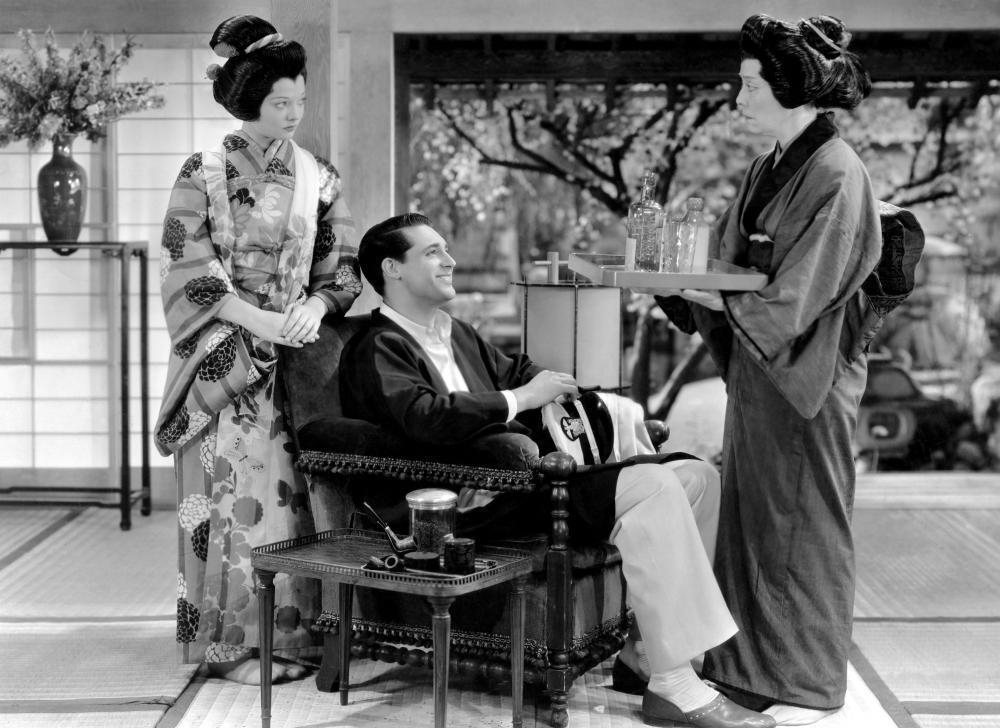
A Devoted Woman
“Madame Butterfly,” in all its incarnations, tells of a devoted woman who takes her own life. A Japanese girl named Butterfly (called Cho-Cho-San in the movie) is a geisha who weds American naval officer Lt. B.F. Pinkerton in an arranged marriage; however, they are very attracted to each other.After a short period of marital bliss, Pinkerton is sent back to the United States. During his three years of absence, Butterfly patiently waits for her husband to return. She even bears his son.
Her only companion is her devoted maid, Suzuki. When Pinkerton finally returns, he has a new American wife. He wants to take the child back to the United States to be raised as an American. The heartbroken Butterfly selflessly agrees to give up her child before killing herself, since she feels she has no more reason to live.
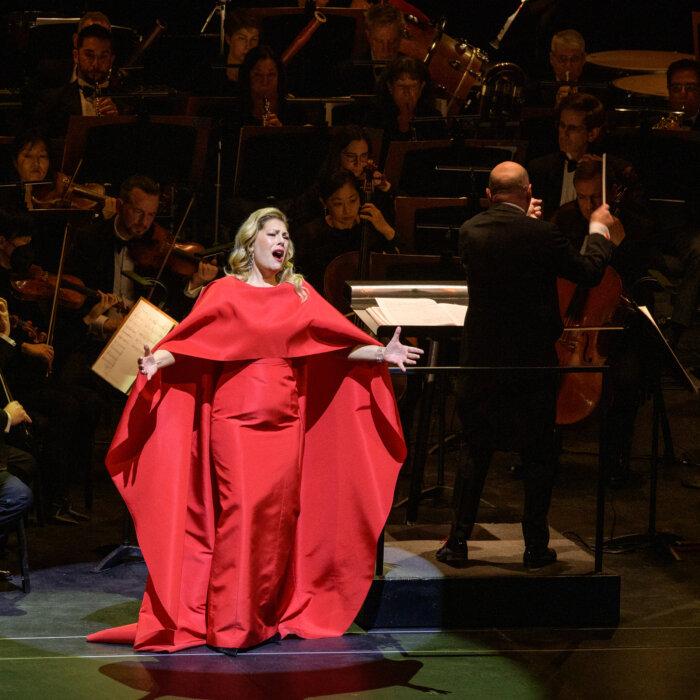
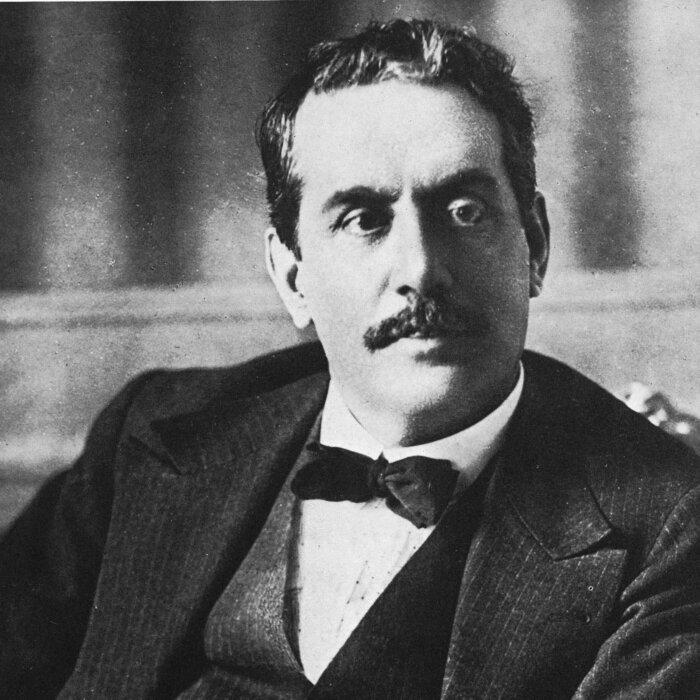
The story began as a French semi-autobiographical novel, “Madame Chrysanthème,” by Pierre Loti; this inspired John Luther Long’s 1898 short story “Madame Butterfly.” This version of the story is the well-known one, where the sailor is American instead of French, and the Japanese girl is nicknamed Butterfly instead of Chrysanthemum.
The short story was quickly dramatized into a highly successful stage play, “Madame Butterfly: A Tragedy of Japan,” by American impresario David Belasco. It wasn’t long before Italian composer Giacomo Puccini saw the play in London and selected it as the subject for his next opera.
In 1932, Paramount Pictures made a talking picture based on the story of “Madame Butterfly.” This film is from the Pre-Code Era, made between the Motion Picture Production Code’s official adoption in 1930 and its actual enforcement by the Production Code Administration in 1934.
Films from this period are shockingly risque, with near nudity, suggestive wisecracking, and excessive violence. These movies drew criticism from righteously minded citizens throughout the country. In response, Hollywood periodically attempted to prove its reformed nature by making a “high-class” film inspired by a cultural classic.
A Beloved Opera
“Madama Butterfly” remains one of the most beloved and most performed operas worldwide. In recent years, the stereotypical racial depictions of Japanese characters have been questioned as problematic. There is also the fact that Butterfly, at age 15, is a child bride by American standards.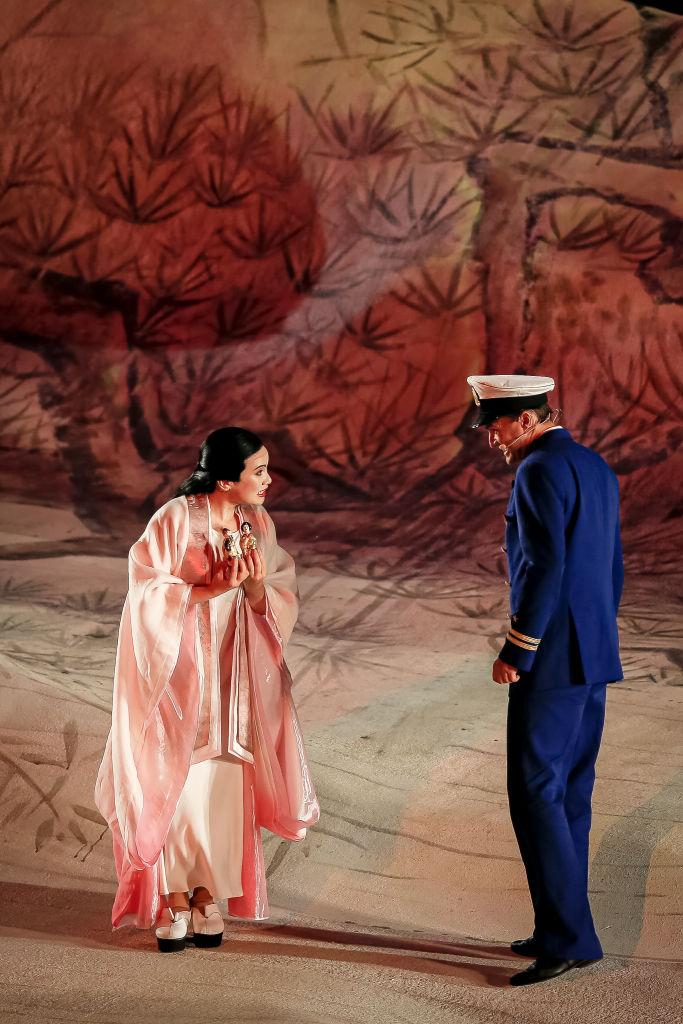
However, this hasn’t hurt the opera’s popularity, since it’s still the sixth most frequently performed opera. Since its Metropolitan Opera debut in 1907, three years after its world premiere in Italy, “Madama Butterfly” has been performed in every subsequent season except for several years during World War II, when the United States was at war with Japan.
That 1907 performance, which starred legendary tenor Enrico Caruso, was the first time a Puccini opera was performed at the Met, and it prompted Puccini’s first visit to America. This event cemented America’s love for the heartbreaking verismo tradition that Puccini’s operas immortalized.
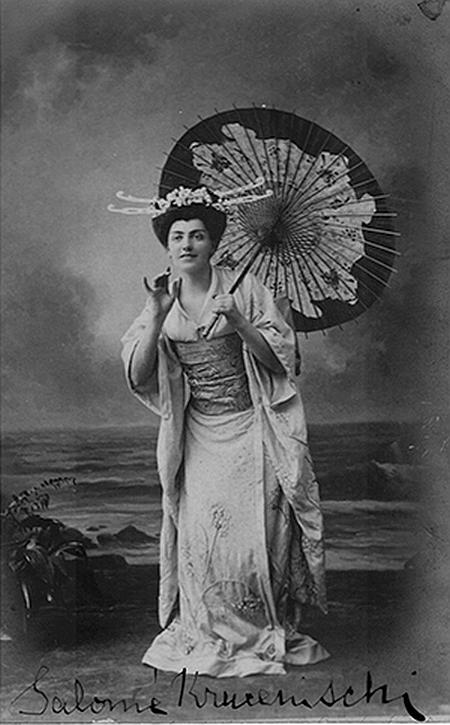
Lt. B.F. Pinkerton is one of opera’s most despicable leading men. He doesn’t kill his leading lady like Don Jose in “Carmen,” steal another man’s wife like the young gypsy in “Aleko,” or corrupt an innocent young girl like the duke in “Rigoletto,” the title character in “Faust,” and countless other tenor characters.
Nevertheless, it’s become a tradition, at least in America, to playfully boo the singer playing Pinkerton during the curtain call. He’s not a certifiable villain, and he isn’t brutal or vicious. He’s just really, really selfish.
Opera Villain or Movie Leading Man
In the opera, American consul Sharpless (baritone) is Pinkerton’s companion and confidante at the former’s wedding, warning him to take the proceedings seriously. The film returned to the short story’s characterization of Sharpless as an incidental character. He appears late in the story in an official capacity when Butterfly visits his office to inquire about her husband.To take his place, the filmmakers created a new character, Lt. Barton (Charles Ruggles), a fellow American naval officer. At first glance, Barton may seem like nothing more than comic relief, but he serves a much greater purpose relating to Pinkerton’s character. Rather than being Pinkerton’s unheeded conscience, like Sharpless, Barton is the devil on his shoulder.
Future Hollywood leading man Cary Grant made his feature film debut in 1932, and “Madame Butterfly” was the 28-year-old actor’s eighth movie released that year. It would never do for a Hollywood leading man to clearly be the story’s “heavy,” so the film found some clever ways to make Pinkerton’s character more sympathetic.
Ladies’ man Barton is the bad influence who brings Pinkerton to the geisha teahouse. It’s he, not Pinkerton, who trivializes the impermanence of Japanese matrimony, while Pinkerton wonders at the toll the short-lived nuptials would have on Asian brides.
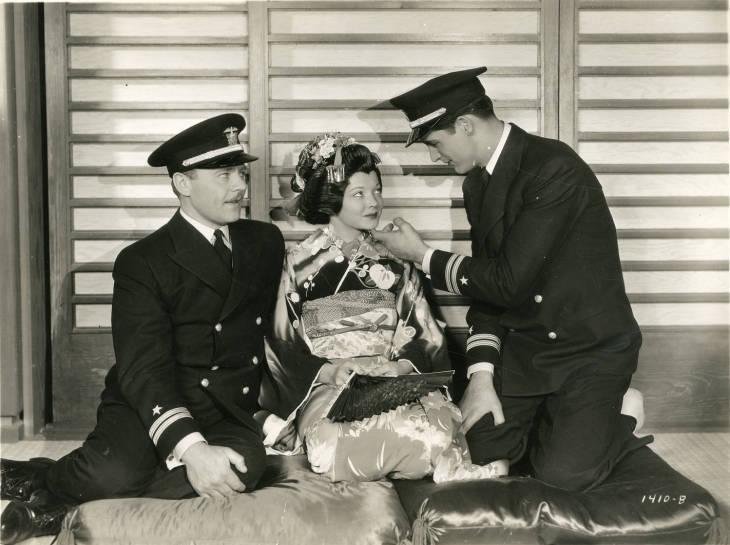
One of the biggest changes from the opera that the film made was the depiction of the relationship between Butterfly and Pinkerton. He doesn’t set out to acquire a ready-made life, complete with a furnished house and a wife courtesy of a slimy marriage broker, as he does in the opera.
In fact, he ends up marrying Butterfly largely from honor when they are caught kissing in the garden, which would bring her disgrace. Naturally, they are instantly attracted to each other, but Pinkerton didn’t set out to marry her or any other Japanese girl.
Perhaps that’s because he has an American fiancée back home. This too was part of the humanizing of Pinkerton’s character, since we realize that he was already betrothed to a woman back in the States before even meeting Butterfly.
There are two aspects that make Pinkerton’s treatment of Butterfly so cruel in the opera. He declares his intention to later marry an American woman at his wedding to Butterfly in Act 1, and he refuses to face Butterfly upon his return to Japan in Act 3; his cowardice only makes it worse.
The movie’s Pinkerton seems to genuinely love Butterfly during his marriage to her, although he is haunted by the distant realization that he may someday have to return to America and marry his childhood sweetheart. When he returns to Japan with his American bride in tow, he visits Butterfly himself and explains the situation sympathetically but honestly.
Asian Characters
In the 1930s, it was still common practice in America for Caucasians to use makeup, wigs, and other costuming practices to appear as other nationalities. White people being made to look Asian is often called “yellow face” and is now usually deemed offensive because it creates caricatures with exaggerated stereotypes.However, many films from the Golden Era of Hollywood included very serious, dignified portrayals of other races by the top white stars of the day.
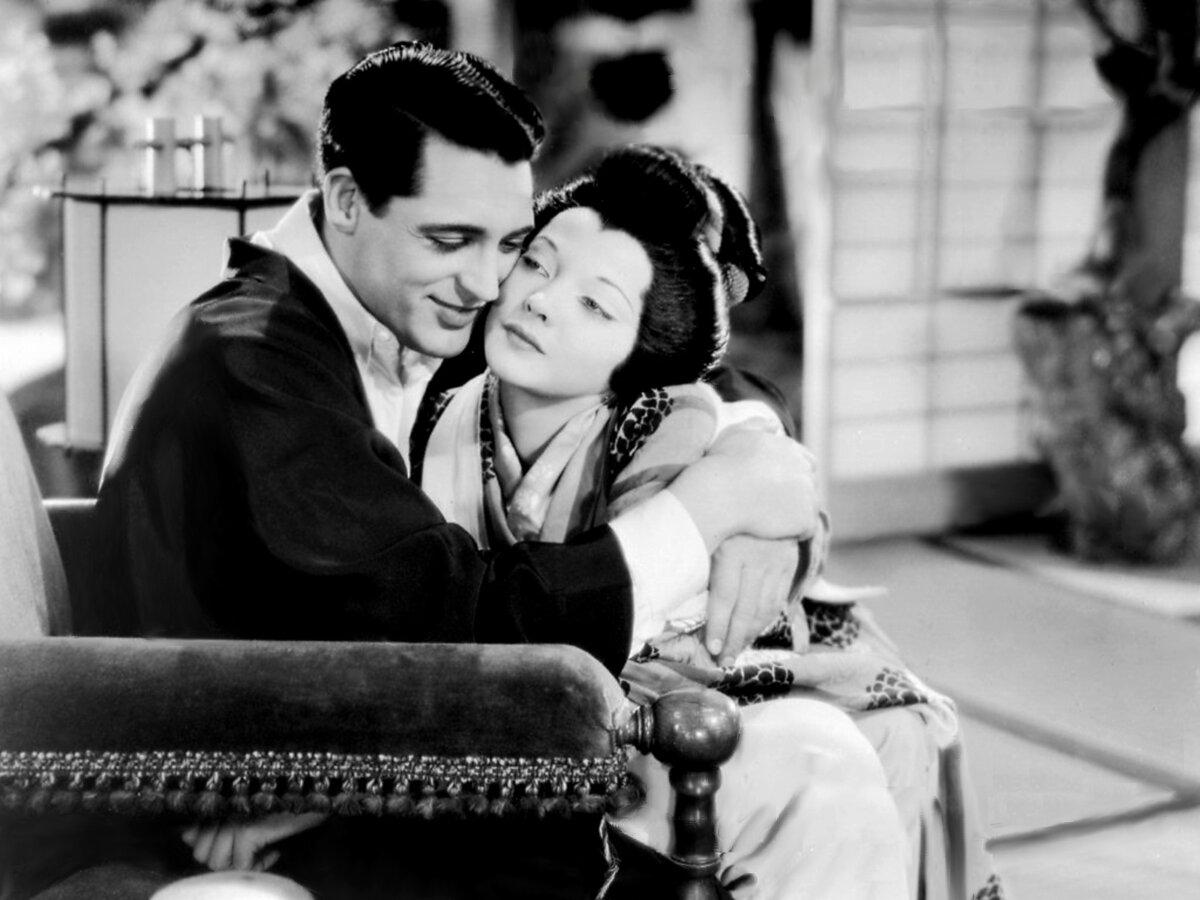
“Madame Butterfly” is a great example of this. Sylvia Sidney was a popular actress of Romanian, Russian, and Jewish descent, and is remarkably convincing as a young Japanese woman. Her ethnically anonymous face allowed her to play Asian and other non-Caucasian characters many times.
Since operas are generally cast based on vocal abilities rather than physical appearance, it’s still common practice for Western opera companies to cast non-Asian sopranos as Butterfly. Although concerns about racial appropriation in recent years has caused some productions to limit the use of Asian-inspired makeup and wigs, it’s still quite standard for Butterfly and the other female singers to wear traditional Japanese geisha garb.
Whether on the stage or in this 93-year-old movie, the story of “Madame Butterfly” is a powerful story that takes on levels of sublime tragedy when combined with Puccini’s heartrending melodies.