NR | 2h 25m | Musical | 1955
Some cowboys had no trouble herding or handling unruly horses or livestock or firing their Peacemakers at rattlesnakes too close for comfort. But they sure had a hard time proposing marriage to women they loved. Some women, courted by many men, appear to have had as hard a time choosing the ones they’d commit to.
Both had to learn that marriage isn’t like riding sidesaddle; it’s all or nothing. So it was in Old West Oklahoma before it joined the Union. At least if you’re watching this tongue-in-cheek Rodgers and Hammerstein classic.
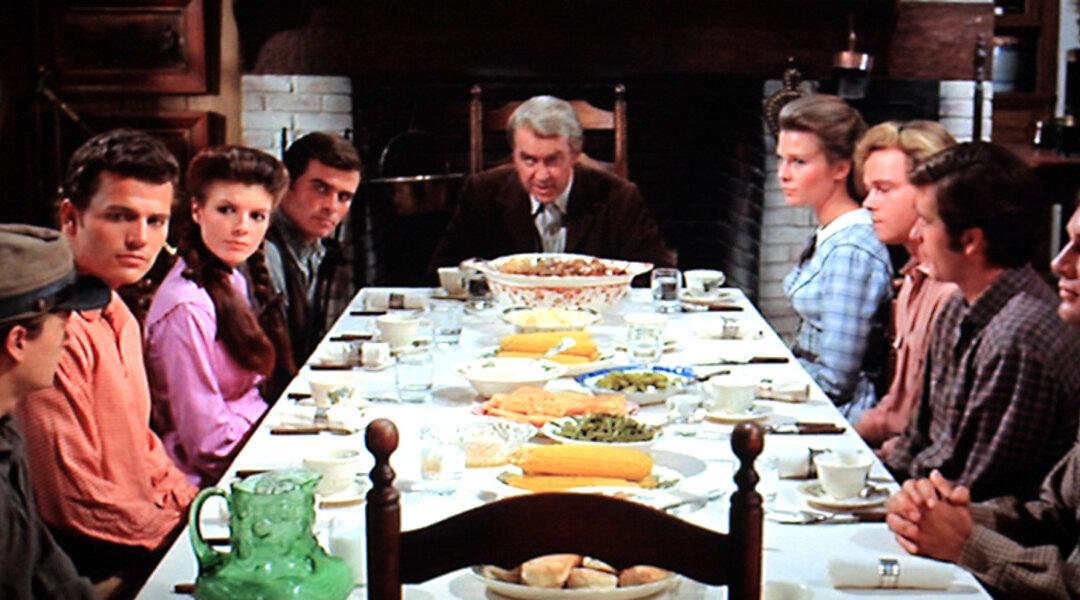
Cowboy Curly McLain (Gordon MacRae) hasn’t told Laurey Williams (Shirley Jones) he loves her. He’s yet to get past asking her out to the dance. Tired of waiting, she agrees to go dancing with violently inclined farmhand Jud Fry (Rod Steiger). That’s to tease Curly, not indulge Jud. She confesses to cheery Aunt Eller (Charlotte Greenwood) that it was only because Curly was being too bigheaded, “waitin' till the last minute.” Trouble is, Jud takes her prank, and himself, too seriously.
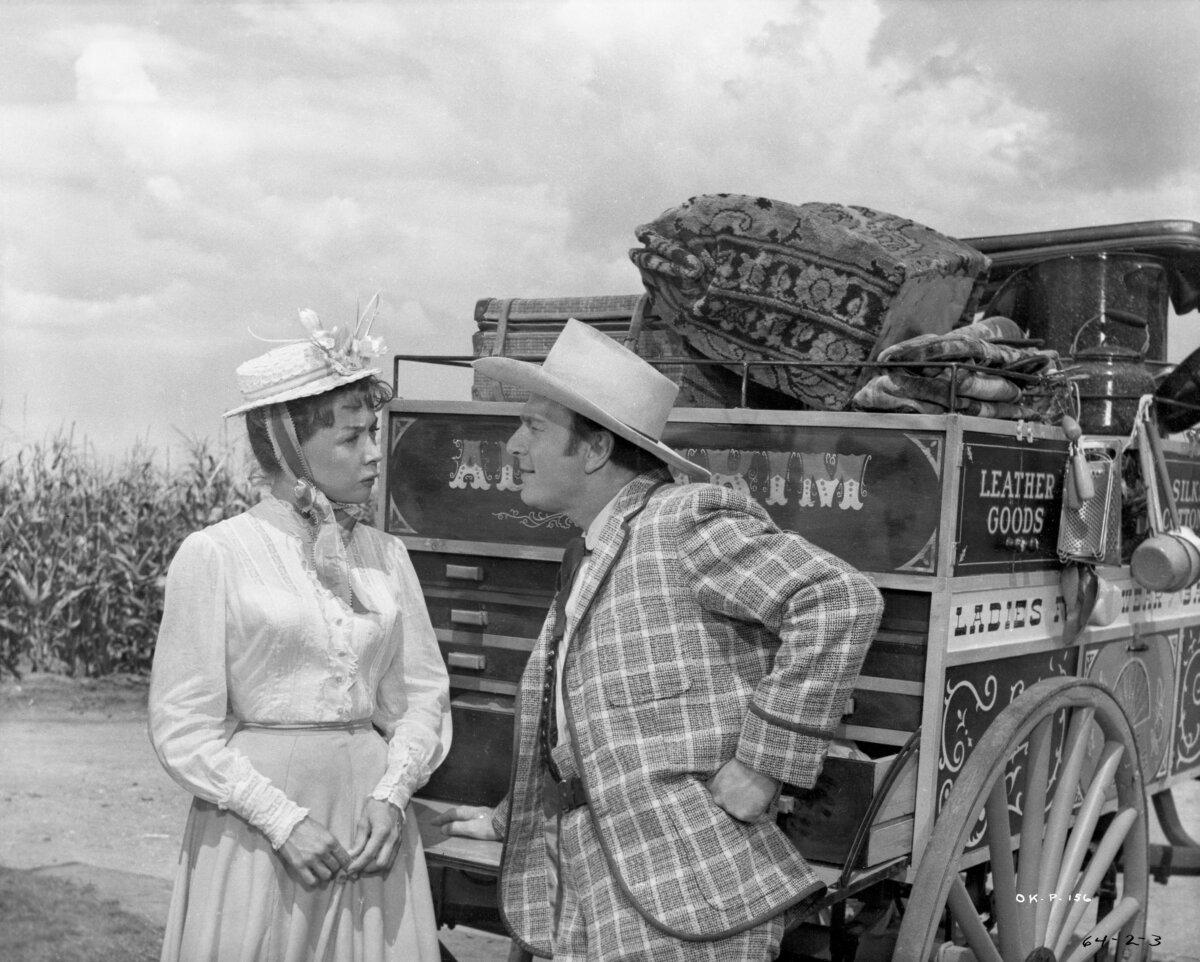
Back from Kansas, cowboy Will Parker (Gene Nelson) has his eye on his simple-minded sweetheart Ado Annie (Gloria Grahame). But Ado’s so simpleminded, she’s equally preoccupied with kindhearted peddler Ali Hakim (Eddie Albert).
Curly’s a man, so womanly wisdom must convince him to do what it takes to win over Laurey. Aunt Eller takes up that challenge. Ado’s a woman, but, in her case, it takes two men, not one, to convince her to win over Will. You’ll have to watch to find out which two take up that challenge, but a good bit of that drama features in the track “All ‘Er Nothin'.” Meanwhile, Jud does all he can to make things, er, more challenging, for everyone.

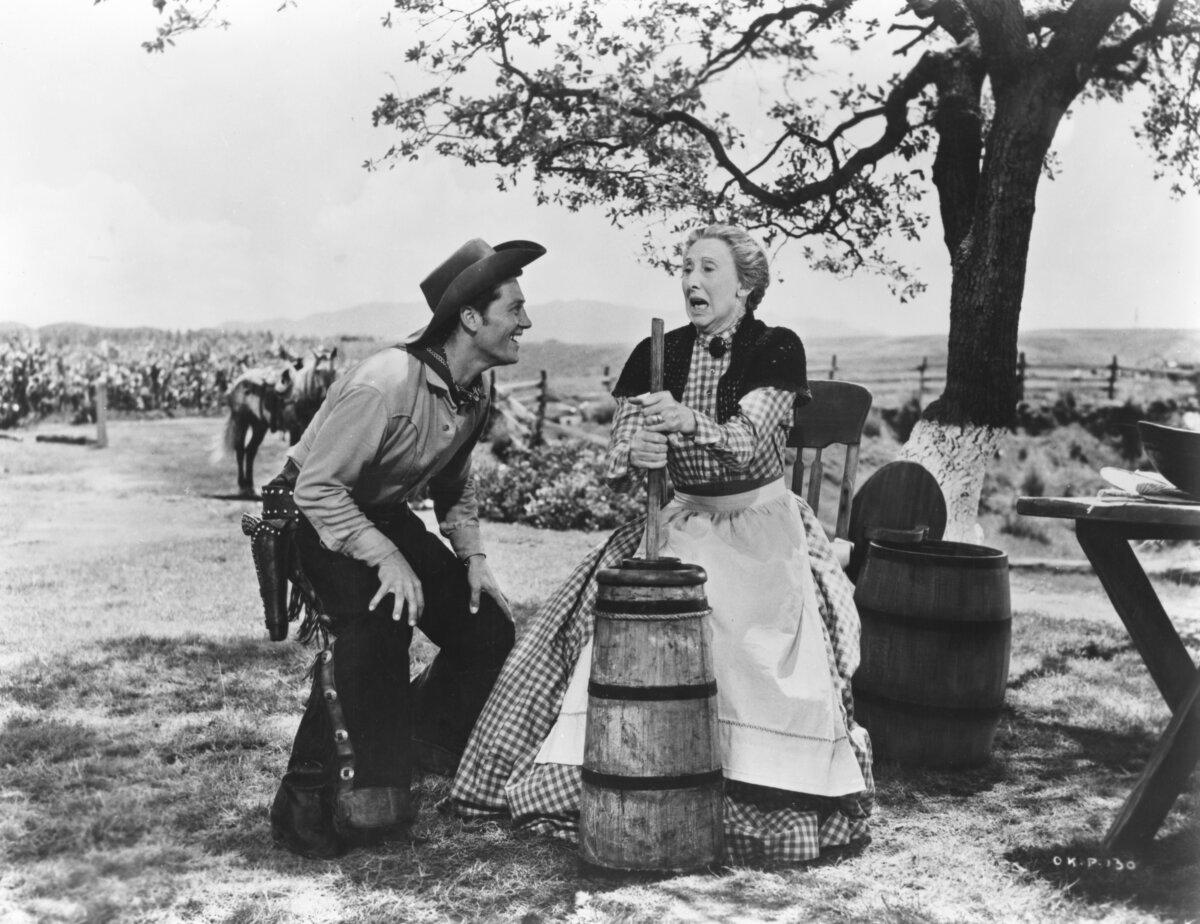
The screenplay doesn’t have much by way of suspense or thrills, but a lively cast, endearing characters, and a beloved soundtrack make it memorable. Albert stands out, with his knowing smile and witty one-liners. So does Greenwood. Here, she quietens a mob and gets them singing and dancing at gunpoint.
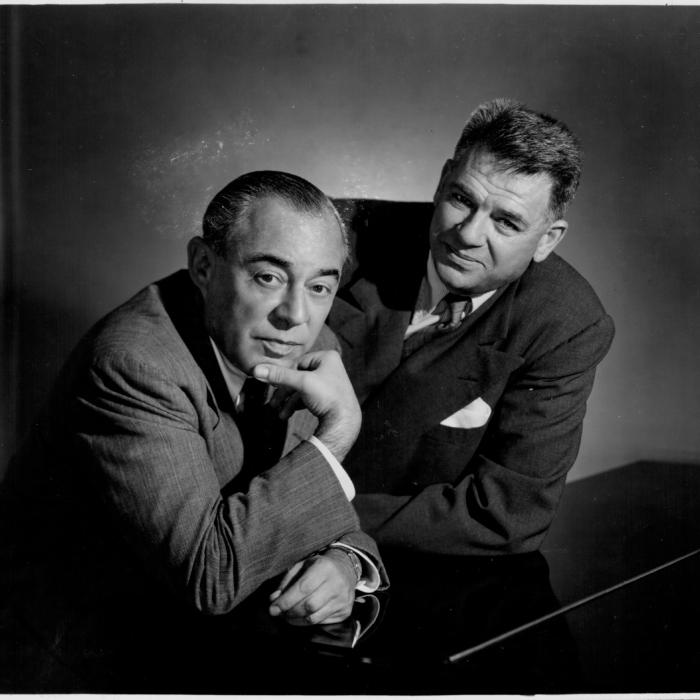
Integrated Musical
Simmering rivalry between local crop farmers and cattle ranchers over land, fences, and water rights forms a faint backdrop to the love stories, playfully captured in the song, “The Farmer and the Cowman.” Sure, the two groups are cut from different cloth but, as the lyrics insist, that’s “no reason why they cain’t be friends.” The screenwriters are making a broader point about the pointlessness of rivalries, whether between women and women, women and men, or men and men.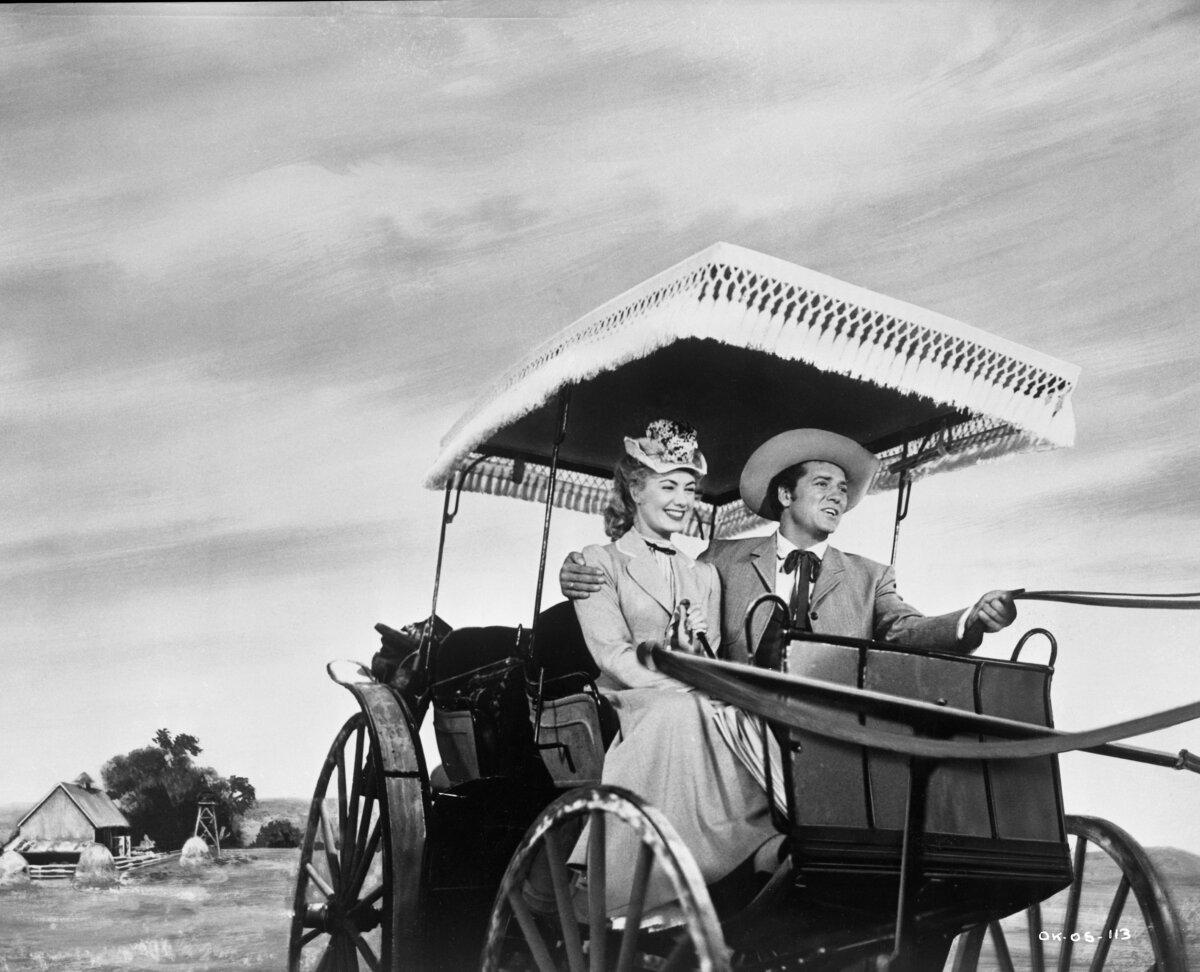
As musicals go, this one starts with a wallop and doesn’t let go.
MacRae takes the lead, accompanied briefly by Jones and Greenwood, delivering two consecutive tracks requiring superlative breath control. First, “Oh, What a Beautiful Mornin',” followed by “The Surrey with the Fringe on Top.”
The range and frequency of high-low notes and sudden whispers show off MacRae’s vocal prowess. Oboes and trilling flutes set the scene, mimicking chirping birds on a gorgeous sunny day. Barring a single near-silent instrument, MacRae sings a cappella first, drawing the audience into Curly’s intimate world, his exuberance before meeting Laurey. Only then is he joined by more instruments, including bells in staccato, strings, harp, and horn.
Nelson tap-dances a brief two-step and a ragtime beat, singing “Kansas City” on the railroad platform. It feels like a one-off gimmick at first. Gradually, it becomes clear that it’s a tap-dancing number. As fellow cowboys and Aunt Eller join in, Nelson goes on to use a giant lasso as a skipping rope, before hopping back onto the train he’s just alighted from, singing and dancing all the while.