But as the couple gradually adopted the homesteading lifestyle—which McCoy believes they were led to by God—they saw the benefits that pulled them in ever deeper. First, she says, she “felt free” like never before, living in that old farmhouse in isolation. Second, they successfully weathered the second-largest tornado outbreak in Indiana’s history by living off canned good and venison her husband had hunted, while spoiled food filled the fridges of the less prepared during power outages throughout the state. Third, Trevor, 48, realized what hunting and growing their own food truly offered his growing family—stability.
“When he began hunting and we planted our first garden, something in him lit up,” said McCoy, speaking of her husband’s experience after they moved out of their first farmhouse and onto a smaller plot in 2012. “Once he discovered [hunting], it became second nature.”
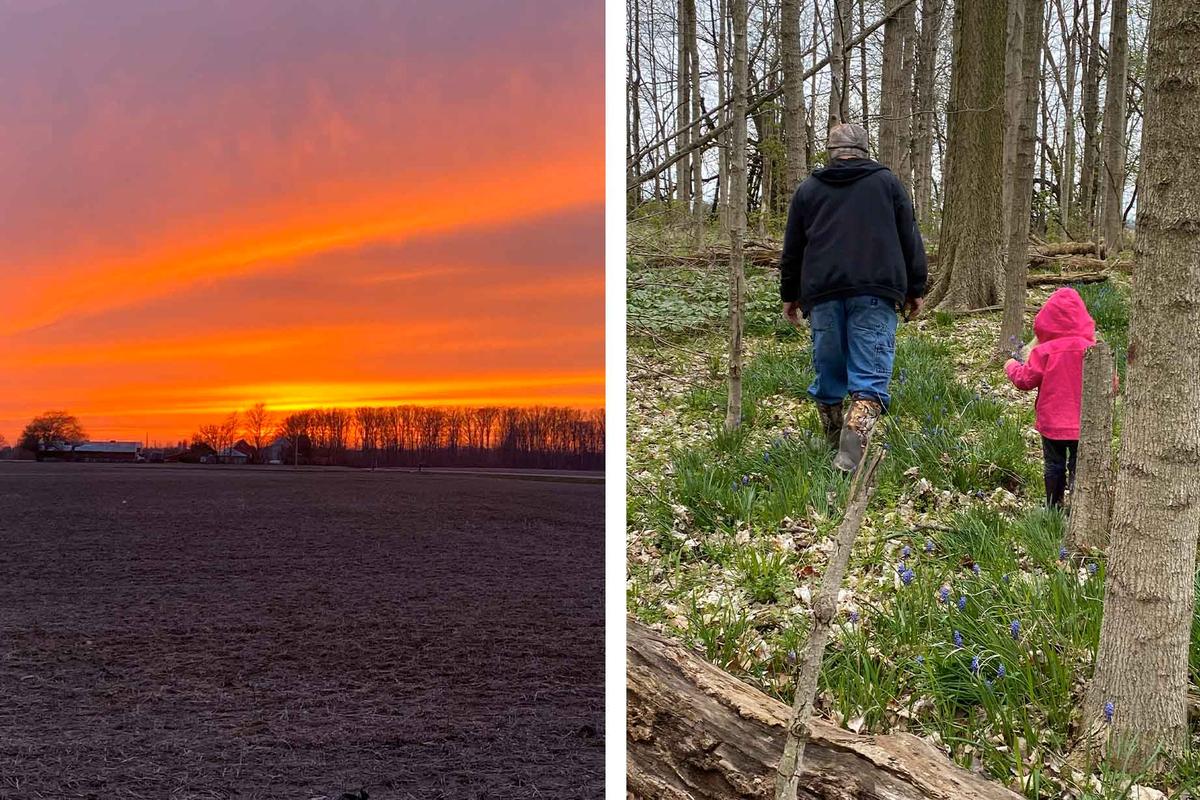
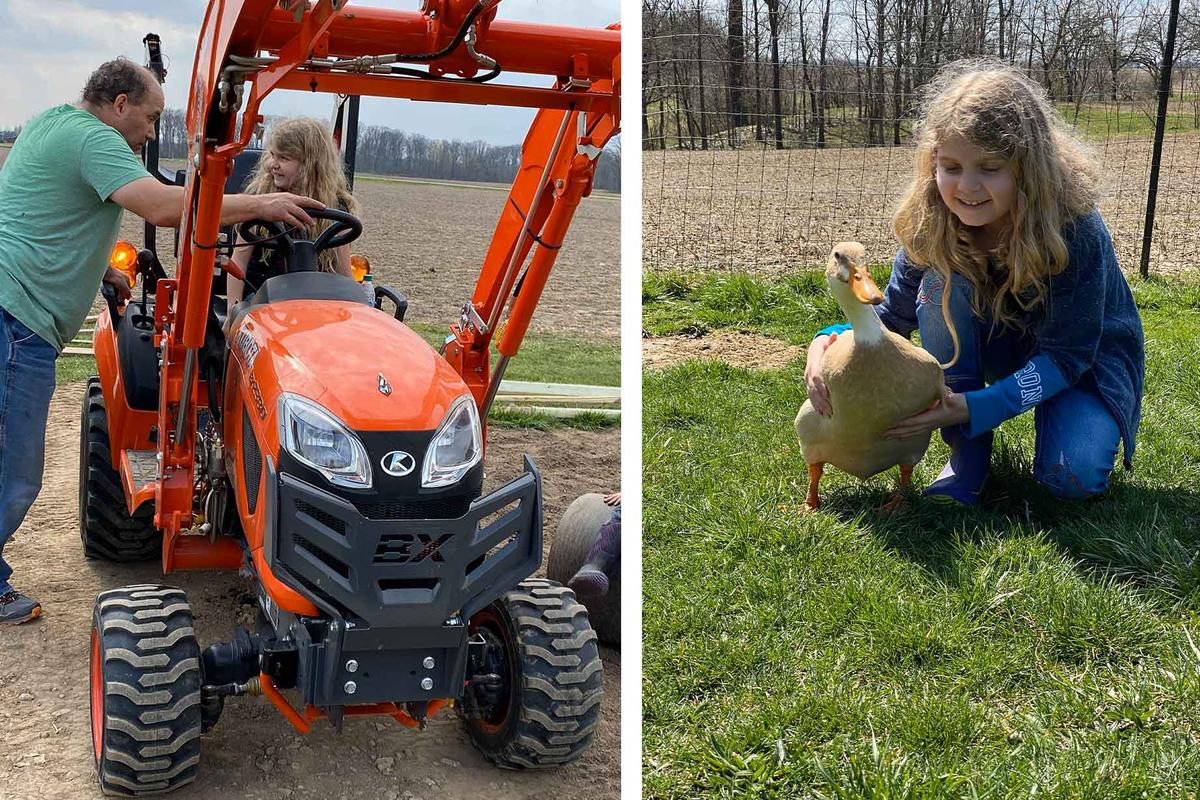
McCoy’s own drive to homestead was fueled by a disenchantment with the modern devices, consumerism, and ultra-processed foods she encountered in the city. She wanted clean food for their three girls: Anna, 15, Lily, 14, and Rose, 8.
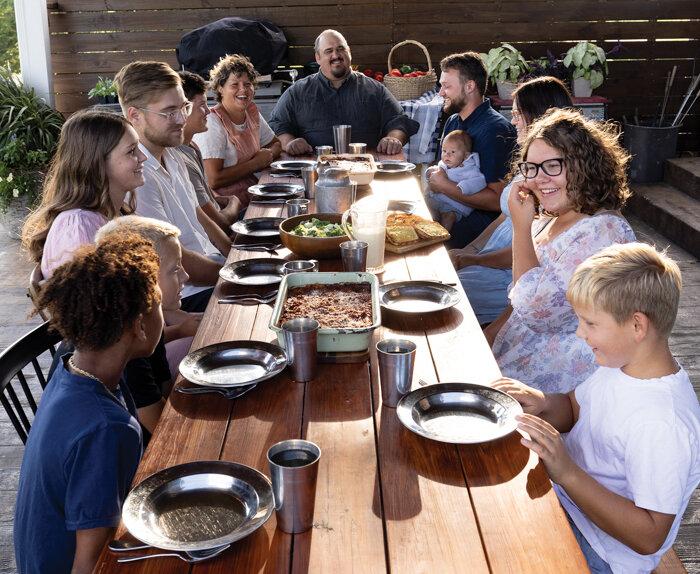
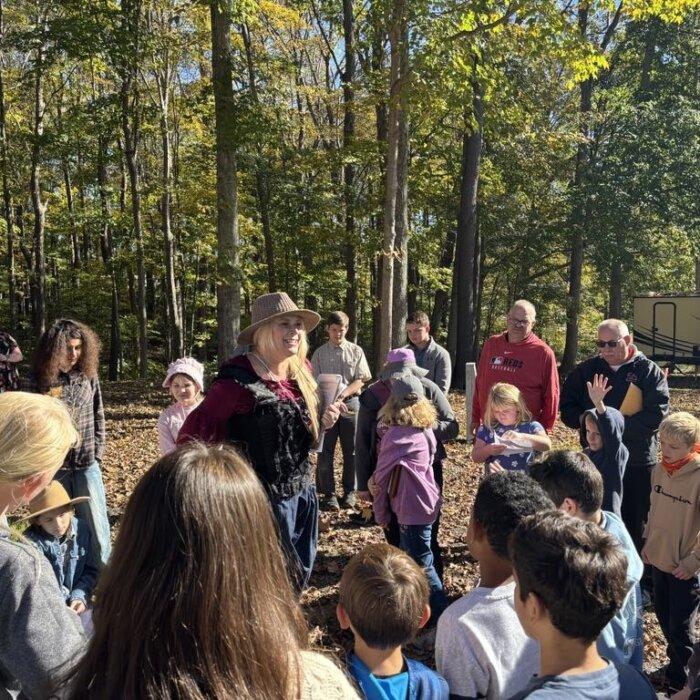
She is also pleased with how homesteading instilled life lessons in their children. Spending time helping their parents gut deer and pluck chicken feathers taught them exactly where their food comes from. They learned “reverence,” “how fragile and precious life is,” and “how richly God provides,” she said.
The children now approach life with a confidence rare in modern youths, McCoy said.
The McCoys’ second plot, which they moved to in 2012, was just a quarter-acre “postage stamp-size” city lot. There, they figured out the basics of homesteading: growing food modestly and filling their larder with venison. In 2015, they moved to a larger homestead in Montana but it didn’t pan out. So the following year, they moved to an acre just outside of Kokomo and began homesteading with just 16 chickens and no coop. With more land they could do more.
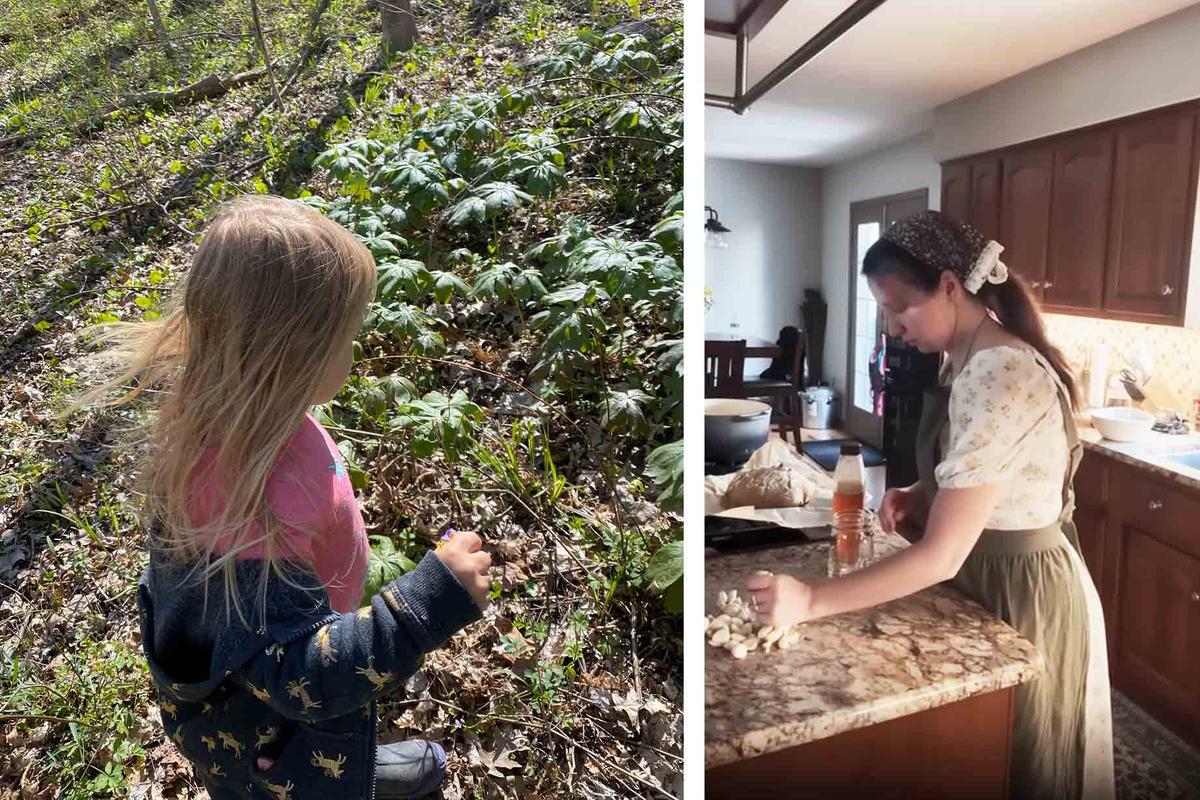
“Next year came the ducks, then goats for milk, then meat rabbits, turkeys, and even geese at one point. We added raised beds, fencing, compost areas, and a small orchard of medicinal plants,” McCoy said. “Our homestead grew in layers.”
“It looked nothing like the place we started with,” she said, speaking of the transformed acreage.
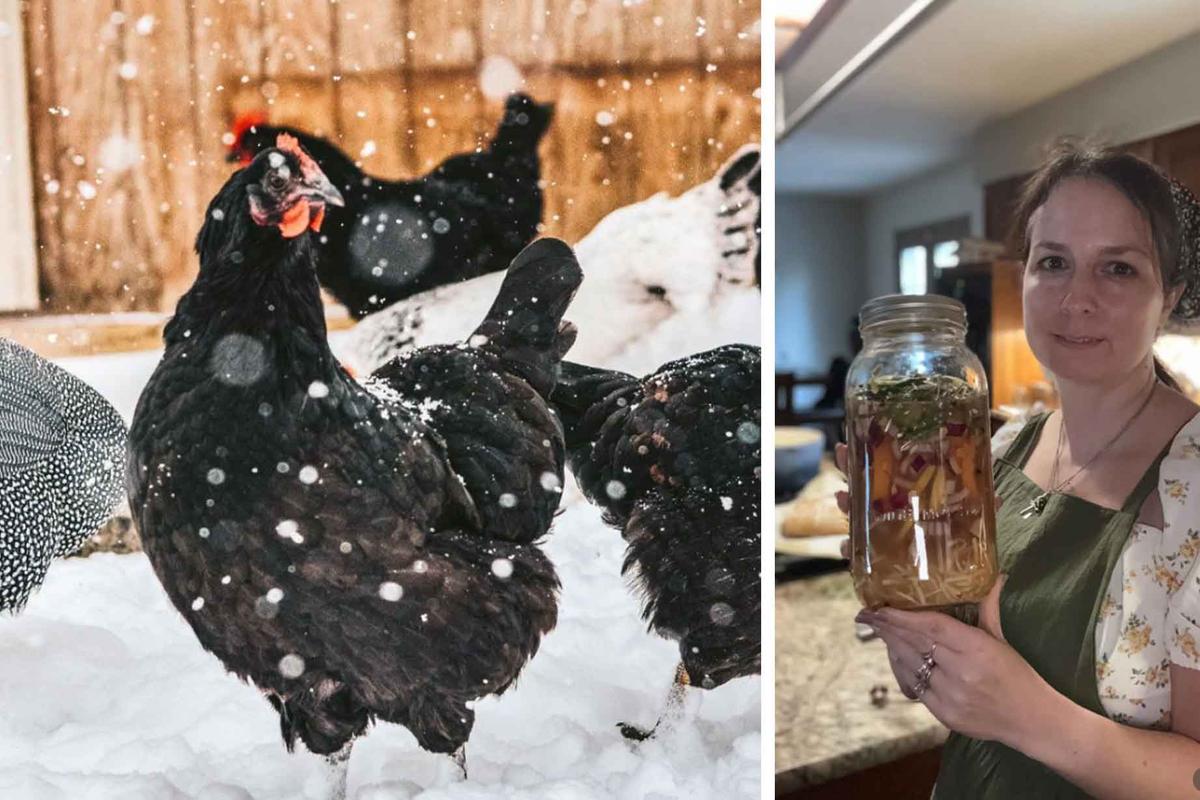
McCoy had not gardened or canned before, she says, but after eight years preserving food to feed the family they eventually only needed to grocery shop once a month. When Trevor wasn’t trucking, he spent pockets of free time hunting and butchering on the homestead to supply 95 percent of the family’s meat needs.
Occasionally, McCoy had to take up a hunting knife herself.
She recalls herself and the girls tracking a deer Trevor had shot with a bow and arrow. After they found the fallen deer she realized what had to be done, and gutted the animal by herself.
“That day reminded me that homesteading isn’t hypothetical strength—it’s real strength,” she said, “the kind you only discover when you’re standing in the woods, knife in hand, realizing, ‘Well, it’s just me, and can I do this?’”
Being self-reliant has paid off many times for the family. During the pandemic, McCoy saw how delicate modern systems are. From food supply chains to grocery stores to power grids, most people can’t exist even a short period without them, she said.
But she distinguishes their lifestyle from “doomsday” preppers who hoard food in bunkers to survive the end of the world.
“I’m not a ‘prepper’ in the cultural sense. I don’t stockpile food for years or imagine zombies on the horizon,” she said. “My philosophy is much quieter: learn the skills, steward the moment, and trust God with the rest.”
Self-sufficiency, McCoy believes, is mostly a myth anyway. “Human beings were never meant to produce everything alone,” she said. “God designed us for community, for bartering, for leaning on one another’s strengths.”
The couple’s aim is to localize their food chain, exchanging with local farmers, like their Amish and Mennonite neighbors and markets.
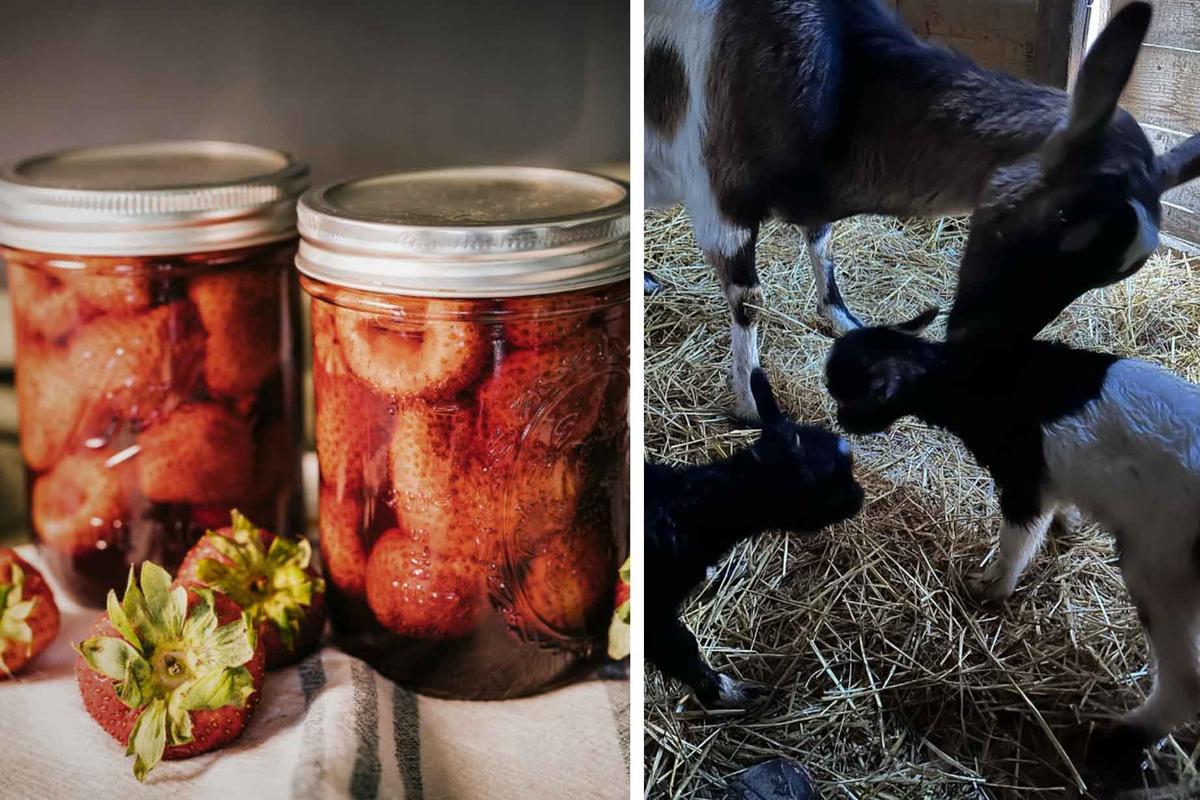
In all of this, McCoy sees moments that make her believe God has a hand in their homestead. Witnessing the birth of a shivering baby goat one chill Midwest April convinced her.
“There she was, her mother gently cleaning her off, nudging her to stand. We watched her wobble on brand-new legs, heard her first tiny bleats,” she said, adding that there was “something holy” in that moment.
The family’s homestead is rooted in “creation, not consumption, where you steward what you’ve been given by God rather than chasing what you don’t need,” McCoy said.
“In return, it gives back a hundredfold.”