NR | 2h 10m | Adventure, Drama, War | 1958
Military men quickly learn that desert training can push even the toughest soldiers to the edge. Temperatures climb until mens’ feet feel like they are cooking inside their boots; water becomes a resource guarded with near-fanatical devotion. Every gulp has to be measured, every drop accounted for, and even the smallest miscalculation can leave a soldier struggling before the day is done.
What tipped things over the edge of surviving in the desert was bringing any sort of hangover into those conditions. Lingering alcohol intensifies the strain on the body. Dehydration sets in fast, and tasks that might feel manageable under normal circumstances turn into exhausting tests of endurance.
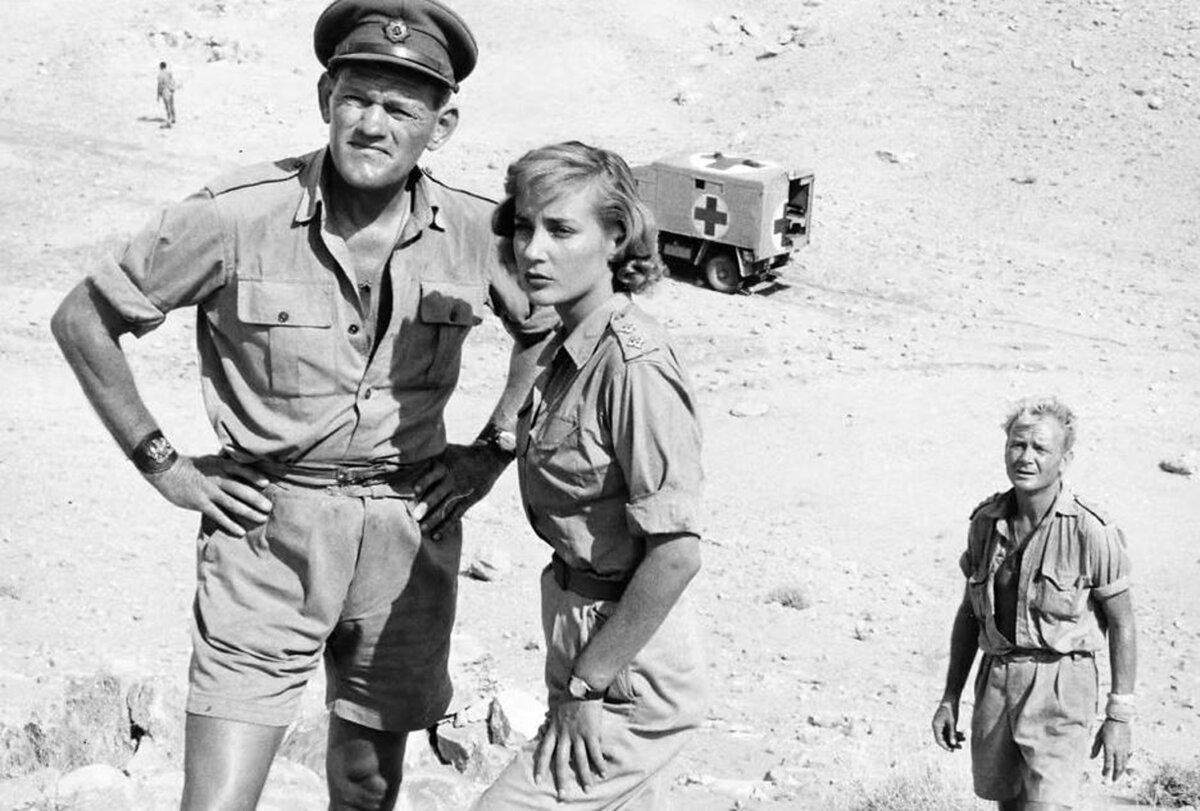
“Ice Cold in Alex” (1958) presents these inherent dangers. British Army Capt. Anson (John Mills) is tasked with traversing hundreds of miles of North African desert under relentless heat. He drinks, turning the punishing trek into a struggle of wits, stamina, and sheer stubbornness. German patrols are never far away, forcing every step to be a carefully considered move. The desert doesn’t cut any slack for poor timing and bad judgment.
The Long Road to Alexandria
Capt. Anson leads Sgt. Maj. Tom Pugh (Harry Andrews) and two nurses, Sister Diana Murdoch (Sylvia Syms) and Sister Denise Norton (Diane Clare), out of a collapsing Tobruk, racing for safety in Alexandria. Their battered ambulance, “Katy,” and dwindling supplies set the stage for a gripping journey. Along the way, they pick up Capt. van der Poel (Anthony Quayle), a mysterious South African officer carrying gin in his bags, much to the delight of Capt. Anson.Humor and Humanity
The film zooms in on the small vanities and habits of its characters. Anson’s fixation on eventually having a cold beer in Alexandria, Egypt, Murdoch’s calm efficiency, and Pugh’s reliable discipline turn a fight for survival into something human and lightly humorous.
Throughout the film’s 130-minute running time, the ambulance gradually becomes a microcosm of the mission’s fragility. Every rattle of the engine, every shared cigarette break, and every glance at van der Poel’s gin stash remind the viewer that the big picture often comes down to a series of fleeting, imperfect moments.
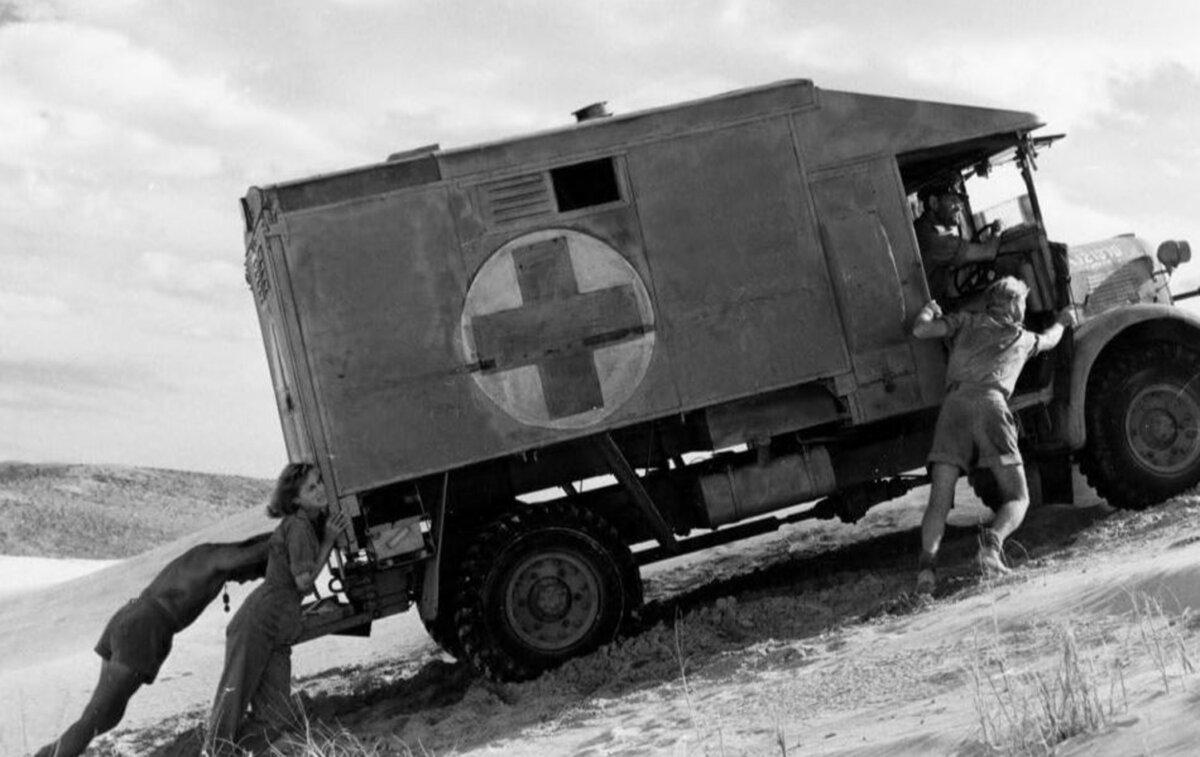
Anson’s stubborn habit of indulging in a drink during the journey makes him surprisingly relatable. For a soldier, even a small comfort, like joking about gulping down an ice-cold beer while resting in the shade, can feel like the only sane thing to wish for in an otherwise miserable situation.
The supporting cast enriches the journey without stealing the show. Each character brings a distinct personality, navigating both the desert and the dynamics of the group. Scenes that might have dragged instead gain life through the quirky and often amusing interactions between the travelers.
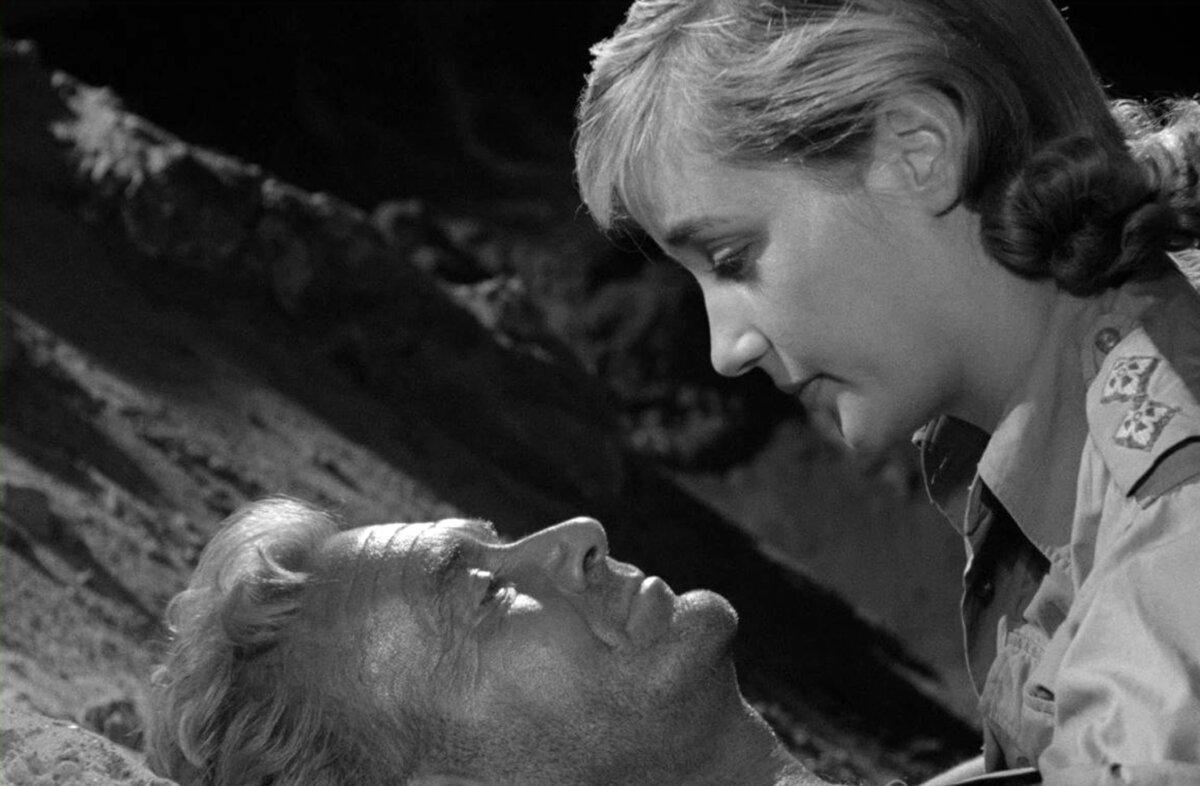
The film treats its environment as a genuine obstacle. The desert is oppressive and relentless, yet it never feels overly exaggerated. The filmmakers allow the natural hazards, scarce resources, and human weaknesses to drive the story forward. There is no need for flashy set pieces or dramatic exposition to appreciate the cleverness, patience, and stubbornness of the characters.
For anyone interested in a war story with personality, humor, and a relentless environment that tests every decision, “Ice Cold in Alex” remains a masterful classic that has held up well over the decades.