
Professional photographer Renee Luo recently shared with The Epoch Times the foundational elements of shooting great photographs, according to traditional photography.
Luo explained that the aesthetics of traditional photography come from painting. Good photographs therefore contain clear subjects and logical compositions, where every element has meaning. “Anything that deviates from the subject matter we don’t want in the image,” she said. Anyone should therefore be able to understand the image at a glance.
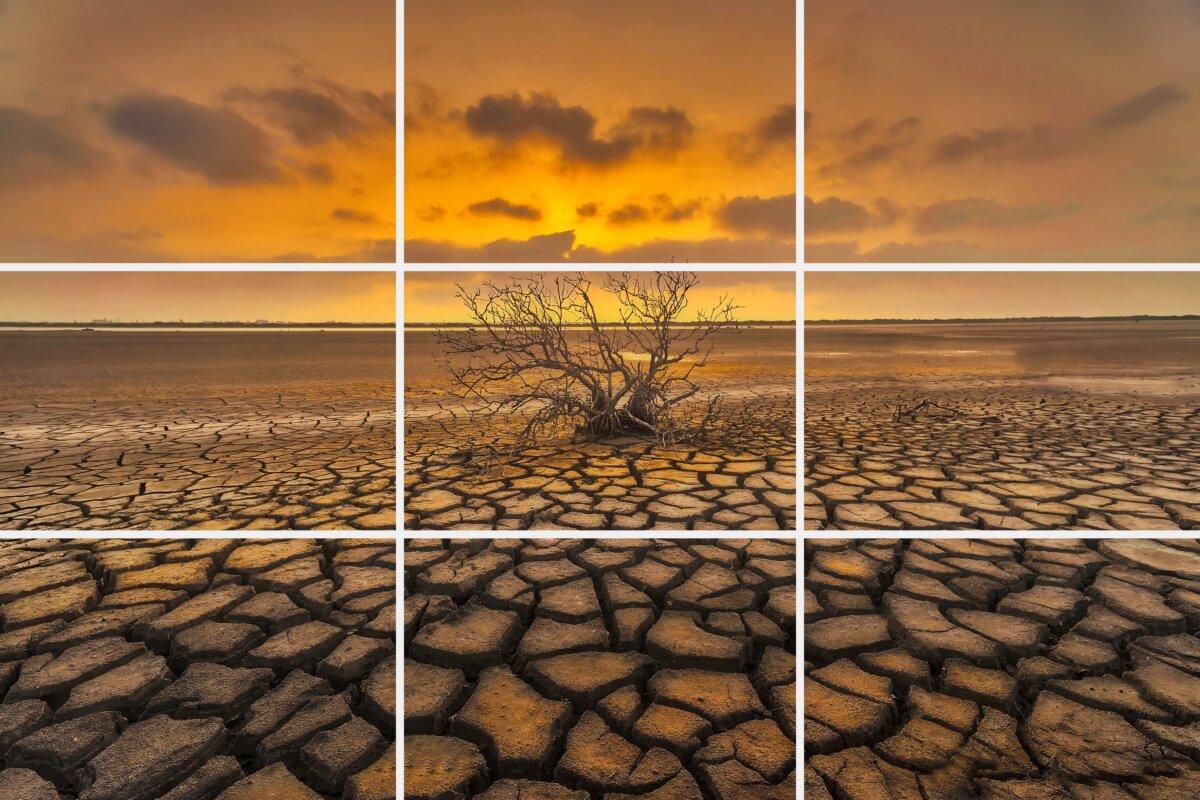
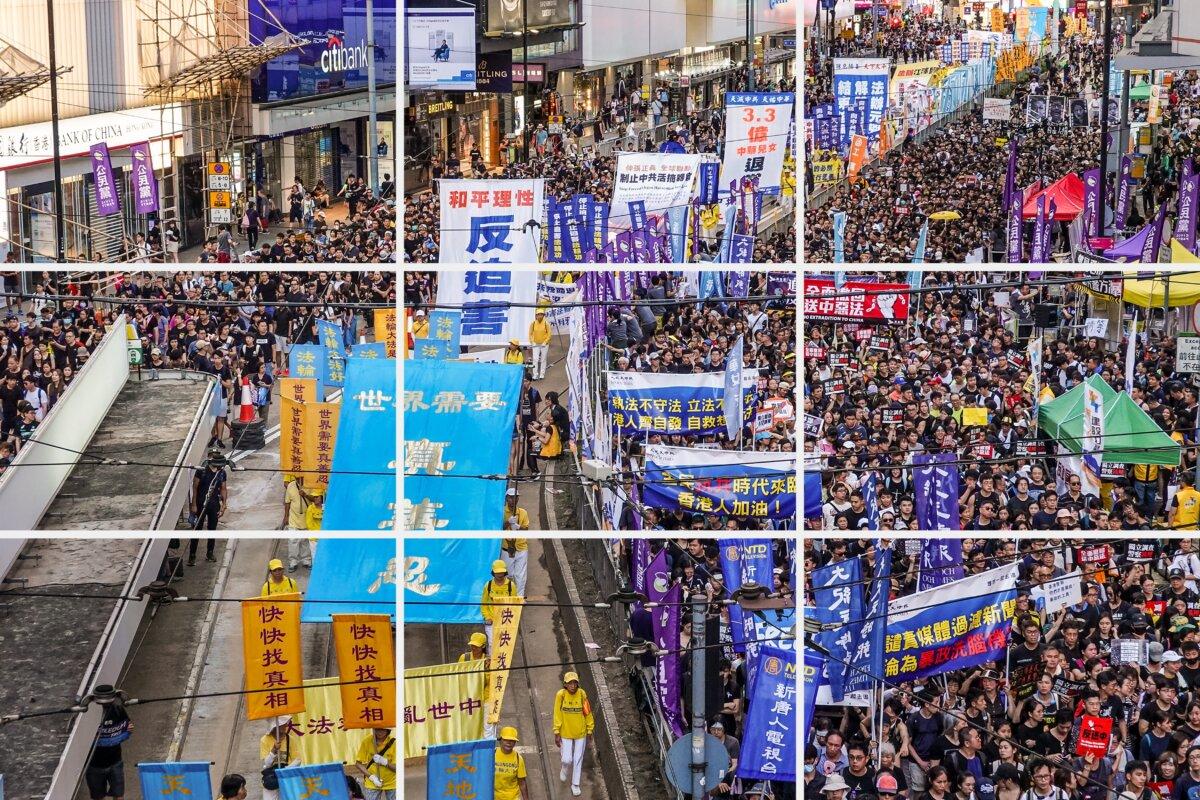
A logical composition means creating a balanced image that “makes the subject matter shine.” Luo explained that photographers should compose their shots according to the Rule of Thirds, a three-by-three grid for taking aesthetically pleasing images.
NTDTV Winning Photographs
Luo explained how photographers applied these basic techniques to create award-winning photographs in the NTDTV International Photography Competition (NIPC). She’s been part of the NIPC judging panel since the first competition in 2008. The panel first assessed the subject matter, then the composition of each photograph, and finally critiqued more technical aspects.‘The World Needs … ’
Hongkonger Adrian Yu won the Society & Humanity Gold Award for his photograph: “The World Needs ‘Truthfulness, Compassion, and Forbearance.’”Yu’s winning image records a historic moment during the Hong Kong Protests. On July 1, 2019, an estimated 550,000 Hong Kong residents took to the streets in the annual pro-democracy march, marking Hong Kong’s 1997 handover to China.
Mandarin speakers immediately understand the protest from the myriad anti-persecution banners throughout the image. Yu highlights the Falun Gong practitioners’ parade by using its main slogan as the image title: “The World Needs ‘Truthfulness, Compassion, and Forbearance.’”

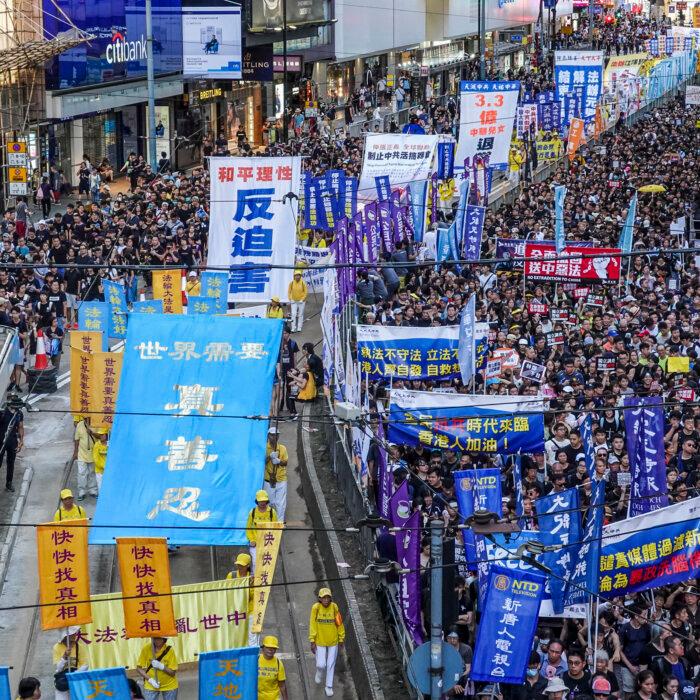
“Truthfulness, Compassion, and Forbearance” or “Zhen, Shan, Ren” in Mandarin, are the main tenets of Falun Gong, a Buddhist self-cultivation practice that the Chinese Communist Party (CCP) has systematically persecuted in China since 1999.
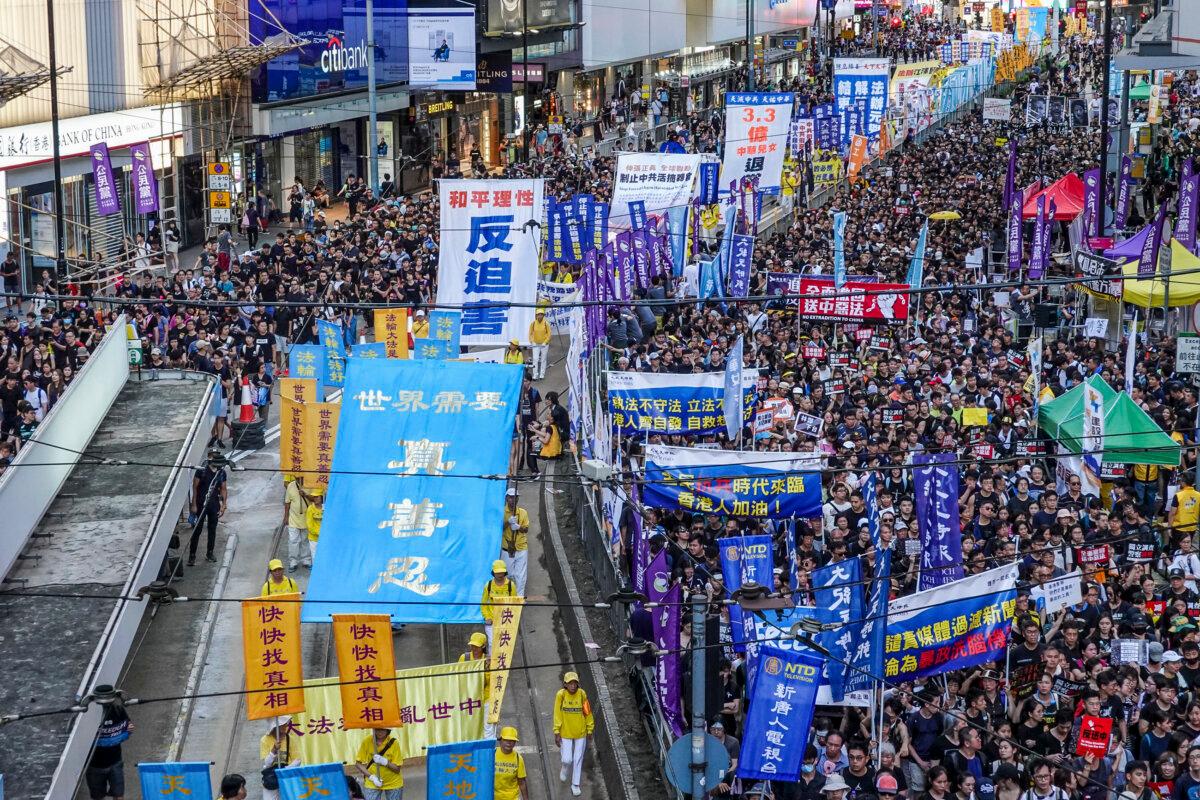
The composition makes the subject matter very clear, Luo said. A sea of peaceful protesters fills more than two-thirds of the photograph. A group of Falun Gong adherents raises a large turquoise banner above their heads, like a stream that flows within the central rectangle and across two power points on the Rule of Thirds grid. The banner exclaims: “The world needs ‘Truthfulness, Compassion, and Forbearance.’” “When you look at it you just see, wow—so many people—so many people want the demise of the CCP,” she said.
‘Evening View of Bagan’
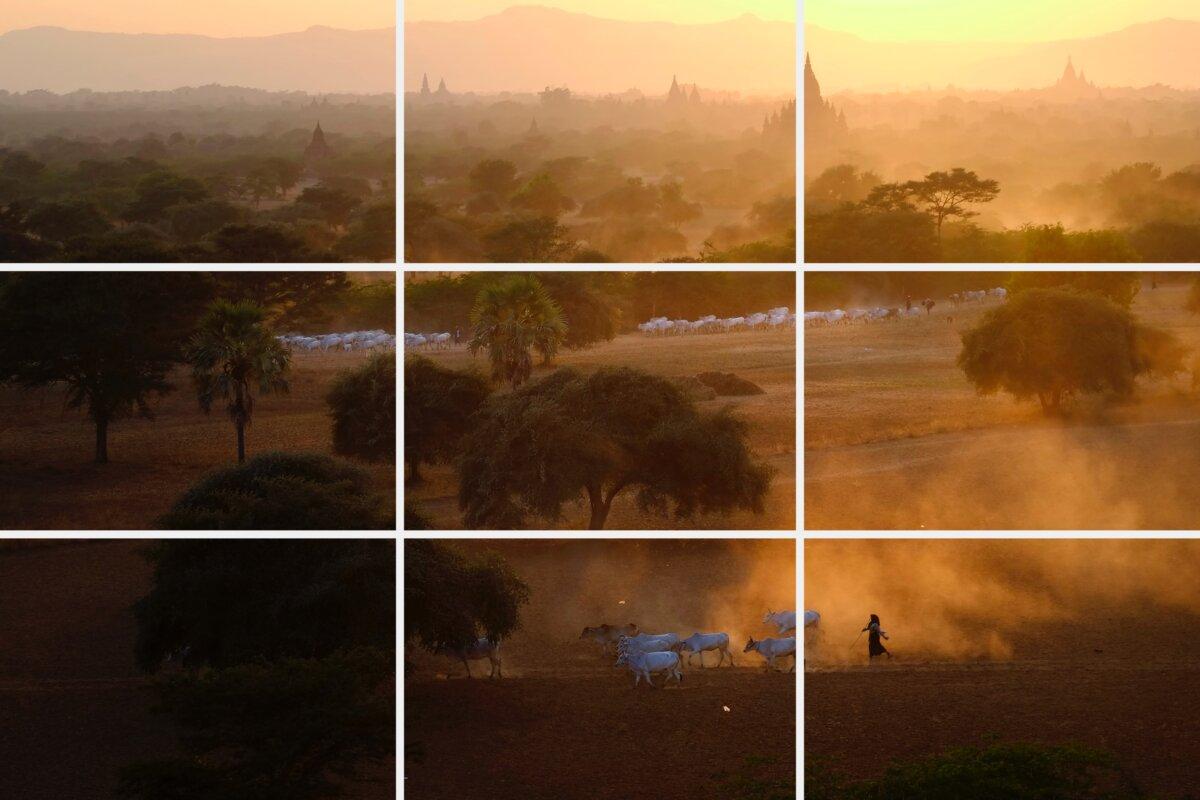
Burmese photographer Kyaw Kyaw Winn’s image, “Evening View of Bagan,” of the ancient capital of Burma, won the Nature & Landscapes Gold Award.In the photograph, Winn captured a timeless scene of cattle herders working at the “golden hour,” a window of time around sunset and sunrise that photographers prize for its warm, reddish tones. The atmospheric lighting, along with Buddhist stupas, temples, monasteries, and distant mountains shrouded in mist create an ethereal scene fit for the renowned pilgrimage site and UNESCO World Heritage Site.
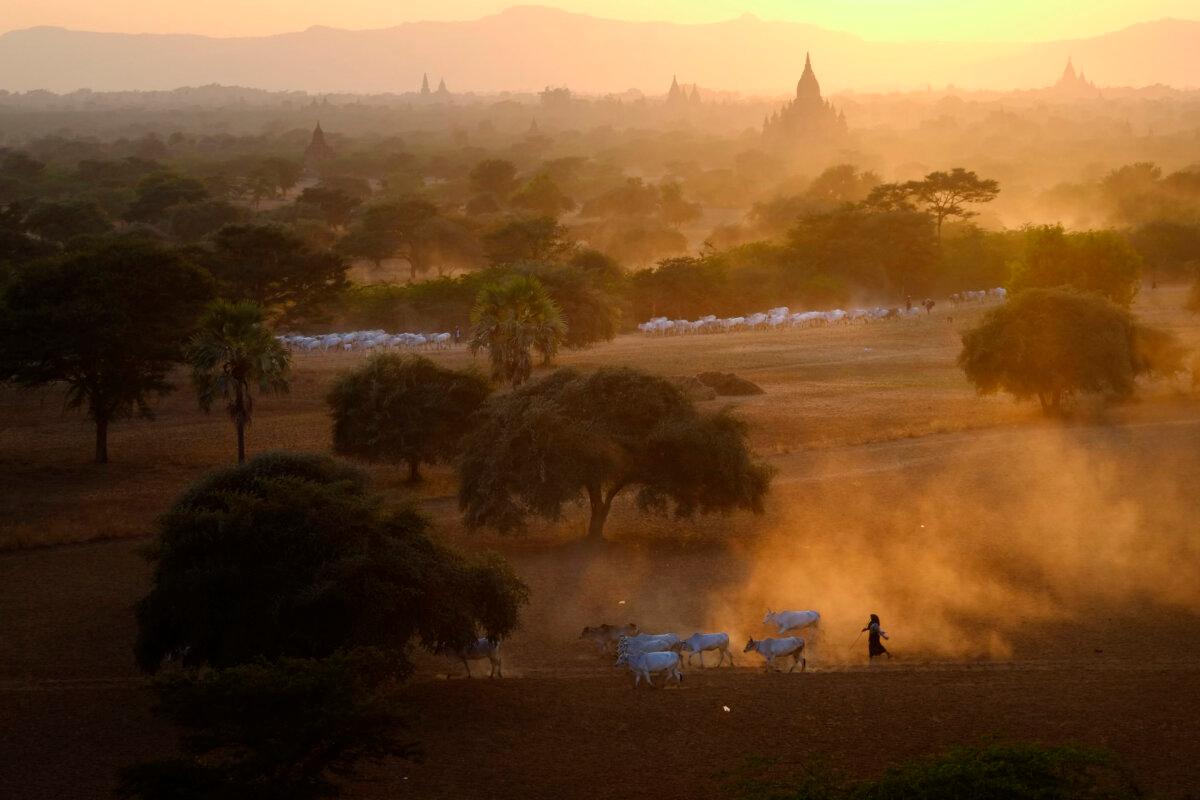
The judges loved the light in Winn’s photograph. Luo lauded the layering throughout the background, middle ground, and foreground that transformed the two-dimensional photograph into a three-dimensional world. She explained that photographs full of layering and high contrast evoke softness, and “in our hearts we like softness.”
Depicting Drought
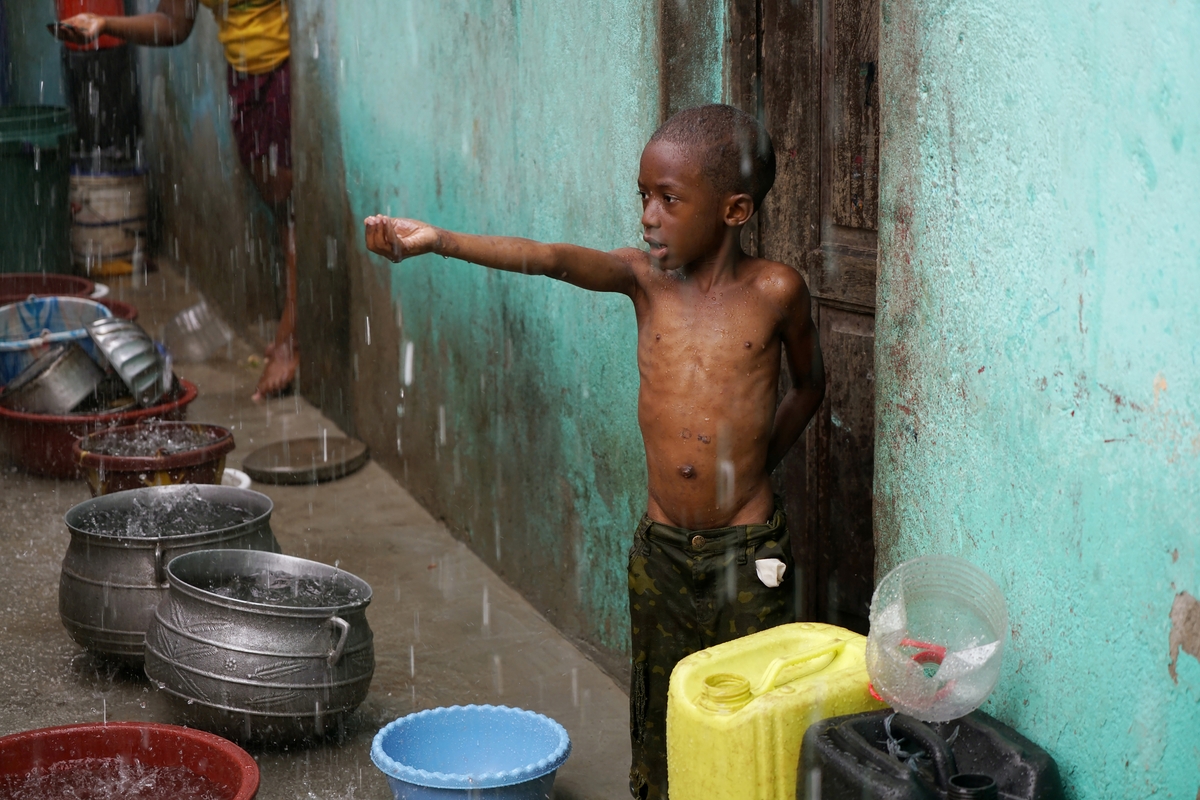
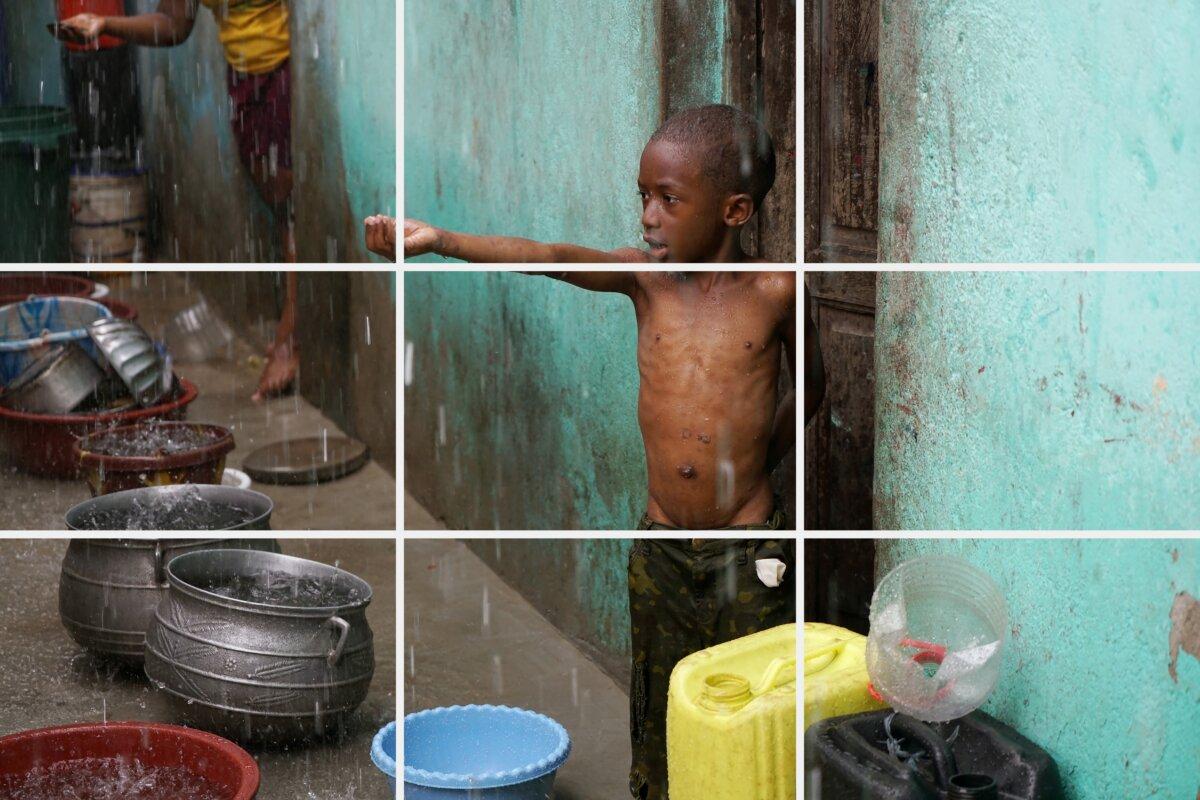
American Gina Pottenger won a Society & Humanity Silver Award for “Downpour.” At first glance, one knows that Pottenger’s photograph is about drought and desire for water, as an awestruck African boy watches raindrops hit his open palm and an array of containers.“It’s actually a very good composition,” Luo said. The boy is within the second segment of the Rule of Thirds grid, and his arm almost aligns with the horizontal gridline. Pottenger, an experienced documentary photographer, felt that moving him even a little to the left or right would detract from the subject matter.
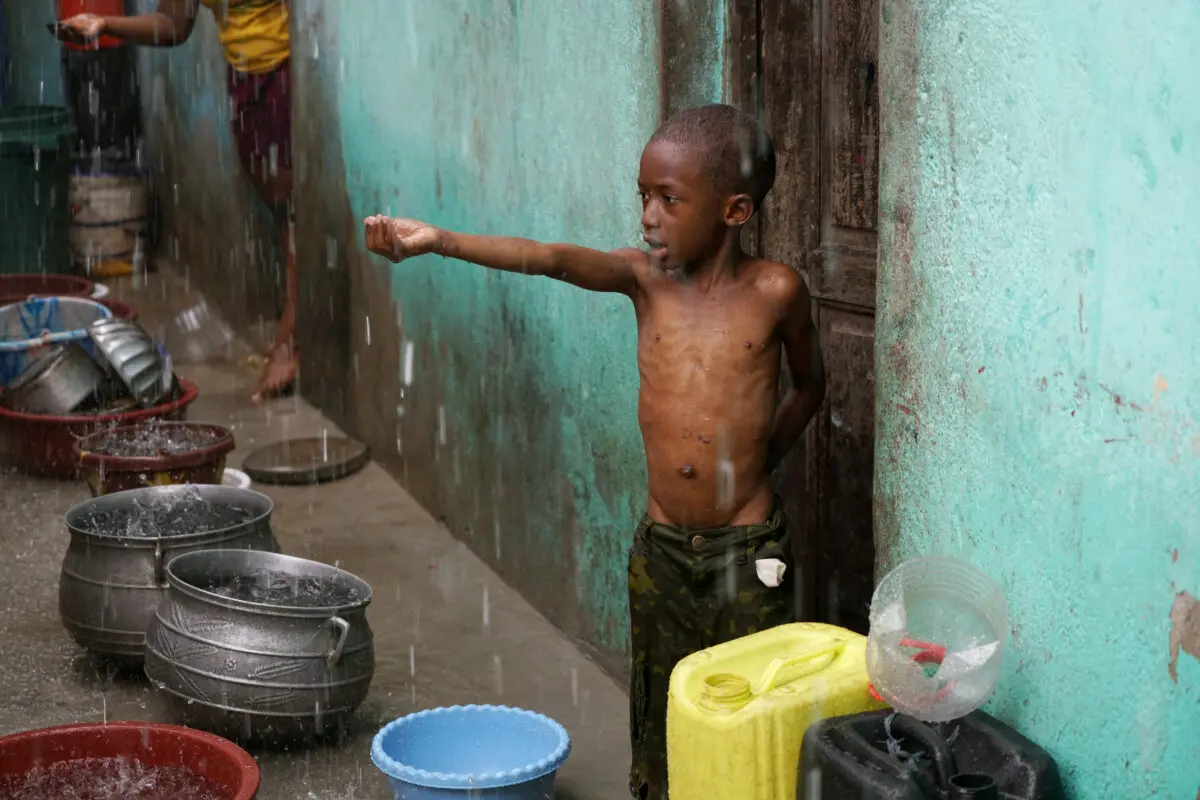
Luo explained that the diagonal line created by the brick wall introduces an element of instability. Photographers often use diagonal lines to evoke unease, drama, or tension in shots of war or sports. In this photograph, the diagonal highlights drought and poverty. “It really brings out the story behind this image,” she said.
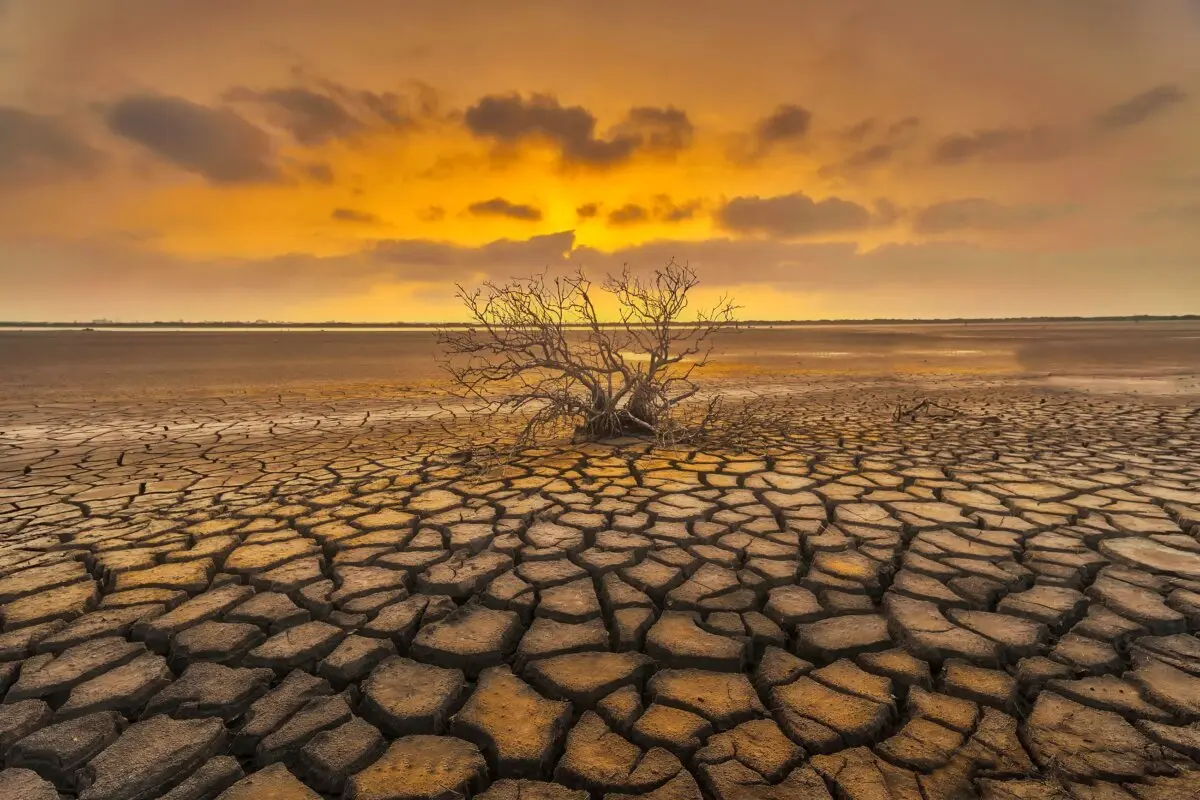
Similarly, the Nature & Landscapes Silver Award-winning photograph “Dead Trees on Dry Land,” by Ming-Lun Tsai, highlights drought and includes diagonal lines. In the photograph, two wizened trees survive on parched, cracked earth that stretches as far as the eye can see across a luminous horizon. Luo said the trees are analogous to drought, and the diagonals again evoke instability.
Luo observed that some photographs may not have the perfect angle, but the image is effective because the photographer has been moved, and the viewer can feel it. But she emphasized that photographers adhering to the age-old standards of traditional aesthetics create balanced, beautiful, moving—and ultimately, award-winning—images.