Model It
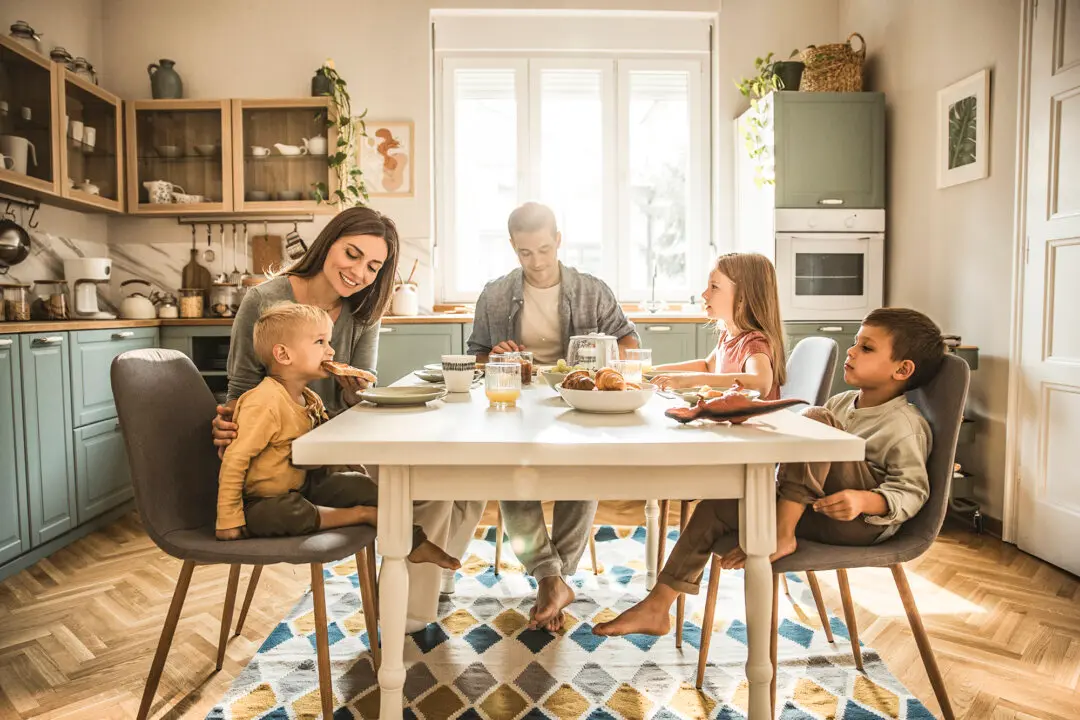
The most important way to develop gratitude in your children is to practice that gratitude yourself. This is the most powerful step parents can take. Emmons notes:“There are a few studies looking developmentally with parents and kids. They find that the best predictor of a child’s gratitude is the mother’s or the father’s gratitude. Then, it’s the expression of gratitude within the family, so becoming a role model, and then encouraging gratitude, reinforcing gratitude when you see it in your children are some of the best ways in which you can raise a grateful child.”This is, of course, easier said than done. But as I’ve written before, there are many ways for adults to strengthen their own sense of thankfulness, such as journaling about things they’re thankful for, engaging in meaningful activities, and experiencing great art. And of course, it’s important for parents to verbalize this gratitude in front of their children.
Start With Small Habits
We build every virtue through repeated actions that, over time, form habits. In the beginning, those actions are usually quite small, but they lay the foundation for more significant acts of virtue later on. Just as it’s impossible to lift 100 pounds if you don’t begin by lifting 10, gratitude training starts small and becomes more robust with time.The simplest way to begin—and this can be done with very young children—is by insisting that children say “please” and “thank you.” “Please,” which is short for “if you please,” reminds children that they aren’t entitled to whatever they want, that their desires don’t automatically translate into reality. Often, that depends on the goodwill of someone else (normally the adults in their lives) who makes some kind of sacrifice in order to fulfill the child’s wish (even if it’s only a small one). Children need to be aware that the good things they have are the result of others’ charity and aren’t necessarily owed to them.
The connection between “thank you” and gratitude is obvious; again, this verbal expression, even if the child doesn’t think much about it, begins to train them not to ignore the adult as soon as the adult is no longer needed to fulfill the child’s desire. The child needs to recognize that he or she owes something in return—a debt of gratitude.


Encourage Them to Think About Others
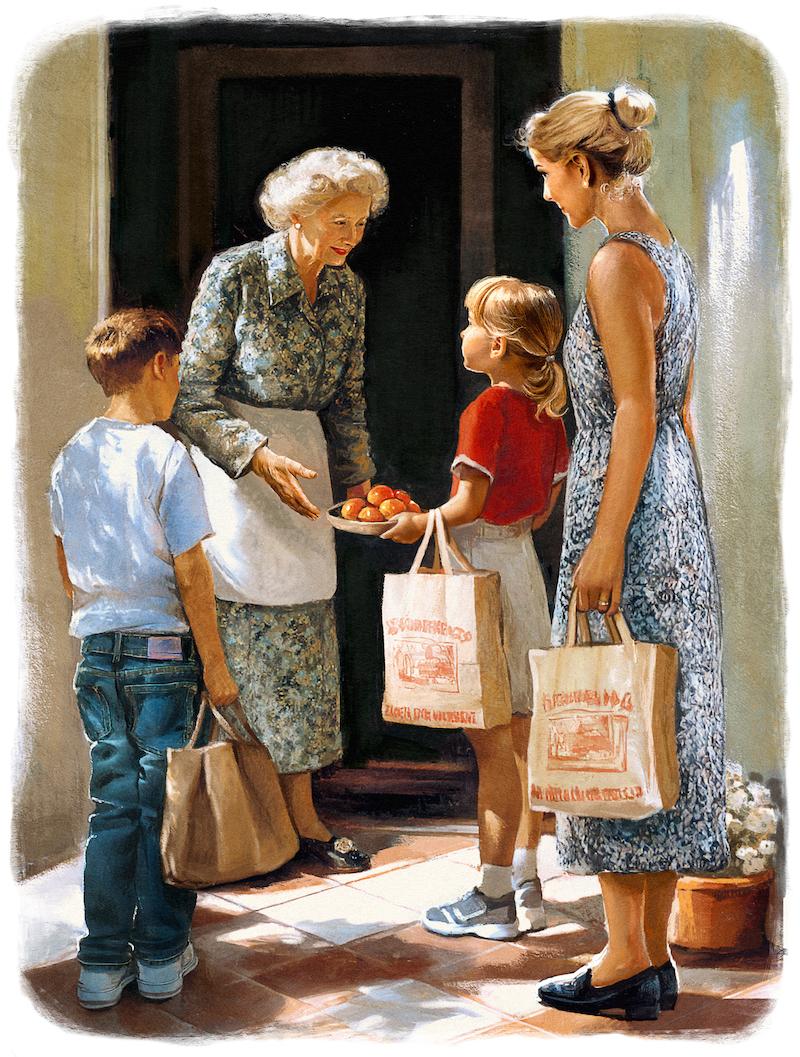
An awareness of others is key because children (and often adults) naturally tend to prioritize themselves and their own needs and desires. In his research, Emmons found three effective ways to help children think of others and their role as “benefactors” in the child’s life:
Distinguish Between Needs and Wants
On her website, The Thoughtful Parent, Amy Webb, who holds a doctorate in human development and family sciences, advises parents to explain to their children the difference between needs and wants. A nutritious dinner is a need, while another piece of cake is a want. Children very often struggle to see the distinction if this isn’t explained and reinforced.Practice Acts of Service Together
This suggestion combines elements from multiple previous ones. It models grateful behavior and also encourages children to think about the needs of others.When parents engage in even small acts of service alongside their children, they send a powerful message that it’s a priority to attend to others’ needs, rather than just expect the world to arrange itself around our own selfish interests. Whether it’s working at a food bank, donating to charity, or simply helping out an elderly neighbor, charitable works reinforce in kids’ minds the necessity of giving back. And in giving back, they realize how much they have received (especially if adults point this out to them). That’s the root of gratitude.
It can be tiring and discouraging, at times, for parents to try to instill gratitude in a child who seems determined to get his or her way. But this work is among the most important for parents. The use of strategies such as the ones outlined here will consistently, over time, enhance a child’s sense of gratitude, which is one of the greatest gifts parents can bestow. And, someday, their children will be grateful for it.