In 1904, St. Louis hosted the World’s Fair. Formally known as the Louisiana Purchase Exposition, St. Louis had completely redesigned approximately 1,200 acres of Forest Park to accompany nearly 1,500 buildings and 20 million visitors over a seven-month period. The fair, as indicated by its name, was a celebration of the 100th anniversary of the Louisiana Purchase.
Reuben Hale, a San Francisco merchant tycoon, believed his city was destined to be the next American city to host the world’s fair. The same year as the Louisiana Purchase Exposition, Hale, along with the San Francisco Merchant Associates, requested $5 million in federal funds to help build the future international exposition. The request was not unreasonable. It was the same amount St. Louis had received from Congress. The St. Louis World’s Fair was underwritten for $15 million—the other $10 million split evenly between the state government and private money.
Hale and his associates proposed a theme. Rather than reflecting on the past, as St. Louis had done, San Francisco’s theme would focus on the future: the Panama Canal. The entire proposition was an act of faith: faith that San Francisco could pull off such a massive undertaking and that the United States could complete the Herculean task in the next 10 years.
The Canal and the Earthquake
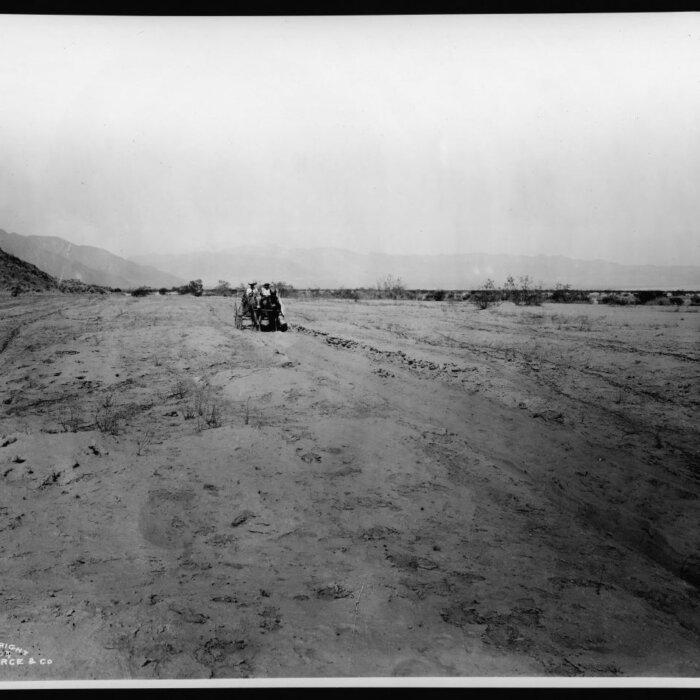
On Feb. 25, 1904, President Theodore Roosevelt signed the Hay-Bunau-Varilla Treaty between “the United States of America and the Republic of Panama … to insure the construction of a ship canal across the Isthmus of Panama to connect the Atlantic and Pacific oceans.” America paid France $40 million for the construction rights to the canal and some of the French company’s construction materiel, and $10 million to the Republic of Panama for the 120,000 acres that would become known as the Panama Canal Zone.Construction on the canal by the Americans did not begin in earnest until 1907. Hale’s proposition was indeed a proposition of faith. Congress, however, demurred on the $5 million.
On April 18, 1906, America suffered one its worst natural disasters when an earthquake hit San Francisco. The city, much in rubble, was destroyed further by the subsequent fire that engulfed it. Almost all of downtown—500 city blocks—was lost, along with many neighborhoods, leaving nearly half of the city’s population displaced.
The Long-Distance Pursuit
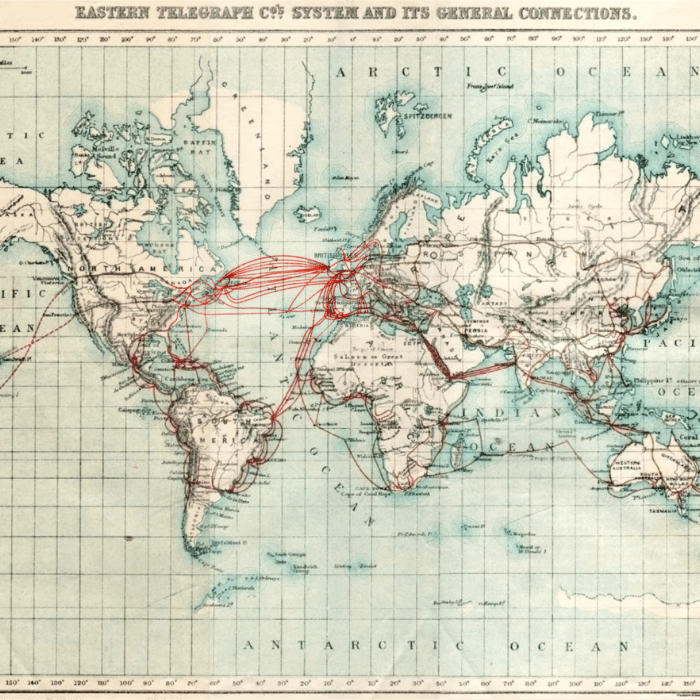
On the other side of the country, in New York City, a well-established company had its own lofty aspirations. The American Telephone & Telegraph Company (AT&T), which had been the long-distance subsidiary of Alexander Graham Bell’s Bell System, became the parent company in 1899. By this time, many of Bell System’s telephone patents had expired, leading to the creation of telephone businesses of all sizes. Because the Bell System was incorporated in Boston, and AT&T was incorporated in New York, a power struggle began between the cities’ executives. The New Yorkers, backed by financier, J.P. Morgan, won out. Now, it came down to finding someone to lead the company. A visionary was needed.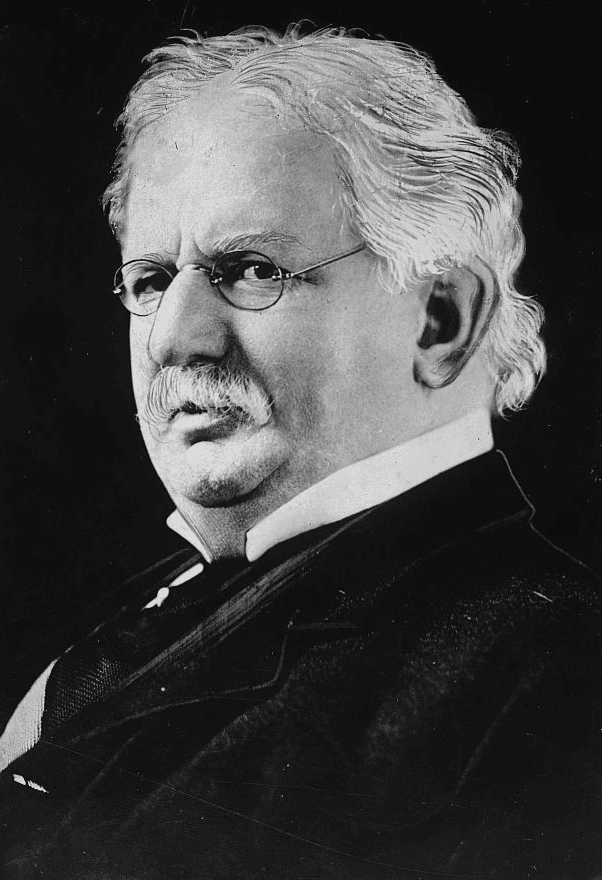
An Audacious Promise
In 1906, the year of San Francisco’s devastation and Vail’s tragedy, Lee de Forest experienced a breakthrough. Building off of the radio detection inventions of Thomas Edison and John Ambrose Fleming, he had developed what he called the “audion.” The audion had three elements within a vacuum tube: a filament, an electrode, and a control grid. The invention was capable of detecting or receiving coded or voice messages. Additionally, and more importantly for AT&T’s long distance goals, the audion could amplify signals.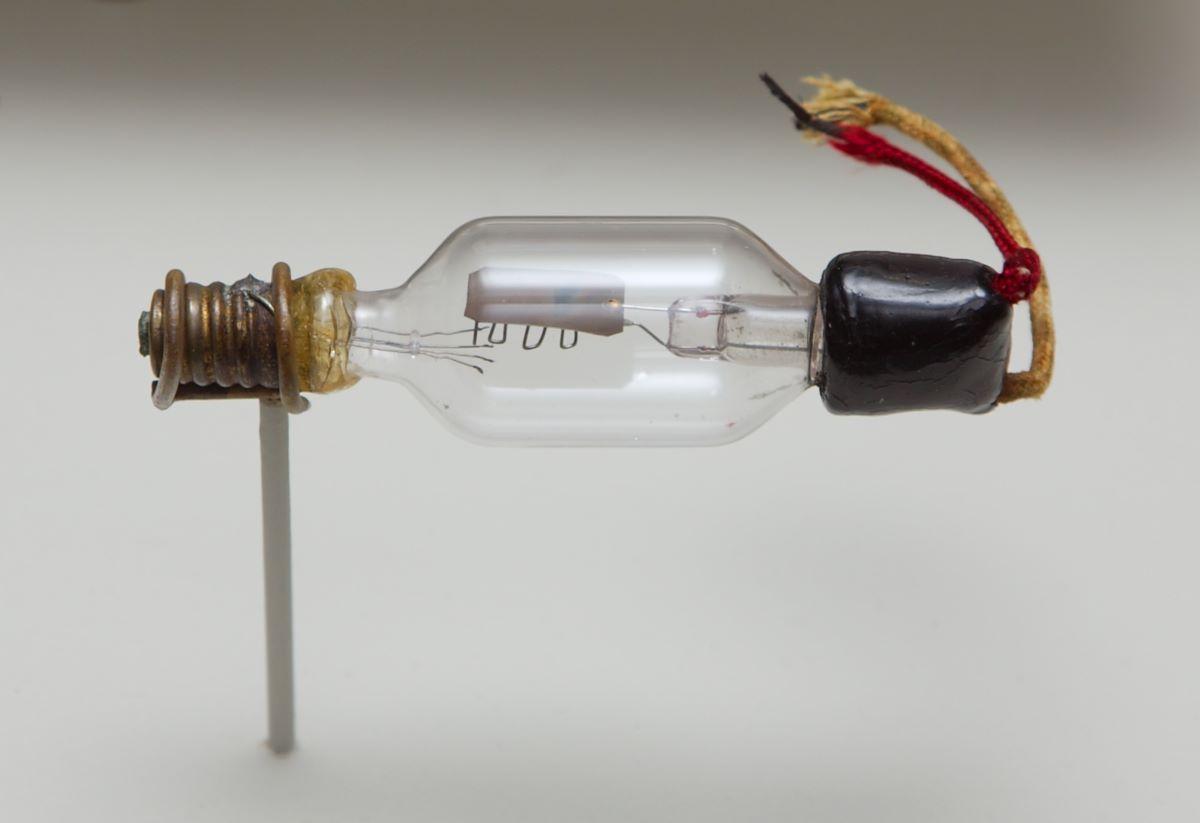
Vail believed de Forest’s invention was the future. Indeed, he was right. The audion became foundational for all future radio technologies. Despite the invention still being in its early stages, Vail’s faith in the audion was so strong that he told the PPEC that AT&T would complete the transcontinental telephone service from New York to San Francisco in time for the World’s Fair. He further promised that a demonstration would be performed at the fair.
Choosing San Francisco
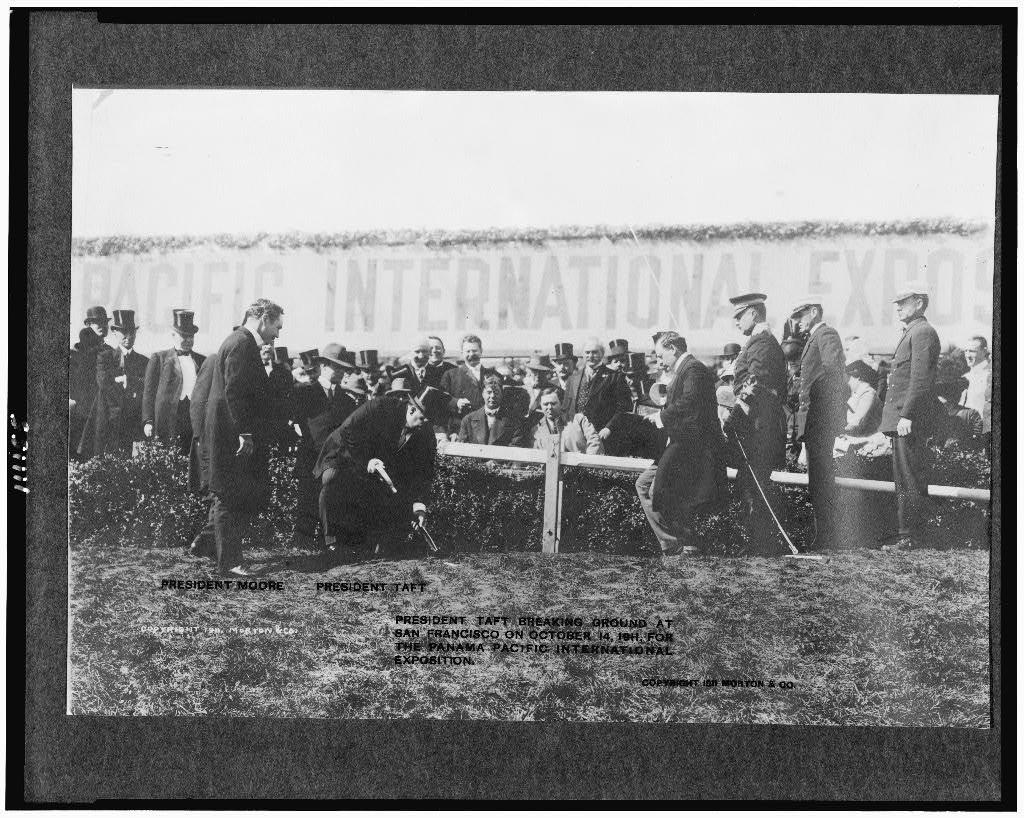
Arguably, one of the strongest reasons that Congress chose San Francisco to host the exposition was that it rescinded its request for federal funds. The City of San Francisco appropriated $5 million to fund the exposition, an amount matched by California’s legislature. More emphatically, on April 18, 1910, nearly a year before congressional arguments were made, and four years after the earthquake, the PPEC hosted a fundraiser, where more than $4 million was raised in less than two hours. The total amount of private funds donated ultimately reached approximately $7.5 million.On Oct. 14, 1911, President William Howard Taft stood before a crowd of San Franciscans. With a silver spade in hand, he dug it into the ground, turned the dirt, and thus commenced the groundbreaking for the Panama Pacific International Exposition.
The following year, de Forest’s audion was improved upon twice: first by de Forest himself, and then by Harold Arnold, an engineer in AT&T’s Western Electric Engineering Department. AT&T stretched its line across the continent in preparation for its transcontinental phone call. In 1913, the company purchased the patent rights to de Forest’s audion. On June 17, 1914, AT&T had completed the nearly 3,000-mile telephone wire connection. Now, it came down to testing it to ensure the signal was strong enough to reach from New York to San Francisco. The following month, with his voice receiving signal boosts in Pittsburgh, Omaha, and Salt Lake City, Vail’s phone call from New York came through clearly in San Francisco. Purposefully, this achievement was kept rather quiet. The big reveal was postponed to the opening of the Panama-Pacific International Exposition.
The Expo and the Call
Laborers, designers, architects, engineers, and artists had been hard at work turning a portion of the San Francisco Bay coastline into the “Jewel City”—given this name primarily for the ornate 435-foot tall Tower of Jewels that was the centerpiece of the Exposition. The effort to build the 600-acre Panama-Pacific International Exposition required the purchase of over 75 city blocks, demolition of hundreds of buildings and structures, filling in marshland, and convincing the U.S. Army to allow the PPEC to build on the Presidio and Fort Mason.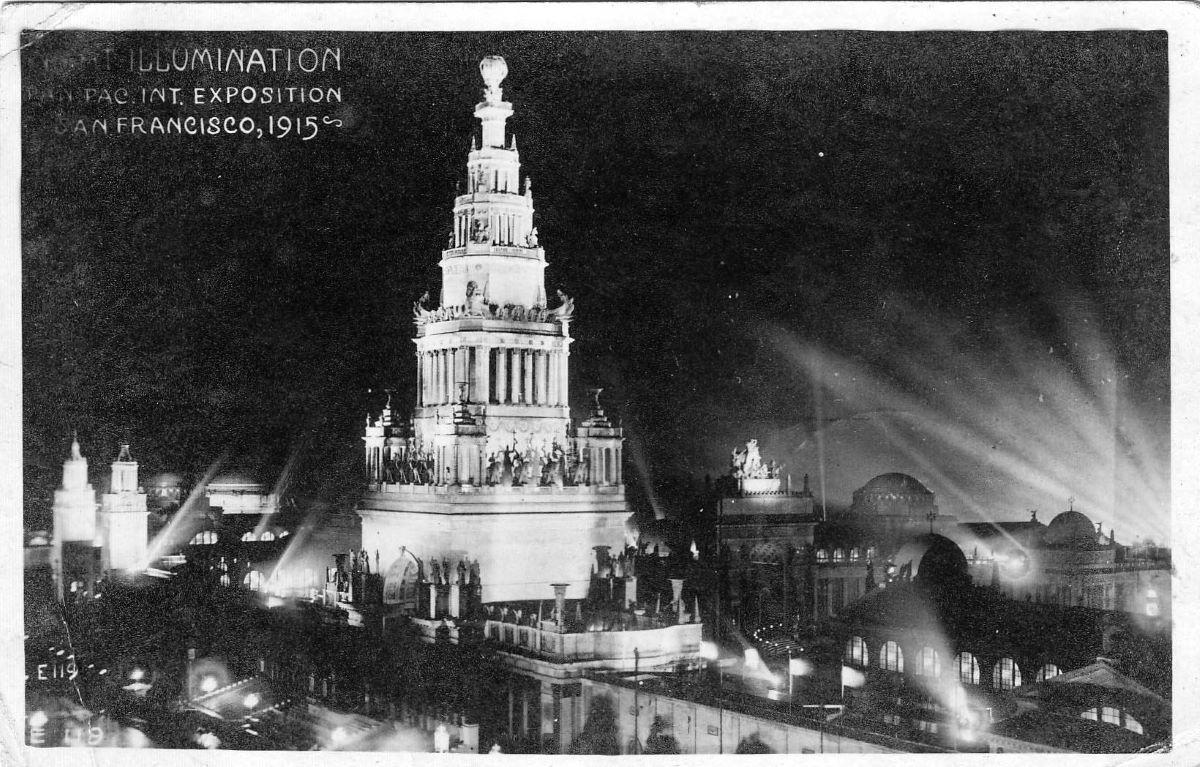
The structures built for the 1915 World’s Fair were made in the Beaux Arts design, which included 11 large exhibit halls (the Machinery Hall encompassed eight acres), exquisite pavilions, beautiful courtyards, a racetrack, an airfield (the world was still witnessing the dawn of aeronautics), and a stadium. Twenty-nine states had their own pavilions. Despite the outbreak of World War I, 31 nations were represented at the exposition. The Panama-Pacific International Exposition ran from February to December 1915 and witnessed nearly 19 million visitors.
A few weeks before the Feb. 20 opening day ceremony, AT&T prepared for its much anticipated and publicized long-distance demonstration. It was during this week in history, on Jan. 25, 1915, that Alexander Graham Bell made what is celebrated as the first transcontinental phone call (despite the July 1914 call). On the receiving end of the phone call was Thomas Watson, who had been on the receiving end of history’s first successful phone call in 1876. Aside from the many reporters in New York and San Francisco in attendance, there were two other parties listening in. President Woodrow Wilson was listening from the White House, and on Jekyll Island in Georgia, Theodore Vail, who was recuperating from a leg injury, was also listening.
It was apparent that the de Forest invention worked marvelously, as Bell proclaimed to Watson, “It is as clear as if you were here in New York.”
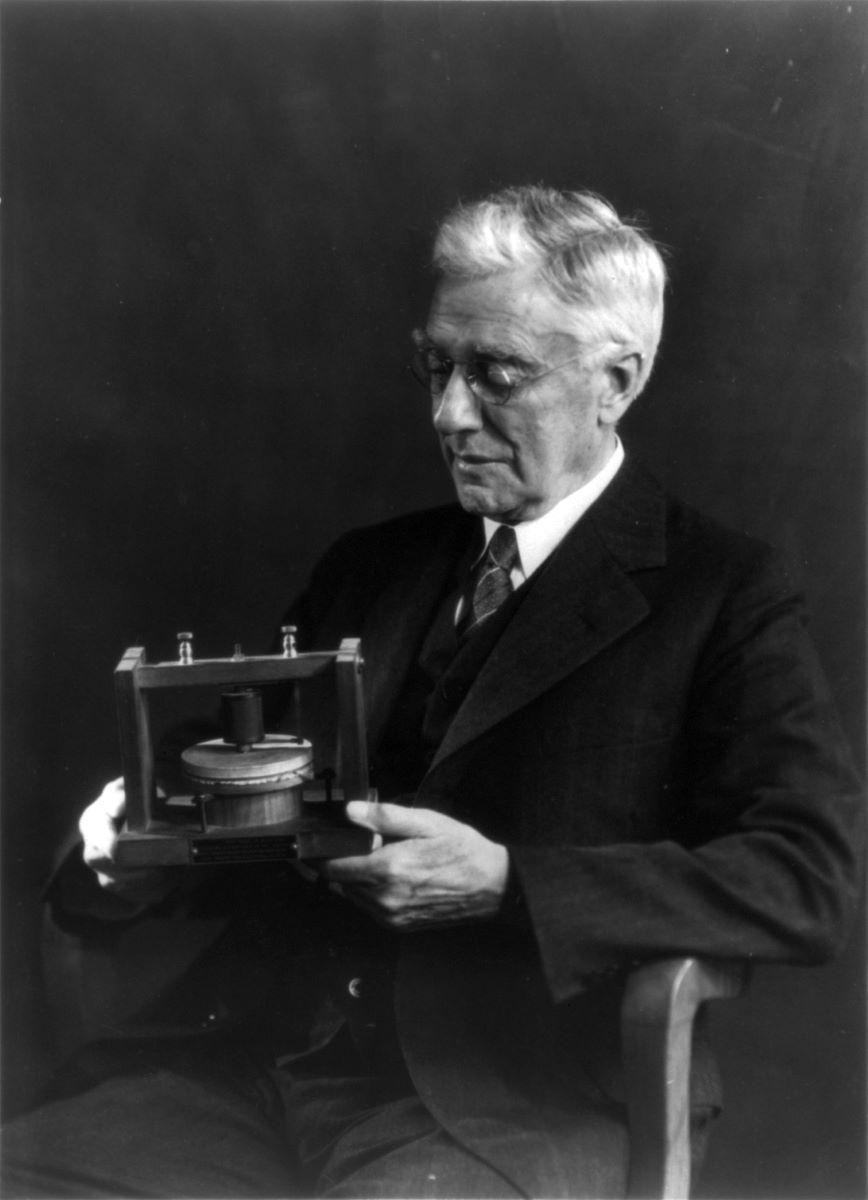
The faith of Hale, Vail, and many others had paid off. The growth and innovation of telephone communications, the heart and determination of San Franciscans, and the belief in American ingenuity and work ethic to complete the Panama Canal all seemed to converge in this historic telephone call.