Children can act rashly and imprudently because they haven’t learned the importance of forethought and patience. They can squander gifts or rush through a task in a careless manner, believing it to be the best, most fulfilling way.
An Inheritance
An extremely wealthy merchant dies and leaves his son all of his wealth. The son is caught up in the pleasure of his rich gift, and squanders it. He’s left with nothing but his old dressing gown, slippers, and a few pennies.The young man also loses all his friends, since “they [can] no longer walk abroad with him.” One friend, more kindhearted than the others, gives the young man a trunk as a final parting gift.
The young man is unsure what to do with a trunk, especially since he has nothing to put in it. So, with nothing else, the young man puts himself inside the trunk.
Yet this trunk proves to be extraordinary. When he gets in and closes the lock, the trunk flies. It lifts him up and carries him far, far away.
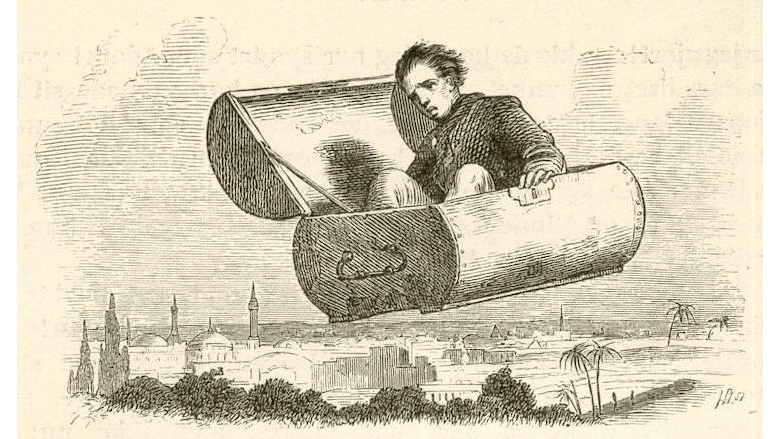
When it lands, the young man climbs out and discovers that he has landed in Turkey. He hides his trunk in the woods under a pile of leaves and heads for the nearby town to find out more about the surrounding area.
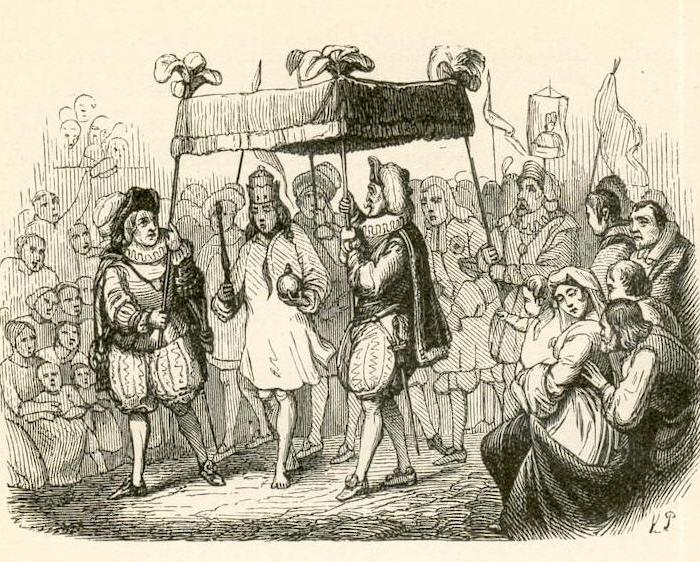
He soon meets a woman and asks her about the castle and its tall tower that looms over the town. The woman informs him that the tower holds a princess. She says, “It has been prophesied of [the princess] that she shall be made very unhappy by a lover, and therefore no one may visit her, except when the King and Queen are with her.”
In a Flash
Having won the princess’s love, the young man sets out to win her parents’ approval. He meets them for tea and tells a story.The young man tells of a pair of matchsticks that thought themselves far better and more worthy than all the other objects in the kitchen. However, after boasting of their superiority, the matches are lit and burnt to a crisp. Such a moral and humorous tale delights the king and queen and they accept the young man as their future son-in-law.
Overjoyed at his royal prospect, the young man decides to set off fireworks as he flies in his trunk. However, upon landing, he finds his rash celebration may not have paid off.
Through this tale, children can understand that careless and imprudent actions don’t always have the desired effect. Though such actions may produce temporary enjoyment, the enjoyment doesn’t last and, like the boastful matches, dies in a flash.