When comic actress Gracie Allen announced her retirement in 1958, her prominence was so strong that Life Magazine ran the news as a cover story. But while Allen was a beloved celebrity for decades, most people only knew her from her stage persona.
She was known as an endearingly ditzy woman who offered a unique brand of illogical thinking. Allen rarely let the public see her real personality, which was the opposite of the character she created.
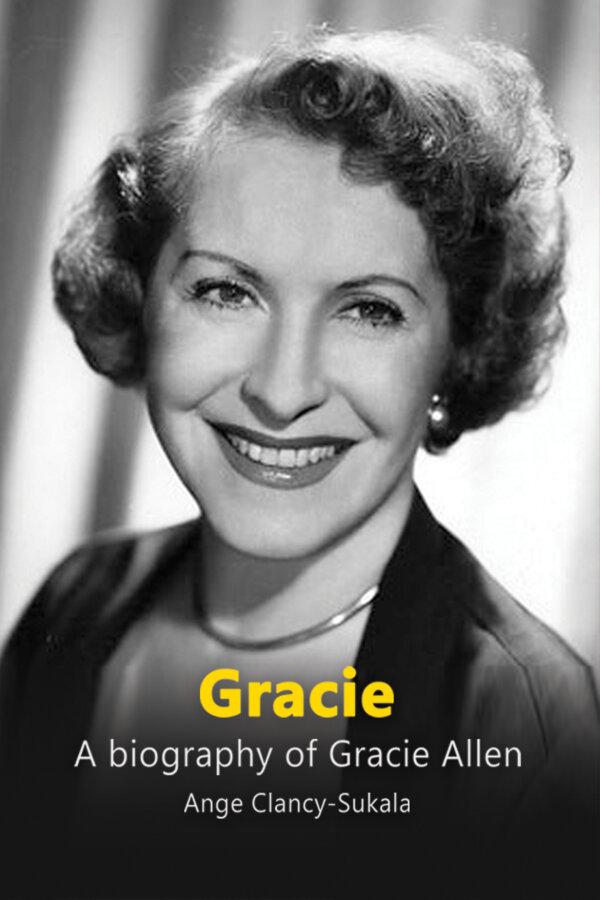
Allen was celebrated in biographical tributes written by her husband and comedy partner George Burns: “I Love Her, That’s Why!” (1955) and “Gracie: A Love Story” (1988). Those books glossed over the less pleasant aspects of Allen’s life. Ange Clancy-Sukala’s wonderful new biography on Allen offers an honest appreciation of the beloved star.
Vaudeville
Allen first gained notice in vaudeville partnering with comic Benny Ryan before she met Burns. He had already gone through several unsuccessful acts and one marriage. They teamed up in a “boy/girl talking act.” Initially, Burns was the funnyman and Allen fed him straight line set-ups for his jokes.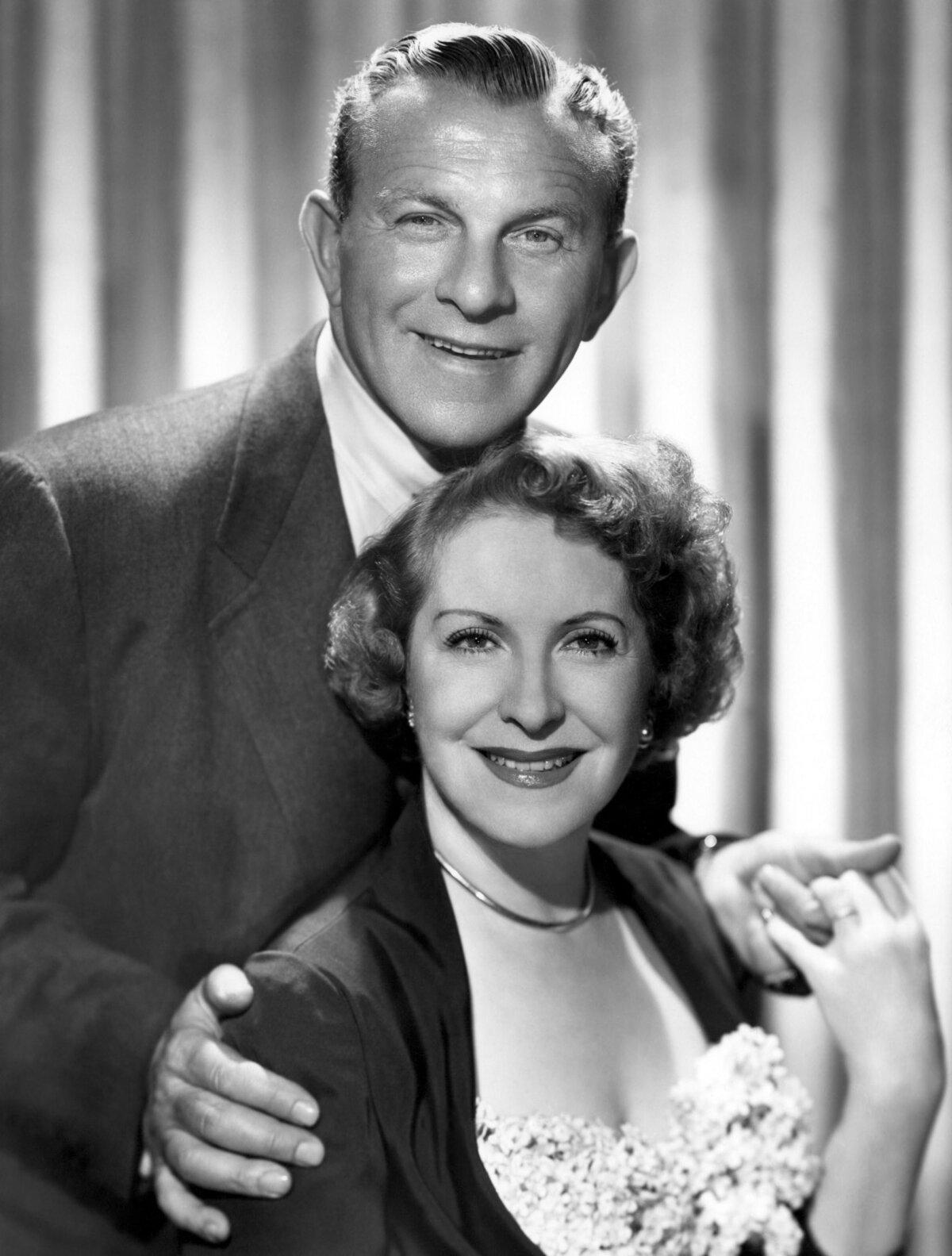
The petite Allen charmed audiences with her high-pitched voice and exaggerated naiveté, generating bigger laughs with her straight lines than Burns did with his jokes. They switched roles and Allen became an audience favorite with her zany observations on whatever subjects the mock-exasperated Burns raised.
The duo’s popularity grew rapidly. No less a figure than notorious gangster Al Capone was a fan, inviting them to his Chicago mansion for dinner.

However, the book notes how Allen was in love with both Ryan and Burns. Both men loved her, but Burns feared their act would be over if she married Ryan. Having enjoyed more professional success with Burns, Allen broke her ties to Ryan and married Burns in 1926.
Clancy-Sukala points out that Burns and Allen’s career progressed with a few false starts. Their first film, the one-reel talkie comedy for Warner Bros. called “Lambchops” (1929), displeased the studio’s executives, who canceled plans for more films.
Back to Television
Upset by the rejection, she didn’t want to try the medium again, but Burns convinced her to appear on Eddie Cantor’s radio show. That appearance was very well received, and shortly afterwards CBS signed them for their own series.Burns had no problems convincing CBS to back a television series for the couple in 1950, but he required considerable negotiating with Allen. Unlike radio, where she could read her lines from a script with relatively minimal preparation, Allen would need to memorize a 40-page script. She also had to put in a six-day work week with costume fittings and rehearsals for a season’s worth of 40 television episodes.
She reluctantly agreed to the strenuous television schedule, but she began to experience health issues into the show’s eight-season run. Her health continued to fray after her retirement. Allen died from a heart attack in 1964.
While Allen’s carefree comedy persona gave the impression that she didn’t have a worry in the world, the real Allen had many problems. She was painfully insecure about her appearance, particularly her eyes, which were two different colors, one blue and one green. She always felt she didn’t photograph well.
A childhood accident that involved scalding water falling on her left arm and shoulder resulted in scars that never diminished. Allen hid them always wearing long sleeves. Allen also suffered from migraine headaches for most of her adult life.
As she told a reporter, “The on-stage ‘Gracie’ may look poised, but the real Gracie is shy, a little self-conscious, and, before every performance of my life, panicky.”
The book also details the rockier aspects of Allen’s home life. These included her discovery of Burns’s cheating with other women (which she quietly forgave), and her sometimes difficult relationships with the couple’s two adopted children.
Long-forgotten aspects to Allen’s career might amaze people, such as her spoof of the 1940 presidential election. Allen conducted a comedy campaign across the country as the candidate of the Surprise Party. Her slogan was “Down With Common Sense. Vote For Gracie.” A greatly amused First Lady Eleanor Roosevelt invited Allen to the White House and asked, “How’s the future president?”
“Gracie” is a perfect tribute to one of the funniest women in comedy history. For those who are not familiar with Allen’s work, this is a grand introduction that should leverage further exploration of her hilarious output.