Few musicians are so closely identified with both their music and their nation as Glenn Miller.
Moving on Up
Born Alton Glenn Miller on March 1, 1904, in Clarinda, Iowa, Miller spent portions of his youth in Nebraska and Colorado. As a teenager, he grew fascinated with the trombone and devoted countless hours to mastering the instrument. The road to success was neither quick nor glamorous. Miller worked as a sideman, arranger, and trombonist in a succession of bands, learning the music business from the inside long before audiences knew his name.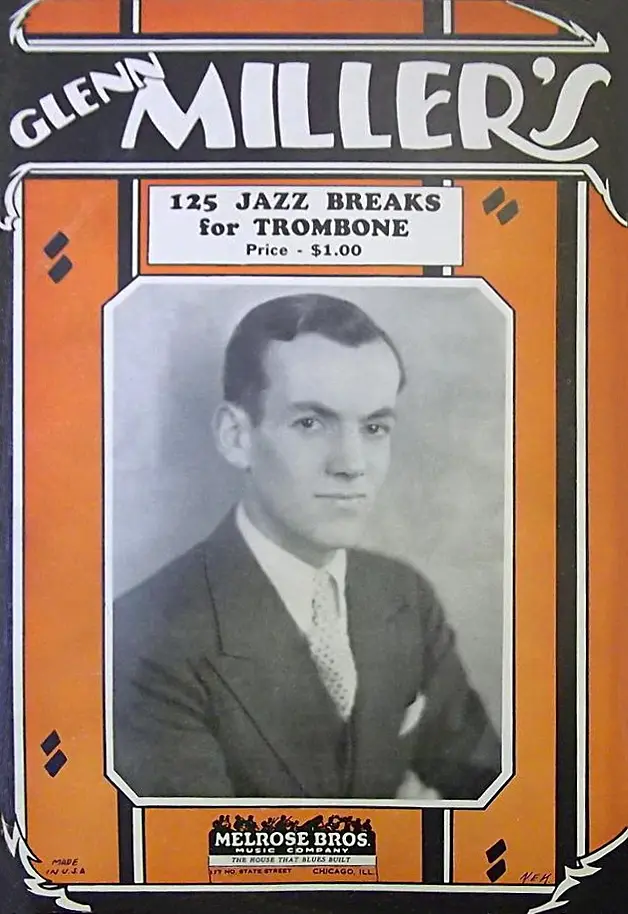
Chiseling out an identify in music was demanding. Throughout much of the 1930s, Miller struggled to establish himself as a bandleader. Then, he developed a signature sound built around a clarinet carrying the melody above a section of saxophones. The result was a sound audiences could identify within a few notes.
A significant step in Miller’s ascent came in April 1935, when he fronted a recording session for Columbia. The date produced “Moonlight on the Ganges” and “A Blues Serenade,” performed by a distinctive ensemble of six horns, a rhythm section, and a string quartet. By 1939, the Glenn Miller Orchestra had become one of the most successful musical acts in America.
As Miller’s records climbed the charts, headlines from Europe grew darker, and the world beyond American dance halls seemed increasingly unstable. When the United States entered WWII, Miller was at the height of his stardom. His orchestra sold records, filled dance halls, and dominated radio broadcasts. He could easily have remained a civilian entertainer throughout the conflict.
Patriotic Priorities
Believing he could contribute more directly to the war effort, Miller tried to sign up. Initially turned away because of his age and concerns with credential qualification, he persisted until he received a commission in the U.S. Army. Miller was eventually promoted to major in the Army Air Forces. He also set out to modernize military music and make it more appealing to younger servicemen.
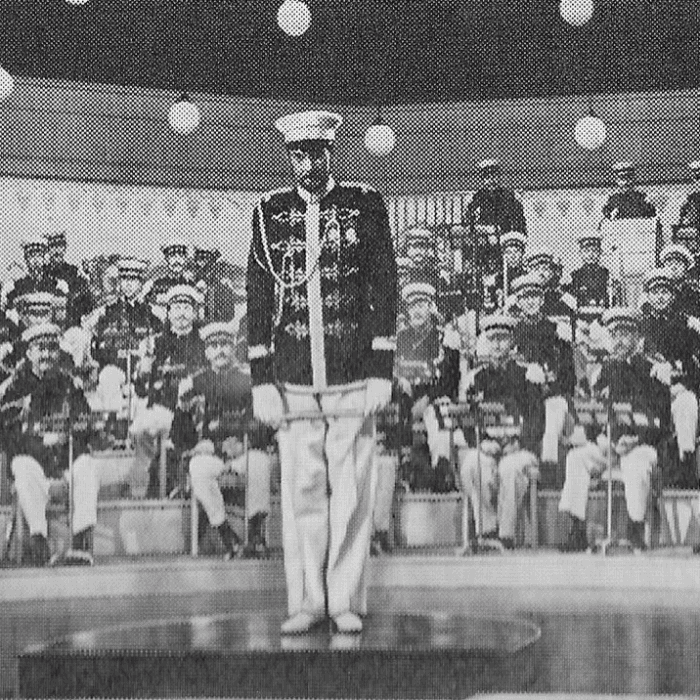
Miller saw music as far more than entertainment. He believed it could strengthen morale, foster unity, and comfort men and women serving far from home. Under his leadership, the Army Air Force Band blended military precision with the popular swing rhythms that soldiers already loved. The organization performed at bases, hospitals, airfields, and military installations throughout the United States. Later, they expanded into Europe.
The impact was immediate and widespread. Broadcasts reached millions of listeners, and servicemen frequently wrote letters describing how the music reminded them of home. Military leaders recognized the value of Miller’s efforts. Gen. James Doolittle later praised Miller’s organization as one of the most effective morale-building forces available to American troops, second only to mail from home.
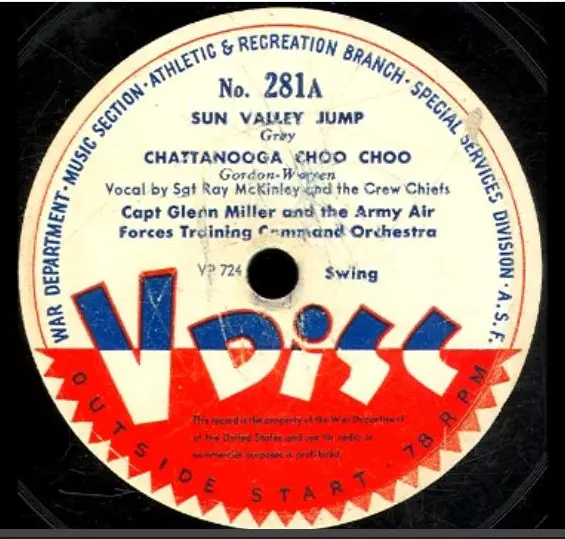
By 1944, Miller had transferred to England, where he organized and directed the American Band of the Allied Expeditionary Forces. The group entertained Allied personnel throughout Britain and prepared to support troops on the European continent following the liberation of France. Those who worked with Miller often described him as disciplined, driven, and deeply committed to the war effort. He was no longer simply a celebrated musician; he was a military officer carrying out a mission he believed mattered.
The Loss of a Legend
On Dec. 15, 1944, Miller boarded a single-engine Noorduyn Norseman aircraft at RAF Twinwood Farm near Bedford, England. He was traveling to Paris to make arrangements for upcoming performances and broadcasts intended for Allied troops. No members of his band were with him on the plane. Conditions over the English Channel were poor, with freezing temperatures and unfavorable weather. The aircraft never arrived.No distress call was received. No confirmed wreckage was recovered. Miller and the two other men aboard vanished without a trace.
Over the decades, numerous theories have emerged. Some have suggested mechanical failure. Others pointed to severe icing conditions that may have affected the aircraft. One widely publicized theory proposed that bombs jettisoned by returning Royal Air Force aircraft accidentally struck the Norseman. Despite continued interest, no conclusive evidence has emerged to prove any single explanation.
Most aviation historians continue to regard adverse winter weather and icing as the most likely cause of the disappearance, although the absence of wreckage means the mystery has never been solved.
What’s beyond dispute is the purpose of Miller’s final journey. He wasn’t traveling as a celebrity pursuing commercial success. He was traveling as a major in the Army Air Forces, working to bring music, encouragement, and a sense of home to American troops serving in a distant war.
His disappearance shocked the nation. Newspapers carried the story of the missing famous band man across the country, and millions mourned the loss of a musician whose recordings had become part of the American soundtrack. Yet the bands he organized continued their work, and the music he championed remained a source of comfort and inspiration until the war’s end.
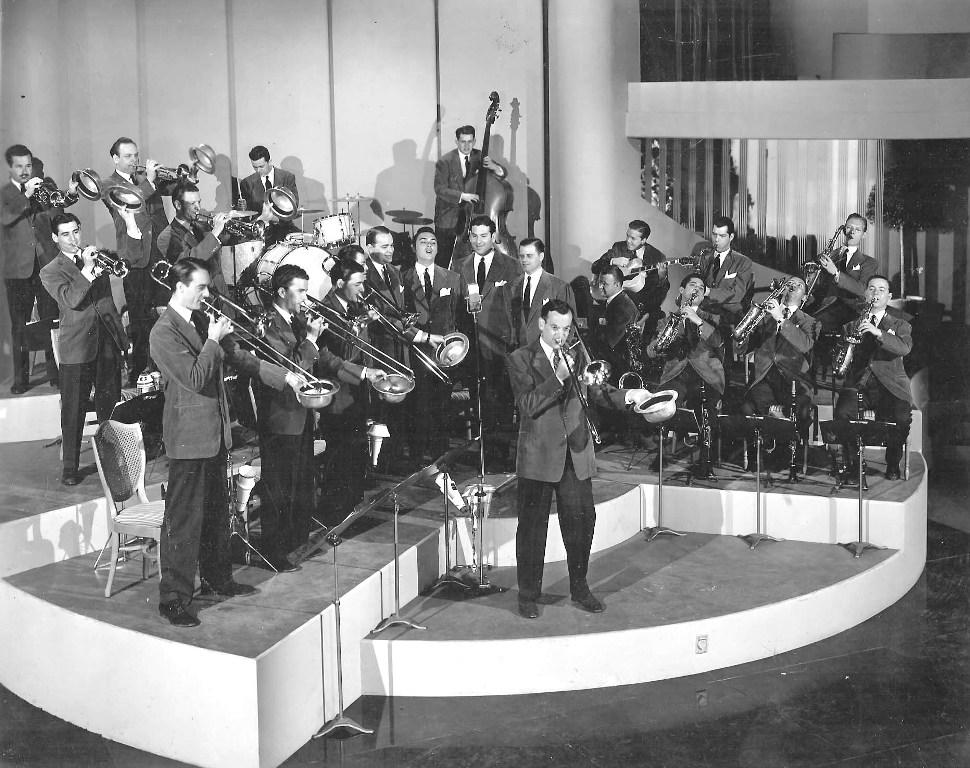
Today, Glenn Miller occupies a unique place in American memory. He is remembered not only as one of the greatest bandleaders of the 20th century but also as a patriot who placed duty above fame. His recordings remain instantly recognizable, carrying listeners back to an era when swing music poured from radios, dance halls, and military recreation centers across the world.
Perhaps that is why Miller’s story continues to resonate. His life demonstrated that talent and patriotism need not exist separately. Indeed, he used one in service of the other. More than 80 years after his disappearance, Glenn Miller remains a symbol of both American musical excellence and devotion to country.