Time sure flies when you aren’t looking. I started writing a weekly newspaper column on landscaping, gardening, and wildlife 35 years ago this week. I think I have helped a lot of people with their problems. How can I help you?
Fertilize the bed area they are growing in with a fertilizer that has a high middle number. This will encourage a larger bulb to grow this season. After frost has killed the top of the plant, dig them up and store them in a dry place over the winter. Plant them next year, and hopefully they will be big enough to bloom. Or, next year, spend a little more money on the larger bulbs in the first place.
Follow the package recommendations for the proper planting depth and location. If you plant them too deep, they will have a harder time getting to the surface. They may spend so much energy getting through the soil that the bulb will not have the energy left to let the flower buds grow.
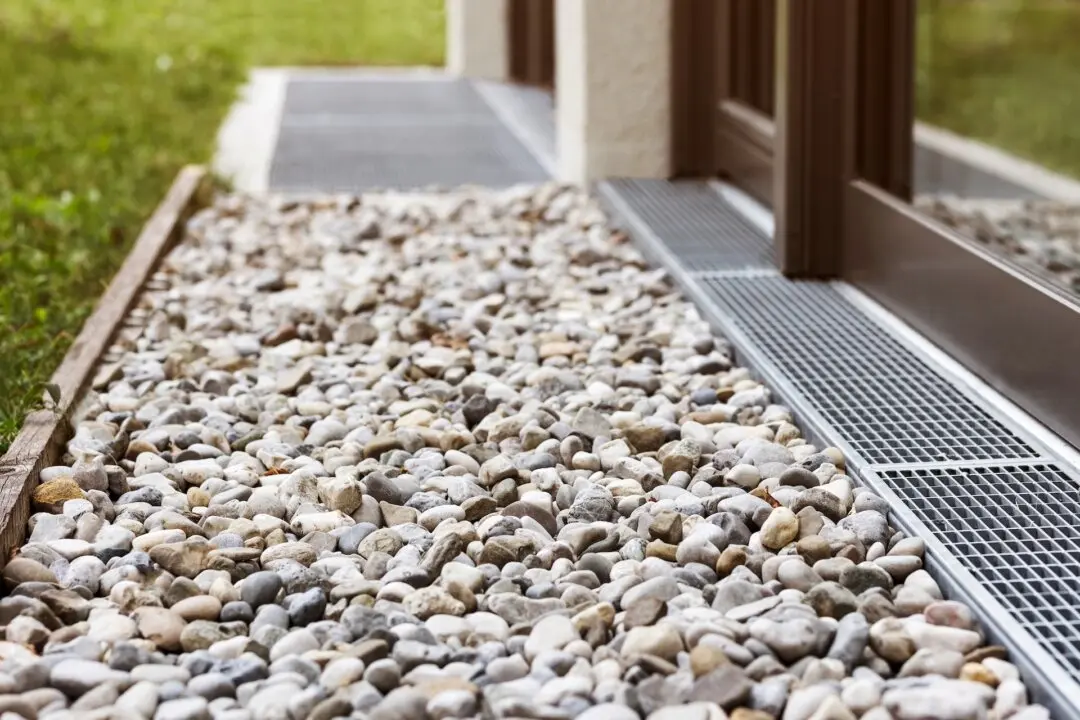
If the plants are sun lovers, like most summer bulbs are, they will do worse in the shade. Even though most bulb-type plants have a dormant flower bud in them, they will not bloom well if the plant does not get enough sunlight. Bad drainage will also cause roots to rot, or even kill the bulb itself. Weaker bulbs do not bloom well.
Insect and disease problems can weaken the plant enough that not only does it not flower well this year, but also, the bulb becomes smaller by the end of the season.
Not all seeds that were planted this year or that come from the plant next year will sprout the year they were planted. Some will be in their leafy first season next year. They will be the ones to bloom the following year.
If the plant that was supposed to bloom this year is removed or damaged, it may not bloom. Hollyhocks bloom on the ends of the new growth, so pruning the ends of the branches removes flower buds.
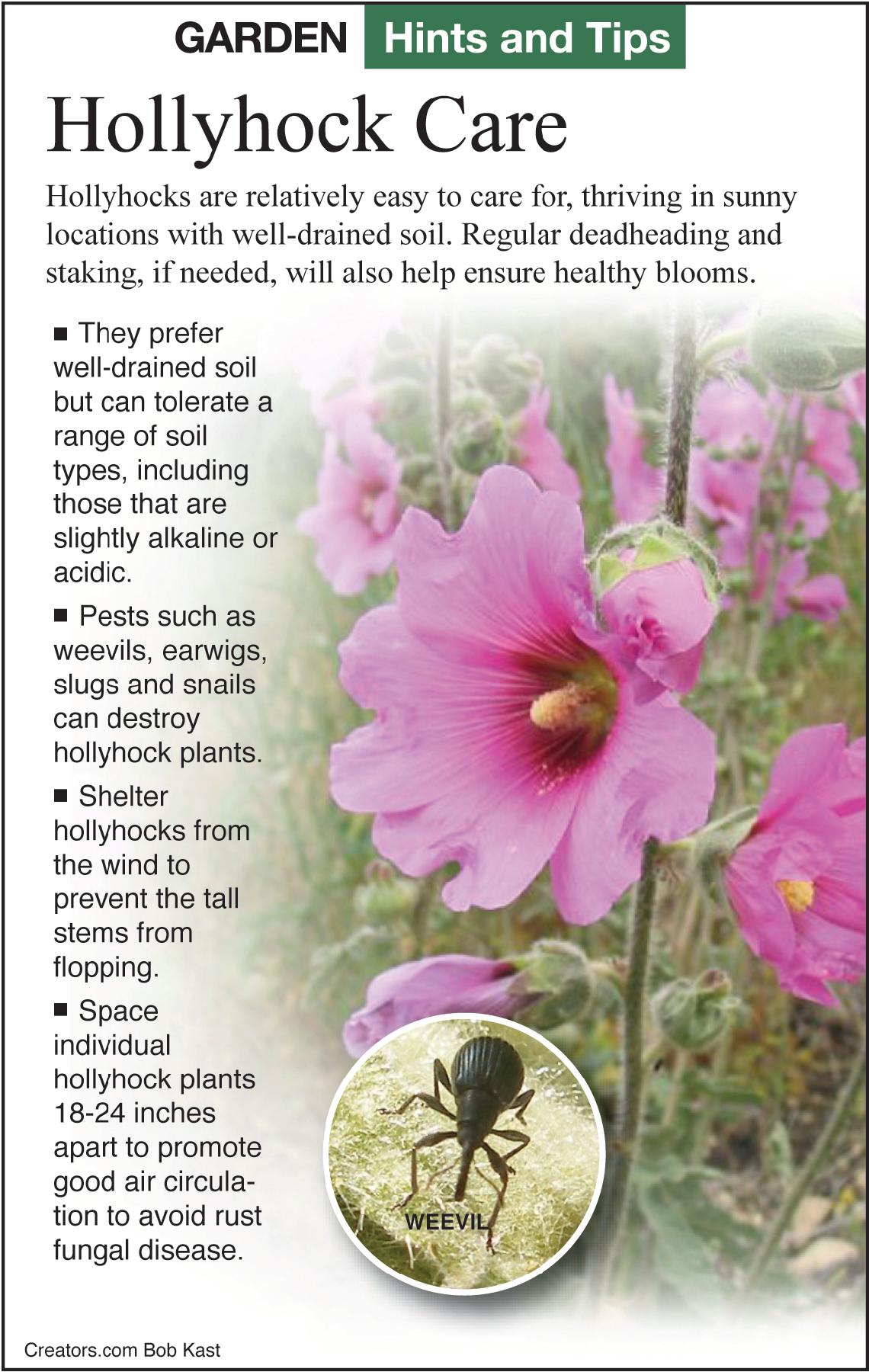
Proper growing conditions for hollyhocks include several things that may limit flowering if not to the plant’s liking. They need lots of sunlight and plenty of water when young and then drier conditions as the summer goes on. They also need a balanced fertilizer that is not high in nitrogen; too much nitrogen promotes leaves at the expense of flowers. Hollyhock weevils, earwigs, slugs, and snails can all damage or destroy flower buds, so keep an eye out for them.
Lettuce, carrots, and cabbage plants are also biennials that produce a leafy stage the first year and a flowering stalk the second year. They are usually harvested before they make it to the second year.