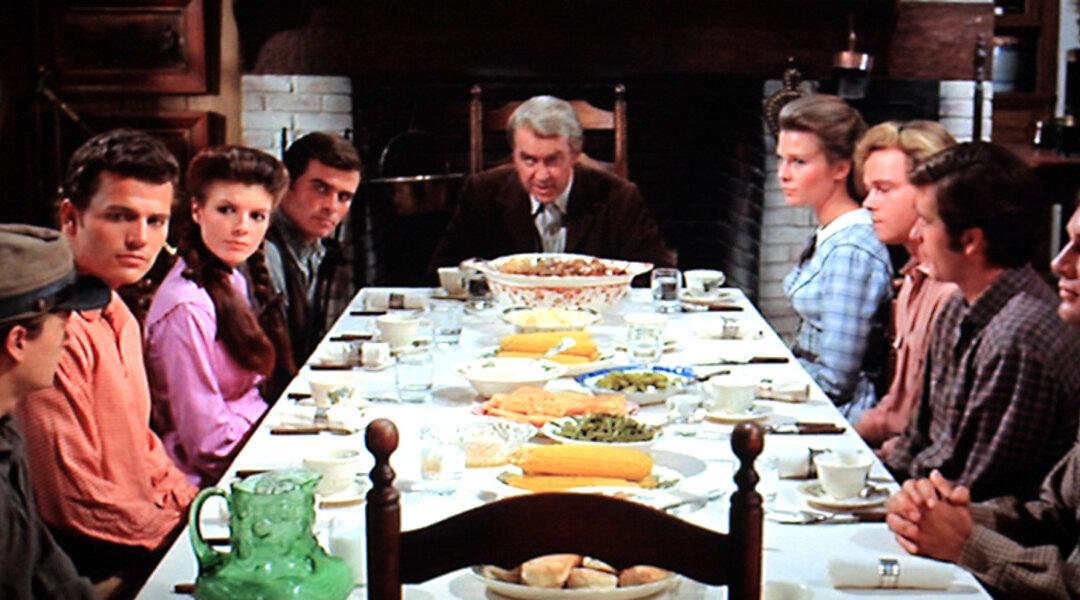
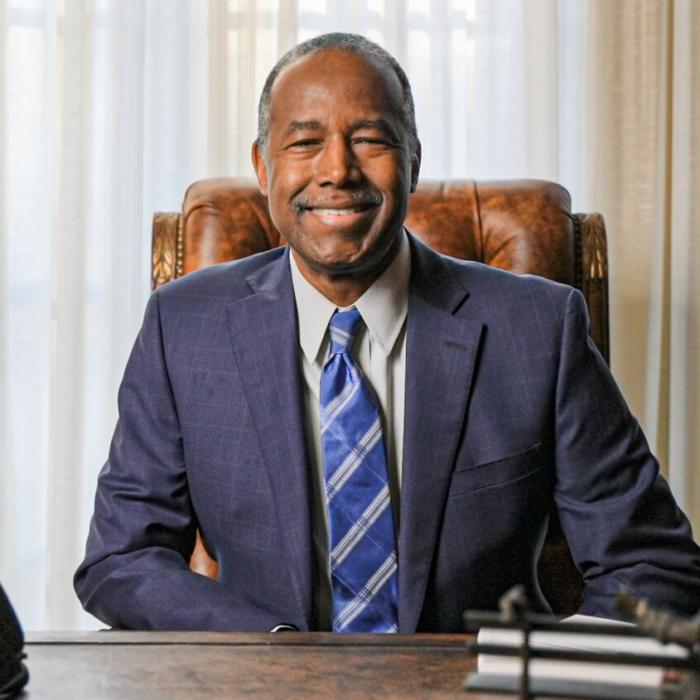
Fetal surgery expert Dr. Ben Carson’s 1990 autobiography “Gifted Hands” inspired the 2009 eponymous biopic, “Gifted Hands: The Ben Carson Story.”
The Biopic
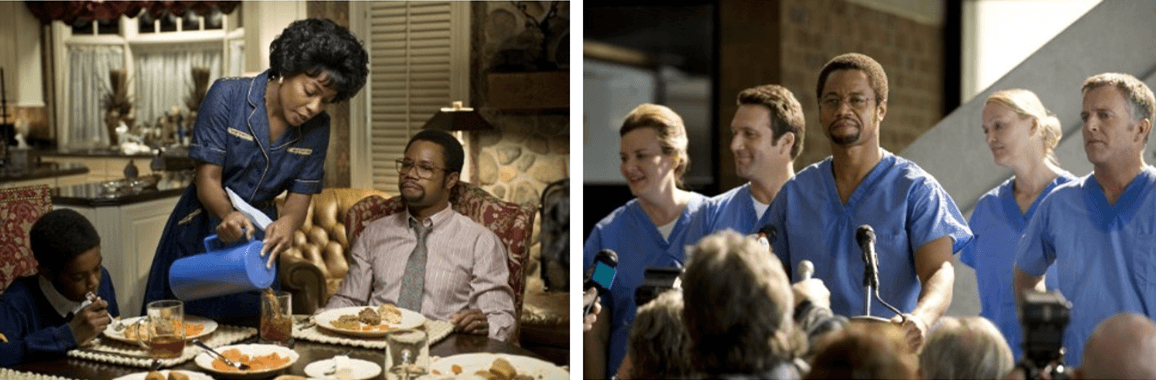
In the film, pre-teen Ben Carson (Jaishon Fisher, then Gus Hoffman) and his older brother, Curtis (Tajh Bellow, then Gregory Dockery II), are brought up by their illiterate, single mother, Sonya (Kimberly Elise), in 1960s Michigan. Forced to leave her unfaithful, drug-dealing husband, she transforms her slacking schoolboys into fine men by instilling in them a love of reading and learning.Through grind and grit, the adult Ben (Cuba Gooding Jr.), supported by his wife, Candy (Aujanue Ellis), becomes a respected pediatric neurosurgeon at Johns Hopkins Hospital. Cut to the 1980s: Ben’s performing rare, risky surgeries, saving babies from fetal or congenital complications.
A Doctor’s Humility
What is Ben’s notion of humility? First, it’s believing that all life’s a blessing. During competitive interviews to get into Johns Hopkins, Ben speaks of reverence for the “miracle” that the human brain is.Second, it’s accepting that even the most accomplished human has the humblest origin as a vulnerable baby, who once owed his or her every new second alive to someone else’s whim. Had someone not nurtured that baby, he or she wouldn’t have become anyone of note.
Third, it’s trusting that independence thrives only by embracing interdependence. Freedom flourishes only amid responsibility.
Sonya could’ve lazily, indulgently let her son rot, claiming she was too depressed and too deprived to parent. Nevertheless, she valued the single human life and its power to transform; over decades, Ben’s surgeries saved countless lives.
Abortionists believe unborn babies may be killed because they aren’t fully independent. Twisted logic can justify anything, even the killing of aged or sick elders who aren’t fully independent anymore and don’t know what’s good for them. What an impoverished, clinical view of what it means to be alive.
Sonya knew the adolescent Ben was strong enough and big enough to physically intimidate her, as he unwittingly does in one scene. However, he wasn’t mature enough to know what’s good for him. She had to guide him.
This wasn’t because she owned him, as she might have a piece of property, but because she didn’t; he was gifted to her. It wasn’t her choice to make. That choice—of doing the loving thing—was already made for her the minute he was conceived.

Sonya recognizes that, no matter what she did before or after conceiving, conception itself isn’t her doing; not the what of it, the where of it, the how, the when, or the why. At most, she’s a custodian of something sacred: her body and what she does with it, including whom it conceives.
Misfortune
Is misfortune an excuse to stop being generous and grateful? When Candy miscarries twins, Ben’s horrified. He stays up with her all night. Instead of dwelling on their private grief, she nudges him back into surgery the next morning to pull off a rare procedure which will save a baby girl. Candy and Ben demonstrate how loss reminds us not to wallow in self-pity but to reach out in empathy to others, to prevent similar suffering or to help them cope with it.One scene shows conjoined twins in a cradle, gulping milk from two feeding bottles. Ben’s quietly considering high-risk surgery to separate them. The mother nearby tells him of fears she weathered mid-pregnancy: “I wanted to kill myself when I learned the truth. But I realized I would be killing two other beings, too. And then, as soon as I saw them my heart melted.” How different from the sightless, self-absorbed slogan, “My body, my choice.”
Imbued with faith in God, Sonya’s fond of telling Ben to “see beyond what you can see.” It’s how he learns to see a way out where other doctors see none; life, where they see only certain death.
Fathers
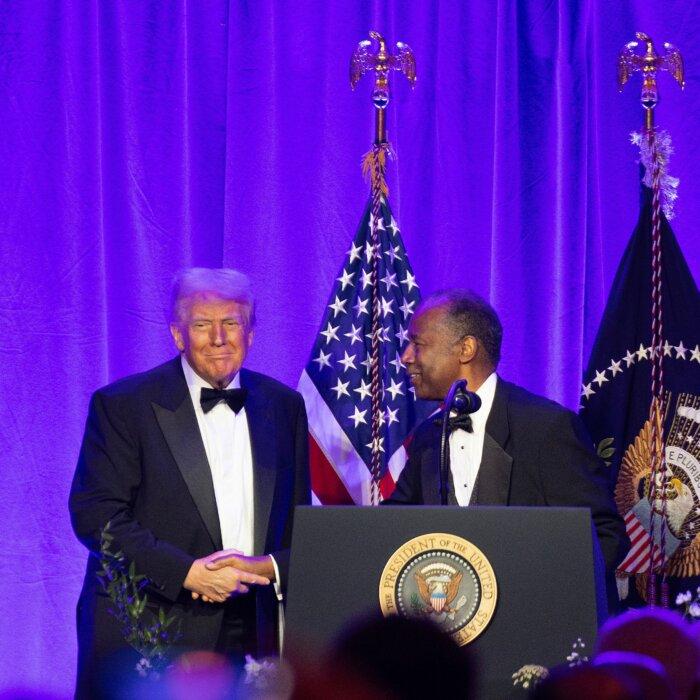
Activists argue, how dare a man pronounce judgment on women’s reproductive issues? Do fathers, as men, have a right to opinions on abortion? After all, they’re not conceiving or carrying babies during pregnancy.In interviews, Carson explains. The 23-chromosome female gamete can’t by itself form a human; the 23-chromosome male gamete can’t either. However, at conception, they together form something that didn’t exist before, something new: a 46-chromosome human.
It’s probably inappropriate to speak of rights here, but yes, men have as much of a sacred duty as women do to weigh in against abortion.
They acknowledged that slaves may be childlike in being voiceless and defenseless. Nevertheless, they’re distinct beings, due every dignity that’s due other humans. And no, they’re not the property of slave-owners.