Don’t shrug off the Sturgeon Moon.
Every once in a while, headlines buzz about epic-sounding lunations coming soon: the Hunter’s Moon, the Thunder Moon, the Strawberry Moon. They sometimes loom low and glow rusty orange, like the Harvest Moon, but seldom do they live up to the hype. But this August full moon—traditionally called the Sturgeon Moon—will appear anything but ordinary.
Though it won’t sport fins, gills, or silvery scales, it will take on a rare dark-reddish hue. Just minutes before the Sturgeon Moon peaks on Aug. 28 it will coincide with a deep partial lunar eclipse, transforming the night sky.
The Sturgeon Moon will hit technical fullness just after midnight, at 12:19 a.m. Eastern Time. Because this peak positions it high in the sky over North America, observers across the continent will get a front-row seat to a sky of crimson moonlight.
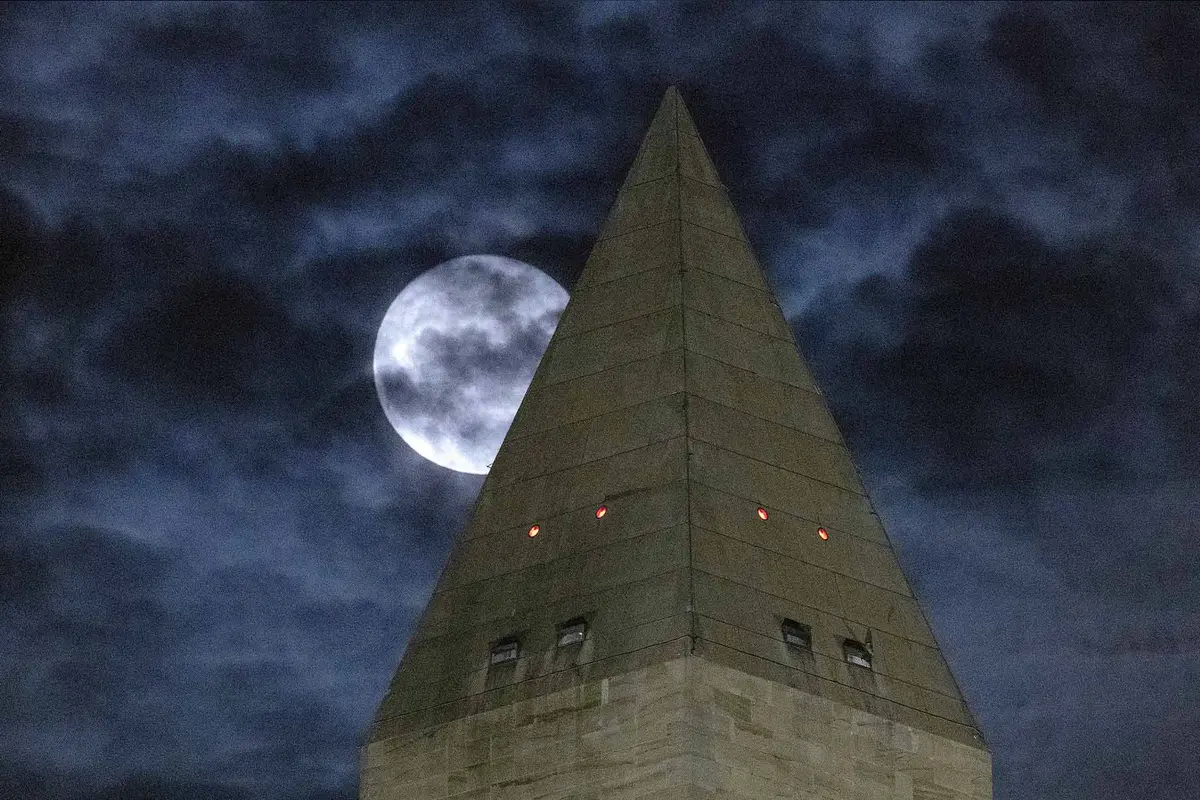
The partial lunar eclipse begins just hours earlier, at 9:23 p.m. Those who look up will notice the Sturgeon Moon gracefully slide into the dark core of Earth’s shadow, known as the umbra. It might look like a dark bite mark in the moon’s limb.
As the clock ticks toward Aug. 28, the real show begins: a profound color shift caused by the light of global sunsets and sunrises filtering through the atmosphere and onto the lunar surface.
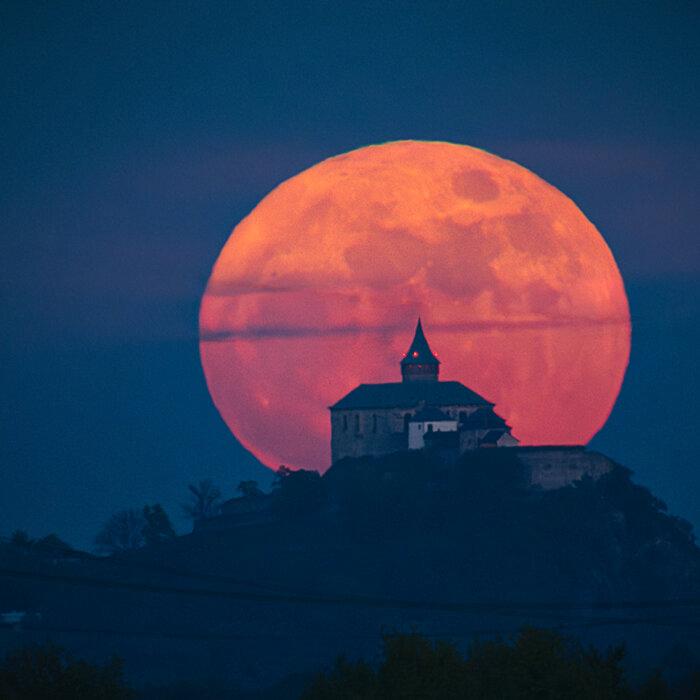
Earth’s shadow will reach maximum eclipse at exactly 12:12 a.m. when over 96 percent of the moon will be engulfed, revealing a dramatic, copper-red glow. While technically a deep partial eclipse (because a tiny sliver remains untouched), the sheer depth of the alignment means the moon will closely mimic a total “blood moon.”
While solar eclipses demand special glasses and meticulous planning, a deep lunar eclipse is far more forgiving. The slow-burning event rewards the patient night observer, requiring no gear and only a clear view of the sky.
Are Lunar Eclipses Rare?
Lunar eclipses are not once-in-a-lifetime anomalies; they occur anywhere from two to four times a year when the alignment of the sun, Earth, and moon matches up perfectly. Because the moon’s path around our planet is tilted, we don’t get an eclipse every single month, making these deep shadow alignments a special seasonal checkpoint.
Where this particular eclipse really shines is its sheer depth. Slicing through the center of Earth’s shadow is by no means your average eclipse of the moon, which takes on a slight dimming, but becomes a striking red-tinged spectacle.

Viewing the Sturgeon Moon
Full moons are far more common, reaching peak fullness every month at the exact moment the moon stands opposite the sun. New Yorkers can watch the Sturgeon Moon break the eastern horizon around sunset on the evening of Aug. 27, with a grace period of about a day before or after.
Framed by skyscrapers and trees, the rising moon may appear deceptively massive—a psychological trick astronomers call the “moon illusion.”
An Ancient Calendar
Great Lakes tribes like the Ojibwe and Algonquin relied on midnight illumination to spear-fish giant sturgeon in the shallows before summer dissolved into fall. Given the size of these prehistoric survivors—which can live for 150 years and grow over 12 feet long—it’s no wonder they anchored a place in ancient calendars.
Lunar timekeeping spans the globe. The Anglo-Saxons christened the period the Wheat Cut Moon and the Mead Moon, while Assiniboine tribes watched for the Black Cherries Moon. Across the Pacific, East Asian cultures marked the season with the Hungry Ghost Festival, a mysterious mid-summer time when the gates of the afterlife swing open.
The bottom line? The media loves to hype up night sky events with words like supermoon, but the Sturgeon Moon late August will be far from average. This full moon hangs on the coattails of eclipse season.