Below is a selection from a book published in 1872 about a certain quarter in New York City. The chapter from which the passage is taken is titled “The Life of the Street Rats”:
“The parents were invariably given to hard drinking, and the children were sent out to beg or to steal. Besides them, other children, who were orphans or who had run away from drunkards’ homes … drifted into the quarter, as if attracted by the atmosphere of crime and laziness that prevailed in the neighborhood. These slept around the breweries of the ward, or on the hay-barges, or in the old sheds of Eighteenth and Nineteenth Streets. They were mere children, and kept life together by all sorts of street-jobs-helping the brewery laborers, blackening boots, sweeping sidewalks, “smashing baggages” (as they called it), and the like. ... Finding that work brought but poor pay, they tried shorter roads to getting money by petty [sic] thefts, in which they were very adroit.
“The police soon knew them as ’street-rats’; but, like the rats, they were too quick and cunning to be often caught in their petty plunderings, so they gnawed away at the foundations of society undisturbed.”
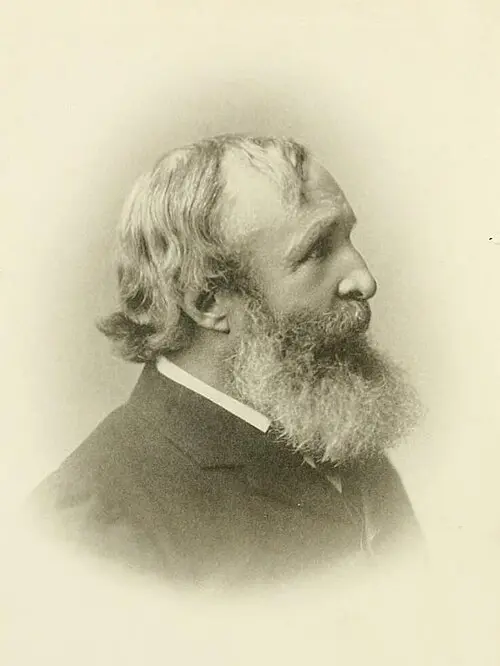
The author was Charles Loring Brace (1826–1890). But he did more than write about the street rats. He spent decades transforming them into country mice.
From Pity to Action
A native of Litchfield, Connecticut, Brace came from a family of ministers, lawyers, and abolitionists. After graduating from Yale Divinity School, he sought further training at Union Theological School in Manhattan, where he taught Latin and earned a bit more money by writing articles for journals and newspapers. In his walks around the city, he discovered the appalling conditions of the poor who lived there, many of them Irish and German immigrants. He was particularly affected by the multitude of homeless children living in the area around Five Points, one of the worst slums at the time.Upon graduating in 1849, Brace chose not to become a minister with a church but instead began working to help the children. In 1853, incorporating some ideas and practices he'd encountered on a trip to Germany into his vision, he founded the Children’s Aid Society (CAS), which became an early cornerstone of America’s child welfare system. He opened Sunday schools and homes for orphans and other castaways, and in 1854 launched the Newsboys’ Lodging House, the first shelter for runaways in the country.


To these homes the children came, assured of a bed and food in return for chores and, in some cases, for a token payment of wages earned outside the home. Buttressed by donations from some of New York’s wealthy families, Brace and his co-workers oversaw the education and job training of their students.
Their idealism and efforts were noble, but the homes and helpers were too few, the orphans and homeless children far too many, for real success. Looking for other solutions, the intrepid Brace hit upon his Emigration Plan.
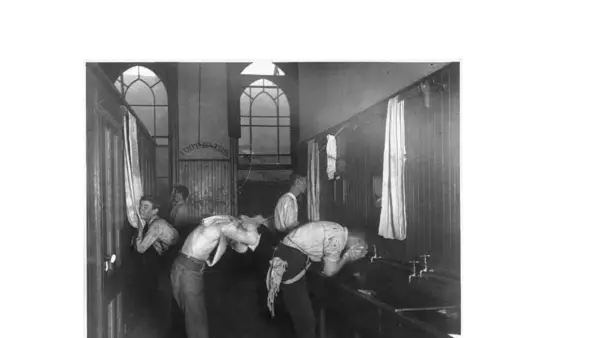
‘Orphan Trains’
“Emigration as a cure for pauperism” was at the heart of Brace’s plan, and the vast open spaces of the Midwest would become the primary destination point for New York’s impoverished children. In 1872, he wrote, “The best of all Asylums for the outcast child, is the farmer’s home.”In 1854, the first train of orphans left the city for Michigan with 45 children aboard. The process varied as Brace’s idea took shape, but in general, again with the backing of wealthy Manhattanites, a group of homeless children, not all of them orphans but alone and poor, would take the train, accompanied by a CAS attendant, to a designated town. The CAS and local officials advertised the train’s arrival and its passengers ahead of time. Interested couples, some looking for extra hands on the farm, some looking to adopt, would be roughly vetted and then select one or more to return home with them.
Controversy and Legacy
Deemed an enormous success in the 19th century, Brace’s orphan trains lost some of that sheen in the 20th century when scrutinized by some historians, social workers, and psychologists. They argued that Brace’s Plan ignored the trauma this drastic change might cause the children and the often poor supervision and oversight once they were placed in their new homes.In her 2023 article, “Orphan Trains and Children’s Aid: The Compassion of Charles Loring Brace,” writer Christina Stanton gives a balanced analysis of the successes and failures of the orphan trains. She notes that many of these orphans became successful adults, including two state governors. She also acknowledges that the methods of placing these children were primitive by today’s standards and that sending them into this unknown territory of relationships must have been terribly frightening.
Yet like others, Stanton seems to sympathize with Brace and the CAS, who “believed giving children a chance to work on a farm, experience family bonds, and learn Christian values would give them a better chance at a successful life than they could get on the streets of New York City.”
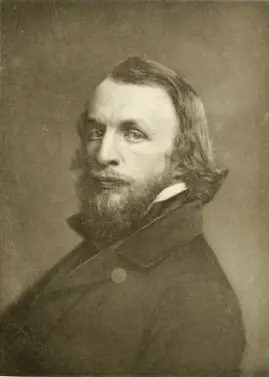
Brace’s impact on child aid and protection is immense. His Children’s Aid Society continues its work today. His idea that every child should grow up in a home rather than on the street was the forerunner of our foster care system. Firmly supported in his work by his wife, Letitia, he and his associates left behind a string of schools, services, and reforms that affected not only children but women and the poor in general. As Stanton tells her reader, “The CAS also established a summer home for girls in Brooklyn, a sanitarium for sick babies in Coney Island, and its own probation department upon the founding of the first juvenile court.”
Before boarding the orphan trains, the boys and girls bathed and were given new clothes and, oftentimes, a Bible. At the beginning of that book is a question: “Am I my brother’s keeper?”
Charles Brace answered in the affirmative.