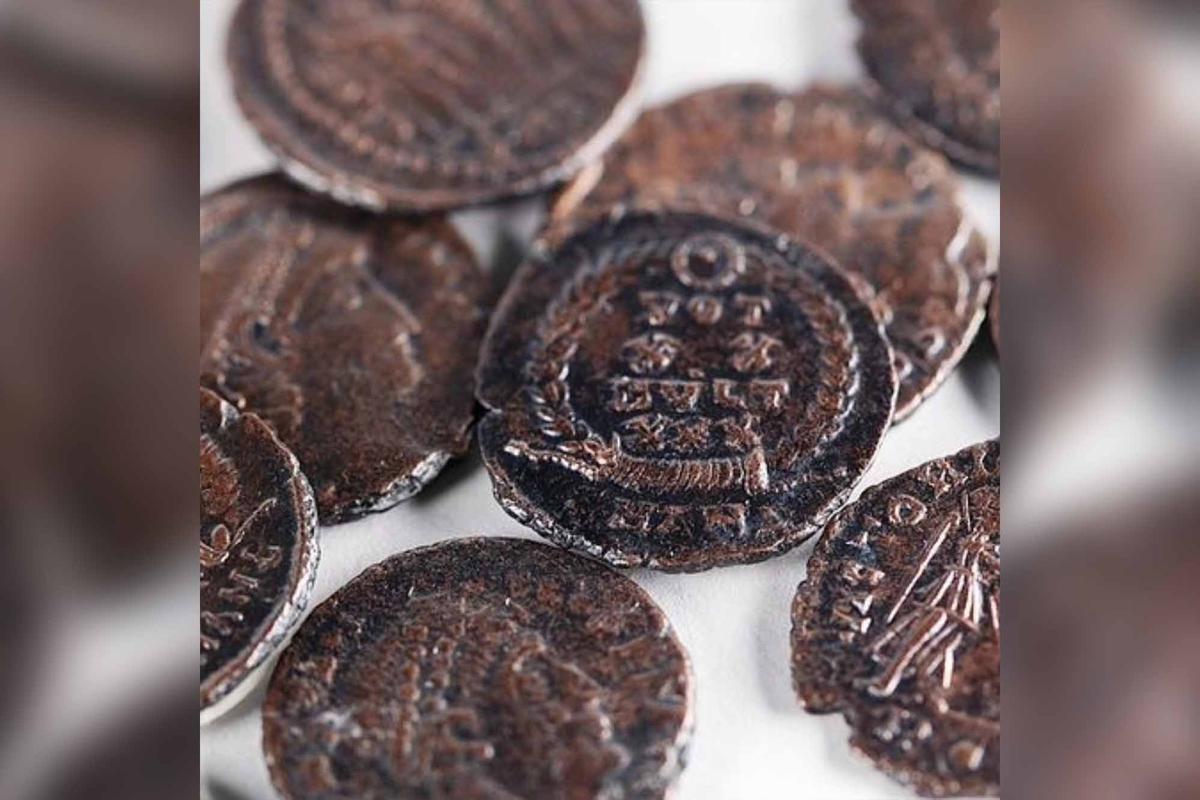
Hidden under a tiny village in Israel, students, soldiers, and volunteers from a local cavers club have been digging up artifacts in an ancient underground rebel hideout. They recently unearthed a lost stash of bronze coins stamped with the heads of Roman emperors whose reigns trace back to Jewish revolts against the empire.
It appears whoever stowed the cache never returned to claim it.
A sum of 22 bronze coins was found within a network of cramped passages and cavities and are believed to date back to 1,600 years ago when rebels took cover from Roman forces under the village of Hukok, in the region of Galilee. The caves themselves are even older, predating the coins by several centuries. The cavity was originally a water cistern before being converted into a tunnel system used for clandestine purposes.
“On [the coins] are the portraits of the emperors who ruled this land during the time of the Gallus Revolt,” said Yinon Shivtiel, a professor at Zefat Academic College, referring to an uprising between 351 and 352 A.D., in a press release.
“Over the years we have reached hiding complexes from three periods of distress.”
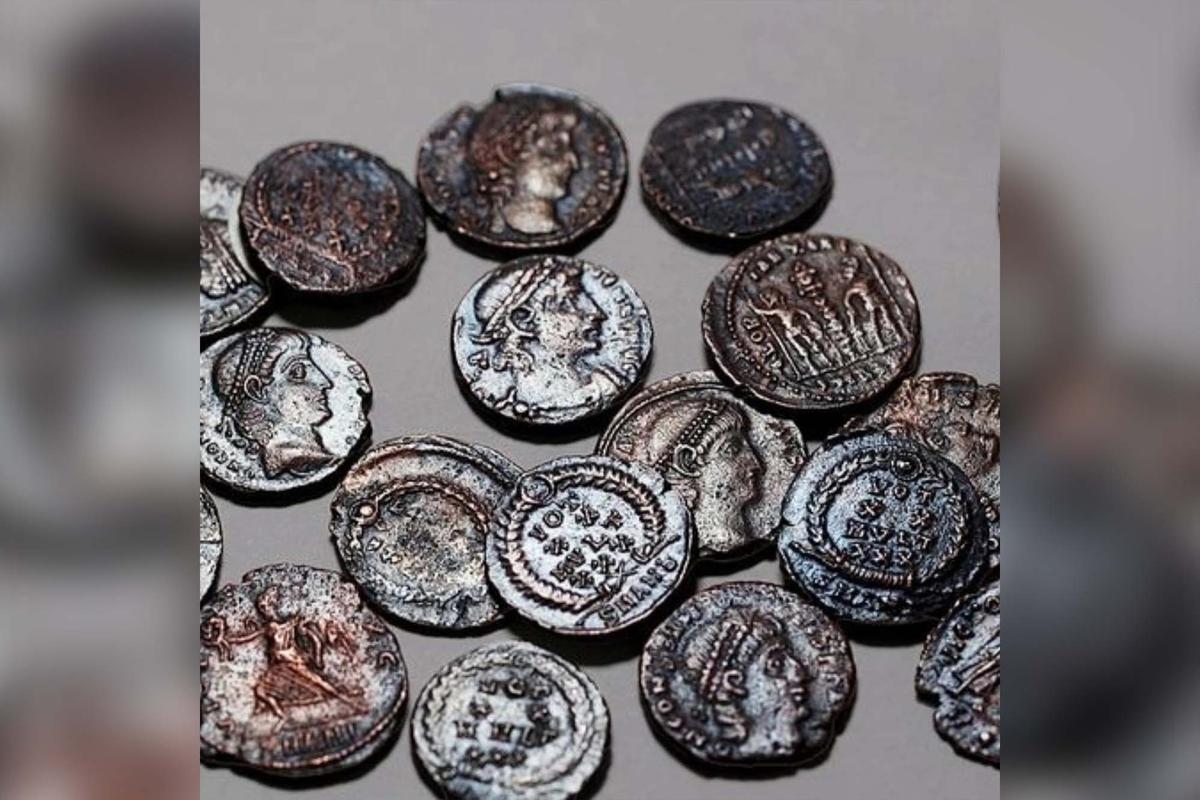
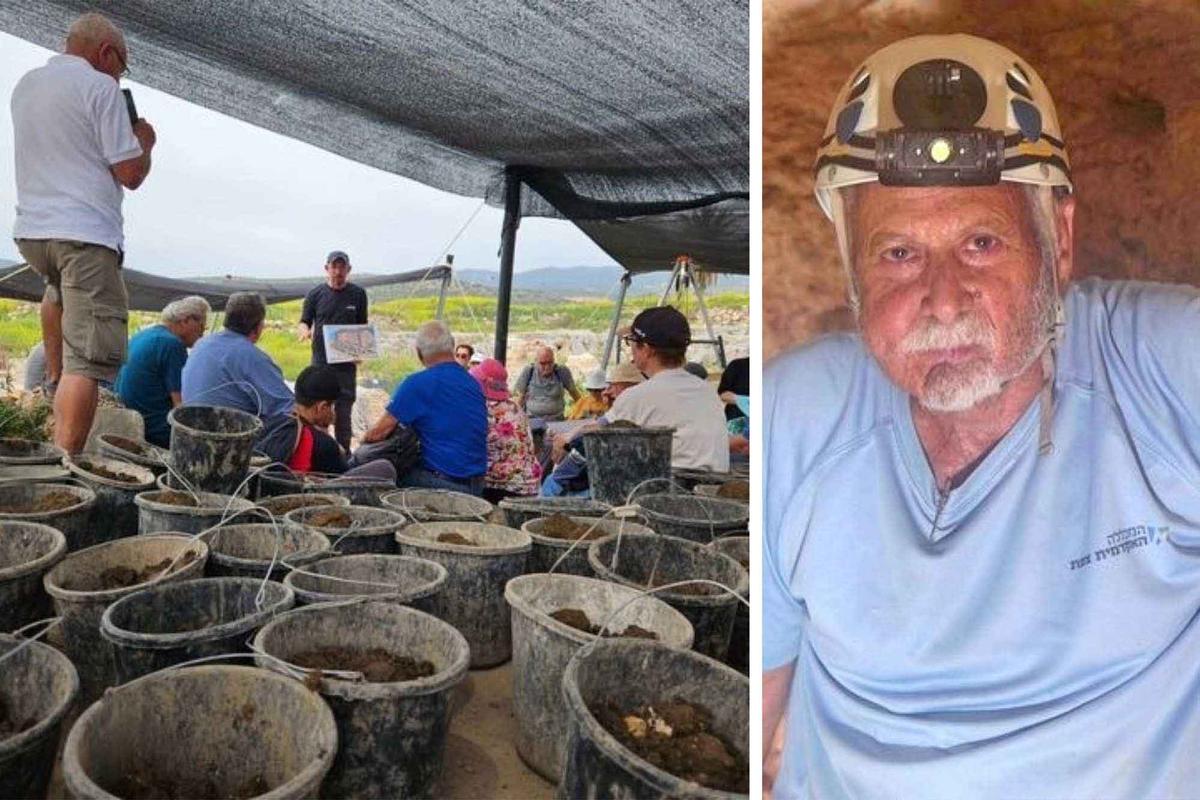

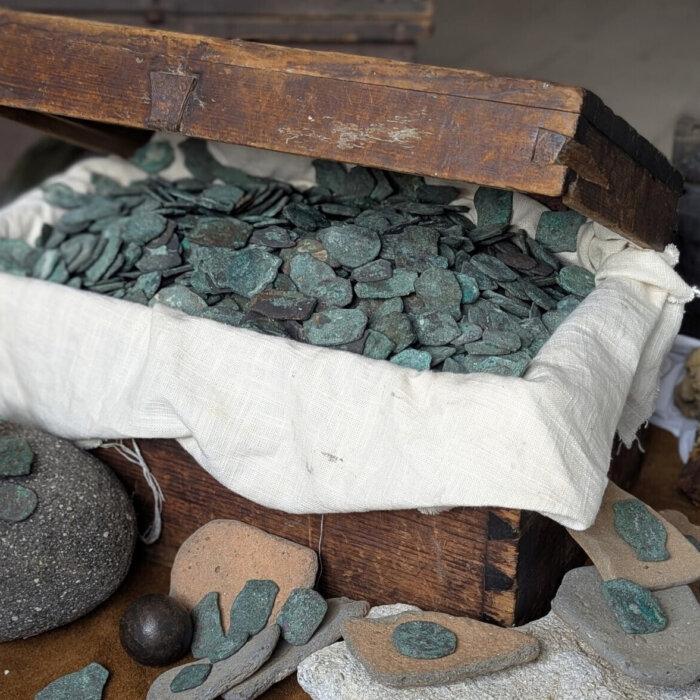
The researchers were more than a little surprised to learn these ancient tunnels had been reused several times, during separate rebellions, over the centuries. The hoard of coins—one of the few relics ever found from the Gallus Revolt—now proves this fact, as it followed two much earlier conflicts.
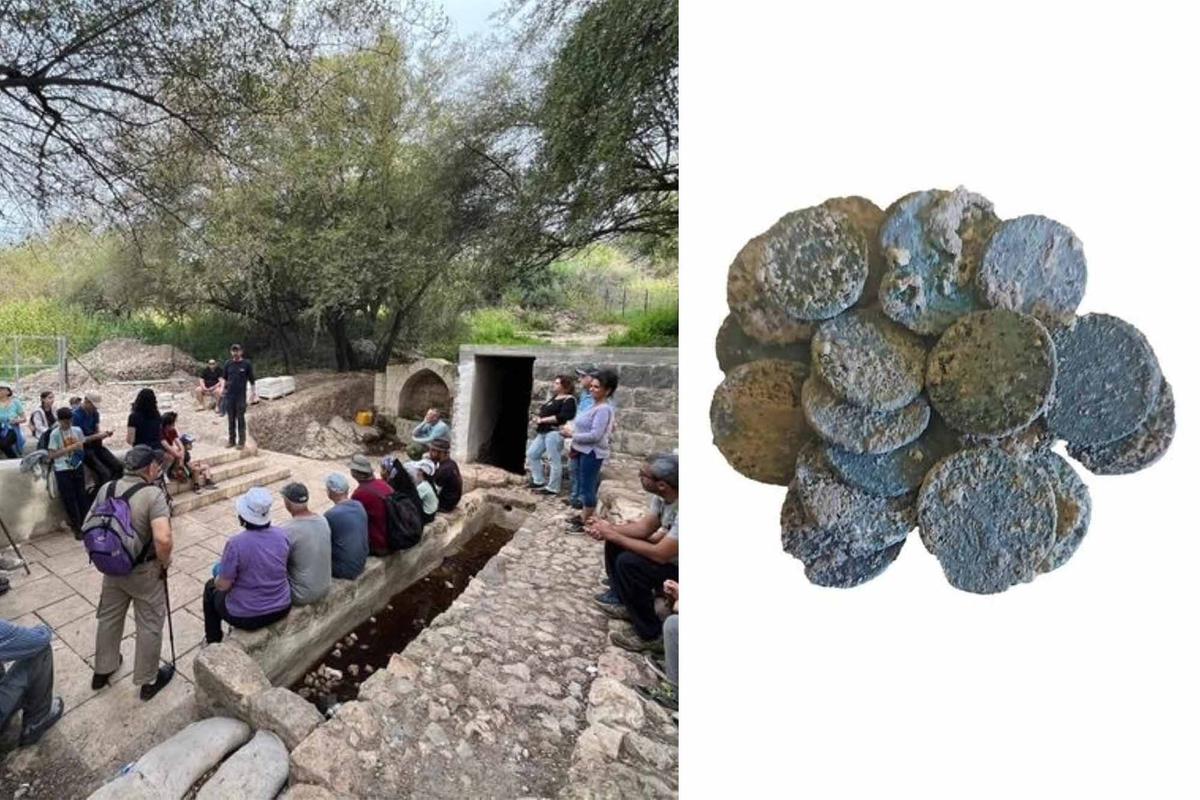
Strategically located under homesteads, the hideout allowed Jewish rebels to move about freely and go unseen while thwarting pursuing Roman authorities. The network consists of eight main cavities connected by claustrophobia-inducing passages designed to impede Roman soldiers.
Since the hideout’s discovery only a few years ago, the Israeli Antiquities Authority (IAA) has worked alongside Zefat Academic College to investigate inside them. Local volunteers, including members of the Israel Defense Forces and a cavers club, have also pitched in. Finding the cache of coins was a communal win.
Other artifacts pulled from the site include broken clay and glass dishes, utensils, and a bronze ring, believed to have been worn by a woman holding out in the shelter.
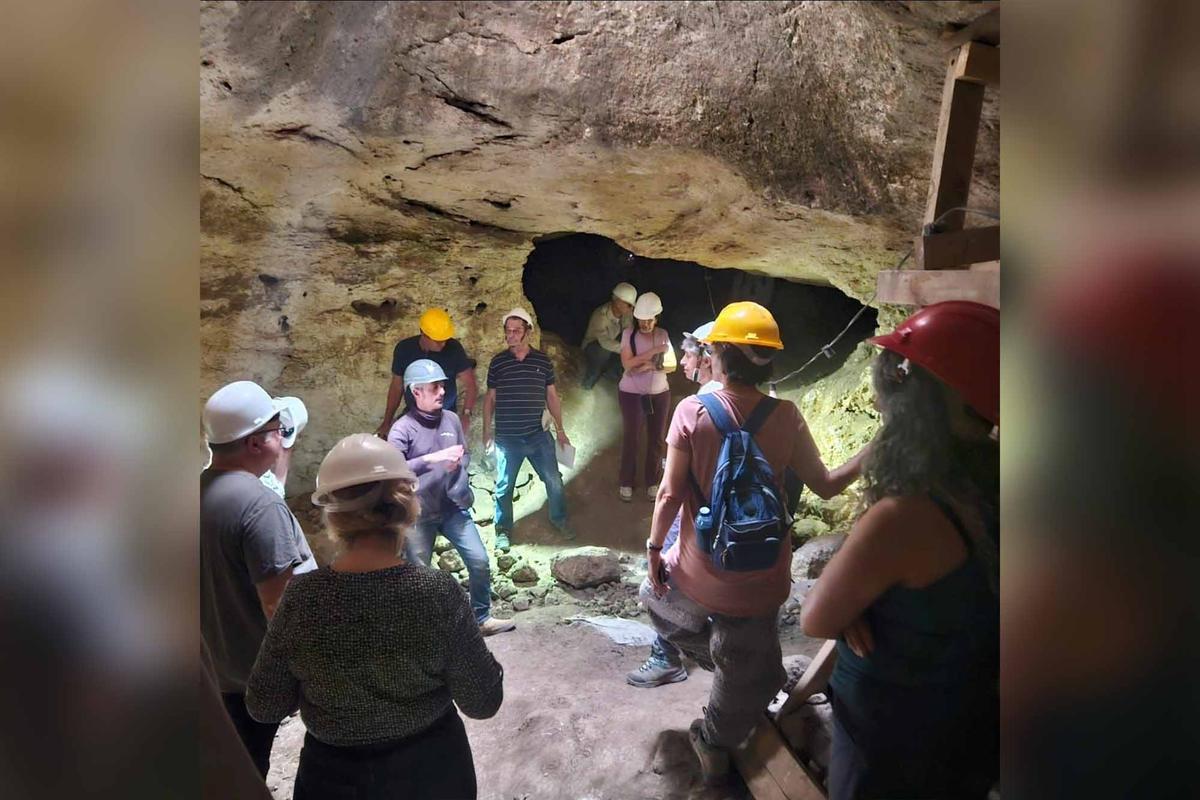
Hukok is a settlement with heavy history. It is mentioned in ancient texts like the Jerusalem and Babylonian Talmuds. Now contributing to this history, the rebel hideout—one of the largest of its kind in Galilee—is adding to the village’s sizable archeological worth. The new cache sheds further light on the “hardships and crises” of that time period, the IAA said.
The Gallus Revolt ended tragically for the rebels, who were crushed by the Romans. Yet the people of Hukok later rose from the ashes to create a magnificent, thriving civilization aboveground, constructing a synagogue with gorgeous ancient mosaics. The IAA also aims to embrace that vibrant history.
“Time after time, there are periods of hardship here,” said Uri Berger, an IAA researcher working at Hukok. “In the end, the settlement recovers and continues to thrive here for hundreds of years to come.”
New plans will soon enshrine Hukok as a flagship archeological destination for tourists to explore. Besides the underground rebel holdout, a new visitors’ center and the 1,600-year-old synagogue, with its ancient mosaics, will attract visitors from near and far.