Nonfiction
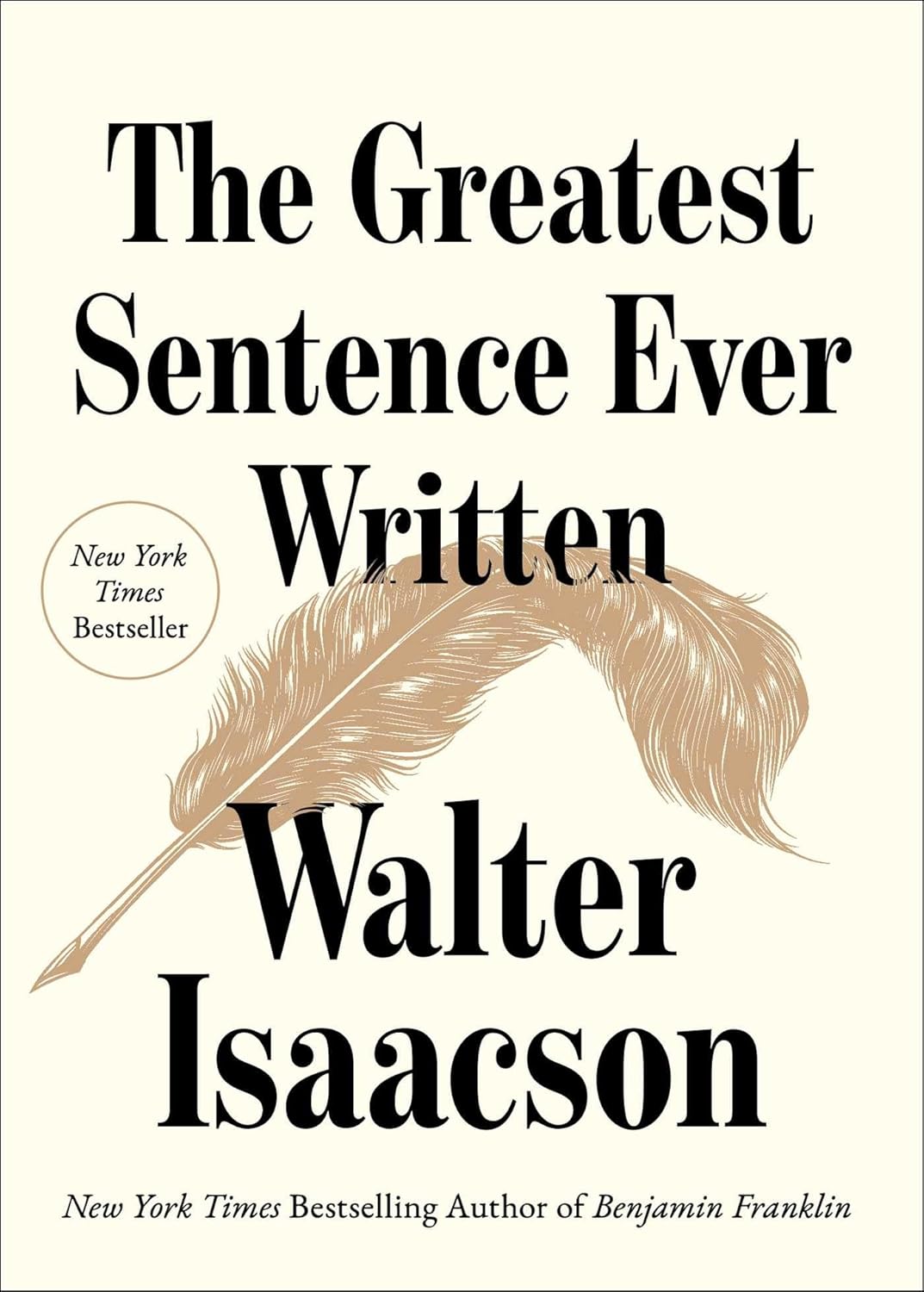
By Walter Isaacson
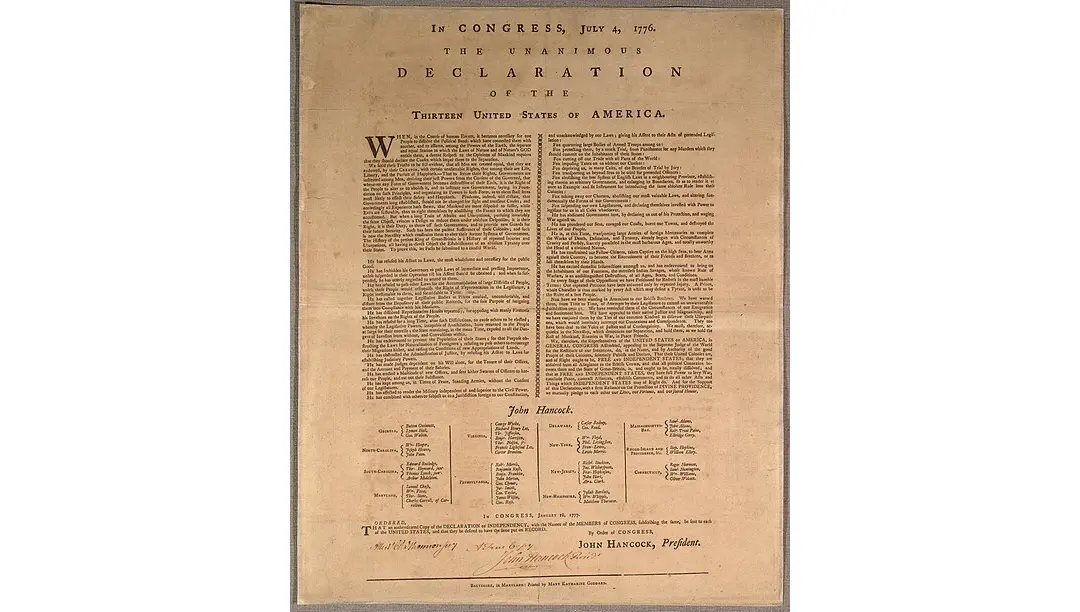
“We hold these truths to be self-evident” begins the sentence that historian and professor Isaacson calls the greatest ever crafted by human hand. In this close reading of that sentence from the Declaration of Independence, he covers topics like slavery, the rights of 18th-century women, and the American Dream. Included are some pertinent excerpts from books and documents, Thomas Jefferson’s “Original Rough Draught,” and the Declaration itself. A fine, quick celebration of America’s 250th birthday.
Military History
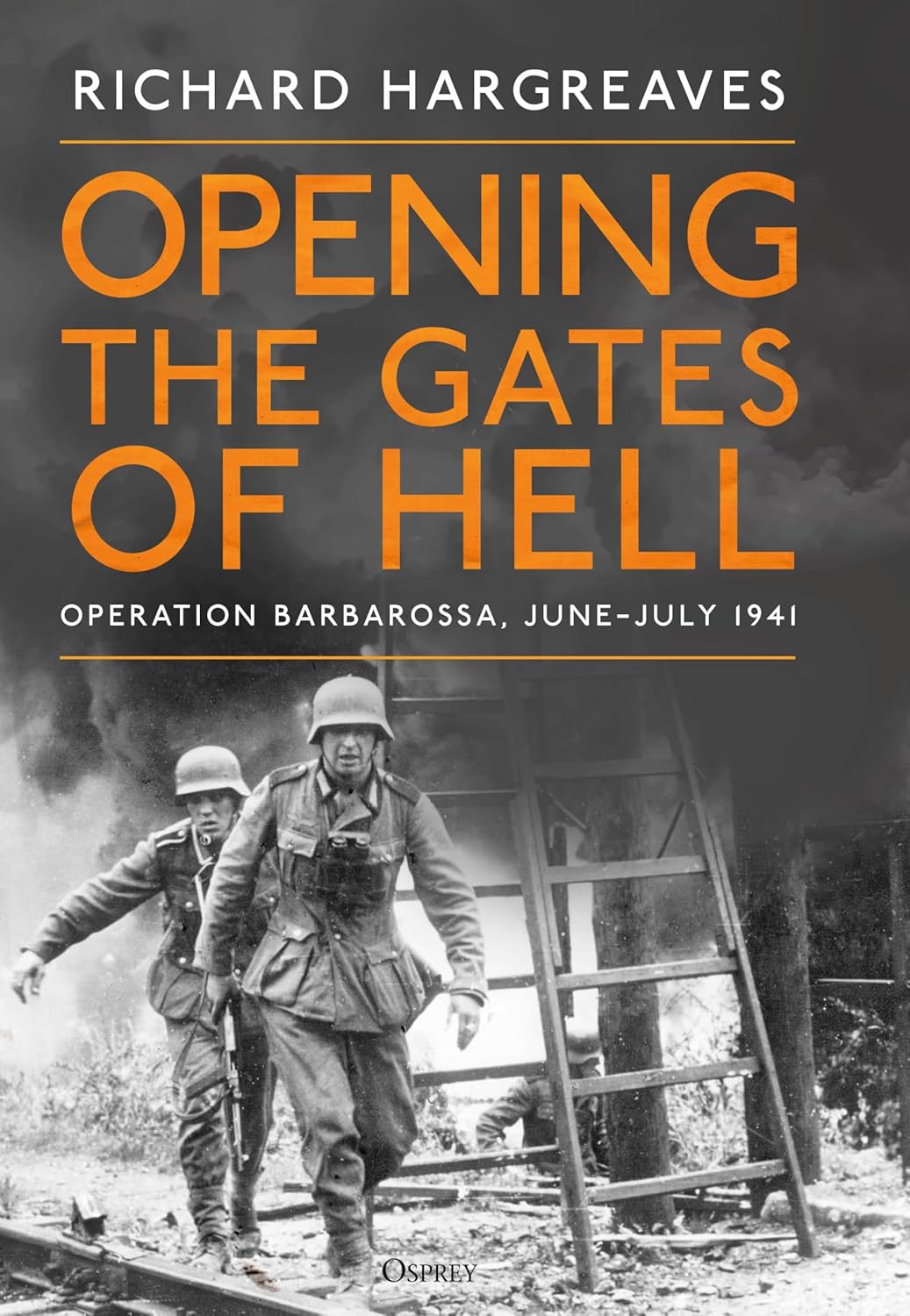
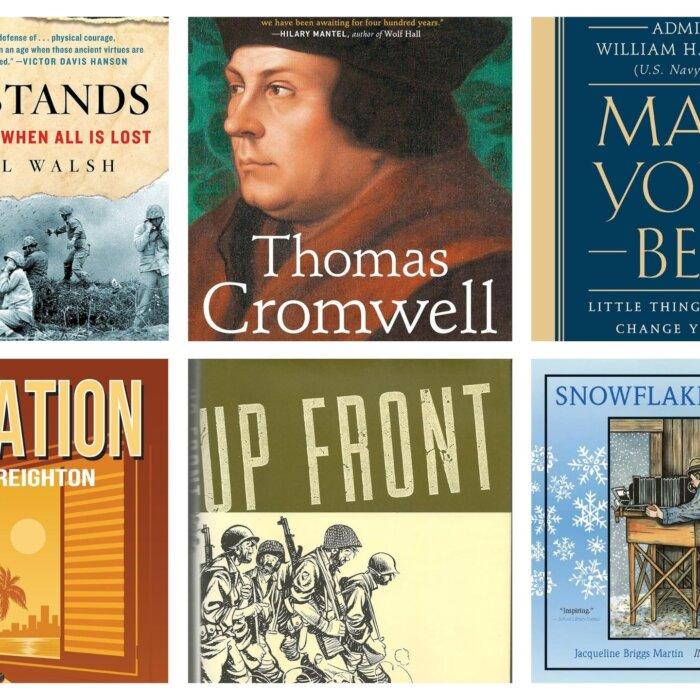
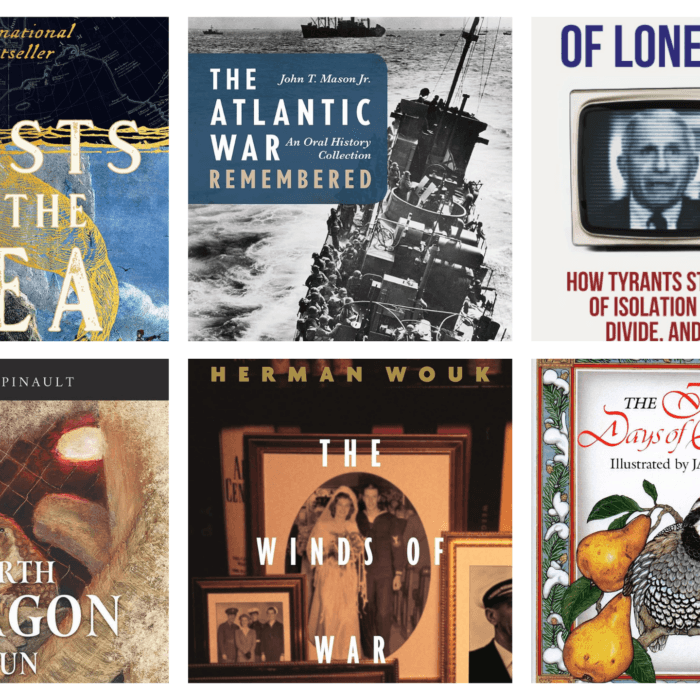
By Richard Hargreaves
Operation Barbarossa, the operation that severed ties between the Germans and Soviets, was arguably the most horrific military operation of World War II. This book presents the opening weeks of the operation which witnessed the deaths of millions of Soviets, but also spelled the end of the Nazi threat. A narrative that brings readers in close to the details of the civilian and soldier experiences, as well as the early decisions of the Soviet and German high commands. A terrific page-turner.
Historical Fiction
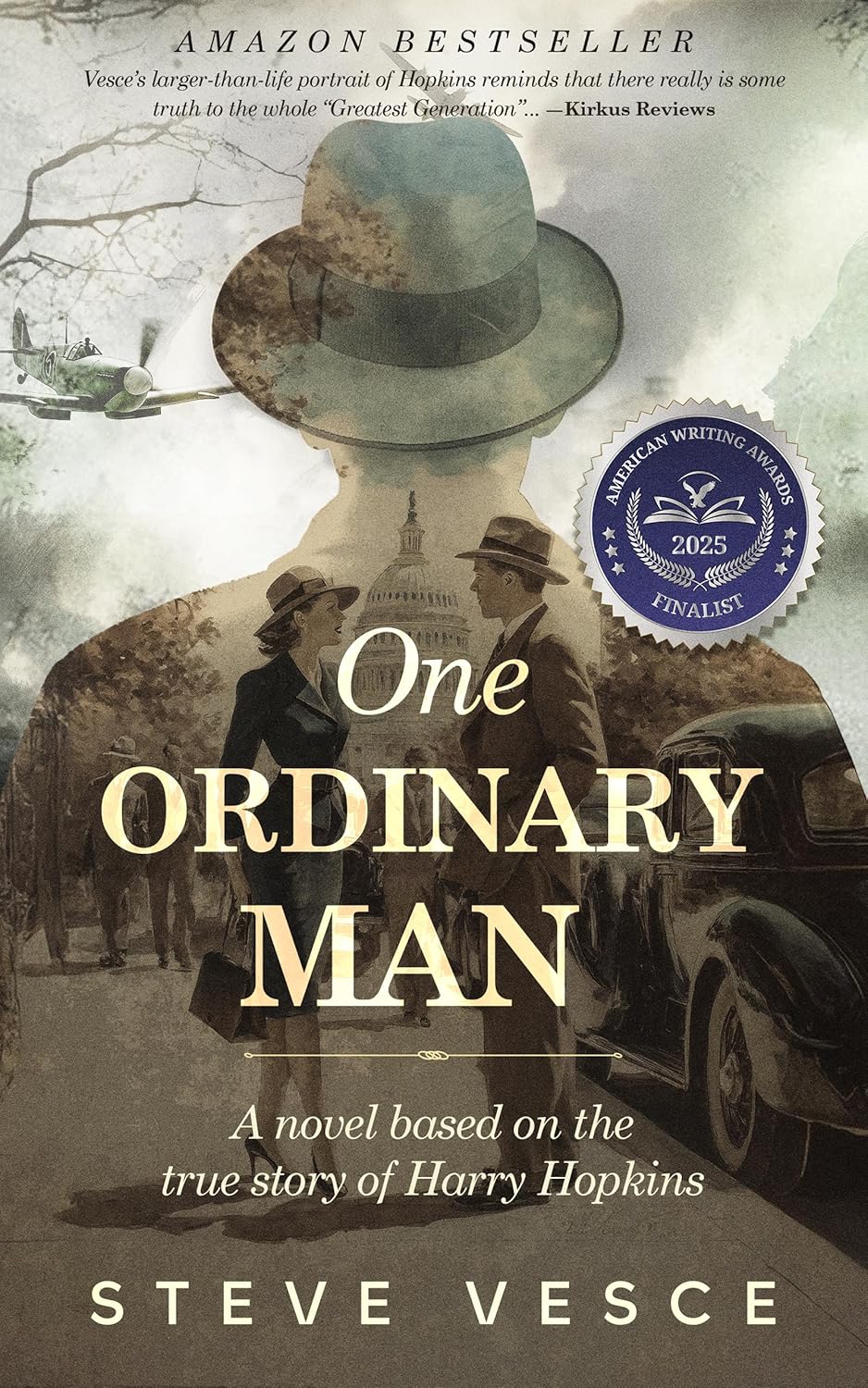
By Steve Vesce
Harry Hopkins was one of the key figures in the Franklin Roosevelt administration. During the Depression he ran the Federal Emergency Relief Administration, the Civil Works Administration, and the Works Progress Administration. In World War II, he was a close Roosevelt advisor, his point man with Churchill and Stalin. This novel follows Hopkins’s life and career, from his 1933 arrival in Washington to his death in 1946. It charts one man’s rise from obscurity to a key role in world affairs.
History
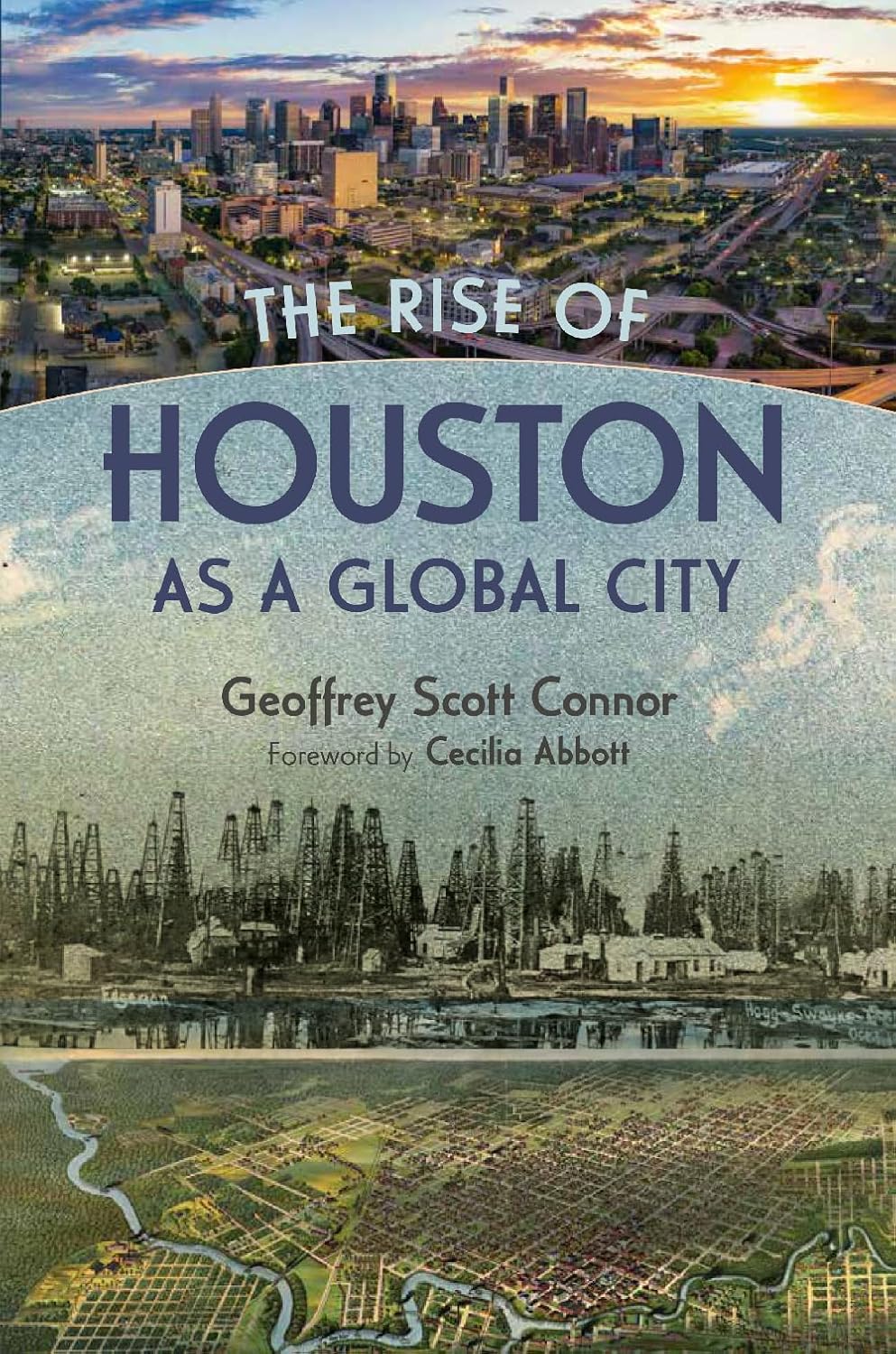
By Geoffrey Scott Connor
Between 1836, when it was founded, and 1990, when the World Economic Summit was held there, Houston grew from a raw, frontier town of muddy streets and hastily assembled buildings to one of the world’s great cities. It is the fourth largest city in the United States, the second largest import/export port, and the energy capital of the world. This book tells how Houston made that transformation using its port, the petrochemical industry, its medical center, and its position as “Space City.”
Classics
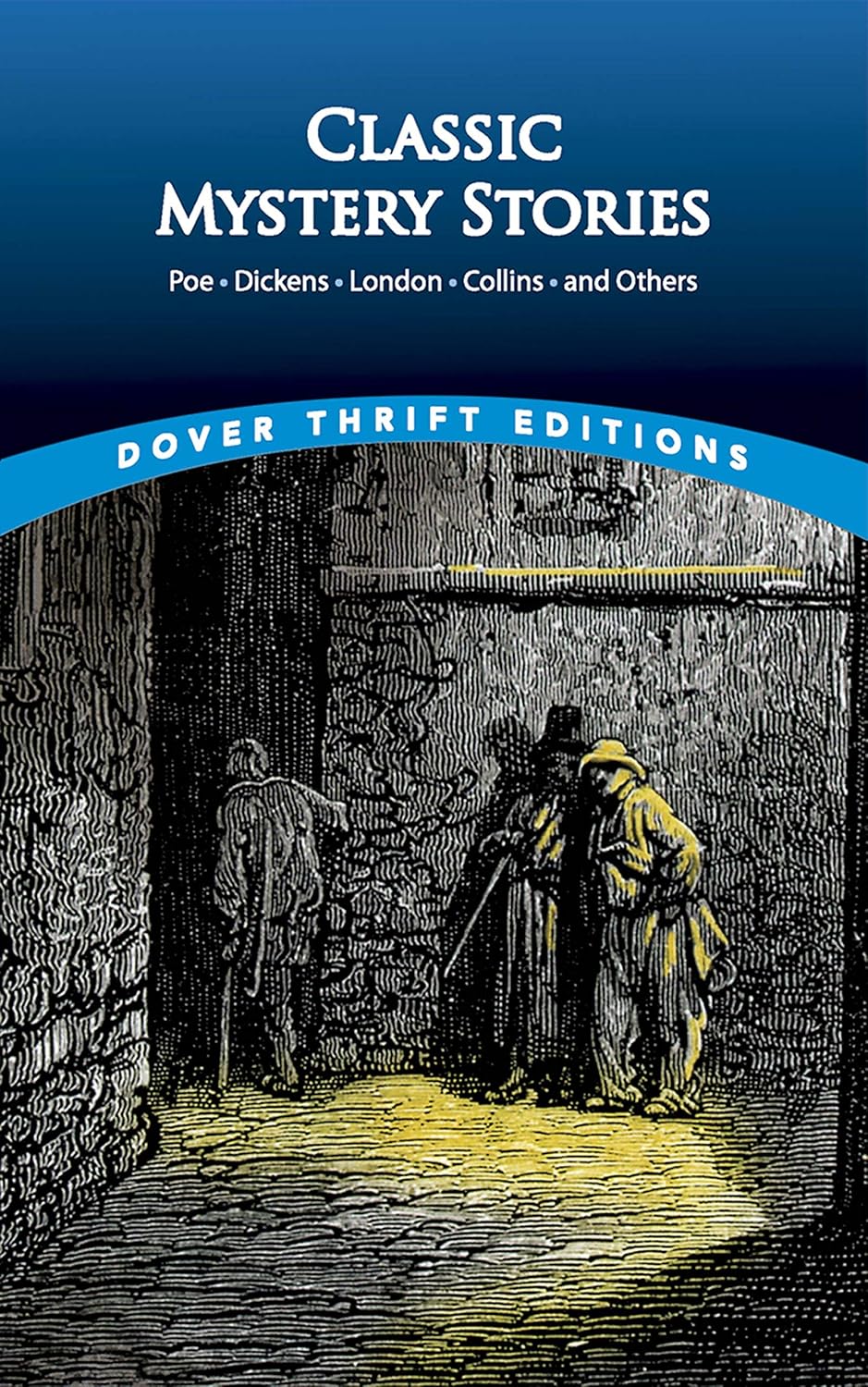
Edited by Douglas G. Greene
If winter’s gray skies and cold winds put you in the mood for mysteries solved by detectives combining investigation with imagination, then pour yourself a cup of tea and read this collection. Here are 13 tales from writers like Edgar Allan Poe, Charles Dickens, Jack London, and Susan Glaspell. Published between 1840 and 1920, the stories feature investigators ranging from a Scotland Yard female detective to amateur sleuths, including a leopard trainer. A brief biography of the author accompanies each story.
For Kids
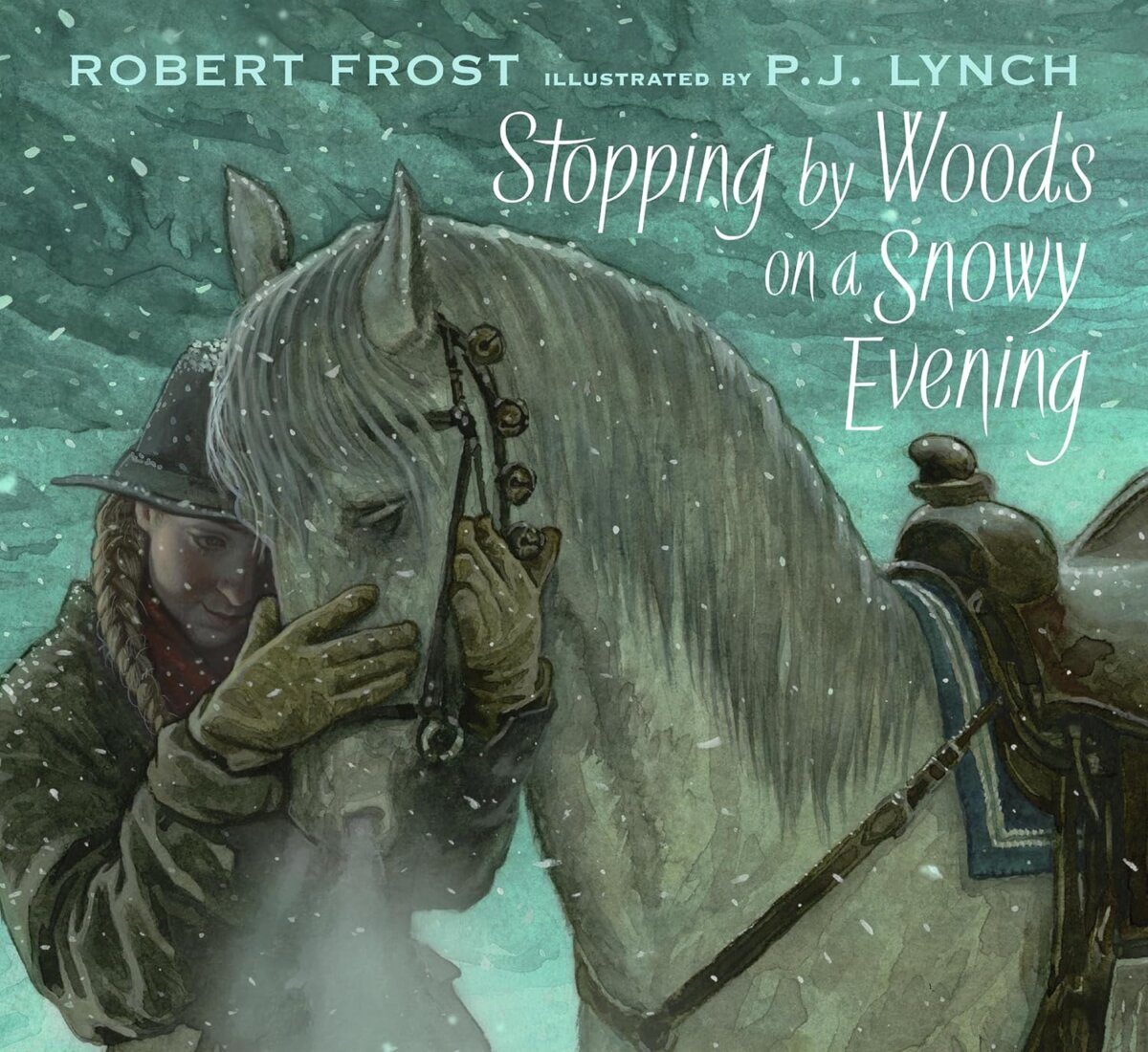
By Robert Frost and P.J. Lynch
The talented P.J. Lynch illustrates with great depth and beauty one of Robert Frost’s most beloved poems, transporting the reader to those snowy woods, providing a pensive and lovely introduction to the famous work. Snowy, stunning scenes guide the reader through slowly, allowing time to absorb, reflect upon, and appreciate Frost’s iconic poem.