This week, we feature a classic deep-dive into a black man’s experience in the mid-20th century and a history of England’s King Alfred the Great that marries facts with drama. 
History
‘Shadow of the Titanic: The Extraordinary Stories of Those Who Survived’
By Andrew WilsonThis book traces the lives of the 705 survivors of the Titanic disaster, a kaleidoscopic collection of people. Titanic’s passenger list contained a wide selection of Edwardian society, from the wealthiest to the poorest. Few survivors were unaffected by their experiences. Most survivors lost family members. All endured the trauma of watching those in the water die. Some survivors fared poorly afterward, while others led successful lives. This book sheds light on a fascinating piece of the Titanic epic.
Atria Books, 2013, 416 pages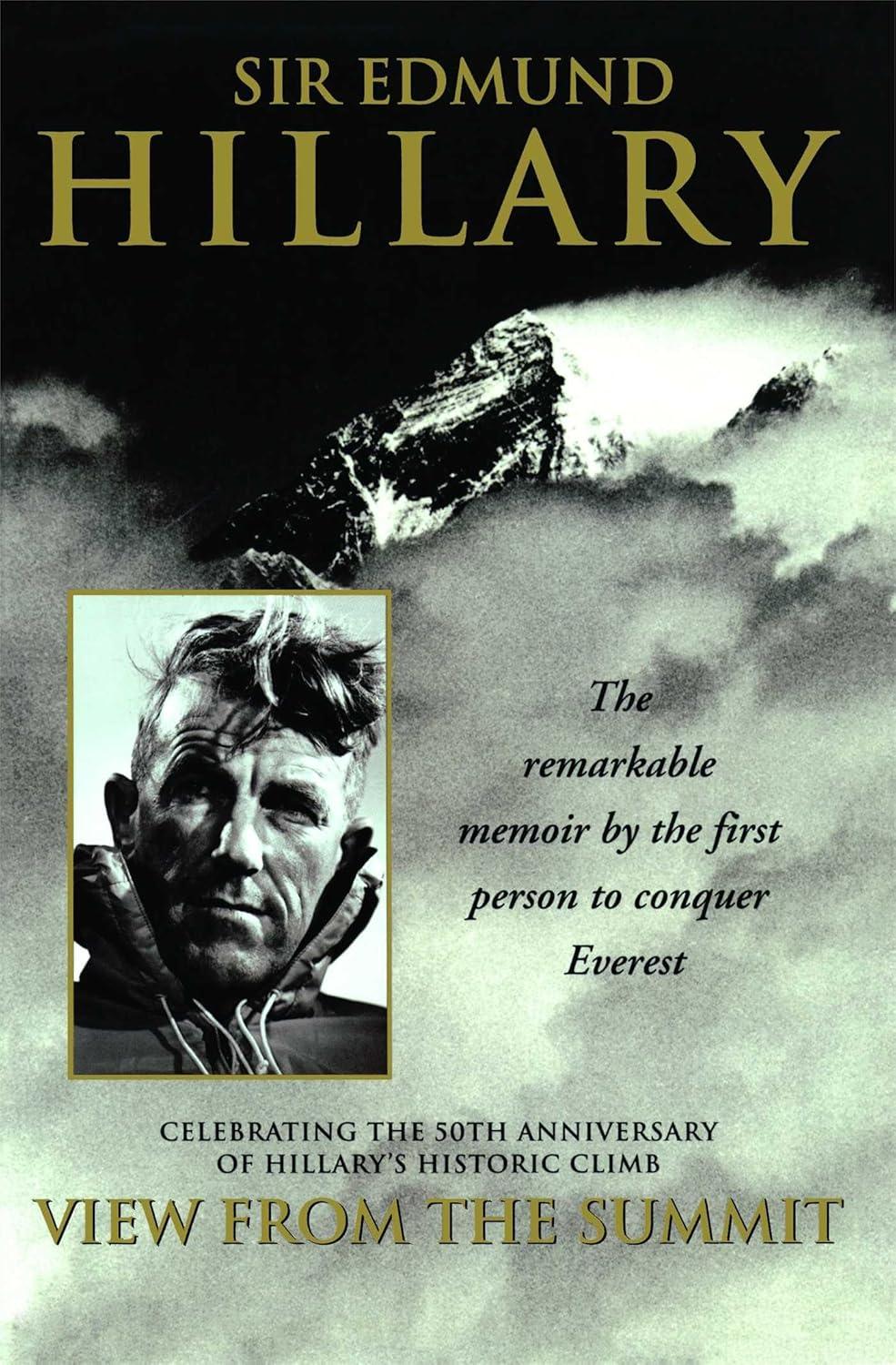
Memoir
‘View from the Summit: The Remarkable Memoir by the First Person to Conquer Everest’
By Sir Edmund HillaryThe man with the insatiable craving for challenge and adventure gifted the world a recollection of his life and greatest feats. Most memorably, Hillary, along with Sherpa Tenzing Norgay, were the first to summit Mount Everest. Merely by recalling memories, the New Zealander demonstrates why he became the center of so much hero worship. Full of otherworldly zeal and energy, Hillary left his mark on the world unlike any other. A larger than life, yet entirely relatable historical figure.
Gallery Books, 2000, 353 pages
Biography
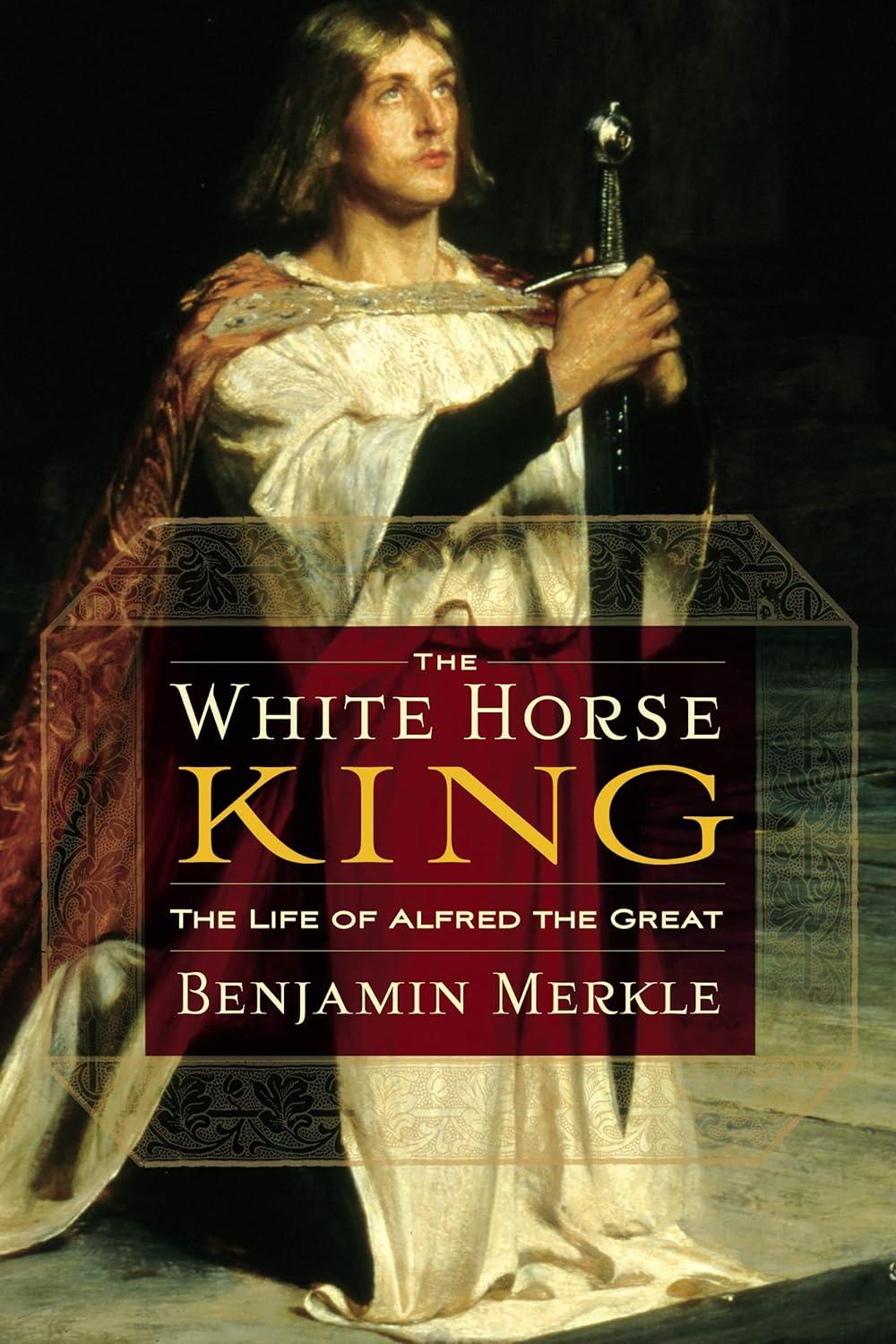
‘The White Horse King’
By Benjamin Merkle
Merkle gives readers both history and drama in this biography of England’s Alfred the Great, the monarch who assembled a weary band of defeated Anglo-Saxons, led them into battle against the Vikings, and beat back the Norse invasion. Here, too, is the king who protected and promoted the Christian faith, acted as a law-giver, and was a scholar and poet in the bargain. The author’s gift for breathing life into the past makes this book a winner for budding high school historians and adults alike.
Thomas Nelson, 2009, 272 pages
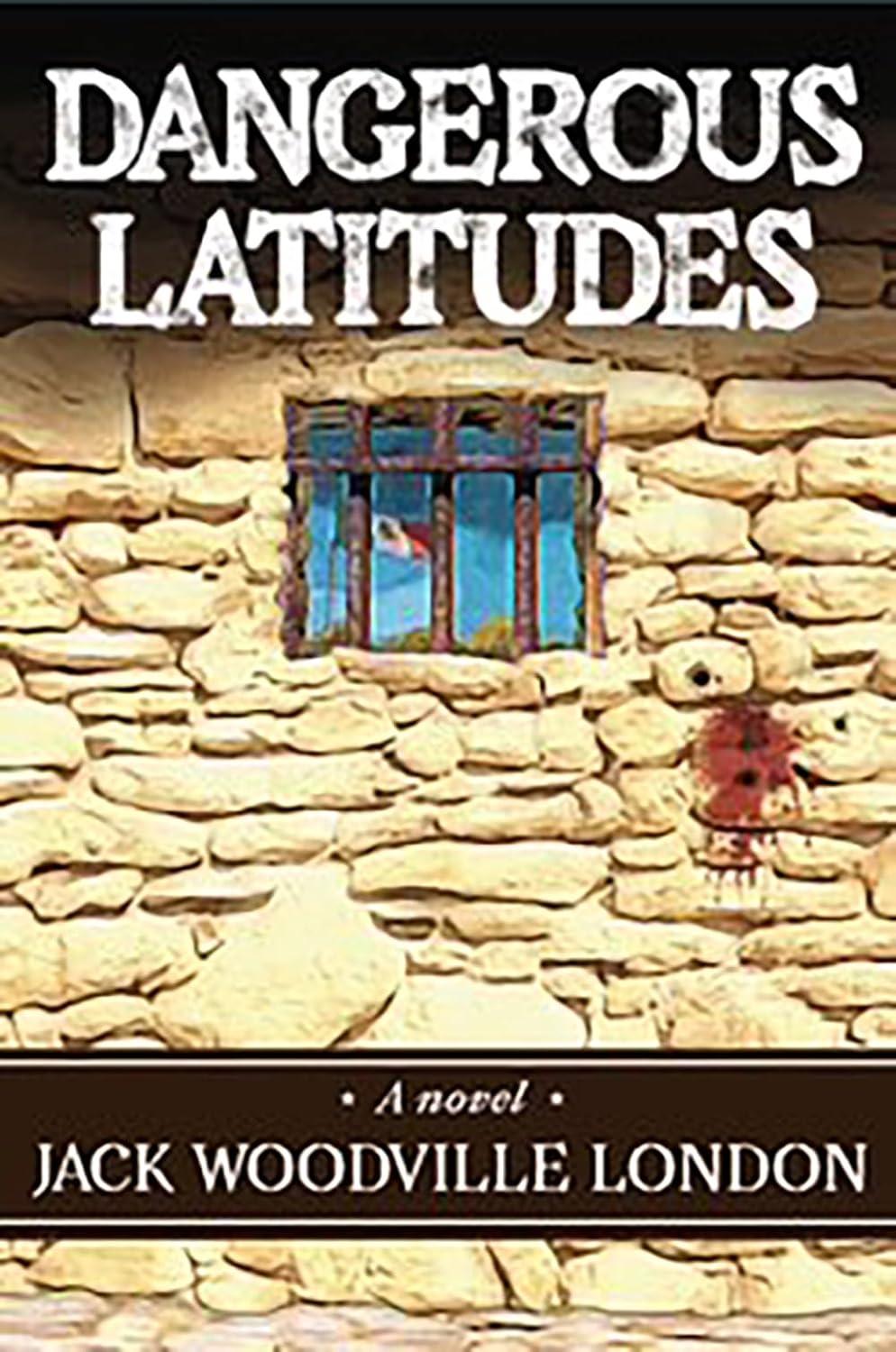
Alexandre LaBranche is a Louisiana planter’s son in the 1840s, trained as a surveyor and map maker. Disinherited by his father, he goes to New Orleans in search of work. Unable to find anything else, the naive LaBranche is hired by Mirabeau Lamar, the outgoing president of the Republic of Texas. His job? For reasons LaBranche doesn’t know, he must map the Rio Grande boundary of Texas from Laredo to its headwater—a dodgy mission. A marvelous adventure tale set in the Republic of Texas during the mid-1840s.
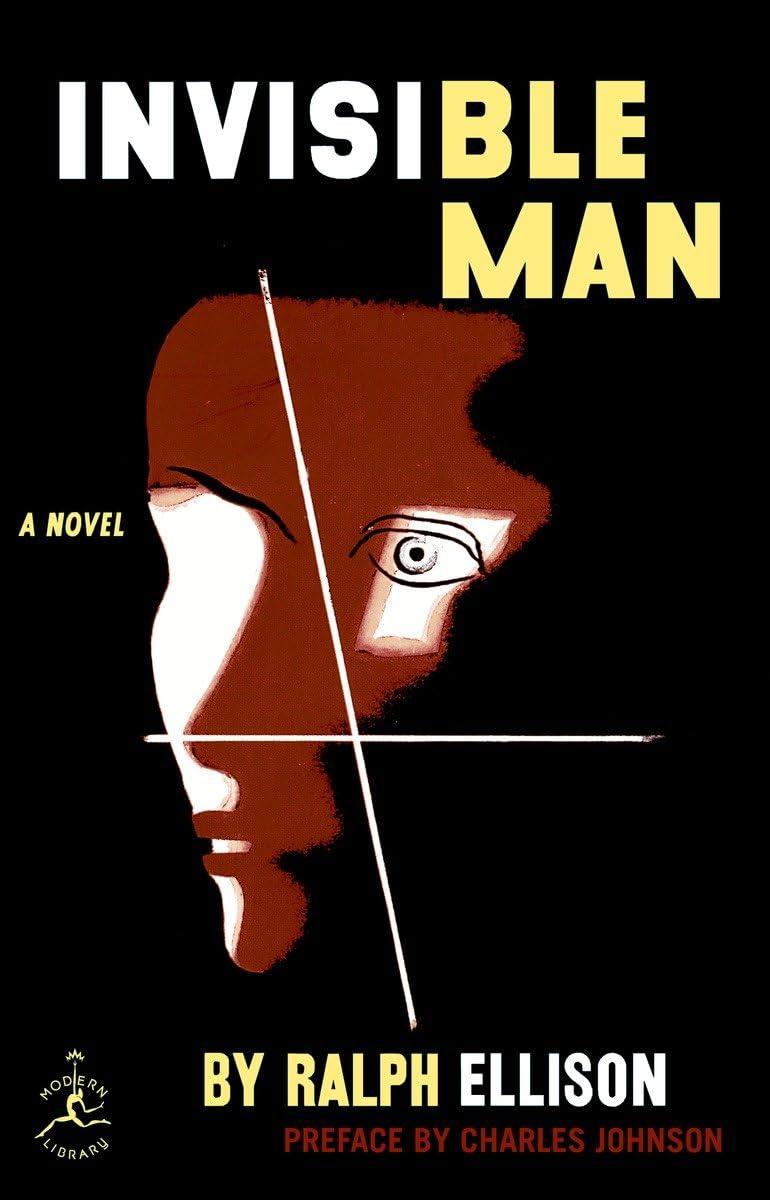
First published in 1952, this stellar novel introduces a nameless black narrator who claims he’s invisible “because people refuse to see [him].” He recounts his travels and battles, humiliations and conflicts, both large and small, before finally deciding he’s ready to take his place in the world. Influenced by writers like Dostoevsky and T.S. Eliot, Ellison was showered with accolades from literary critics. He was also pelted with stones from the Marxists he’d rejected and those who would’ve preferred a more racially provocative novel.
Modern Library, 1994, 624 pages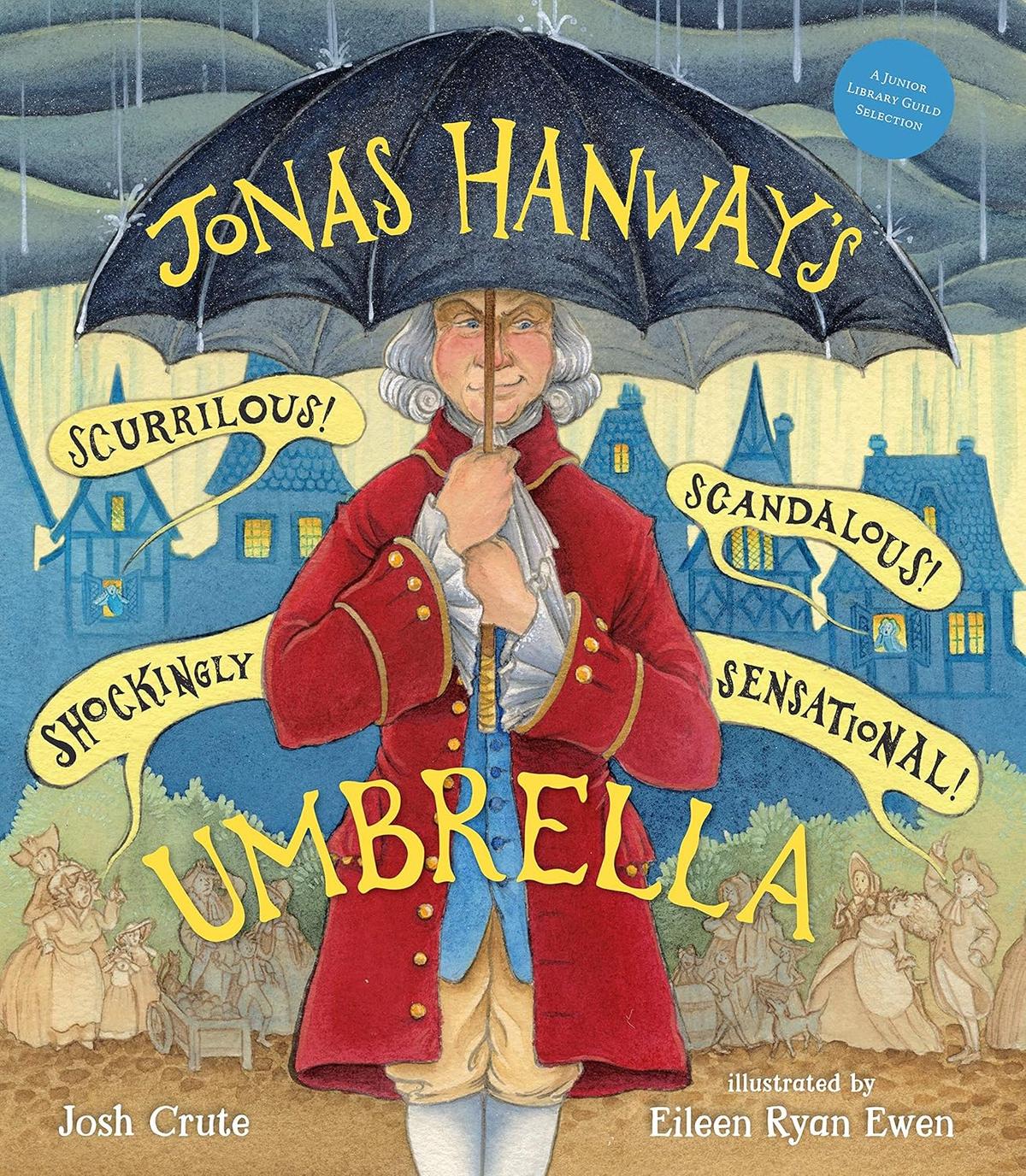
For Kids
‘Jonas Hanway’s Scurrilous, Scandalous, Shockingly Sensational Umbrella’
By Josh Crute and Eileen Ryan EwenIn this fun read-aloud, fastidious Englishman Jonas Hanway dislikes how he always gets wet when it rains. So in 1750, he traveled the world searching for a place without rain. In foreign lands, he’s shocked to find people using umbrellas everywhere. Would it be too scandalous if he brought home a sensational umbrella to use in the rain?
Page Street Kids, 2020, 40 pages
What arts and culture topics would you like us to cover? Please email ideas or feedback to [email protected]