If you’ve considered transitioning to a more plant-based way of eating, there has never been a better time to start. Evidence from registered dietitians, scientists, and other experts supports the health benefits of eating more plants. Research shows cutting back on the amount of meat we consume can significantly impact the health of the planet as well.
What Is Plant-based?
There’s no official definition of plant-based, which is good news—you get to determine what it means for you. No set rules or restrictions make eating plant-based a sustainable eating pattern that caters to your needs.Explore Your Options
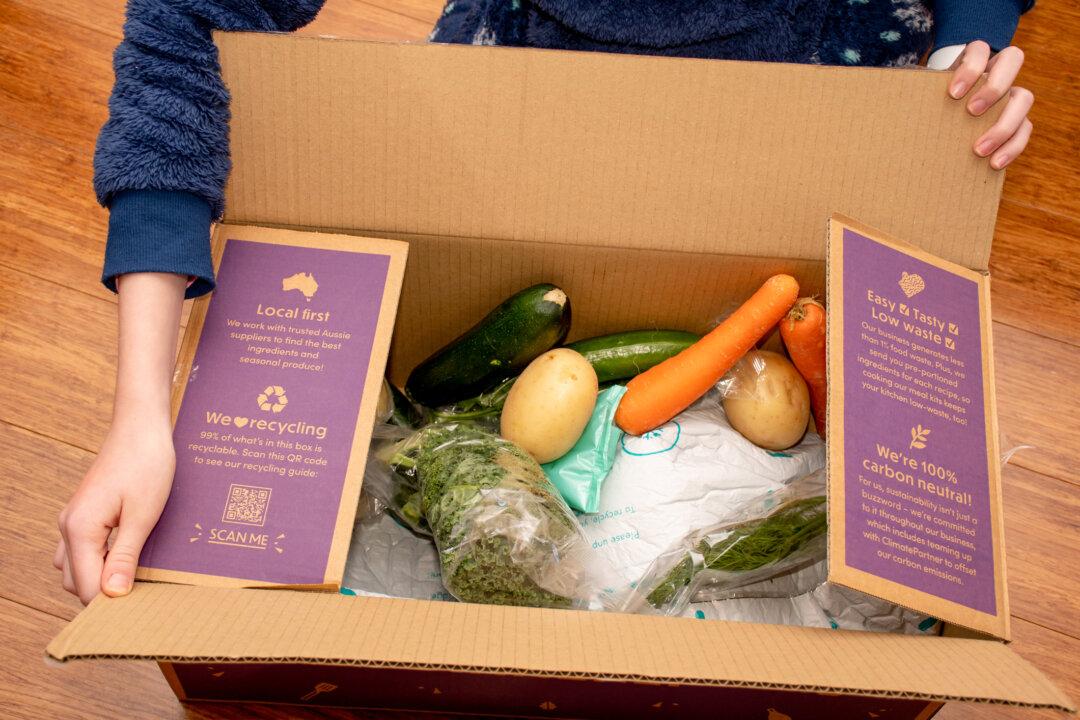
“Finding the diet plan that is right for you can help you make goals,” says Sharon Palmer, MSFS, RDN, The Plant-Powered Dietitian. “Many people find it easier to start out slow as they move towards eating a more plant-based diet,” Palmer explains. She suggests exploring the options by learning the basics in your environment, such as how to shop for plant-based ingredients in your neighborhood markets, nutritious meal planning, reliable recipes, cooking tips, and dining out options in your local restaurants and eateries.Start Where You Are
Chances are you’re eating plenty of plant foods now. Count those as a head start toward increasing your plant intake. Breakfast foods like whole grain cereals, breads, and pancakes topped with fruit and fruit spreads, nuts, nut butters, and avocado are made with typical pantry ingredients, they’re easy to prepare, satisfying, delicious, and meatless.Next Steps
Try these tips from Sharon Palmer to begin your plant-based journey today.Start with eating plant-based one day a week. Mondays are great because we often do shopping on the weekend and we’re all set for healthy eating and cooking.

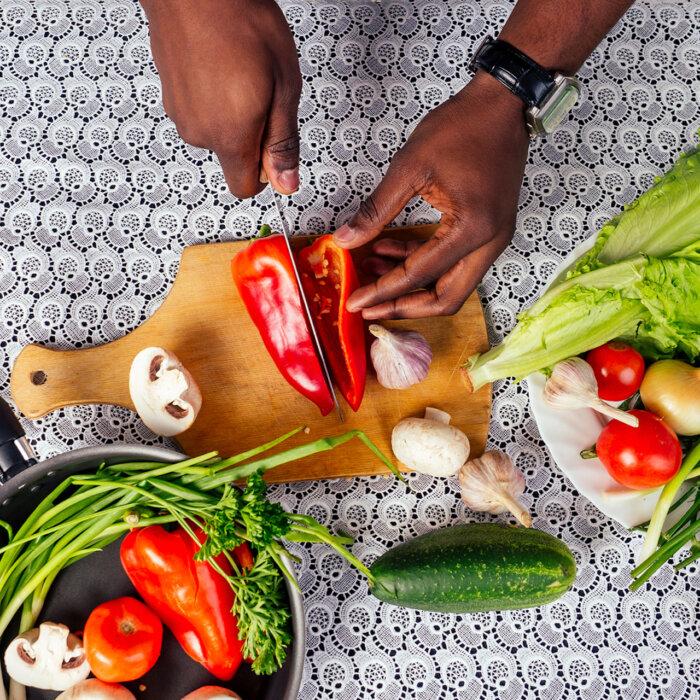
Meal prep plant-based lunches a few times a week, such as grain bowls, stews, or casseroles.
Prime the Pantry
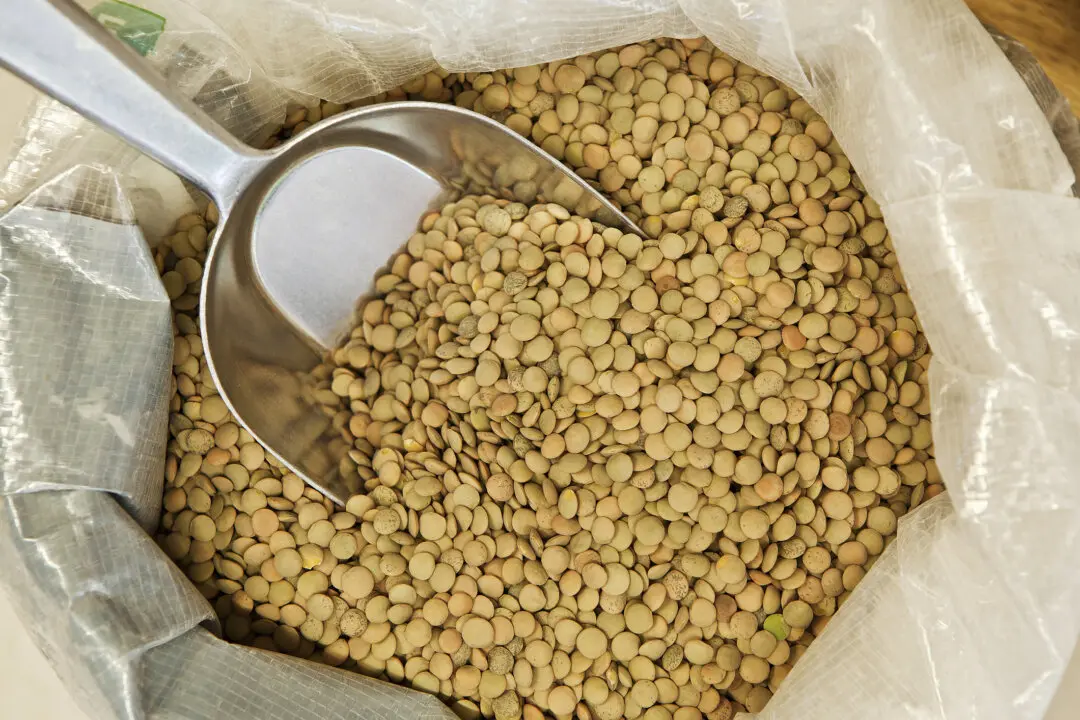
Filling your pantry with healthy plant foods broadens your meal prep options and removes the temptation of less healthy items. Keep a variety of plant proteins on hand, such as legumes. Dried or canned beans, peas, lentils, and chickpeas are readily available, inexpensive, and canned varieties can be quickly and easily made into a meal. Whole grain foods, such as oats, brown rice, quinoa, breads, and pasta contain essential amino acids and several vitamins and minerals, including iron, magnesium, and zinc. Nuts and seeds and their butters provide healthy fats. Finally, keep a steady flow of seasonal fresh vegetables and fruits, as well as frozen and preserved. Strive to eat from each of these categories daily with as much variety as you can. More variety means more diverse vitamins, minerals, and plant compounds.If you are significantly reducing animal products in your diet, Palmer says you need to supplement with vitamin B12, which is present in animal foods, but not plants. “Aside from that,” she says, “you can balance your diet wisely to get calcium, iron, and omega-3s through your choices, though supplements can help. It’s always a good idea to be prepared by speaking with a plant-based registered dietitian to make sure you are meeting your needs through diet.”