High in protein and nutrients, lentils have stepped into a diverse range of nutritious recipes for Meatless Monday and beyond.
The Folklore
Lentils have sustained ancient cultures all over the globe for 10,000 years. The oldest cultivated legume, lentils have been Biblically and historically referenced, yet have the long-time reputation as “the poor man’s meat.” It’s largely this role as a meat substitute that lentils—while far more ingrained in Middle Eastern and Indian cuisines—have become popular in the U.S.The Facts
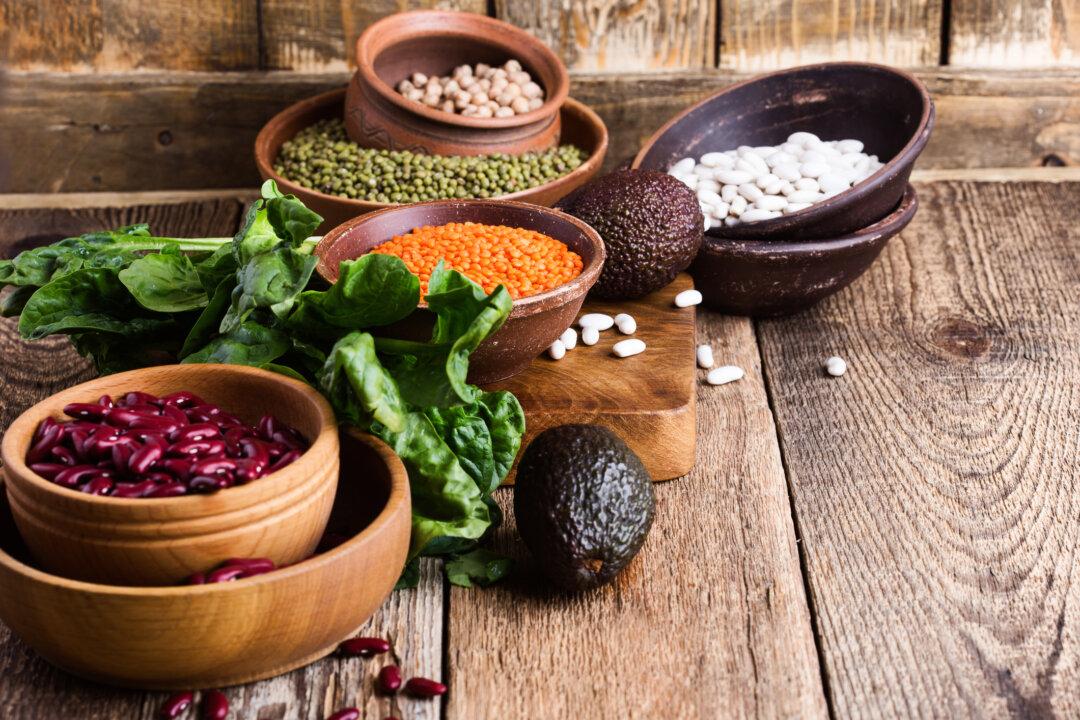
Part of the legume family, along with soybeans, fresh peas, and peanuts, lentils (Lens culinaris) are further classified as pulses, which are the dry, edible seeds from a legume plant. Lentils grow in pods with one to two lentil seeds, round or oval disks that are quite small. Dried lentils are available as whole, which means their husks are intact, or split, which means the husks are removed and they have been split in half. There are many varieties in a rainbow of earthy hues from red, yellow and green to brown and black. One half-cup of cooked lentils packs 32 percent DV (Daily Value, based on 2,000 calories/day) of dietary fiber, 45 percent DV of folate, and 18 percent DV of protein.The Findings
Rich in fiber, protein, and minerals, lentils may help support diabetes management and cardiovascular health. Their fiber and protein content benefit weight management, blood sugar regulation, and gut health (Current Research in Physiology, 2024). According to a study in the journal Nutrients (2024), regular lentil consumption may help lower cholesterol and post-meal blood sugar. Rich in plant compounds, lentils may play a protective role in chronic diseases, including diabetes, heart health, and cancer activity (Pharmaceuticals, 2022).The Finer Points
Lentils are available dried, pre-cooked canned, and packaged, and in mixes and ready-made soups and meals. When purchasing dried lentils, be sure there’s no moisture and the lentils are whole, not broken. Store up to a year in a sealed container in a cool, dark place. To cook, rinse lentils to clear debris, cover one cup lentils with three cups water or broth, bring to a boil, then simmer until tender—about 15 minutes for whole lentils, and five to seven minutes for split lentils. Season as desired. Enjoy lentils in salads, soups, and stews or as a ground meat substitute.Environmental Nutrition is the award-winning independent newsletter written by nutrition experts dedicated to providing readers up-to-date, accurate information about health and nutrition in clear, concise English. For more information, visit www.environmentalnutrition.com. Copyright 2026 Belvoir Media Group, LLC. Distributed by Tribune Content Agency, LLC.
Dear Readers: We would love to hear from you. What topics would you like to read about? Please send your feedback and tips to [email protected].