Most of us want to be “wise,” don’t we? Or at least to be considered wise by others.
There is certainly status to be had from appearing wise. But where does wisdom come from? The Old Testament gives a striking answer: “The fear of the Lord is the beginning of wisdom.” That is to say, wisdom begins not with intelligence, education, or experience, but with humility—with recognizing that reality is greater than ourselves. In other words, it comes from an attitude towards reality rather than an accumulation of knowledge.
Good Things Come in Small Packages
One of the strangest features of wisdom is that it often comes to us in very small packages. A sentence, a proverb, a fragment, a line remembered from childhood, a saying from Scripture, a maxim from the ancient East: These may lodge in the mind for decades. Indeed, they may outlast whole books, lectures, and systems of thought.We live in an age of information, but information is not wisdom. Information accumulates; wisdom condenses. Information tells us more and more about the world; wisdom tells us how to live in it. Information is plentiful; wisdom is scarce. This may be why the ancient world so often preferred the aphorism, the maxim, the proverb, the memorable saying. It knew that a truth worth preserving must be portable.
Consider the famous line from the “Tao Te Ching”: “He who knows others is wise; he who knows himself is enlightened.” The saying is short, but it reaches surprisingly deep. It distinguishes cleverness from self-knowledge. To know others may make us effective. To know ourselves begins to make us whole. The insight is not merely Chinese or Eastern; it resonates strongly with the Greek command at Delphi: “Know thyself.” It also anticipates much modern psychology, where self-deception is often the first obstacle to healing.
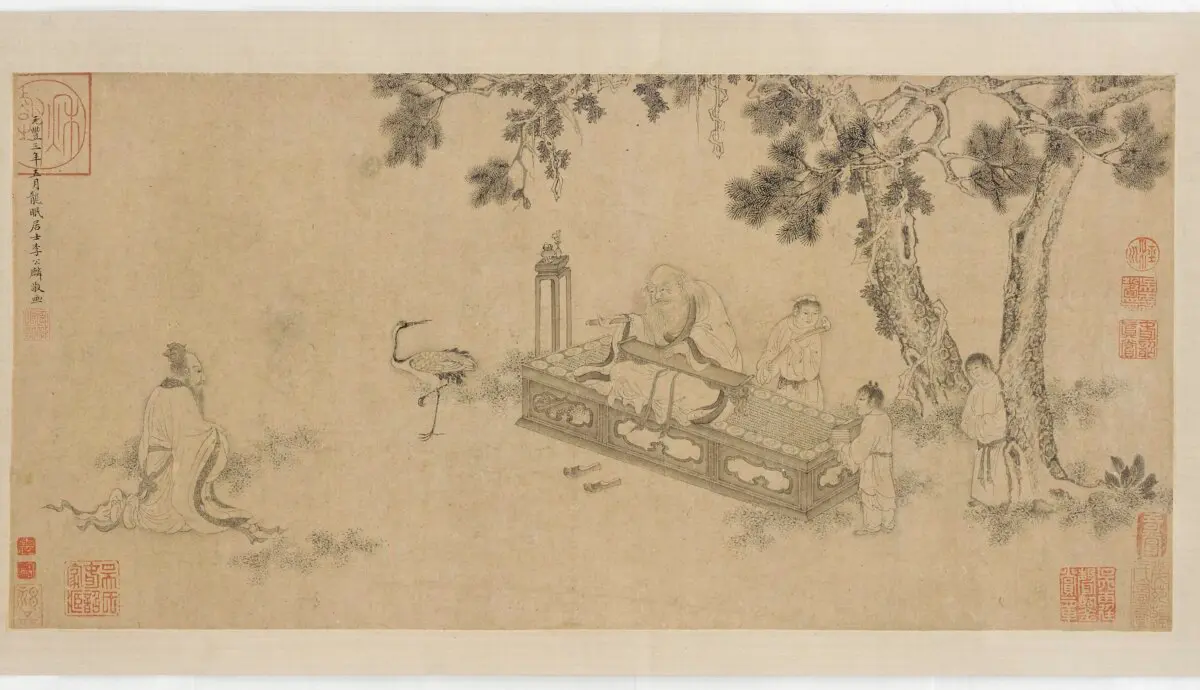
Another Taoist saying, now almost proverbial in the West, tells us that the “journey of a thousand miles begins with one step.” It has become so familiar that we risk no longer hearing it. Yet its wisdom is practical and profound. The great error of the human mind is often to be paralyzed by magnitude. We see the distance and therefore do not begin. But reality doesn’t ask us to travel 1,000 miles at once. It asks for the next step. This is wisdom as proportion: Begin where you are, do what is before you, and the vast may become possible.

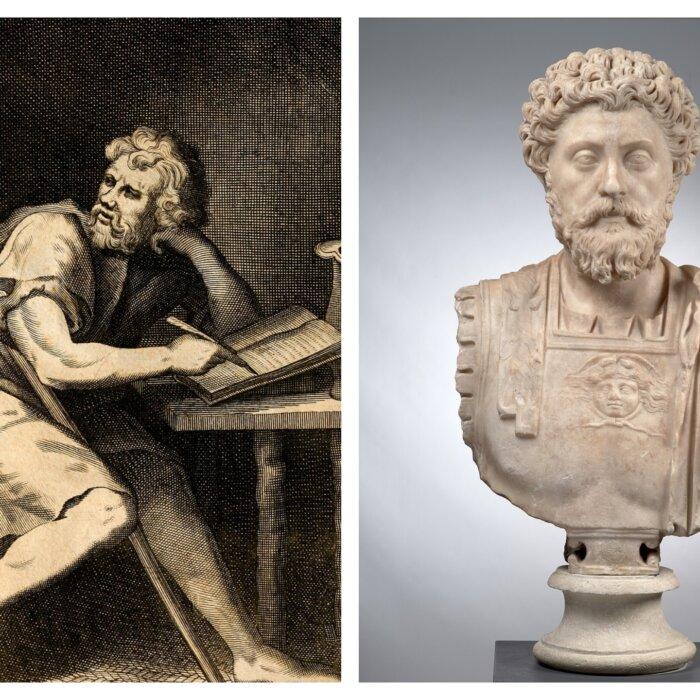
The Book of Proverbs performs a similar task in the biblical tradition. It takes moral experience and compresses it into memorable form. “A soft answer turneth away wrath,” Proverbs says. This is not weakness; it is mastery. To answer anger with anger is easy. To answer anger with self-command is wisdom. The proverb assumes something very difficult: that our immediate emotional reaction is not always our truest response. A person who can soften wrath has already subdued something turbulent within himself.
Then, there is the great warning: “Pride goeth before destruction.” Again, the line is almost too familiar. But it remains one of the deepest truths about human beings. Pride does not merely make us unpleasant; it makes us blind. The proud person cannot receive correction, cannot learn, cannot repent, cannot truly see another person. Pride is therefore not merely a moral fault but an intellectual one: it distorts our perception of reality.
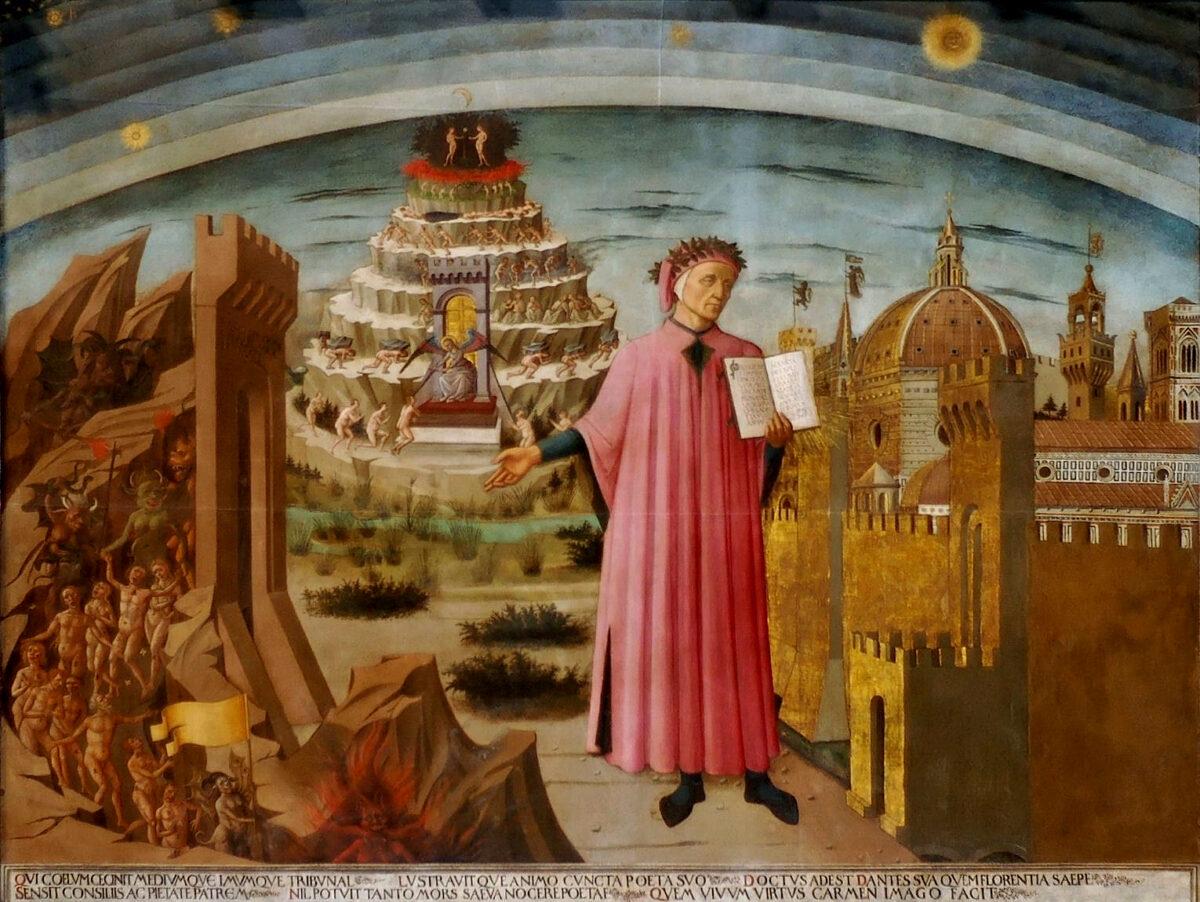
Perhaps the most graphic depiction of this blindness ever written—outside the sacred texts—is Dante’s “Divine Comedy.” The souls in Hell are blind in precisely this sense. They can reason, argue and remember, but they cannot see reality as it truly is. Indeed, one of the most frequently recurring verbs throughout the poem—apart from the indispensable “to be” and “to have”—is the verb “to see.” Dante’s entire journey is one of learning to see rightly, while the tragedy of Hell is that its inhabitants no longer can.
The Big Questions
Jesus, too, often speaks in sayings that have become part of the moral vocabulary of civilization. “By their fruits ye shall know them.” This is a devastatingly simple test. In a world of appearances, claims, rhetoric, and self-advertisement, the saying returns us to consequence. What does a life produce? What comes from this teaching, this leader, this movement, this action? Good intentions are not enough. Impressive language is not enough. We know the tree by its fruit.Or again: “The truth shall make you free.” This is one of the most famous sayings in the world, but also one of the most misunderstood. It does not mean that truth is always pleasant, or that it gives us instant comfort. Often the truth first wounds us. It exposes illusions, attachments, false self-images, and convenient lies. But precisely because it does this, it frees. Falsehood may console, but it imprisons. Truth may disturb, but it liberates.
Perhaps most searching of all is the question: “What shall a man give in exchange for his soul?” Here, wisdom takes the form not of a statement but of an interrogation. It is a question that cannot be exhausted. It asks us what we are willing to trade for success, approval, wealth, influence, comfort, or survival. It assumes that there is something in the human being more precious than all worldly gain. That something may be called soul, conscience, integrity, personhood, or the image of God.
Wisdom in Words
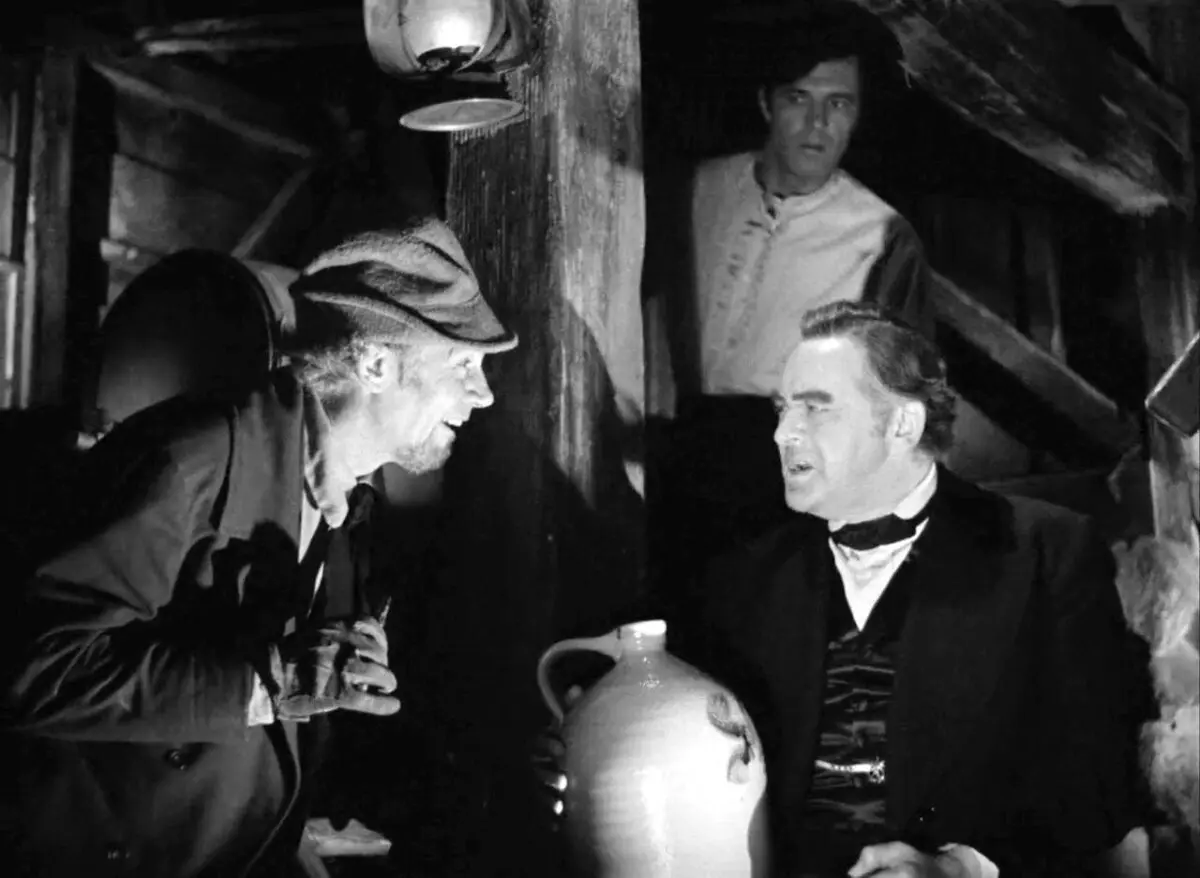
These aphorisms endure because they do several things at once. First, they are memorable. Their verbal shape matters. A clumsy truth is easily forgotten; a well-formed saying survives. Second, they are repeatable. They can be passed from parent to child, teacher to student, elder to community. Third, they are expandable. A proverb may be small, but it is not shallow. It can be returned to at different stages of life and found to mean more than we thought.This is one reason ancient wisdom differs so markedly from much modern advice. Modern advice is often therapeutic, managerial, or technical. It tells us how to optimize, cope, influence, network, succeed, or feel better. Classical wisdom does not ignore such matters, but it tends to ask more fundamental questions. What is the good life? What is the soul? What is virtue? What is justice? What do we owe to God, to neighbor, to family, to city, to truth?
Aphoristic wisdom is therefore not merely a collection of clever quotations. At its best, it is a discipline of perception. It trains us to notice the moral structure of reality. It says: Beware pride, practice gentleness, seek self-knowledge, do not confuse wealth with worth, examine the fruits, remember the soul.
Of course, aphorisms have limitations. Because they are brief, they can be misused. A proverb can become a cliché. A saying can be quoted without being understood. Worse, wisdom sayings can be turned into weapons, used to silence rather than illuminate. “A soft answer turneth away wrath” should not be used to excuse cowardice in the face of evil. “The journey of a thousand miles begins with one step” should not be reduced to motivational wallpaper. “By their fruits ye shall know them” should not become an excuse for instant judgement before fruit has had time to appear.
Even so, the aphorism remains one of the great vehicles of civilization. A society that loses its sayings loses part of its memory. It becomes verbose but not necessarily wise. It may speak endlessly and yet have nothing worth repeating. In our own distracted age, perhaps we need such sayings more than ever. Not as slogans, and not as decorative quotations on social media, but as seeds of reflection. The right saying at the right time can halt folly, console grief, awaken conscience, and recall us to ourselves.
Wisdom, then, need not always arrive as a system. Sometimes it comes as a sentence. And if the sentence is true enough, we may spend the rest of our lives growing into it.
In our next article in this series, we‘ll look at an even more powerful form of condensed wisdom: not merely the aphorism, but the parable. We’ll see how stories penetrate even more deeply into the heart of things, offering a wisdom that is suggestive, profound, and inexhaustible.