No two families celebrate Christmas in the same way.
Some light up their homes like Broadway; others put an electric candle in each window and a wreath on the door. Some go for a real tree, others for an artificial one. Some watch a favorite movie on Christmas Eve such as “It’s a Wonderful Life,” while others go to church. Some open presents that evening, others on Christmas morning, and still others do both. Some serve turkey for the holiday feast, some bake a ham, and some order Chinese takeout.
‘Meri Kurisumasu’
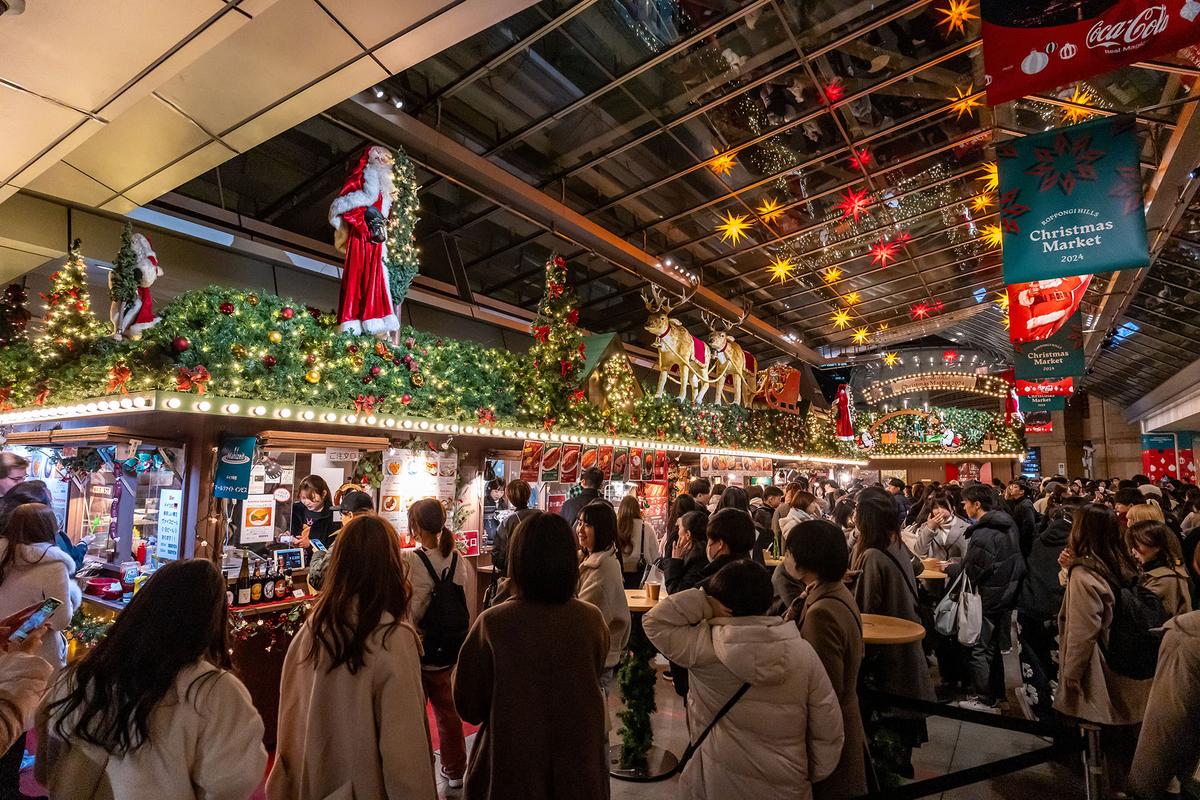
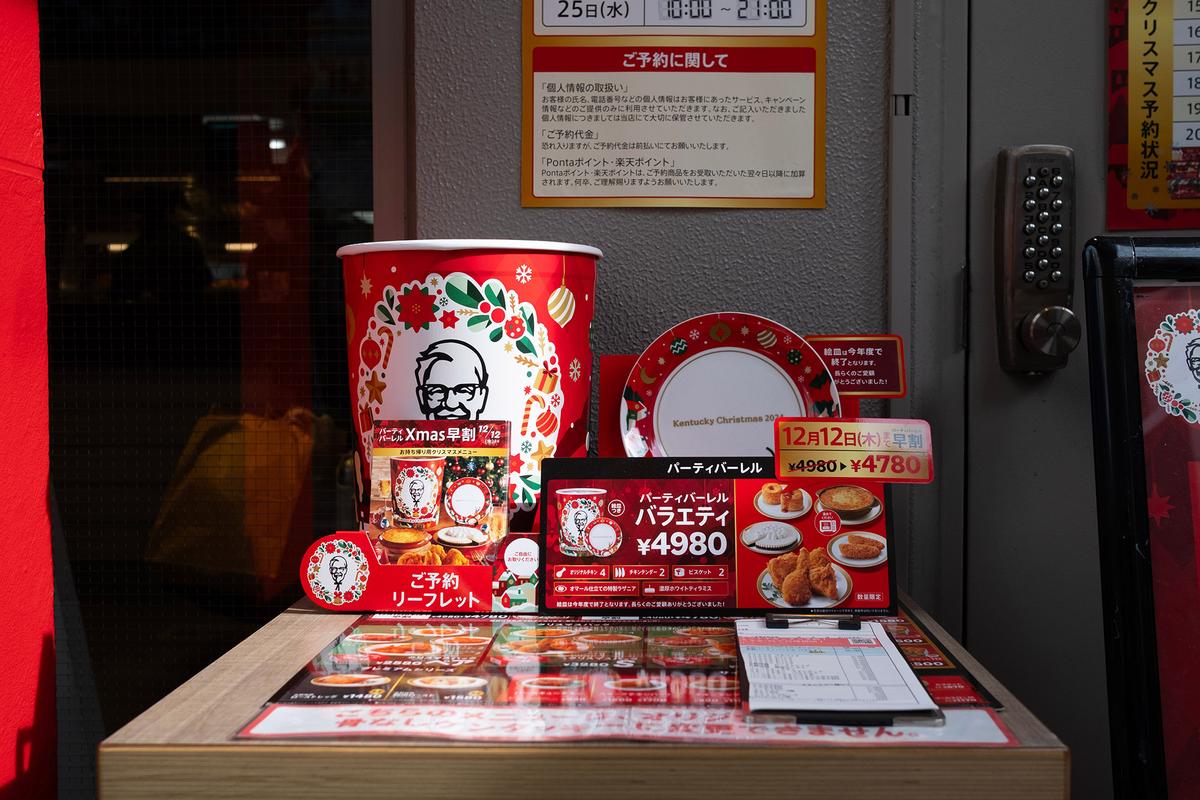
Although Japan has few Christians, Christmas caught on there more than 50 years ago. Lovers may give each other gifts on Christmas Eve, rather like on Valentine’s Day here, and some public decorations go up, especially at Japan’s Disney Resort.“Nobody does chicken like KFC,” runs another of the company’s slogans. Apparently, the Japanese agree.
‘Sheng Dan Kuai Le’
Like Japan, China has a tiny Christian population, yet in the big cities you’ll find many large stores decked out in holiday lights. And as in Japan, Christmas Eve is a time when an increasing number of couples exchange gifts.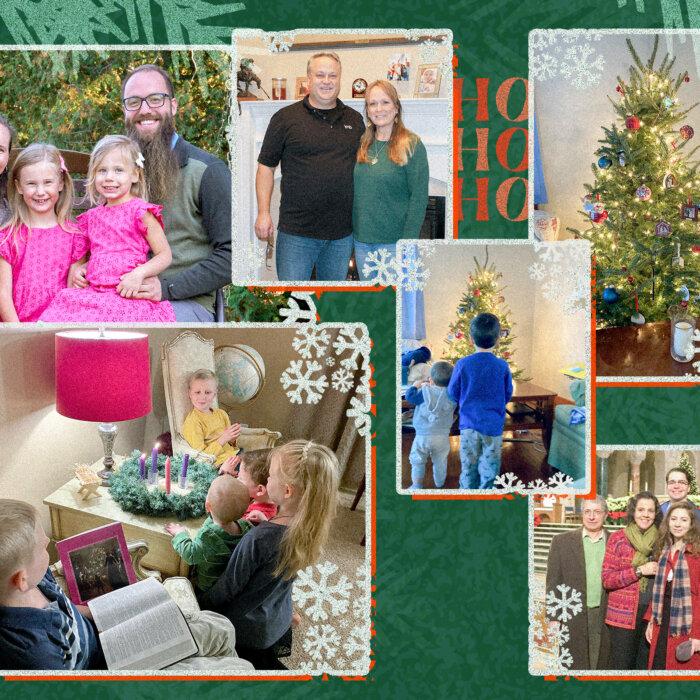
But there is one practice unique to China. In the United States, Santa often puts an orange in a child’s stocking. Theories vary as to why this is, whether it is a symbol of the gold St. Nicholas once secretly left for a poor family or of generosity, given that the orange may be easily divided and shared. During the Great Depression, it was also a rare and affordable treat.
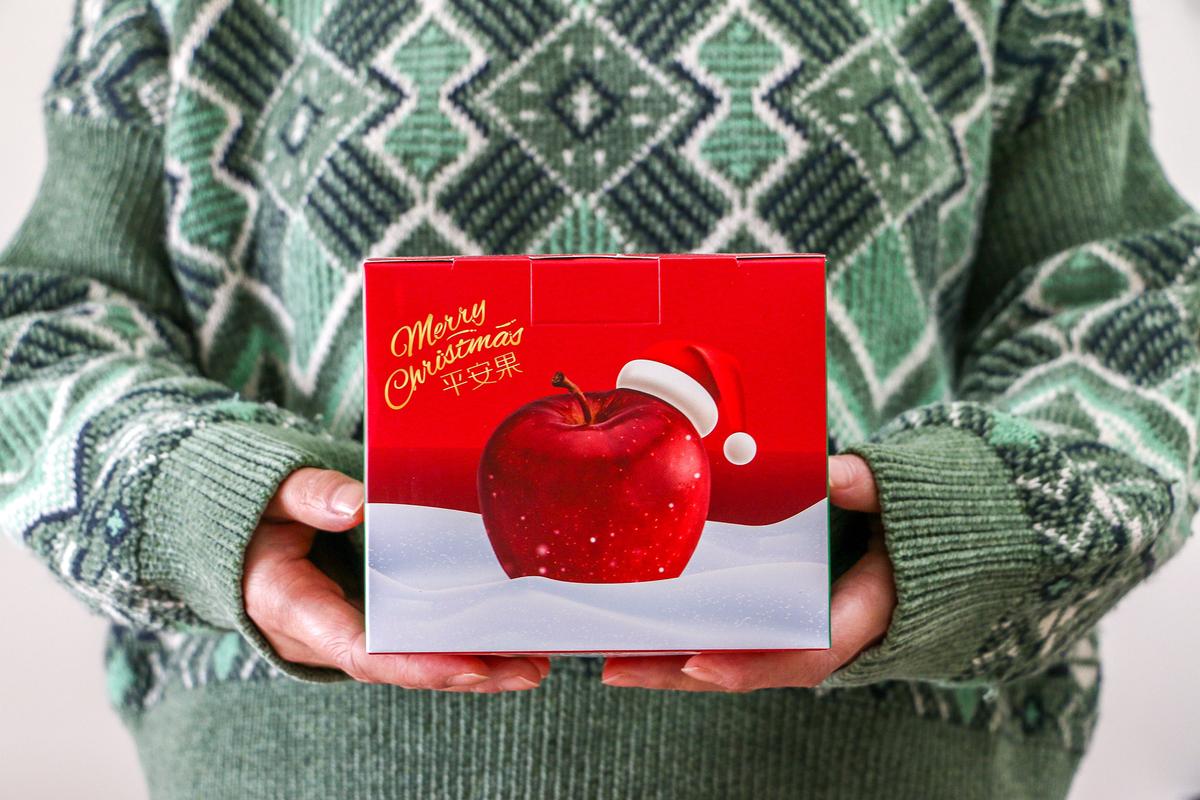
However, in China, some grocers now wrap apples in festively colored paper and sell them as part of their Yule merchandise. The reason? Linguistics. “Ping’an Ye” is their word for Christmas Eve, which means peaceful evening, a phrase adopted from the popular carol “Silent Night.” In Mandarin an apple is “pingguo,” which sounds like the word for peace.
Just another instance of comparing apples to oranges.
‘Maligayang Pasko’
Those in the holly-and-ivy crew who listen to Christmas carols in July and decorate their yards and homes in October are going to love this one: Shop owners in the Philippines start piping out the songs and carols in September. The ensuing months-long celebration finally ends on Jan. 6, Epiphany, the Feast of the Three Kings.Christmas in this island nation is a mix of local and Western traditions. Decorative trees, cards, and carols are a part of the celebration, but they’re mixed with customs such as the “parol,” a bamboo pole with a lantern on one end representing the star that guided the wise men to Bethlehem. You’ll see these decorations everywhere as Christmas Eve approaches.
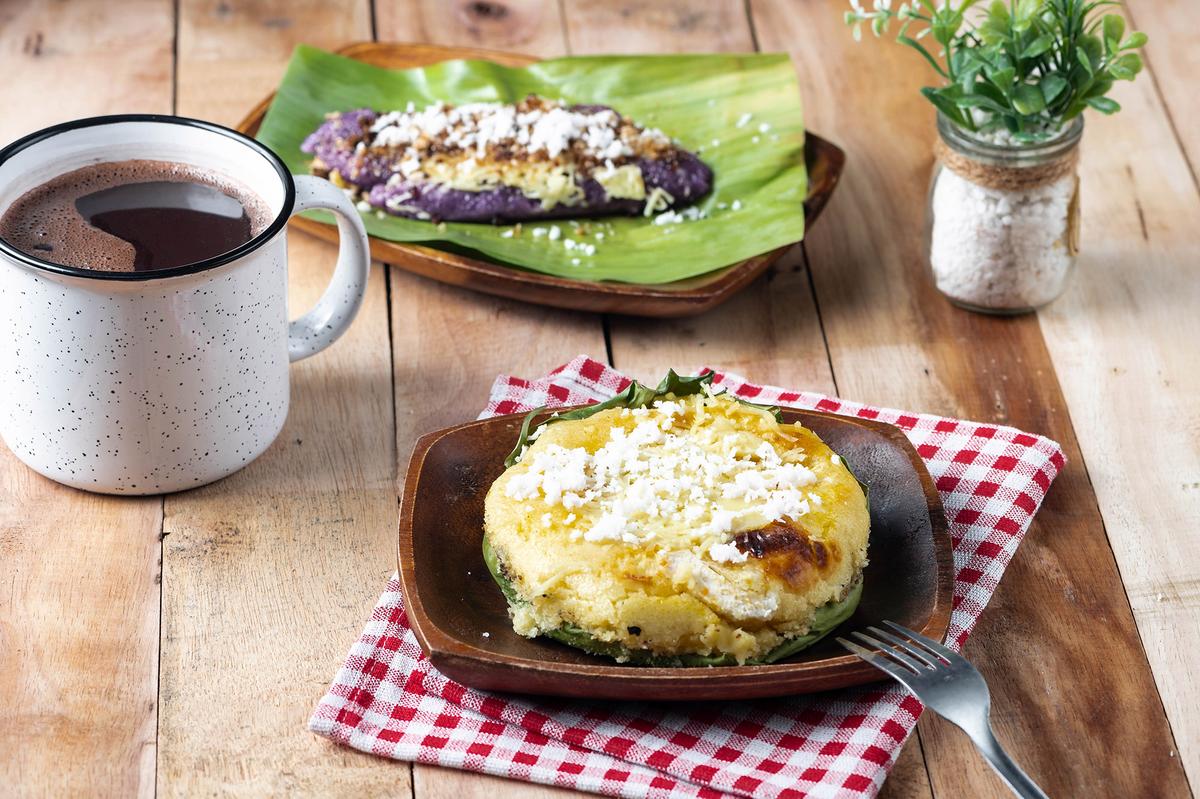
On that day, after the faithful have attended Mass, the partying takes off with “Noche Buena,” in which houses are opened to neighbors and friends and foods such as lechon (a pork dish), rice cakes such as bibingka, and fruits are served up through the night and into the wee hours of the morning.
And although Santa Claus may live at the North Pole, he spends a lot of time in this nation of more than 7,000 islands. For more than 50 years, a flesh-and-blood Kris Kringle, Santa R-Kayma Klaws, replete with the requisite pot belly, white beard, and red outfit, would entertain children, visit the poor, and step in to assist and raise funds in times of disaster.
‘Buon Natale’
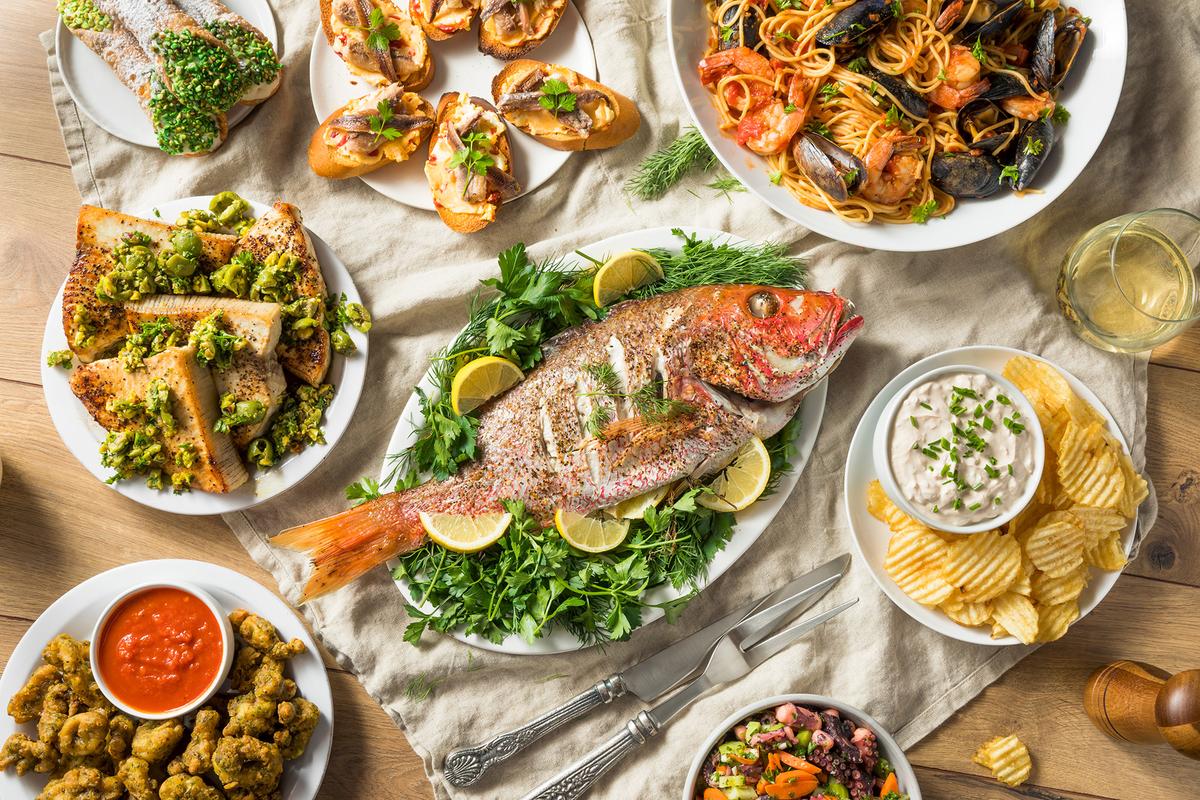
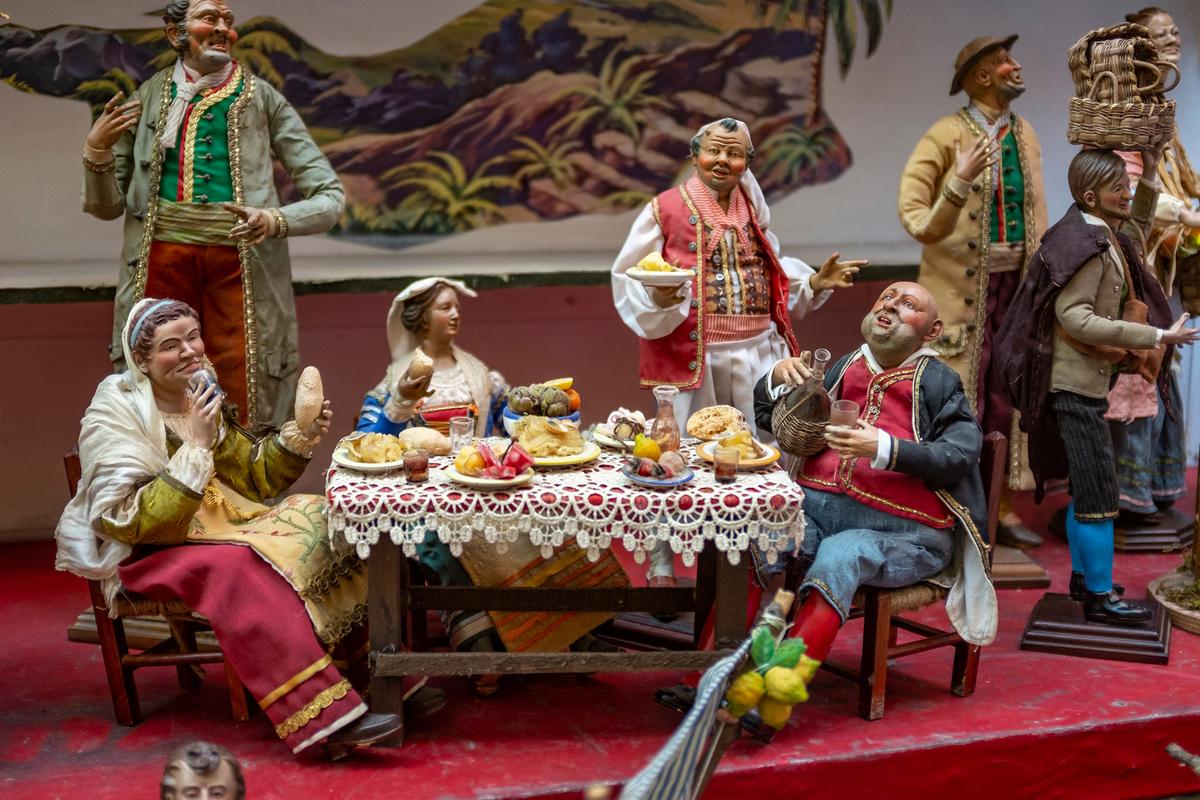
Centuries of Christmases past lie behind the celebrations and traditions of Italy: Midnight Mass on Christmas Eve, for example, followed by the Feast of the Seven Fishes, at which seven dishes—and sometimes more—are served up, featuring aquatic delights such as clams, cod, and calamari.If we swing south to Naples, Italy, we find ourselves in “Creche City.” St. Francis may have instituted the Nativity scene, but the Neapolitans take the prize for the best nativity sets in the world, as well as for the world’s largest nativity, with more than 600 pieces. Along the Via San Gregorio Ameno are skilled craftsmen still producing original figures, pieces, and sets.
‘Merry Christmas’
Canada and the United States share many Christmas practices: decorations, cards, Santa Claus, church services, and presents. And like the United States, Canada has groups of people who observe their own special customs during the holidays: those of French descent in Quebec, for example, or the large Ukrainian population.
On Dec. 6, 1917, during World War I, two ships collided in the harbor of Halifax in Nova Scotia, Canada. That collision set off the highly volatile munitions in the cargo ship, causing the world’s most powerful manmade non-nuclear explosion in all of human history. More than 2,000 people died—some onlookers on the dock were vaporized—and 9,000 more were wounded. Learning by telegraph of this horrific tragedy, the city of Boston dispatched food, medical supplies, and personnel to the scene of this catastrophe in less than a day.
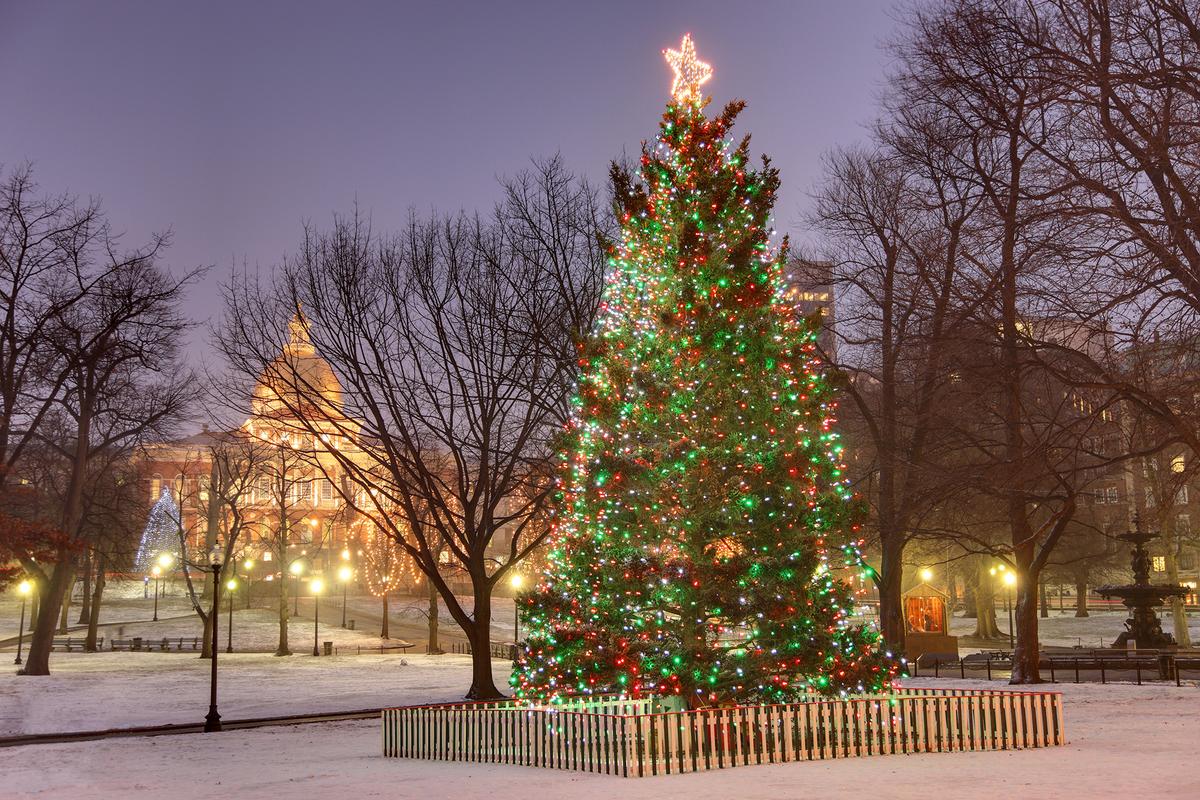
To repay this noble generosity, in 1918 Nova Scotia sent a tree to Boston for Christmas. In 1971, that act of gratitude was revived, and since then, every year the finest tree that can be found in Nova Scotia is shipped to Boston under police escort and erected on Boston Common for the city’s annual holiday lighting ceremony.
Joy to the World
“Love came down at Christmas,” poet Christina Rossetti wrote.Sometimes that love is hard to detect, buried as it is in the customs of the season. But whether it’s a kid lighting up Christmas Eve with fireworks—“fuegos artificiales,” in the Dominican Republic—a South Korean grandmother putting together the traditional Christmas cake, or a New Hampshire family singing carols in their living room, peace, joy, and, above all, love are the dishes common to this buffet of customs. Say “Merry Christmas” in any language and you’re adding a candle to the festivities.
With that thought very much in mind, dear readers, Merry Christmas to you all.