Thomas Jefferson said, “it is absolutely essential in a nation that practices self-government ... to be dependent on an educated and enlightened citizenry.”
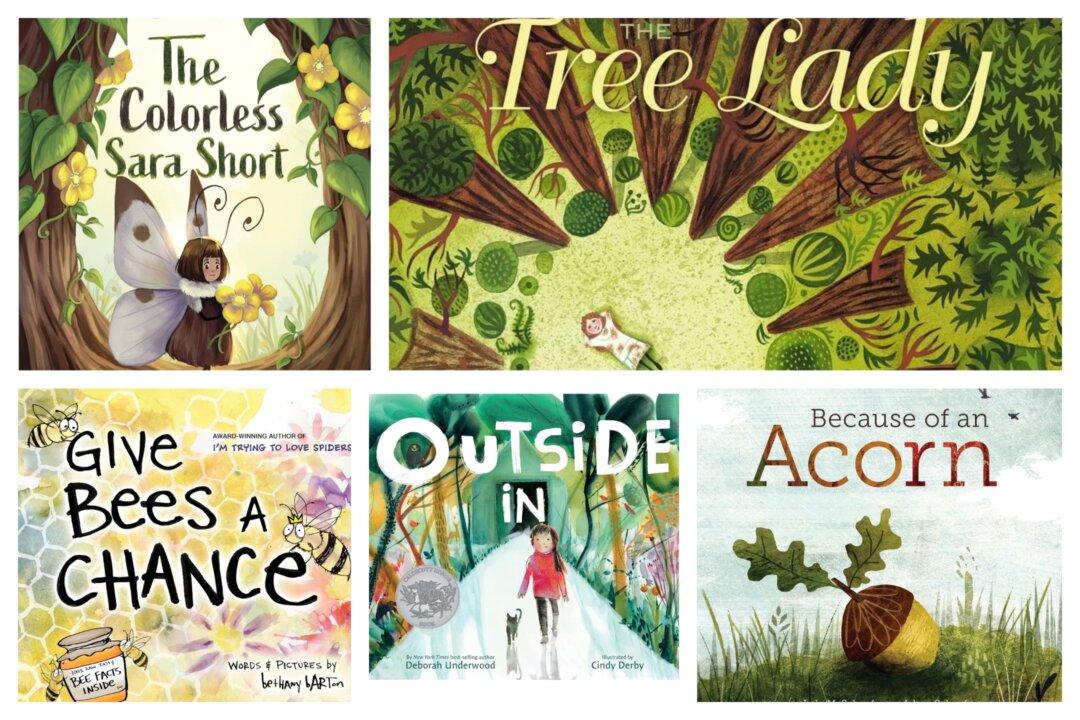
This year marks America’s 250th anniversary. It’s the perfect time to encourage children to spend the time reading American authors as part of the national anniversary celebration. Children may even want to enter the Summer Reading Challenge run by the White House, encouraging children from kindergarten through 8th grade to read 12 books of their choice through Sept. 5. Second Lady Usha Vance is in charge of the program.
One author who’s helped entice young Americans to read is Dr. Seuss. He showed the world that reading doesn’t have to be a chore. The American author likely reduced the number of reluctant readers greatly.
While Dr. Seuss is controversial—then, for misunderstanding the danger of communism and, now, for what has been called unconscious racism, the positive effects of his works outweigh the negative. His books are so unique, the rhymes are really a joy to hear, the “thinking out of the box” mentality is really “out of this world,” and the humor is laugh out loud. They have all these features and a wide range of themes in stories that appear simple on the surface but carry surprising depth.
Against Prejudice
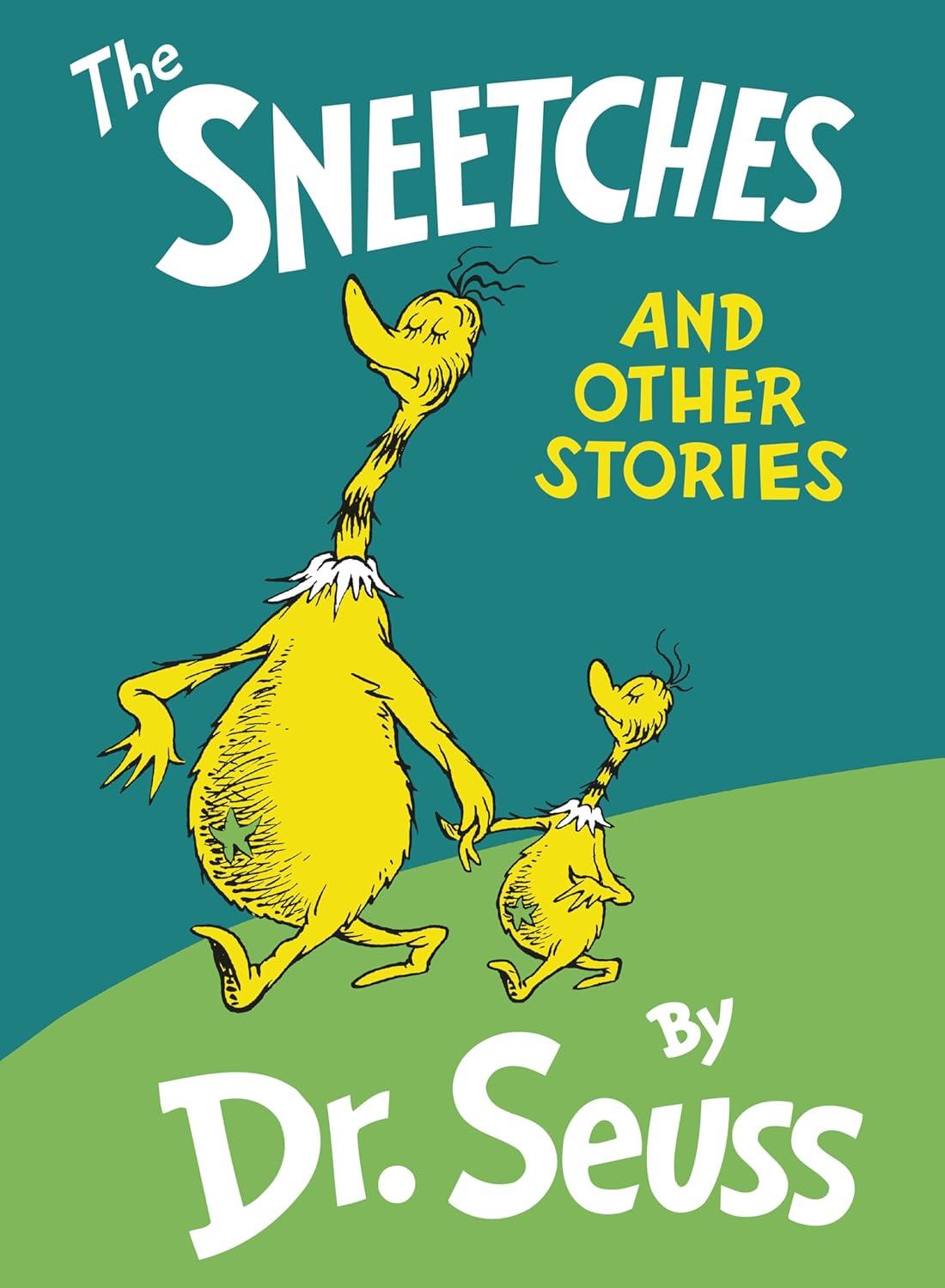
‘The Sneetches and Other Stories’
The Sneetches show that people often value superficial differences. The Star‑Belly Sneetches are differentiated only by having stars on their bellies. They feel superior. The Plain‑Belly Sneetches desperately want stars because they want acceptance and don’t want to feel inferior. An opportunist exploits these differences by selling a machine that adds stars to the bellies of the Plain-Belly Sneetches. Excited and eager, the Plain-Belly Sneetches line up. Soon, the previously discriminated-against Sneetches boast shiny new stars.
Promoting Imagination
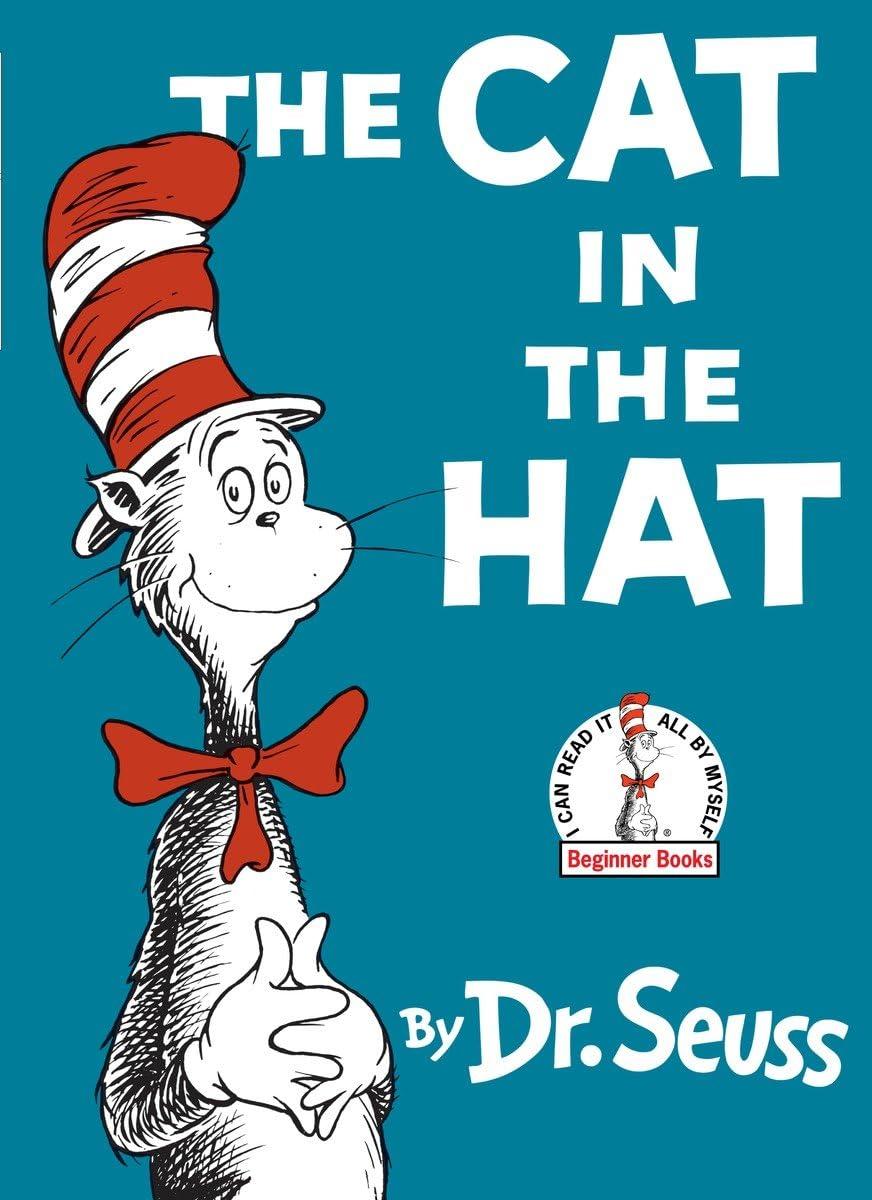
‘The Cat in the Hat’
Dr. Seuss believed that imagination is what makes life interesting. In the book, two children are stuck at home alone on a rainy day. An anthropomorphized cat with two strange companions enters and wreaks havoc on the house. A goldfish serves as the children’s conscience, warning them to put a stop to the cat’s antics. In the end, the cat uses a machine to clean up the mess before mom gets home. The book’s ending asks if the children should tell their mother what happened.Taking Responsibility
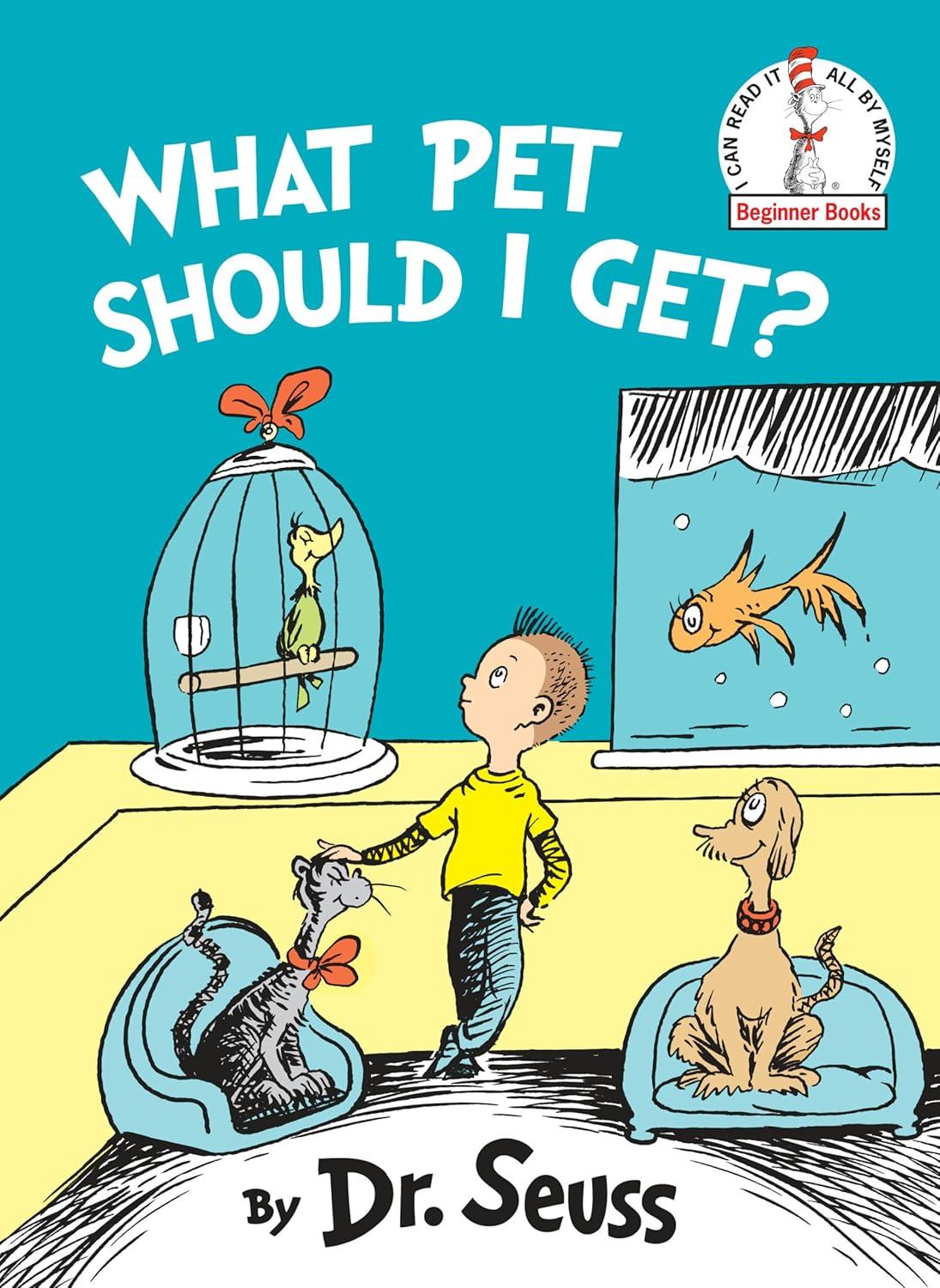
‘What Pet Should I Get?’
Pets do so much for us; they offer a special kind of companionship, love us unconditionally, and bring us endless joy. Adults aren’t the only ones who reap the benefits of owning a pet—they can be great for children’s physical, emotional, and mental health too.Overcoming Tyranny
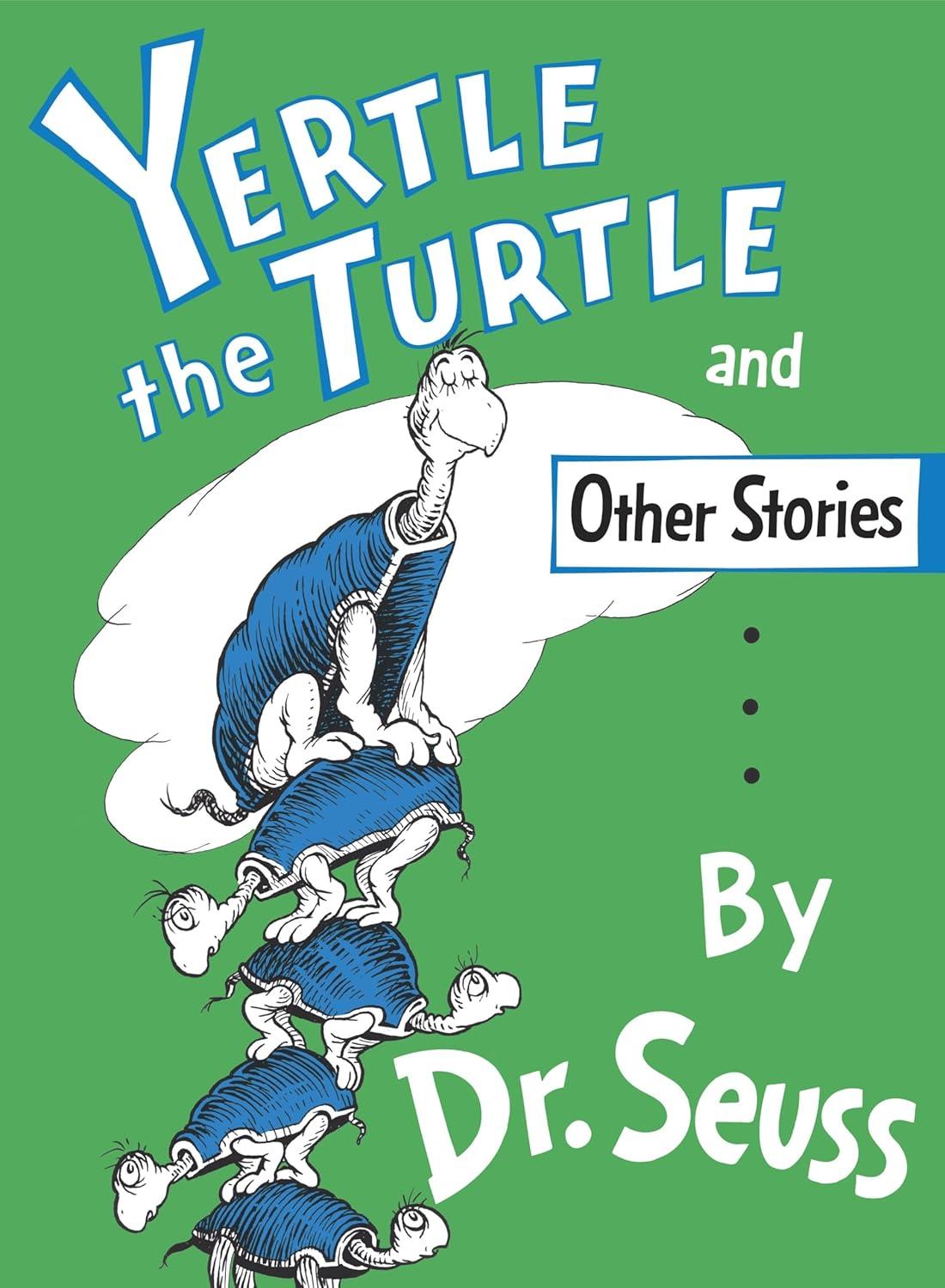
‘Yertle the Turtle and Other Stories’
The turtles were content until their King Yertle decided he want to see more of the world. He believes he could rule whatever he sees. He calls nine turtles and makes each one stand on another’s back. This creates a nine-story stack bound to keep children entertained. Then he decides to go even higher.Overcoming Fear
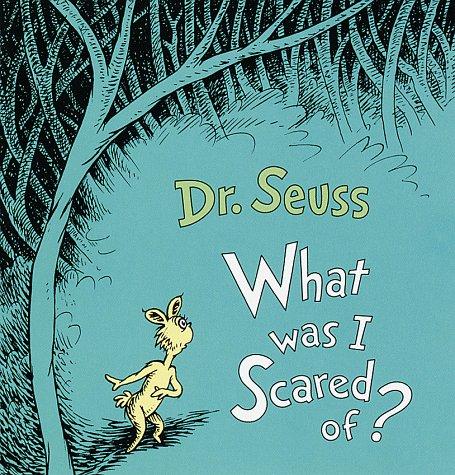
‘What Was I Scared of? A Glow-in-the-Dark Encounter for Kids’
The main character is walking at night and spies a pair of pale-green pants with no one in them. He’s scared but insists he isn’t. Other times, he meets the spooky pants and is terrified. One night, he reaches into a bush and discovers the empty pants right in front of him. He yells for help. The next minute, the pants begin to cry. The main character realizes the pants are as afraid of him as he was afraid of the pants.Aging
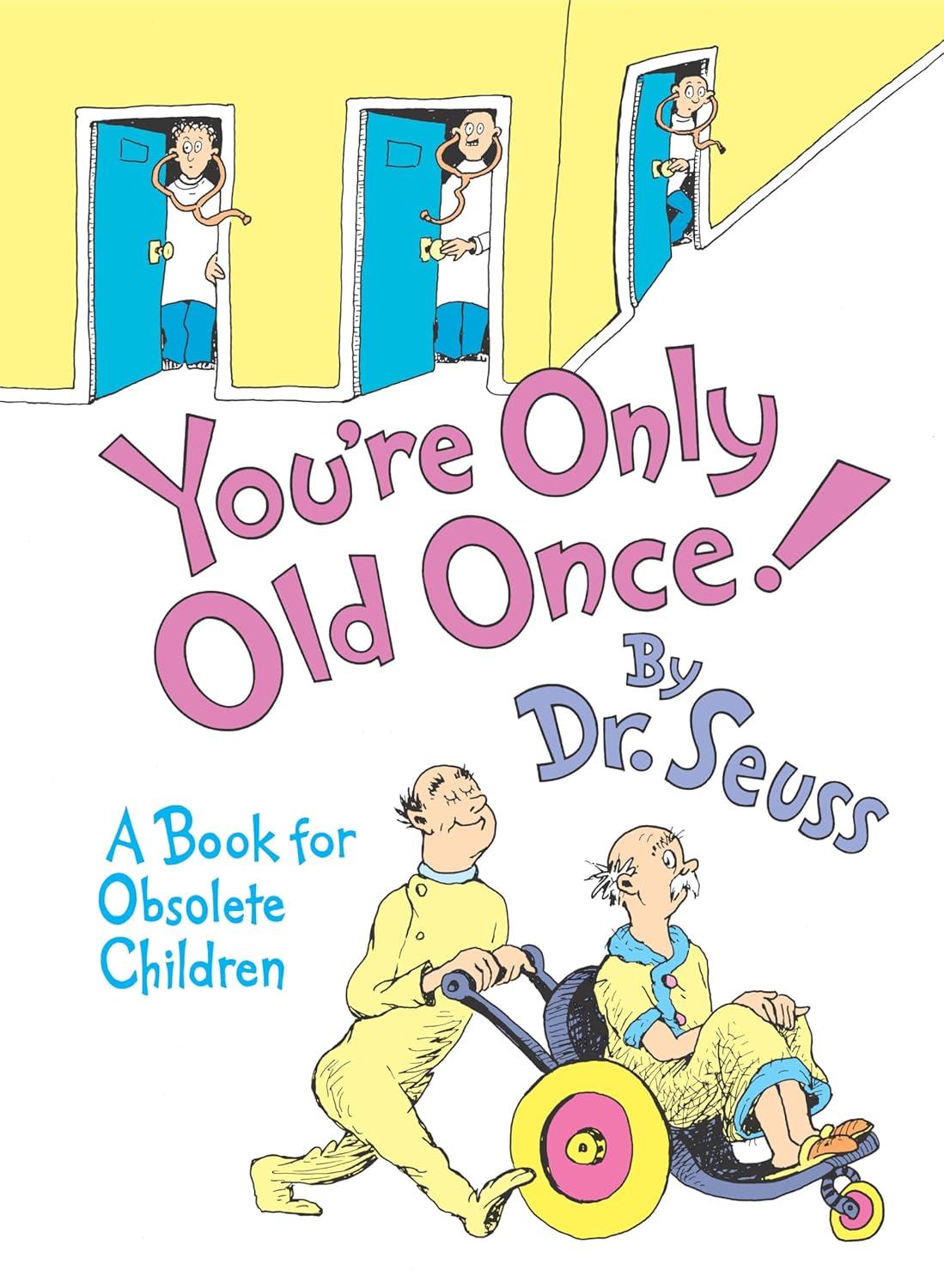
‘You’re Only Old Once! A Book for Obsolete Children’
I couldn’t resist including this book because I want to expose Dr. Seuss to all ages. The book proves that Dr. Seuss’s sharp wit and colorful imagination are a treat for adults as well as children.The book came out on Dr. Seuss’s 82nd birthday. The story follows an elderly man visiting the “Golden Years Clinic on Century Square for Spleen Readjustment and Muffler Repair,” where he undergoes a series of ridiculous examinations. The book satirizes the healthcare system, the cost of medical tests, and difficulties that older people suffer. I’m a senior and while the book hits too close to home occasionally, it still makes me laugh.