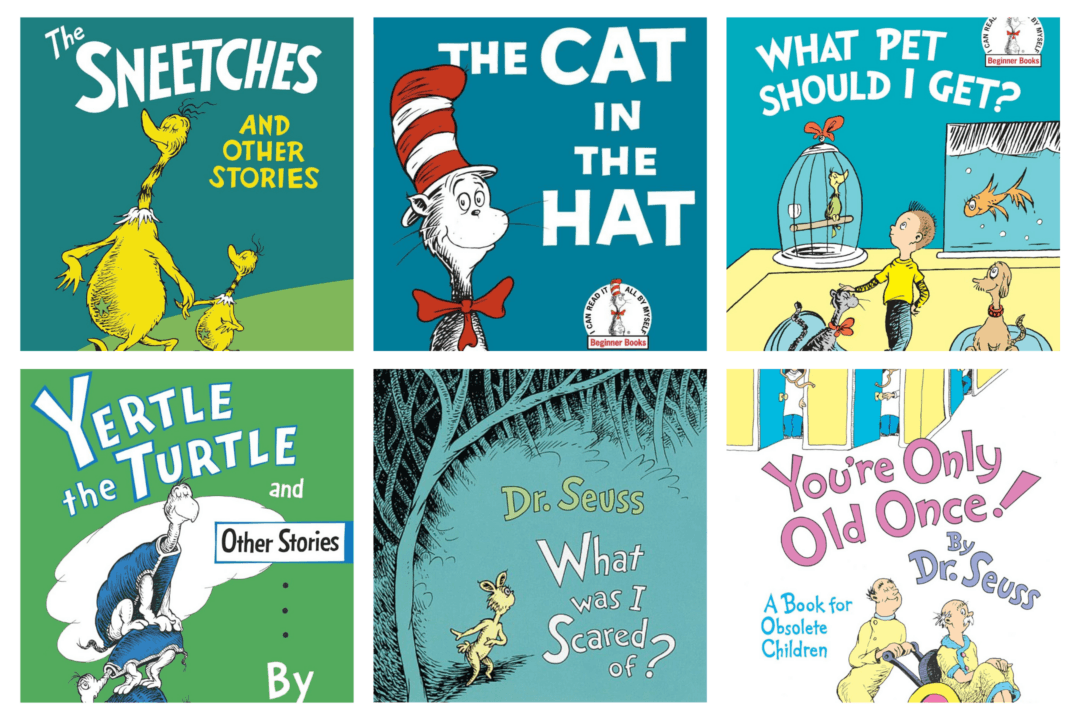
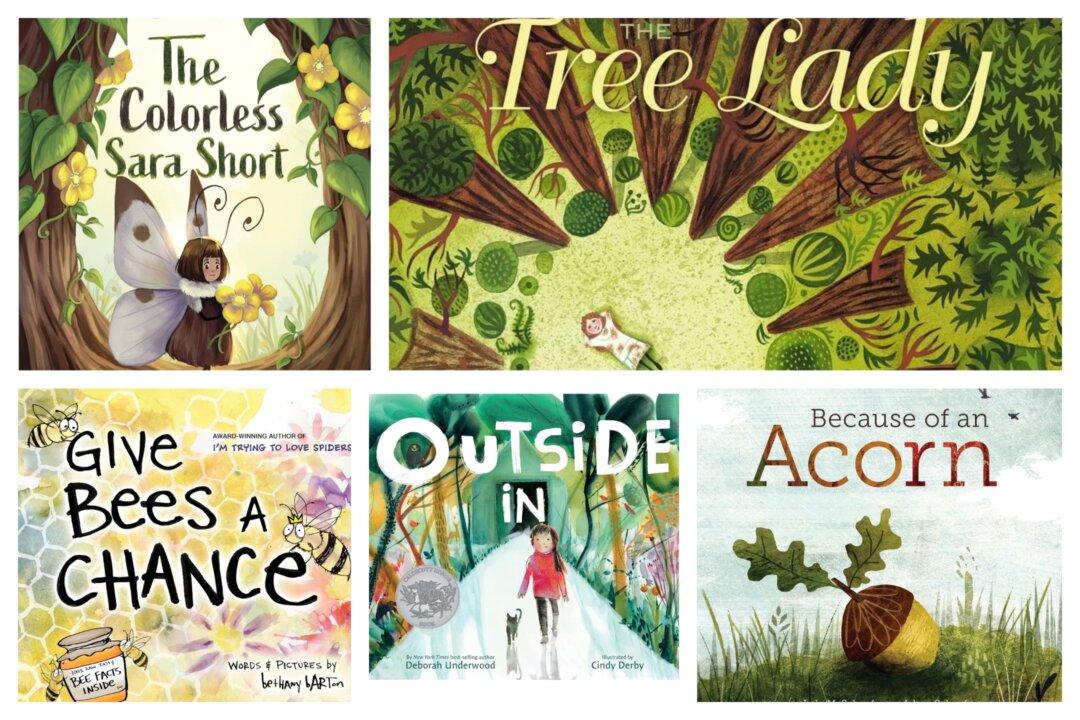
Wordless children’s books rely on illustrations to tell the story and contain little or no text. They are a prime example of the saying that a picture is worth a thousand words. To me, catalogs, photo albums, and travel brochures are examples of wordless books, even though they are not usually thought of that way.
Magic Drawings Come Alive
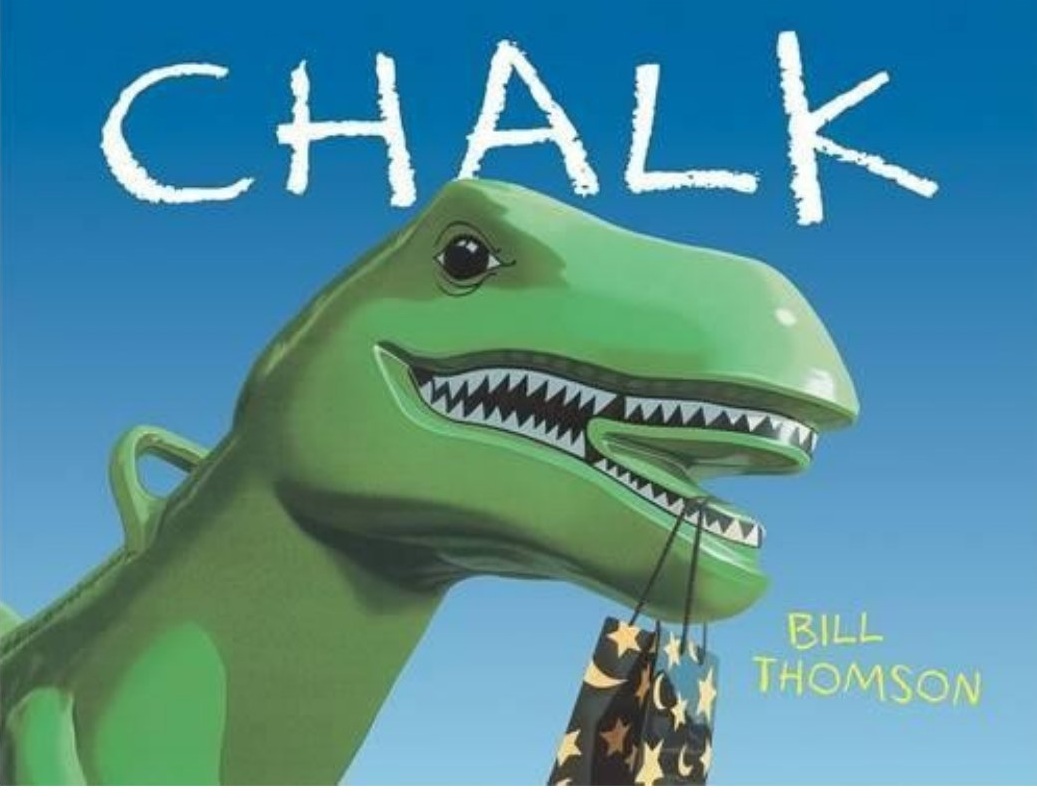
Thomson carefully created each illustration by hand, blending acrylics and colored pencils to give the book its rich visual appeal. Have some chalk or other drawing tools available after reading for extra fun.
Two Lions, 30 pages, Oct. 30, 2012Kindness Changes Everything
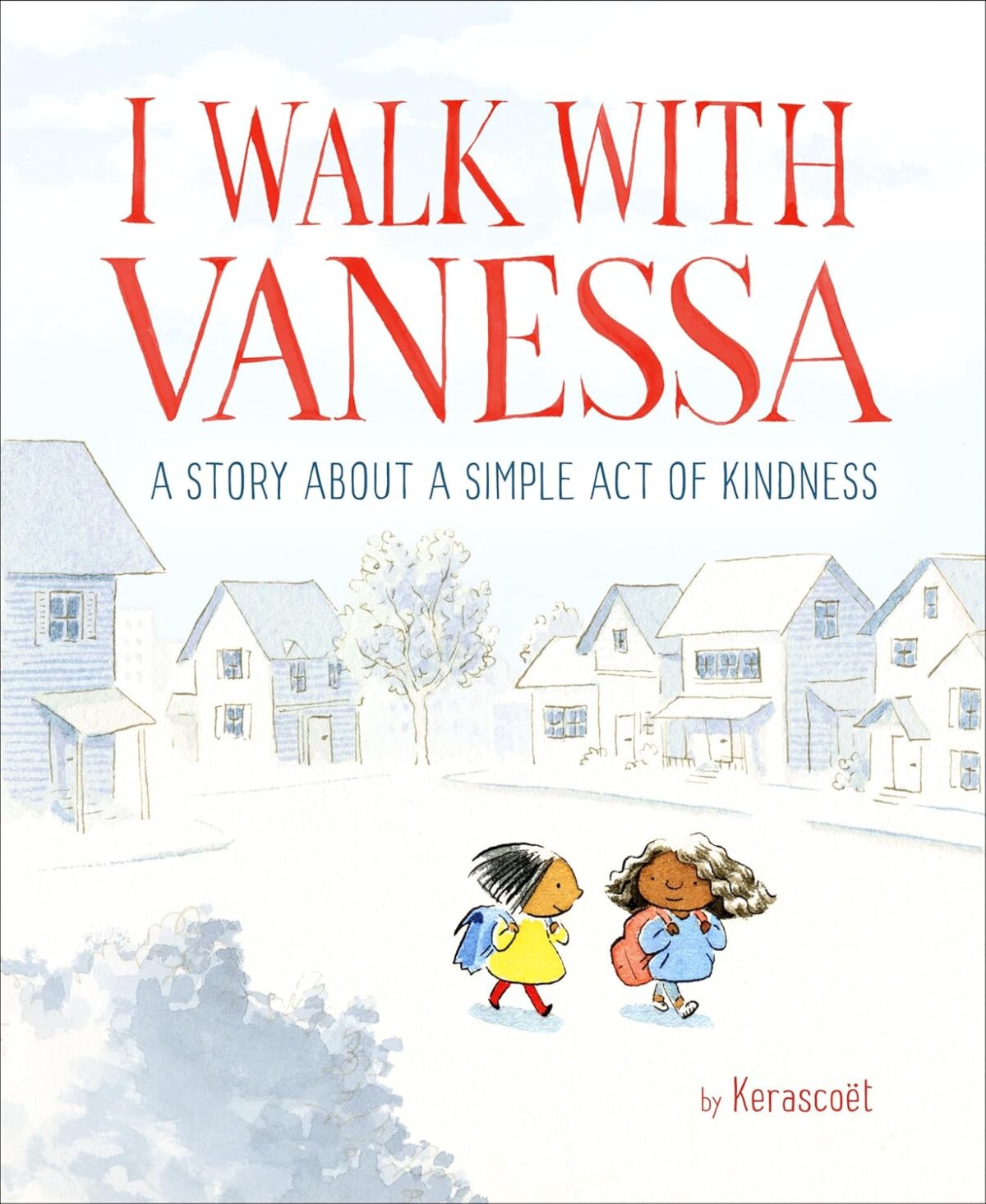
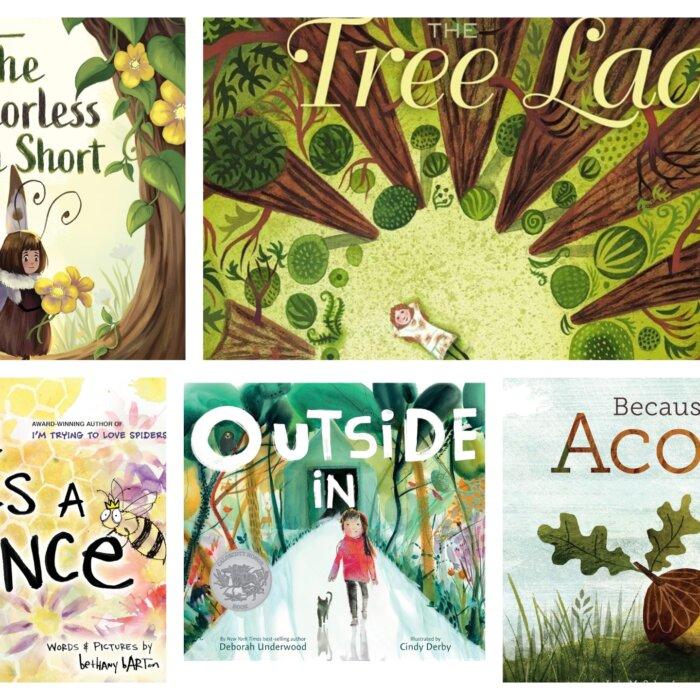
It is Vanessa’s first day at a new school, but no one seems to care. The teacher introduces her to the class, but after that, there is no attempt to include her in any activities. As Vanessa walks home, she is bullied. Meanwhile, the children around her seem more intent on looking at a squirrel in a tree than stopping to help. Vanessa cries and runs into her house. A kind girl notices.
The next day, the girl decides to walk with Vanessa to school. A few more children join them, and then more and more. By the end of the book, it appears the entire school is walking with Vanessa.
This book shows how even a small act of kindness can create a powerful ripple effect.
Nature’s Icy Masterpieces
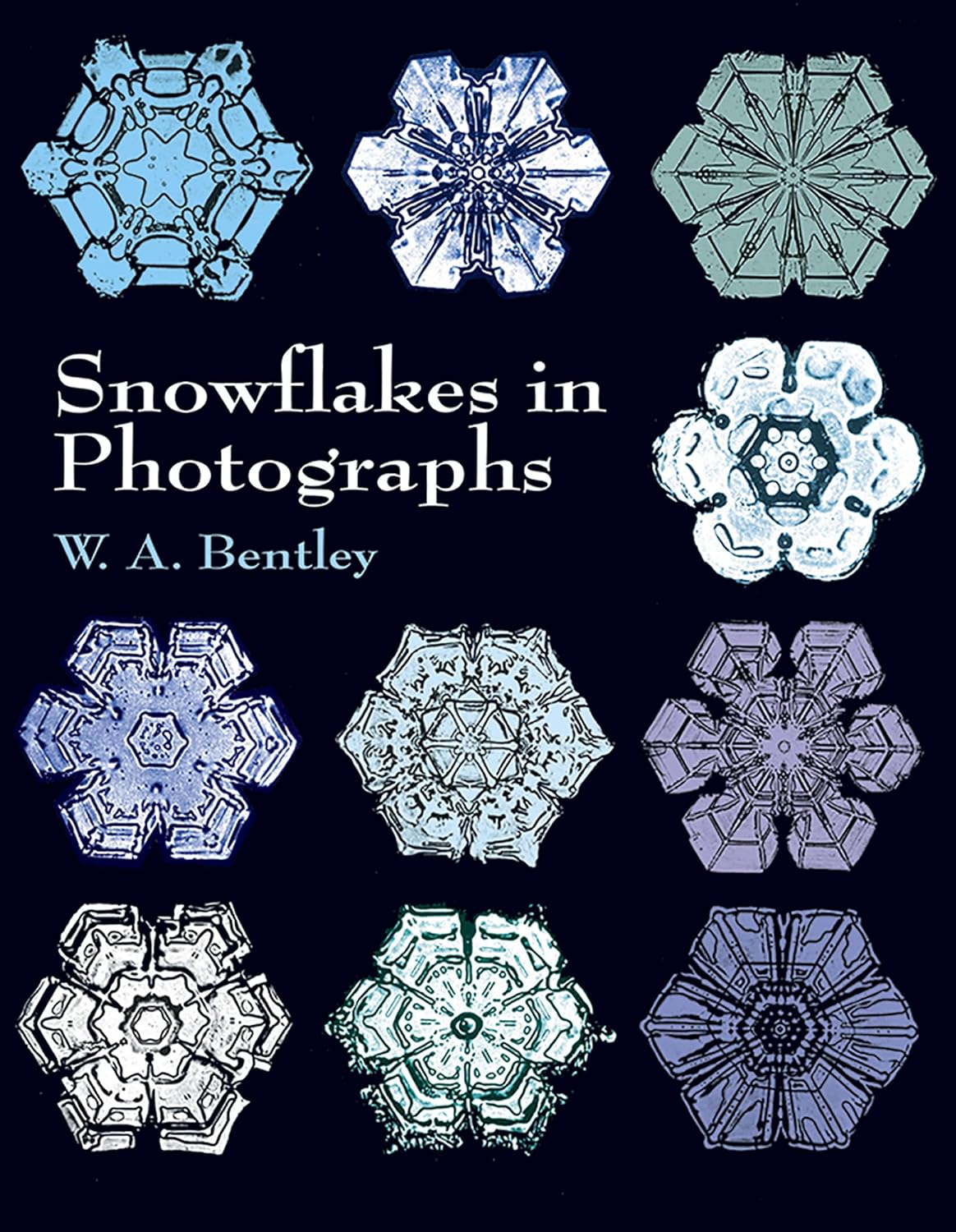
This fascinating wordless picture book is a wonderful way to discover art and science in nature. It contains more than 850 photographs of snow crystals, captured between 1885 and 1931 by William Bentley. Bentley’s painstakingly prepared images were remarkable revelations of nature’s diversity within uniformity: No two snowflakes are exactly alike, yet all are based on a common hexagon. An excellent discussion topic is that no two people are alike.
Two books (not wordless) to enhance your appreciation: ‘Snowflake Bentley: A Caldecott Award Winner and STEM Biography' by Jacqueline Briggs Martin and ‘My Brother Loved Snowflakes: The Story of Wilson A. Bentley, the Snowflake Man’ by Mary Bahr.
Breakfast Gone Hilariously Wrong
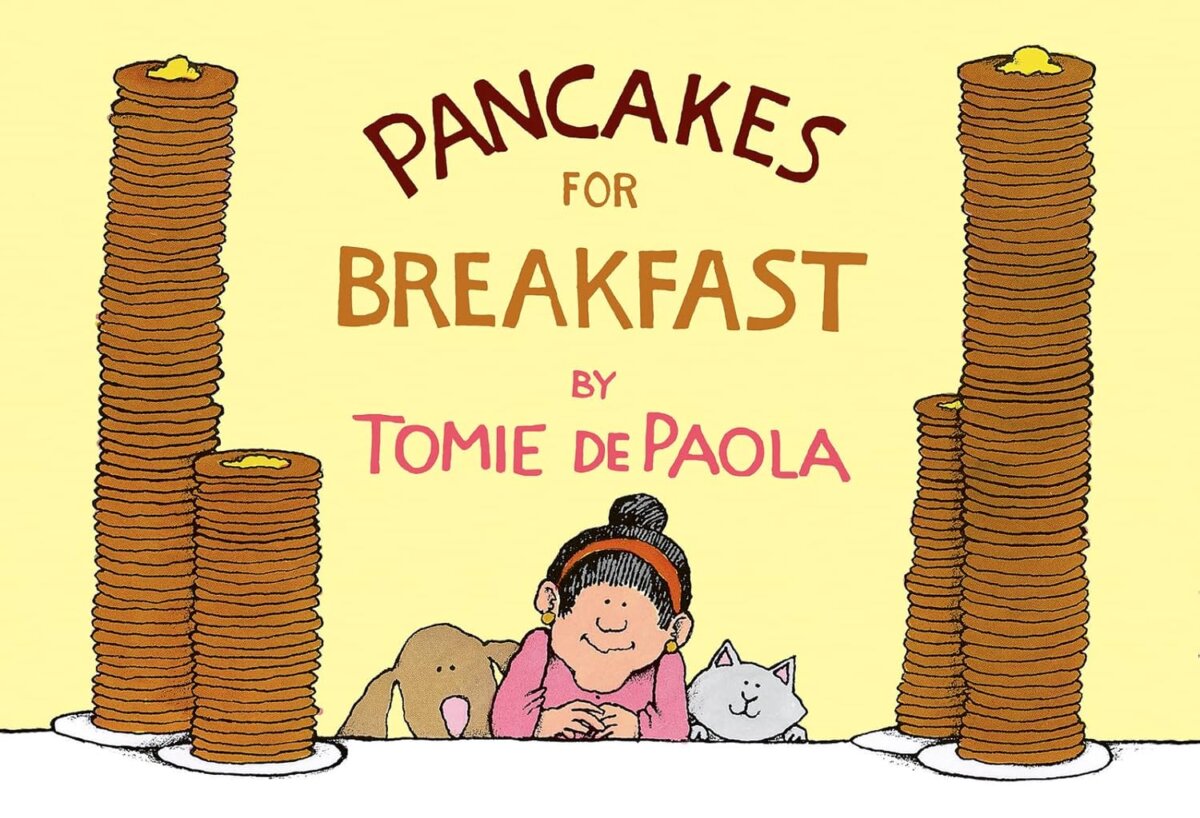
This wordless picture book follows the trials of a little old lady who attempts to make pancakes for breakfast. Children see how a variety of ingredients are needed to produce a delicious, satisfying meal. The little old lady encounters several complications, including mischievous pets.
A sign in her house reads, “If at first you don’t succeed, try again.” She finally gets her pancakes in a most humorous way. A fun story written by a giant in the field of literature.
Finding Courage to Fly
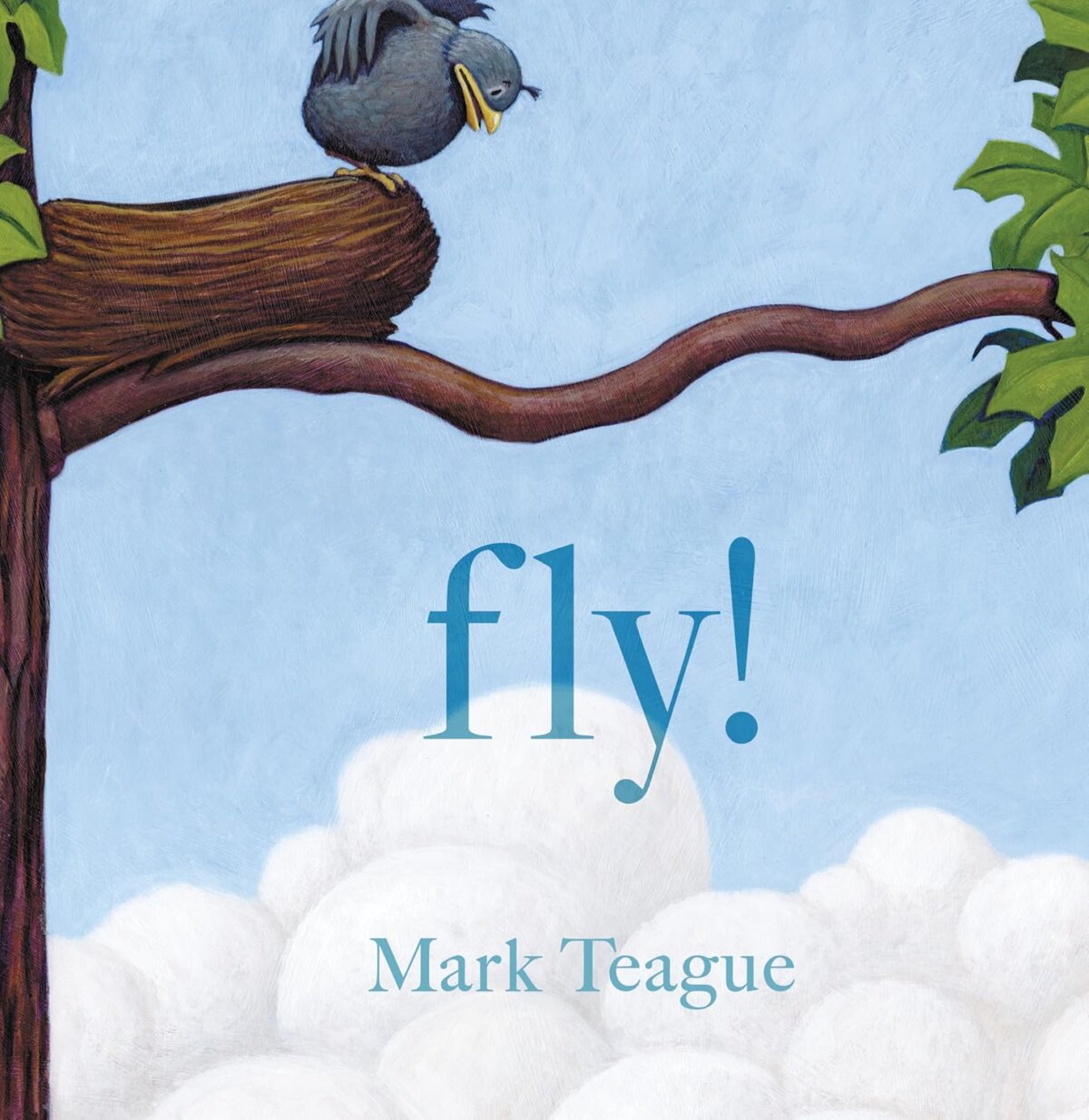
A baby bird is finally ready to leave the nest and learn to fly so he can migrate south with the rest of the flock. But he isn’t ready. He keeps coming up with other ideas, including having his mother bring worms to the nest or migrating on a skateboard. Then he considers learning to drive a car or perhaps take a train to Florida.
While the baby bird delays learning to fly, he is shown growing. Meanwhile, his mother tells him that in order to get food and stay safe from predators such as cats and owls, he must learn to fly. Finally, after hearing about an evil owl, the baby bird relents. He wants to fly. He struggles at first, but then succeeds.
This silly wordless picture book will keep young readers giggling.
A Shared Mountain Adventure
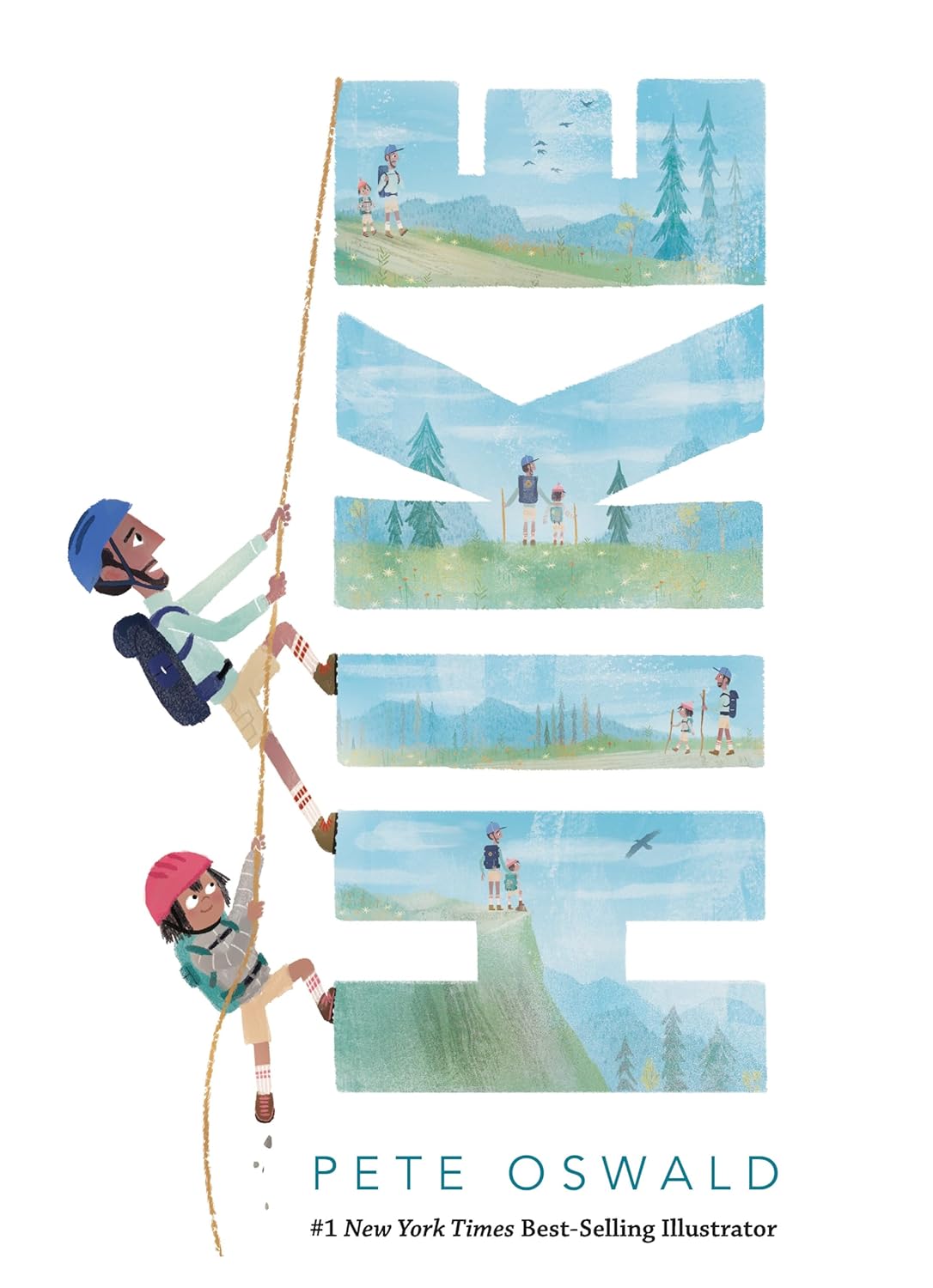
A father and child go hiking in the wilderness. The book celebrates the fun of exploring nature while following a trail to the top of a mountain. They see wildlife, walk a long, winding path, cross a river on a fallen tree, climb rocks, watch birds, and plant a tree. What an adventure—highlighting the love between a parent and child.
The more I study wordless picture books, the more I see how valuable they are. These books offer everyone—including adults—a way to read differently while exploring themes they might not otherwise consider.