However, many people believe monsters are not figments of the imagination. They maintain that monsters move through waterways, forests, and mountains. The natural settings might seem placid from a distance, but supposedly conceal a potpourri of sinister and savage entities hiding in plain sight.
Jason Offutt’s “Chasing North American Monsters: A Guide to Over 250 Creatures From Greenland to Guatemala’” provides a dazzling lineup of both celebrated and obscure creatures allegedly lurking throughout the northern half of the Western Hemisphere. He says they span the frigid waters and snowy landscapes of the Arctic Circle to the sultry jungles of Central America; Offutt has catalogued more than 250 monsters whose legendary ferocity and sheer weirdness have earned them pop culture immortality.
Some of the entries in Offutt’s book will be familiar to those with an interest in this topic. There’s the Ogopogo, the 50-foot-long serpent of British Columbia’s Okanagan Lake; the Chupacabra, a livestock-slaying monster spotted across Puerto Rico and Mexico; the Wendigo, a tall and emaciated humanoid with a deer’s head, glowing red eyes, and an appetite for Canadians (the chubbier, the better).
Others Less Well-Known
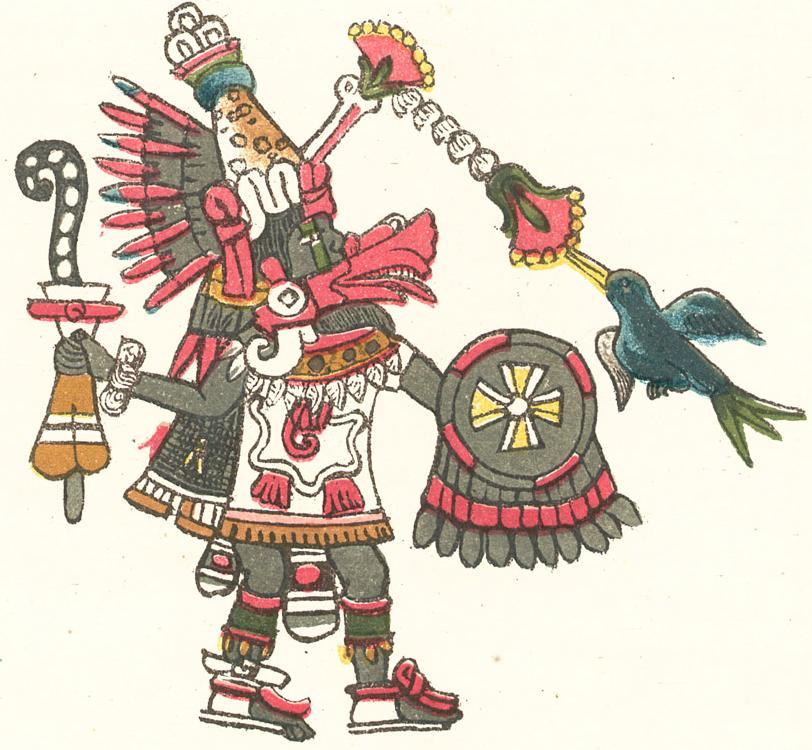
But the real fun in this book is learning about the less famous but equally outrageous monsters of this realm. Among the most intriguing of these below-the-radar creatures is the Florida-based Tarpie. Offut described it “as a fifteen-to thirty-foot-long reptile living in the lake that may be part alligator, part manatee, part fish, or a dinosaur, or part—whatever.”Across the Pacific, we discover Hawaii’s Kamapua’a and his ability to turn himself from a handsome man into a giant pig; this was said not to be the most useful talent, to be certain, and one that didn’t help him in a failed romance with Pele the volcano goddess.

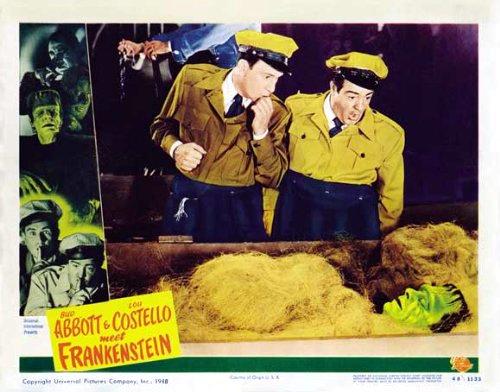
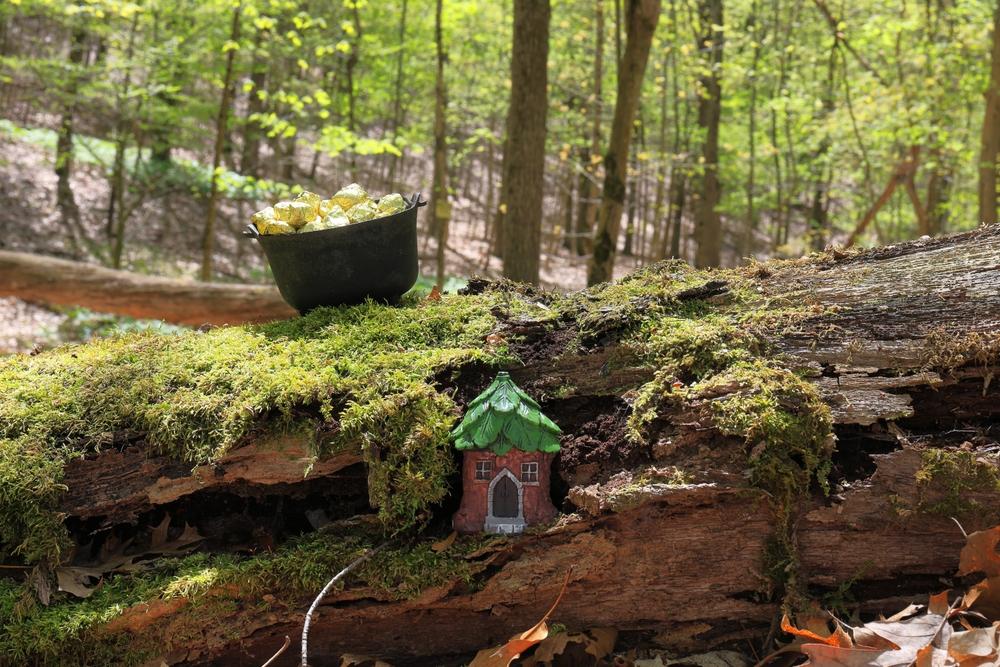
The Mobile, Alabama, area had two of the wackiest monster sightings. A “wolf woman” was sighted in 1971, which sported a female human head and a shaggy wolf body. There is also a leprechaun, which some claimed in 2006, was hiding in a tree.
Evidence Nonexistent
The common ground with these monsters is their elusive nature. There are endless tales of supposed close encounters, but physical evidence of the monsters’ existence is almost always nonexistent. One of the few specimens produced for inspection was an alleged merman (half-man, half-fish) that was on display in a trading post in Banff, Alberta. Offutt admits it only existed as a marketing ploy to lure retail customers.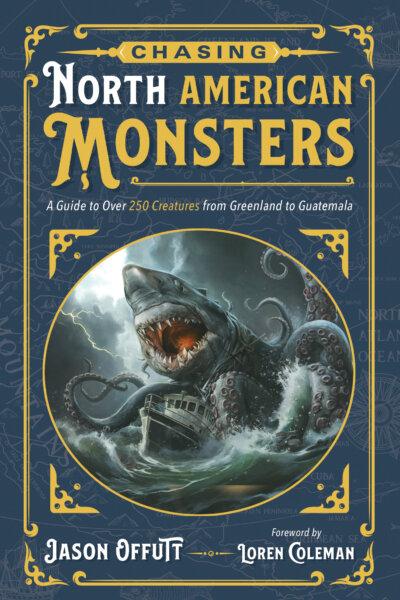
Photographic or filmed evidence of these monsters is equally rare. Offutt mentions there is a picture taken in 1962 of the Manipogo, an alleged serpentine resident of Lake Manitoba; unfortunately, the book doesn’t offer that snapshot. Strangely, the book never cites the controversial 1967 Patterson-Gimlin film that supposedly viewed a Sasquatch, dubbed Bigfoot, trekking through a forest clearing in California.
However, the book features charming drawings of some of the more outlandish monsters. These pictures make them seem cartoonishly cute, as if they should be chasing Scooby-Doo through a haunted house.
On occasion, the truth behind the legends is revealed, and it is always far less entertaining. The most notable example involves the story from Jewett City, Connecticut. The city was supposedly was infested in 1854 with vampires who went on a murder spree. Subsequent investigations later attributed the local deaths to a then-prevalent outbreak of tuberculosis, not Dracula’s cousins.
“Chasing North American Monsters” is a wild and woolly chase across cultures, geographies, and the basic human need to create myths to enliven the quotidian world.
Loren Coleman, the president and founder of the International Cryptozoology Museum in Portland, Maine, offers a dignified foreword to this odyssey, while Offutt’s writing is witty without being condescending. This well-researched jolly book is the most delightful monster mash imaginable.