NR | 1h 54m | Action, Drama, War | 1942
A century ago, the airplane still looked like a contraption someone had nailed together. In World War I, flying machines first served as scouts with engines. For the first time, armies could look past the next ridge without sending men into machine-gun fire.
By World War II, air warfare had become a reality. Planes had a steel skin, heavier engines, bigger crews, a longer reach, and industries that fed them. Transports carried troops, fuel, mail, medicine, radios, and maps.
During the Normandy landings in France, Allied aircraft helped make the invasion possible by assaulting supply columns as the ships unloaded their men.
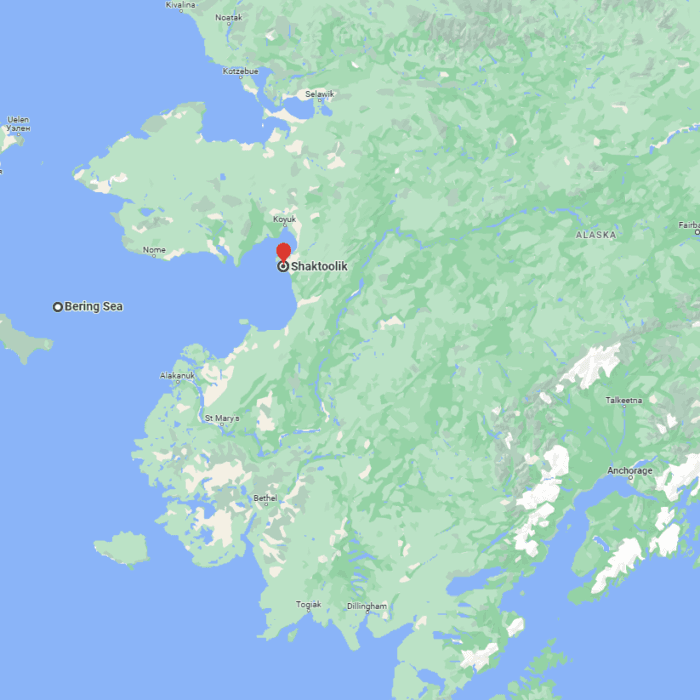
In Canada, the British Commonwealth Air Training Plan turned Canadian airfields into classrooms for everyone connected to air warfare.

Bush Pilots Go to War
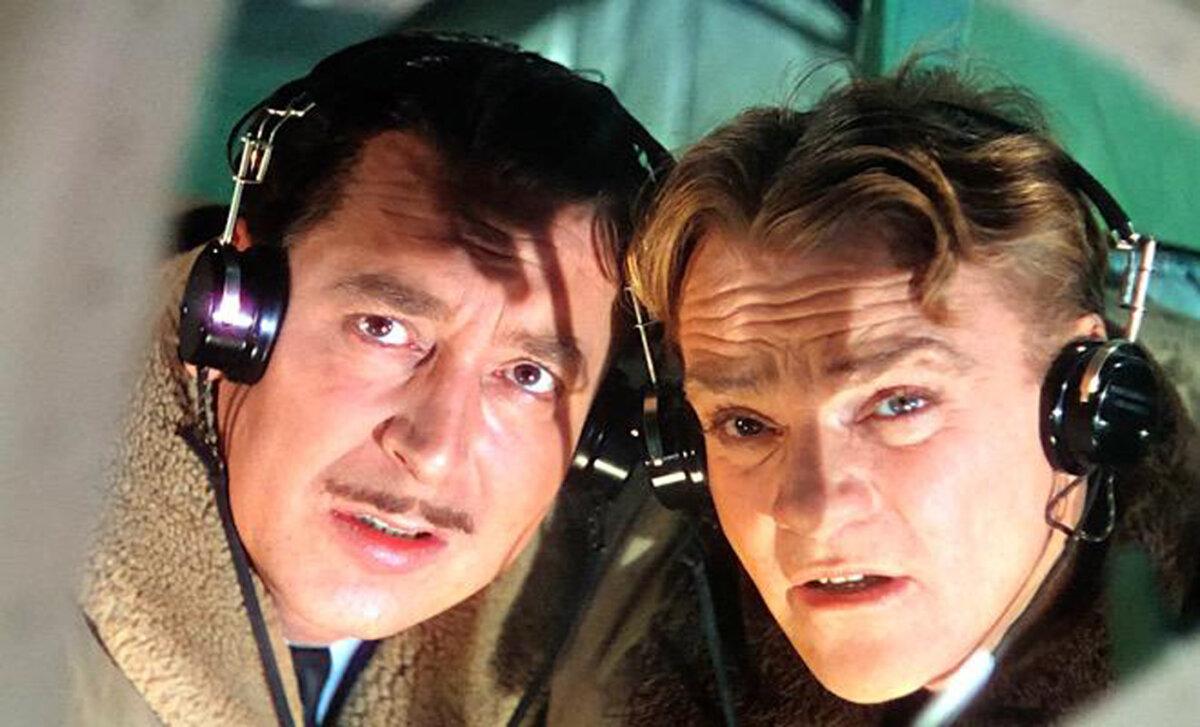
Cagney plays Brian MacLean, a cocky Canadian bush pilot making a living around the lakes and timber country of Ontario, Canada. Brian is good in the air, but not so on the ground. He steals business, irritates other flyers, and treats charm like a crowbar.
The pilots around him have a flying fraternity. Johnny Dutton (Dennis Morgan) is a romantic rival, Tiny Murphy (Alan Hale) supplies big-bodied warmth, Blimp Lebec (George Tobias) brings comedy, and Scrounger Harris (Reginald Gardiner) adds a drier flavor. Emily Foster (Brenda Marshall) gets pulled between MacLean and Dutton.
Big Skies, Bumpy Script
Michael Curtiz knew how to make movement. Like “Strategic Air Command,” the planes have real presence here. They climb, buzz, and circle with that pre-digital danger that makes old aviation scenes feel slightly illegal. The aircraft looks overworked, noisy, and capable of punishing anybody who tries to get cute.The film keeps the larger war mostly at the edge. MacLeans’s problem is simple and useful for a war picture: He can fly, yet he doesn’t quite belong.
Technicolor helps more than expected. Cagney’s red hair, blue sky, and Canadian water give the movie a storybook brightness. This at times works against the war subject, yet gives the film its personality.
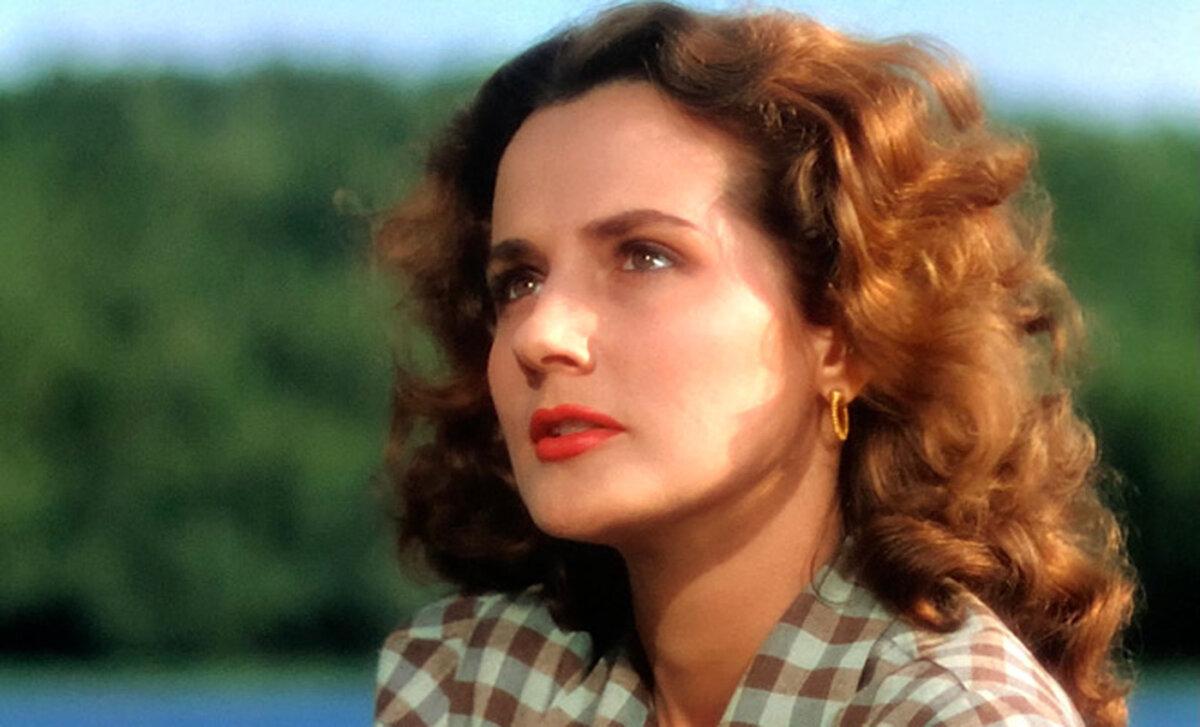
Many black-and-white WWII dramas from the same era carry more darkness in their lighting and in their mood. Postcard color and hangar grease sharing the frame here, an uneasy mix that can be corny one minute and beautiful the next.
MacLean’s character arc is from a 1942 wartime Warner picture: selfish flyer learns discipline, country, and sacrifice.
Still, the film has value beyond nostalgia. It reminds us that Canada’s wartime air story wasn’t just a footnote with maple syrup drizzled over it. The war in the air needed bush pilots willing to stop acting like lone wolves long enough to become useful to something larger than their own nerve.
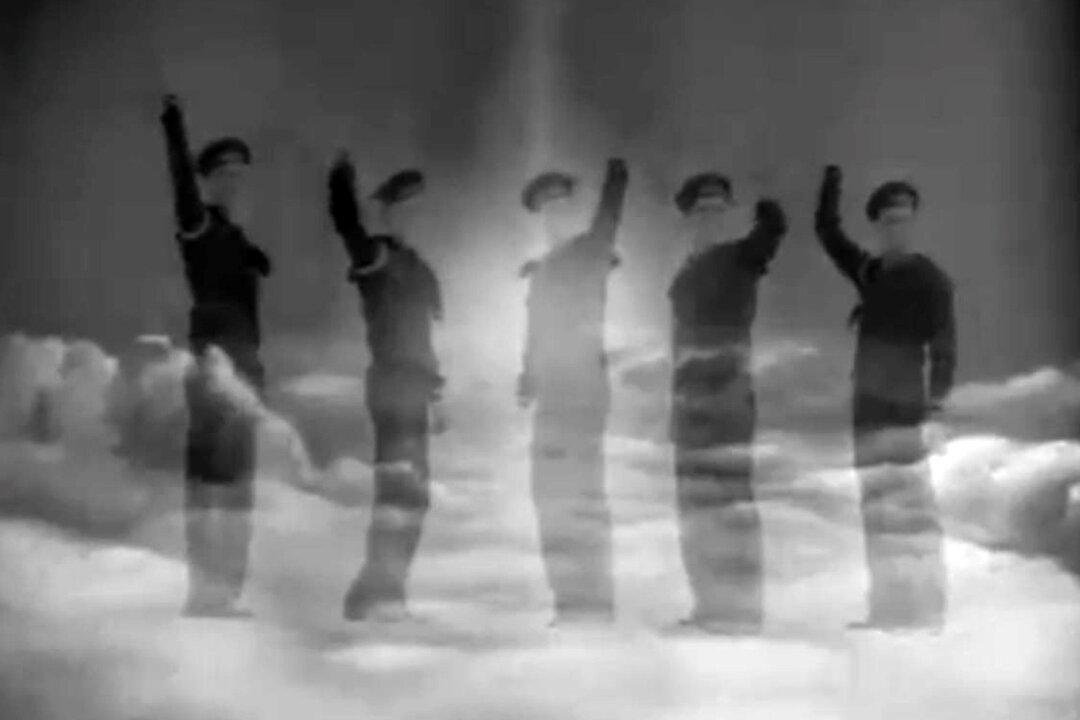
“Captains of the Clouds” isn’t one of the grand air-war classics, but it remains a handsome, loud, and sometimes goofy tribute to Canada’s part in the Allied sky.
For a viewer used to American bomber groups and Jimmy Stewart gazing at aluminum giants, this Canadian-themed detour still has plenty of fuel supplying its engine.