As someone who loves the Fourth of July and the story of our country’s founding, I was pleasantly surprised to see all the hoopla that came out of the woodwork last minute to celebrate our nation’s 250th birthday. Firework shows were more fantastic, commemorative memorabilia abounded, and social media was full of people proclaiming their gratitude for our nation and the wisdom of those who founded it.
But it was the commentary accompanying this post that particularly caught my eye.
“I love the renewed interest in art during this presidential term,” the poster wrote. “Art matters!”
Art as a Window to Spiritual Health
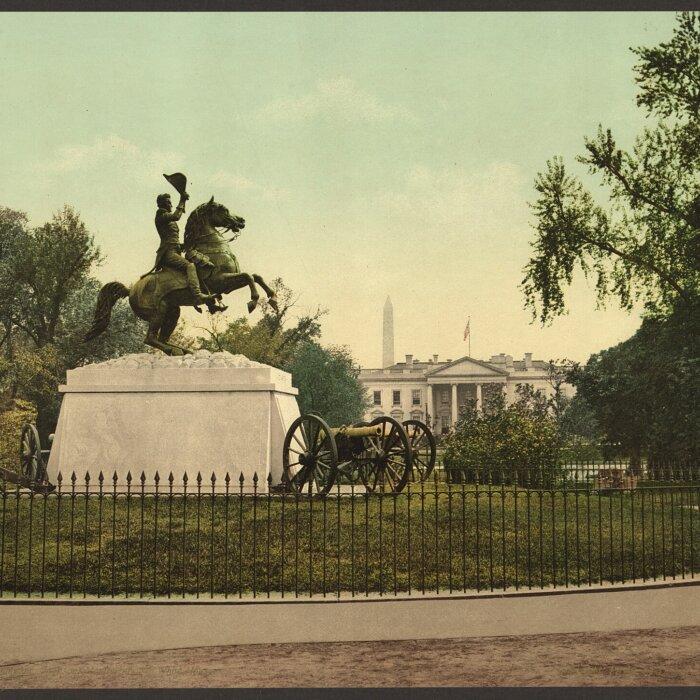
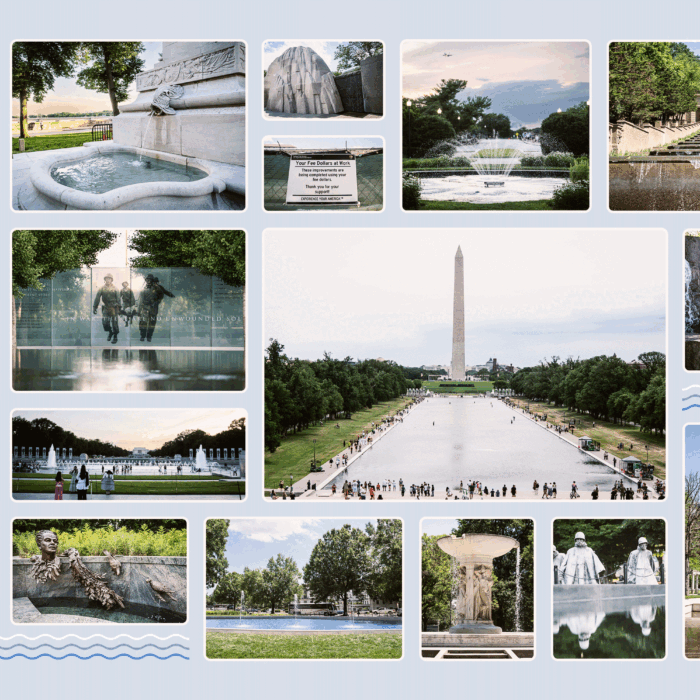
All too often, today’s artwork is the stuff of “kitsch,” Scruton explains, full of cutesy figurines or “sugary stereotypes” that fulfill the consumeristic urge and make us feel good about ourselves. Scruton calls this the “Disneyfication of art,” calling to mind the cartoonish characters that dance across screens and into bedroom decorations or eating utensils, or even the cheap beauty of the ever-present Disney princesses, with the colorful gowns and jewels that are nothing more than gaudy imitations of a beauty and grandeur that once graced the European world from which these fairy tales stem.
Such kitsch is really just another way of putting lipstick on a pig, for these superficial attempts at beauty lack depth and meaning, thus removing the true purpose of art.
“True art is an appeal to our higher nature, an attempt to affirm that other kingdom in which moral and spiritual order prevails,” Scruton writes.
In other words, true art should make us think about God, our relationship to him and others around us, and even our inadequacy to measure up to his standards.
The fact that much of today’s art doesn’t send this message or inspire these deep thoughts, often numbing the senses instead, may explain much of the chaos and despair we see in recent history, Scruton implies.
Art and Sacrifice
If art doesn’t inspire the quest for the spiritual, it also fails to inspire the fruit of the spiritual, namely, virtue, and in virtue’s decline we can also see a picture of our nation.
“Sacrifice is the core of virtue, the origin of meaning and the true theme of high art,” Scruton writes. “Sacrifice can be avoided, and kitsch is the great lie that we can both avoid it and retain its comforts. Sacrifice can also be made meaningless by desecration.”
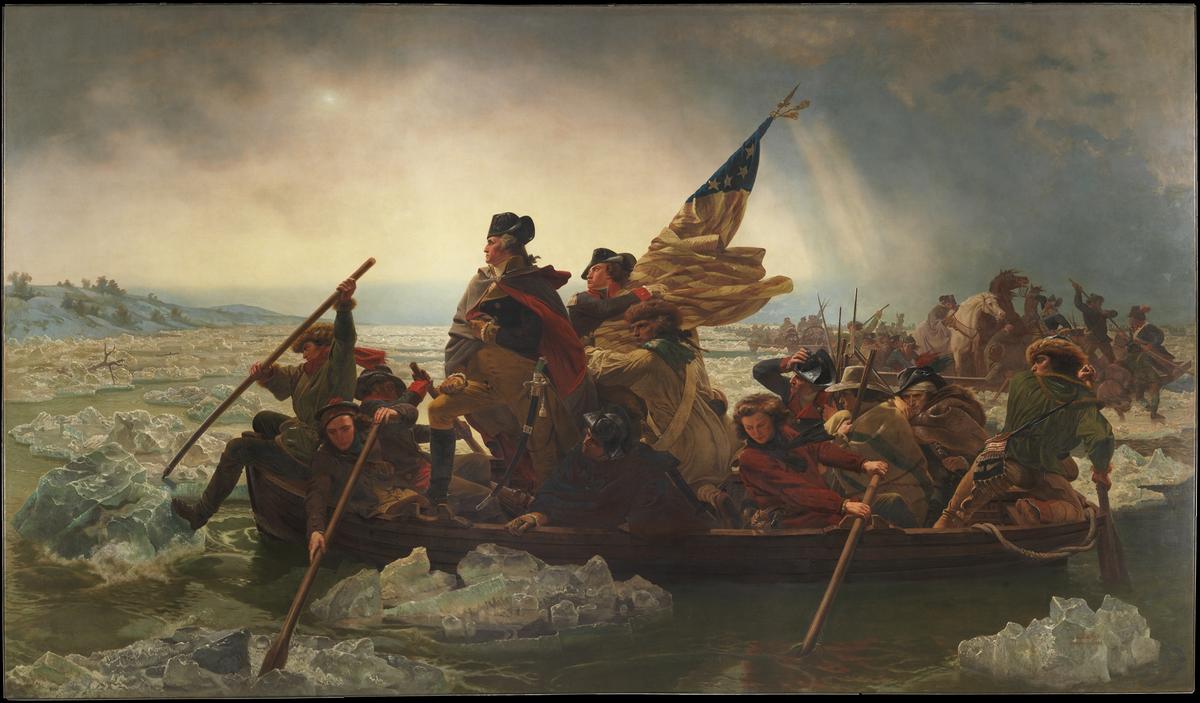
In recent years, it has been popular to desecrate statues that depict revered, virtuous men of the Confederacy or the founding era, such as Robert E. Lee and Thomas Jefferson, men who dared hold opinions or do things that are now seen as anything but politically correct. Yet these same individuals were ones who made great sacrifices in order to fight for their country and their beliefs, and, as such, their depiction in art calls us to similar virtues.
“When sacrifice is present and respected, life redeems itself; it becomes an object of contemplation, something that ‘bears looking at,' and which attracts our admiration and our love,” Scruton writes.
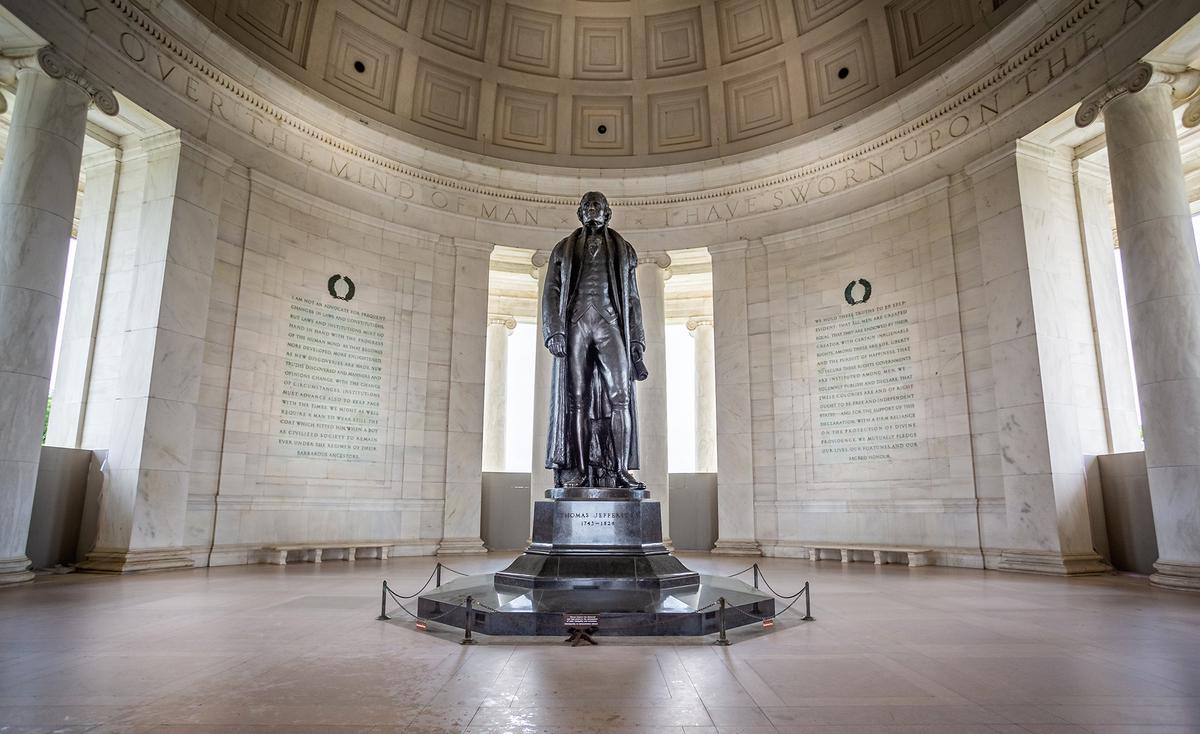
Such a thought suggests that the recent desecration of our national statues is simply a chance to discourage our population from thinking about the sacrifices that made our country great. Remove the examples of virtue and sacrifice, and you remove the role models for current and future generations to follow. But restore high-quality depictions of our nation’s leaders—such as the earlier mentioned Rose Garden statue of Thomas Jefferson—and you encourage the population to love those who went before and seek to imitate the good that they did.
Art Measures Our Rationality
Finally, Scruton hints that the type of art we accept and appreciate demonstrates the rationality of our being. If we live only in the present, going with the flow of trends and the kitsch that passes for art today, our rationality is called into question. But if we embrace truly beautiful art—that which exists in both the past and the present and reminds us of both “the sacred and the sacrificial”—then we have set ourselves on “the path out of desecration.”
In other words, art should inspire us to think and reflect about our past, our spiritual condition, and other elements of the good, the true, and the beautiful. When it doesn’t—when it becomes just something that gives us warm fuzzies—then we’re deprived of a valuable avenue for self-reflection and even character development.
For many of us, art doesn’t seem like an important thing. Instead, it seems like an extra, something that we add to our lives only if we have the time and money to do so.