We’ve all been there. We’re hanging out with friends, mingling after church, or attending a networking event, yet despite our best efforts, conversation falls flat. This can happen for many reasons, but generally, the two primary issues are either that our conversation partners drop the ball or that we ourselves can’t think of anything to discuss.
Such experiences can be disheartening, especially for those of us who realize how life-changing a good conversation can be. After all, a simple conversation can encourage someone, change a mind, and, sadly, even destroy a reputation.

Think of Others 1st
It’s incredibly easy to slip into thinking of ourselves while engaged in conversation, focusing on the topics that interest us, or relaying our own recent activities—often in a laborious manner. However, Cicero told us to avoid lengthy and wordy speeches, emphasizing the need for politeness when conversing. This means not to “debar others from their part, as if he had sole right to be heard; but, as in all things else ... let him regard alternation as not unfair.”
So next time you’re in a conversation, listen to yourself to evaluate whether you’re rambling on or whether you’re actually taking time to ask questions of your conversation partner and genuinely showing interest in what he has to say.


Don’t Gossip
For some reason, conversations have an uncanny tendency to descend into talking about others. Such a practice is OK if the discussion of others is praiseworthy. But conversations that tear others down must be avoided at all costs, Cicero implied, for the sake of others as well as for our own reputations. People who malign or slander others behind their backs, Cicero explained, “betray some defect in [their] moral character.”
Choose Your Topics Wisely
If speaking ill of others should be taboo in conversations, then what topics are permissible? Cicero suggested the topics of “private affairs, or politics, or the theory and practice of the arts.” Put differently, opening up about ourselves (discreetly, of course), newsworthy items, or movies, sports, books, plays, and other forms of entertainment are all worthy topics of conversation.
“Yet reference must be had to the persons present,” Cicero cautioned, “for we are not all interested in the same things, at all times, and in a similar degree.” In other words, read your audience and don’t bore them with information that doesn’t interest them.
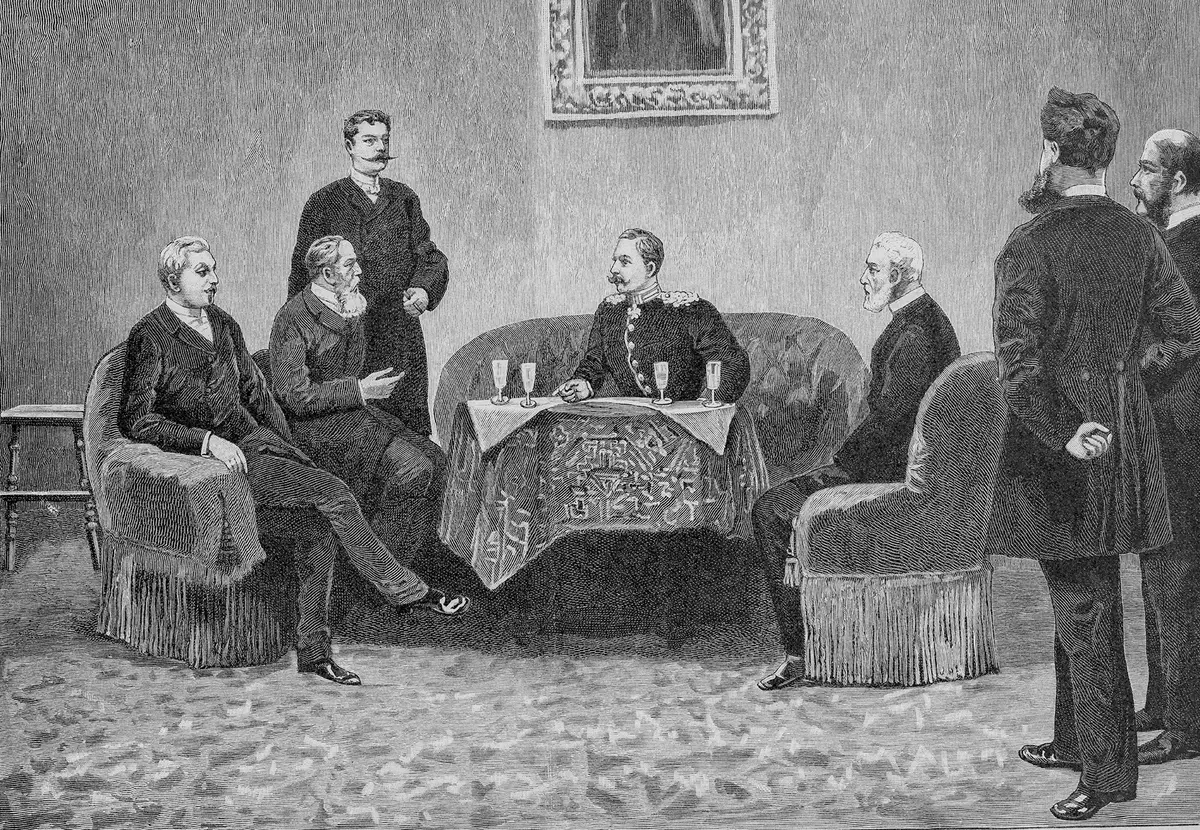
Wrap It Up
Some of us are experts in the “long goodbye,” a nice way of saying that we never know how to end a conversation and leave with tact and grace. Cicero admonished us to “always observe ... the length of time to which the pleasure of conversation extends, and as there was reason for beginning, so let there be a limit at which there shall be an ending.” This means that we must watch the body language of our conversation partners. If they seem disinterested or anxious to get going, willingly free them to talk to others by excusing yourself and finding someone else with whom to talk.
Keep Emotions in Check
Although we should be quick to observe any disinterest in others during conversation, we should be careful not to reveal such disinterest in our own body language. Cicero also advises us to “shun passion” in conversation, especially emotions such as anger, “for with anger nothing can be done rightly, nothing judiciously.”
Cicero’s writings are often credited for influencing the American Founders as they blazed new trails and birthed a nation with dignity, respect, and wisdom. Given our society’s current tendency to rail against one another and focus on ourselves, whether in online debates or in personal conversation, it seems that his advice may be just as useful to present-day Americans—if only we will take the time to study it and take it to heart.