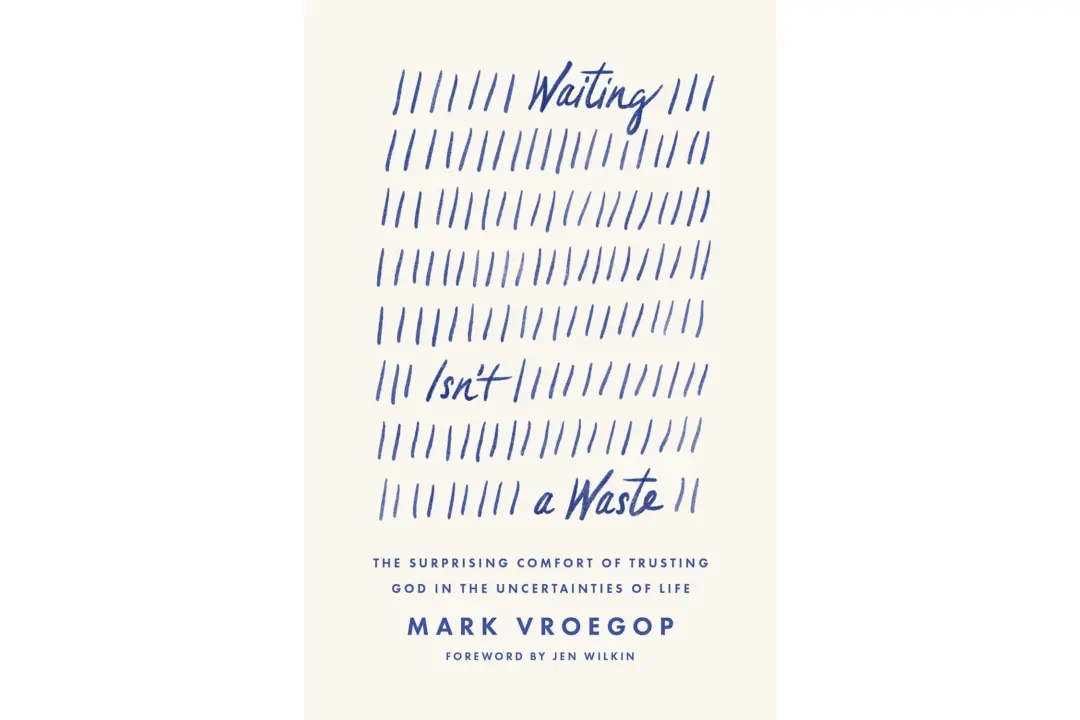
The Revolutionary War’s first major clash between American Patriots and British Redcoats was at the Battle of Bunker Hill. The events leading up to it, as well as military strategies and overall logistics, are included in Nathanial Philbrick’s “Bunker Hill: A City, A Siege, A Revolution.” However, what makes his telling of this event stand out among countless histories on the subject are the people highlighted.
Philbrick explains in the preface: “I hope to provide an intimate account … of two charismatic and forceful leaders (one from Massachusetts, the other from Virginia), [and] also the story of two ministers (one a subtle, even Machiavellian, Patriot, the other a punster and a loyalist); of a poet, Patriot, and caregiver to four orphaned children; of a wealthy merchant who wanted to be everybody’s friend; of a conniving traitor whose girlfriend betrayed him; of a sea captain from Marblehead who became America’s first naval hero; of a bookseller with a permanently mangled hand who after a 300-mile trek through the wilderness helped to force the evacuation of the British; and of many others.”
From the Start
Right out of the gate, on the book’s first page and in the first paragraph, Philbrick elicits emotions by noting a poignant moment between mother and son: Abigail Adams and young John Quincy Adams. He takes us to “a hot, almost windless afternoon in June” when John Adams’s wife and 7-year-old son were watching the battle from a hill near their home in Braintree. “Even though the fighting was at least ten miles away, the concussion of the great guns burst like bubbles across his tear-streaked face,” Philbrick writes.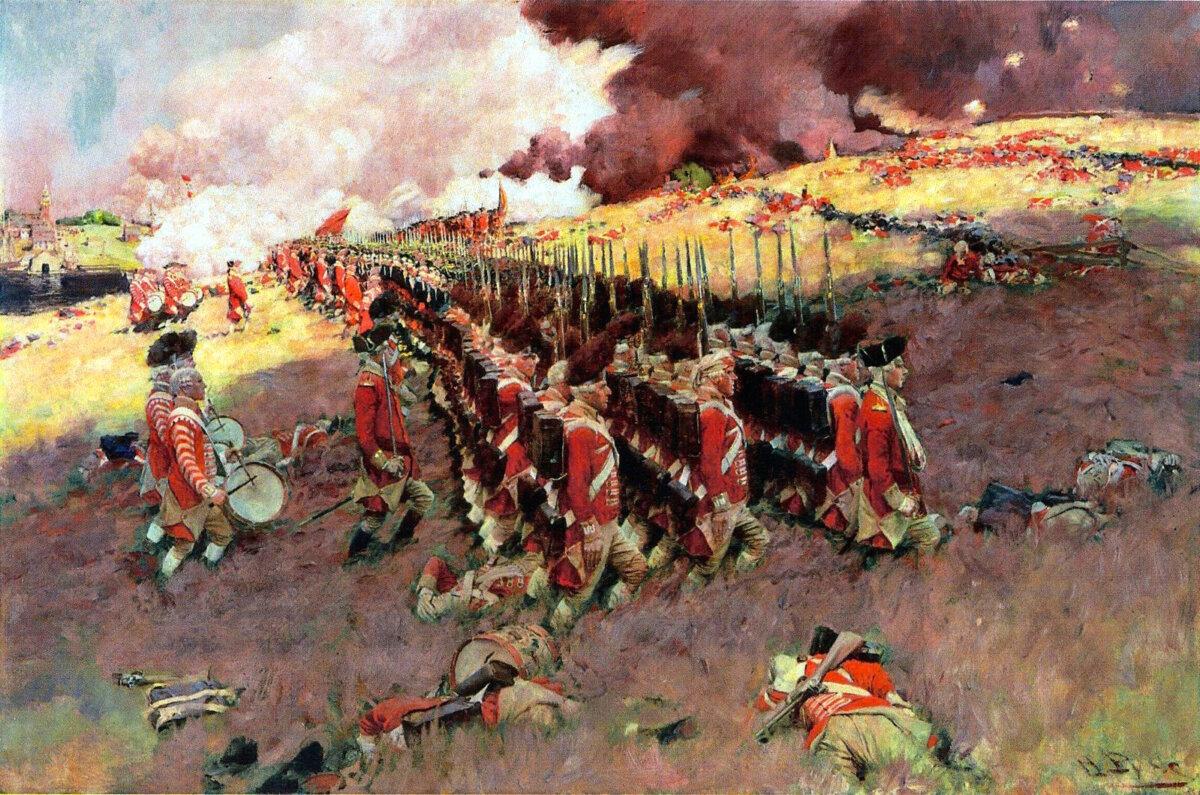
The author shares a little-known fact on that same page—that seven decades later, the memories of that day in 1775 still prompted a reaction in Adams, who wrote: “I saw with my own eyes those fires, and heard Britannia’s thunders in the Battle of Bunker’s hill and witnessed the tears of my mother and mingled them with my own.”
Emotions expressed in “Bunker Hill” are palpable and relatable. Though separated by a time frame of two and a half centuries, readers can identify with the profound fear experienced by mother and son.
Showing, Not Just Telling
Readers are not just told these stories through the writings, they are shown. Early in the book, Philbrick describes Britain’s Hugh Percy, who commanded the Fifth Regiment, as “cadaverously thin, nearsighted, and had a big bulbous nose.” Further into the book, the author points out that Patriots Gen. William Heath and Dr. Joseph Warren “were a most unlikely pair. Heath was fat and bald. Warren was tall-ish and handsome, his hair pinned up on the sides of his head in stylish horizontal rolls.”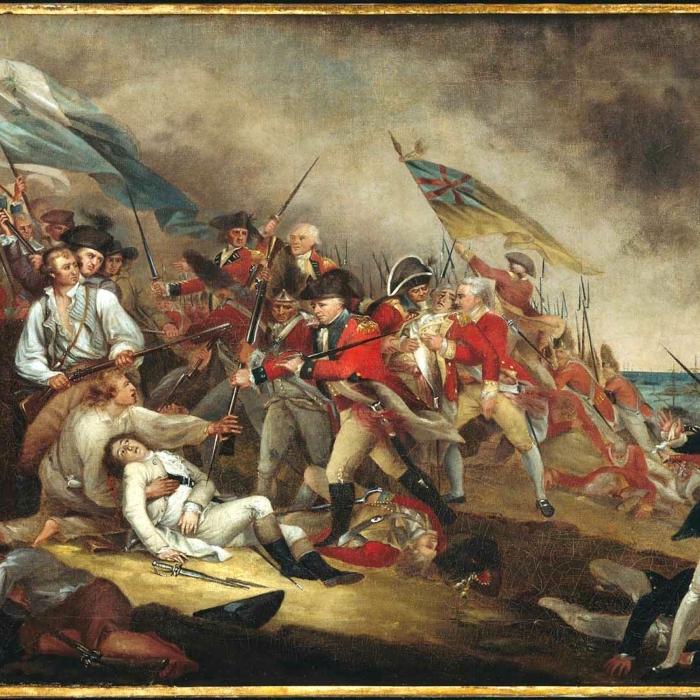
His mother, too, had always been burdened by the seriousness of that day of June 17, 1775. When it was over, she wrote of her momentary relief: “All the people shall say Amen.”
“Bunker Hill: A City, A Siege, A Revolution” is a timely read, considering it focuses on the tensions, distresses, and passions that led to the signing of a document that changed everything for America.