One easy and satisfying way to dive into winterizing the yard is, instead of raking and bagging fall leaves, to simply run them over with the mower to chop them up into a slow-release, nitrogen-rich mulch.
Resist the temptation to leave the leaves (no pun intended) as is. It may seem like a good idea to let them form a protective blanket against Old Man Winter, but it will actually smother the grass and could lead to pests and disease.
On the Subject of Lawns
A general rule is to fertilize or apply weed and feed by mid-to-late September at the latest in most locations. This allows for any new growth to harden off and become more resistant to fungus caused by snow mold, which can form when the lawn is covered in snow for a long period of time.Height Matters
Raise the mower blade for the last mow; a taller lawn means deeper roots, making it hardier for winter. The exception is the far north, where some gardeners opt to mow lower, as it helps reduce the chance of snow mold (less blade surface, less chance of mold).Free-Breathing Soil
Autumn is also the time to aerate the soil, which breaks up the layer of thatch (decaying organic matter that builds up between grass blades) that forms over time, keeping water and air from reaching the soil properly. There are a variety of manual aerators to choose from. If it’s a large yard and there’s a riding mower available, consider investing in (or renting) a tow-behind aerator to speed up the process. In general, aeration should be done every two to three years, or annually in heavy-use areas.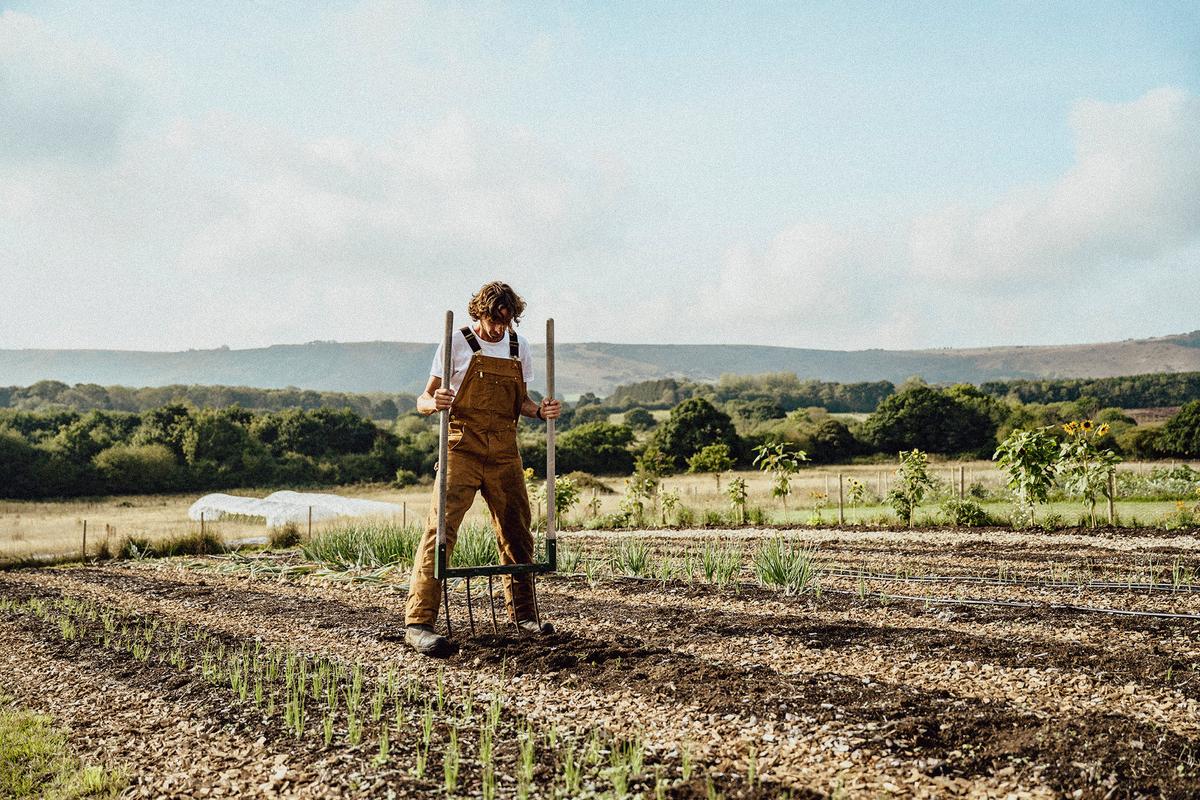
Perennial Garden Beds
Give decorative beds one last thorough weeding, and remove any diseased or pest-filled plants. Dispose of all in the garbage—do not add it to the compost. Yes, technically a hot compost should kill pests, diseases, and seeds, but better to be safe than sorry.Keep Nature in Mind
Other than cutting back damaged or diseased branches, leave the remaining perennials untrimmed. They‘ll support local wildlife with seeds and shelter during a long, hard winter. Plus, they’ll look lovely dusted in snow.
In fact, delaying trimming until at least March or even April (or later depending on one’s last frost date) will allow butterflies, native bees, and other pollinators that lay their larvae on the plants or in the soil beneath to complete their overwintering cycle. This is particularly important in northern climes.
Stalwart Shrubs
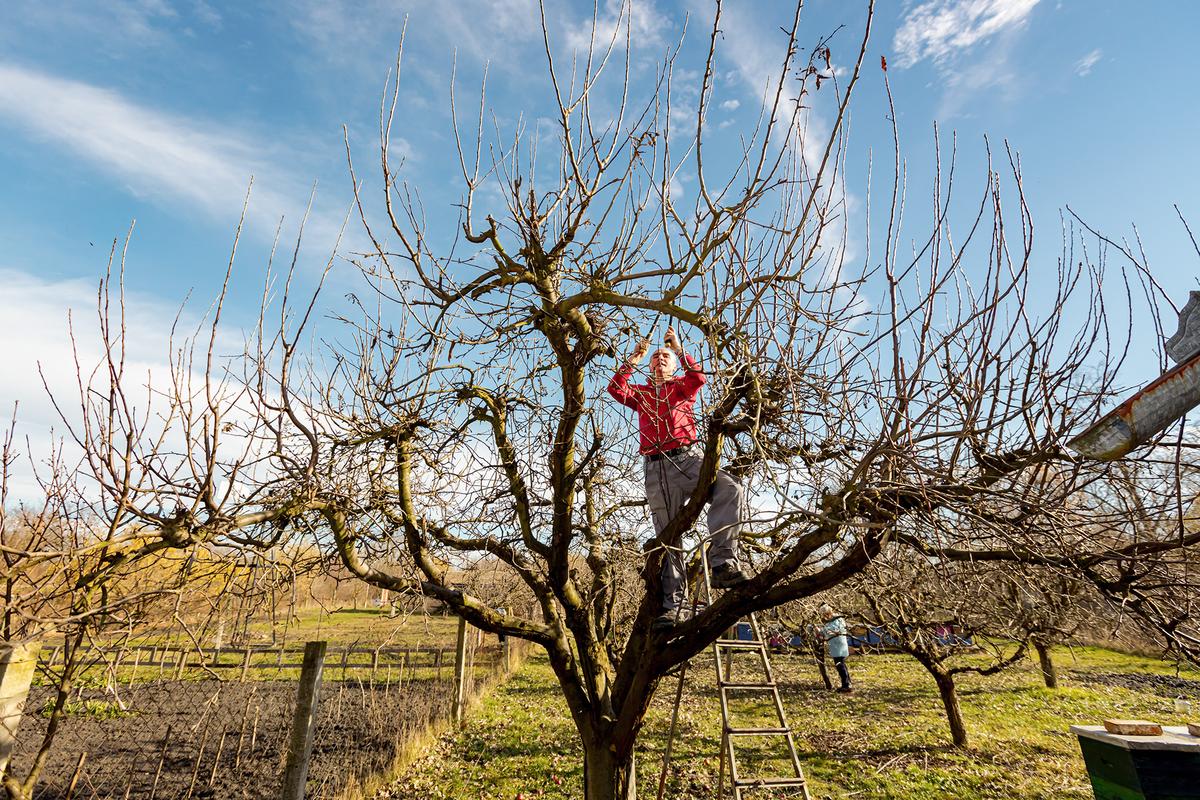
Water deeply at least once a week until the first freeze or until the soil temperature consistently dips below 40 degrees, which signals the plant to stop growing. Mulch two to three inches to protect the roots, but be careful not to pile the mulch against the trunks. Trim off any damaged or diseased branches only to avoid causing an untimely flush of vulnerable new growth.The exception is fruit-bearing shrubs that may follow a specific schedule; a quick Google search can answer any questions.
Next, help protect against desiccation (water loss from leaves and needles) and potential damage from strong winds or a heavy load of snow by bundling the plants in burlap or canvas attached to frames or poles around the plants. This is a good reuse for tomato stakes after summer.
Tall Trees
Trees should be watered and mulched just like shrubs, with the mulch added as a three- to six-foot circle to cover the main roots, particularly for younger trees. It’s also important to wrap young thin-barked trees (maples, sweetgum, ash, honeylocust, ornamental cherries and plums, and many fruit trees) in a light-colored tree wrap to protect them from sunscald. This occurs when the bark heats up on sunny days and starts to come out of dormancy, and then those new cells are killed when the temperatures go back to freezing. Another alternative is to paint the trunks white.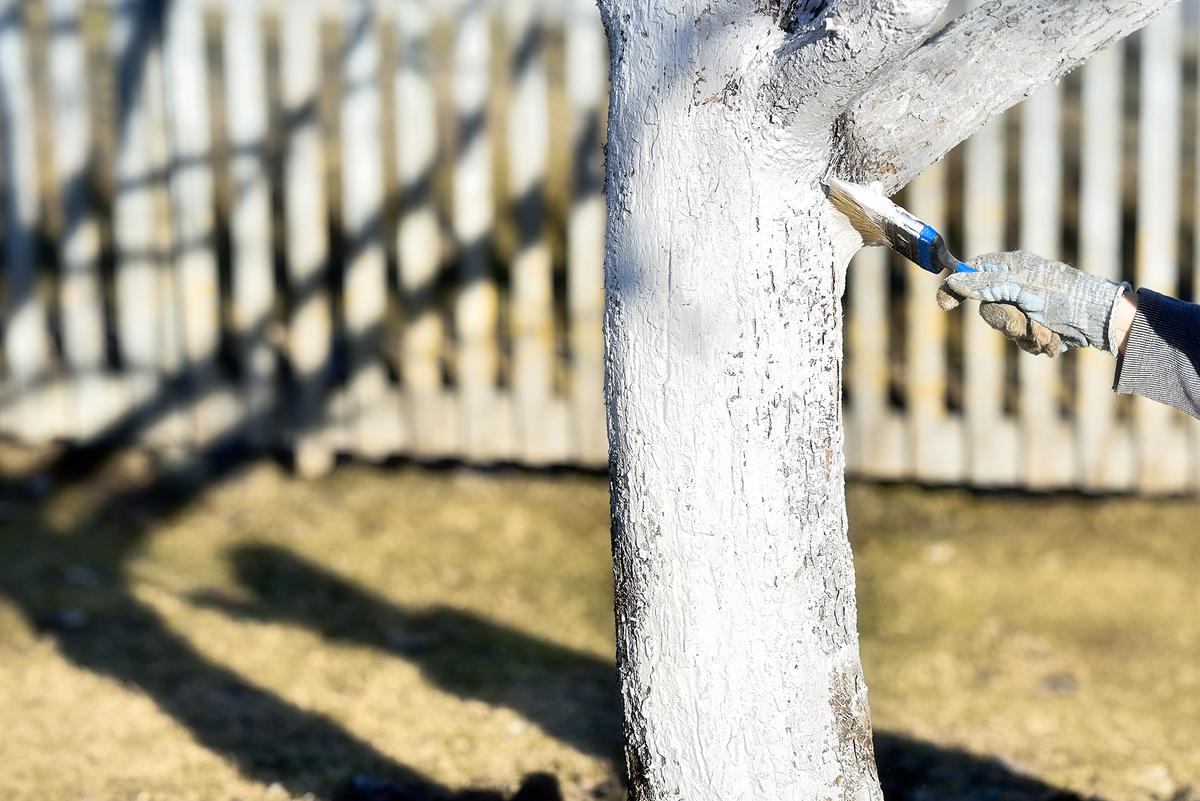
Trees should be cleared of deadwood and potentially dangerous branches that hang over the home and walkways, and fall-pruned appropriately for their species. Consider bracing or securing with a cable any branches that may be subject to a heavy weight of snow.