This isn’t the first time “Comedian” met an untimely fate. Back in 2023, a different visitor to the exhibit ate the banana, explaining that he was “hungry.” In 2024, cryptocurrency entrepreneur Justin Sun purchased a version of “Comedian” and promptly ate the banana. The piece survives the hunger pangs of museumgoers and tech billionaires because, per the artist’s instructions, the banana can be replaced. In fact, it has to be replaced each time it starts to rot. Or each time someone snatches it for a snack.
The Subversion of Art
Cattelan is known for subverting art, with the website Artnet referring to him as an “artist-provocateur.” According to the art gallery Perrotin: “Taking freely from the real world of people and objects, his works are an irreverent operation aimed at both art and institutions.” Essentially, Cattelan believes that a work of art is generated simply when the artist wills something to be art, and he asserts this extreme idea of artistic freedom to poke fun at genuine, high-quality art.The Dadaists wallowed in absurdity, reveling in turning traditional ideas of art upside down. Like Cattelan, the Dadaists insisted that anything—even an everyday object like a urinal–could be art if they said it was art.
Egocentric ‘Art’
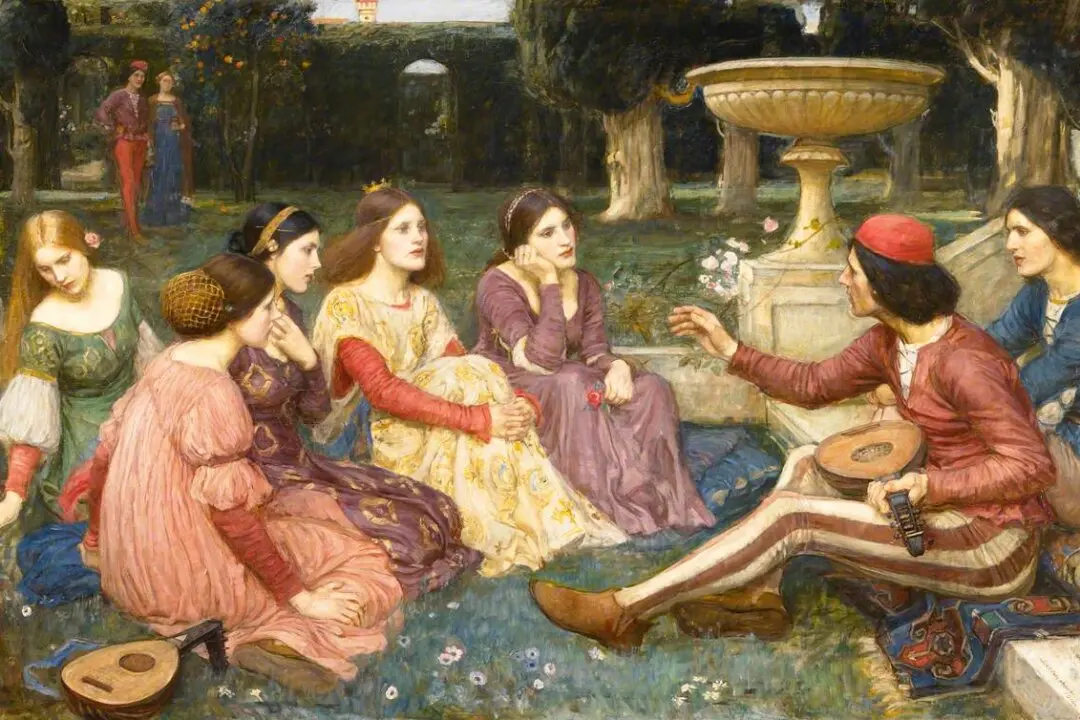
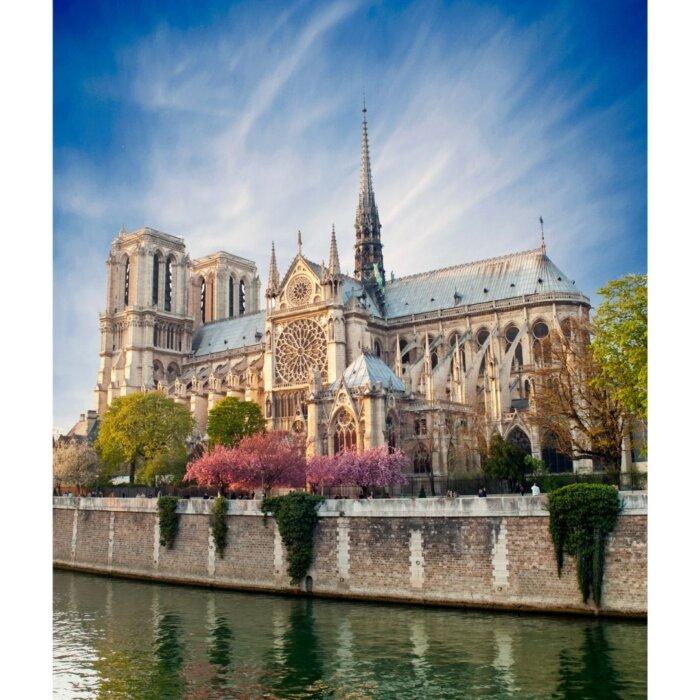
All this ties in with modernity’s rejection of the presence of order, meaning, and truth within the universe. In the past, artists believed that their work involved an encounter with an external reality, which they sought to perceive and depict with love and humility.Artists once believed that all things had stable natures that could be known and that our knowledge and love of these natures could be deepened through artistic experience. Through this experience, our hearts and minds grow bigger.
Pieper continues:
“Wherever the arts are nourished through the festive contemplation of universal realities and their sustaining reasons, there in truth something like a liberation occurs: the stepping-out into the open under an endless sky, not only for the creative artist himself but for the beholder as well.”
Great art draws us out of ourselves, into communion with others, and ultimately into communion with the mystery of the world. It does so by granting us, so speak, a clearer view of reality.
Pieper notes that when we lose this traditional idea of art, art easily becomes corrupted: “It is artistic activity especially that can degenerate—either into idle and empty game playing or into some novel and sophisticated form of busy-ness, profiteering, and nervous distraction.”
With works like “Comedian,” Cattelan and his ilk are engaged precisely in game-playing, in thumbing their noses at the real artistic monuments of the past. With the loss of any objective standards of art, any connection to truth, the goal of artistic creation has become mere shock value, the pursuit of originality for its own sake, with a dose of political activism on the side.
In today’s art world, the determining factor of what is and is not art no longer has to do with an artist’s intention wedded to an actual interpretation of the meaning found in the world. Instead, it resides in the artist’s intention alone, whether or not the work of “art” possesses any meaning or complexity or involves any artistic skill whatsoever. In this way of thinking, art need have no correlation to reality at all.
Art of this kind becomes increasingly egocentric. The artist looks inward instead of outward. Instead of saying, “I am going to put something of the world into my art, so we can celebrate the world together,” the artist today says, “I am going to put myself into my art so that others will celebrate me.”
In the case of Cattelan’s “Comedian,” the piece of himself that the artist has put into the work is his odd and subversive sense of humor. That is all we are “celebrating” in the “Comedian.” That being the case, “Comedian” meets its rightful end whenever a museumgoer gets hungry enough.