The burning of the library of Alexandria. The disappearance of the Irish crown jewels. The loss of the Amber Room. Throughout history, moments of extraordinary cultural loss occur, each one leaving us a little more culturally impoverished than we were before.
What beautiful and important manuscripts, jewelry, weapons and tools have slipped through the cracks of time and disappeared? It’s a question that has haunted archeologists and museum curators for centuries. It’s also found fertile ground in the popular imagination, giving rise to far-fetched tales like the Indiana Jones and National Treasure series.
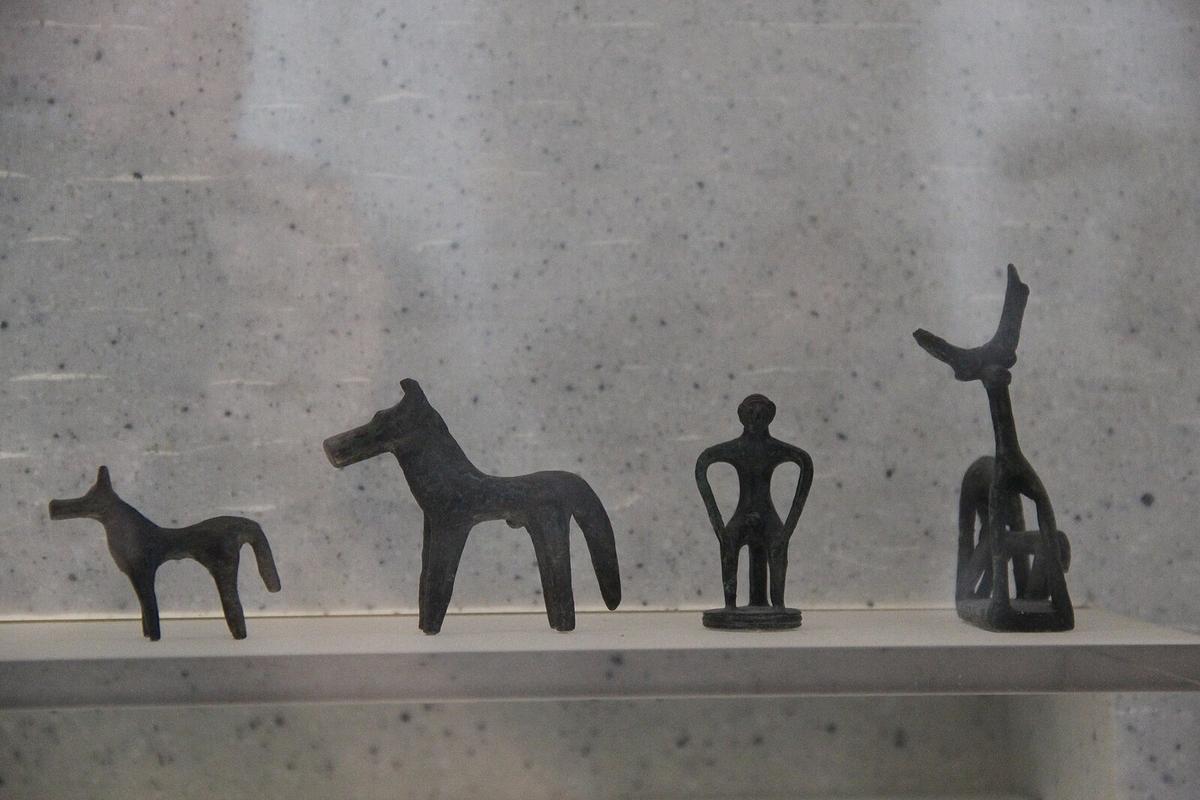
Over 250 of these plundered objects, submitted by 46 different countries, are in the museum’s collection. They appear in detailed 3D renderings with accompanying photographs and descriptions. Europe and North America supplied 96 items, and 57 are from Latin America and the Caribbean. There are 51 from Africa, 36 from Arab countries, and 37 from Asia and the Pacific.
The virtual museum—which can also be viewed through a VR headset—consists of three “rooms”: the Auditorium, the Stolen Objects Room, and the Return and Restitution Room. In the Auditorium, visitors can learn more about the purpose of UNESCO and the museum. In addition to preserving cultural memory and improving awareness of stolen artifacts, the museum aims to help countries improve their inventory ability and other measures to prevent theft.

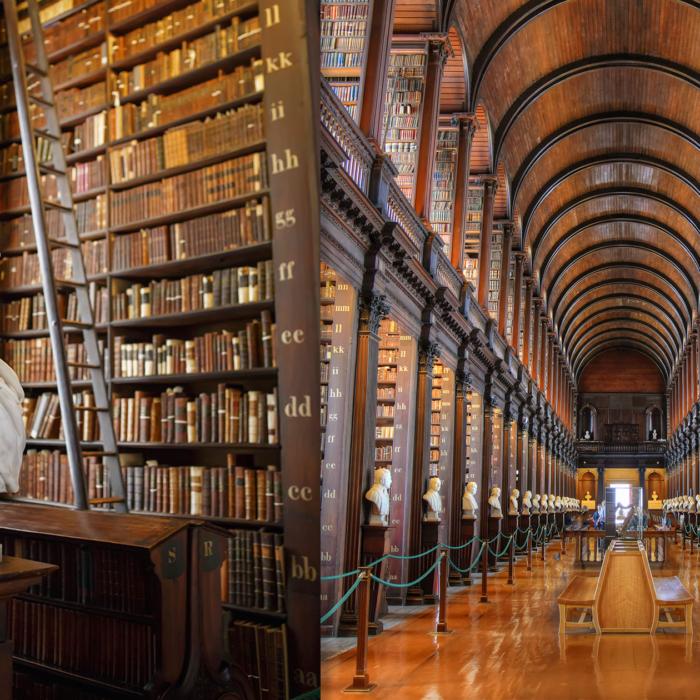
“The UNESCO Virtual Museum of Stolen Cultural Property is not just a digital experience; above all, it is a project that aims to ... recover stolen cultural property, and to support all Member States in protecting their cultural heritage. To ensure that all Member States can benefit from it, the Virtual Museum project also includes capacity-building activities, tailored to specific needs, to support States that do not yet have national inventories, inventories of stolen objects, or objects registered in the INTERPOL Stolen Works of Art Database.”
One such pilot program has already been launched in Togo.
Stolen Objects Room
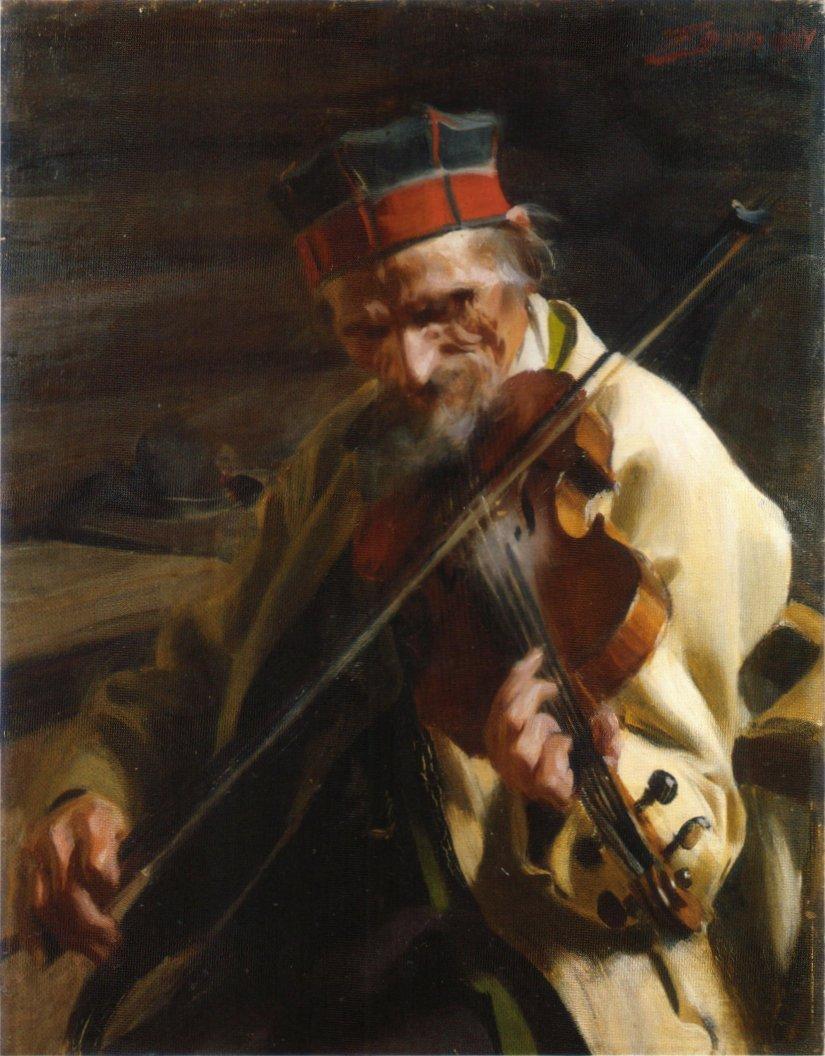
The main attraction of the museum is, of course, the Stolen Objects Room, where a vast array of vanished artifacts appear as digital reproductions. Users can search by region, color, use, or simply scroll at random through various displays. Among these lost treasures visitors will find an elaborate 1st-century B.C. dragon-headed golden bracelet from Romania, pottery from 600 B.C. Cyprus, an 18th-century silver Guatemalan church lectern, and a 1698 painting by Dutch artist Herman Henstenburgh titled “Memento Mori” that depicts a skull surrounded by flowers.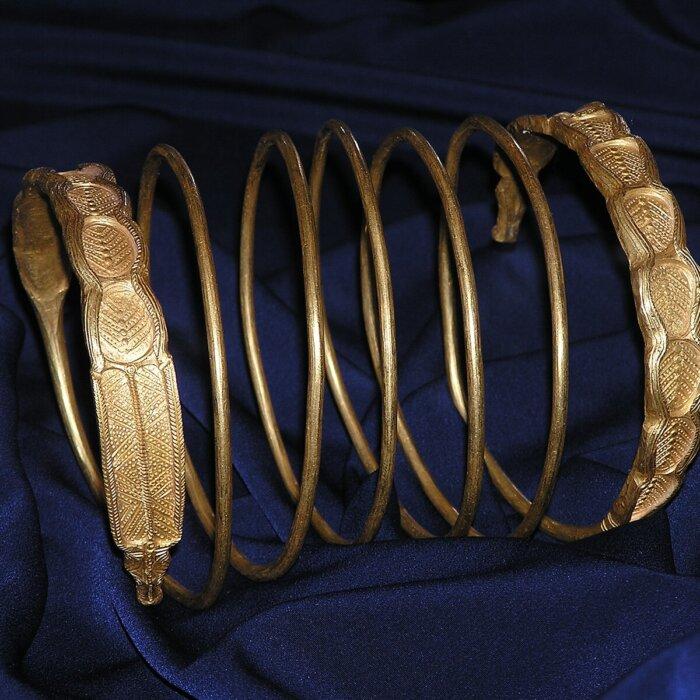
The variety of artifacts in the collection fills the visitor with awe for the beautiful and mysterious works of the past—and sorrow for their loss. As the museum website states, “Cultural objects carry the stories of their communities. When a cultural object is stolen, we lose a part of our identity. Learning about these missing objects is the first step toward their recovery.”
The museum’s third section has an eye toward chronicling the process of recovery. It includes installations celebrating artifacts that were rediscovered or restored to their proper home. Sadly, as of this writing, the Return and Restitution room consists of only three objects: trilobite fossils that were intercepted in Chilean customs and returned to their country of origin, Morocco.
The museum opens up to visitors a glimpse of vast swathes of human history from around the world. They remind us of both the vitality and fragility of human civilizations, many of which are known to us now only through their artifacts—and even these are subject to vanishing. One hopes that the UNESCO museum will help prevent further loss, holding at bay the many forces that would erase the traces of the past.