NR | 1h 37m | Drama, Mystery, Thriller | 1945
Before slasher films gave us cabins in the woods and paranoia-filled video games went mainstream, there was this: an ensemble of strangers, a mysterious island, and a growing sense that someone among them is playing executioner.
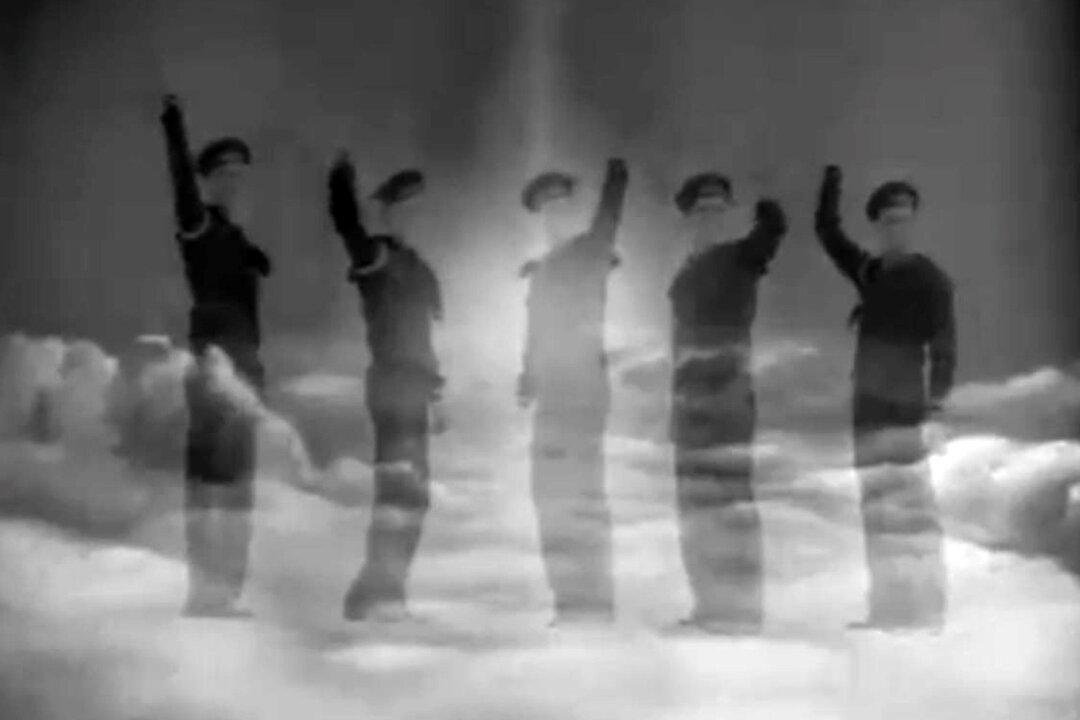
Director René Clair’s 1945 adaptation of “And Then There Were None,” drawn from Agatha Christie’s landmark 1939 novel, set the template. Barry Fitzgerald, Walter Huston, and Judith Anderson lead a cast that doesn’t need gore to keep you unsettled. Instead, viewers are treated to good pacing, tight direction, and the creeping dread of revenge closing in.
The film’s trick lies not in who did it, but in how the story maneuvers suspicion from one character to the next without tipping its hand too early.
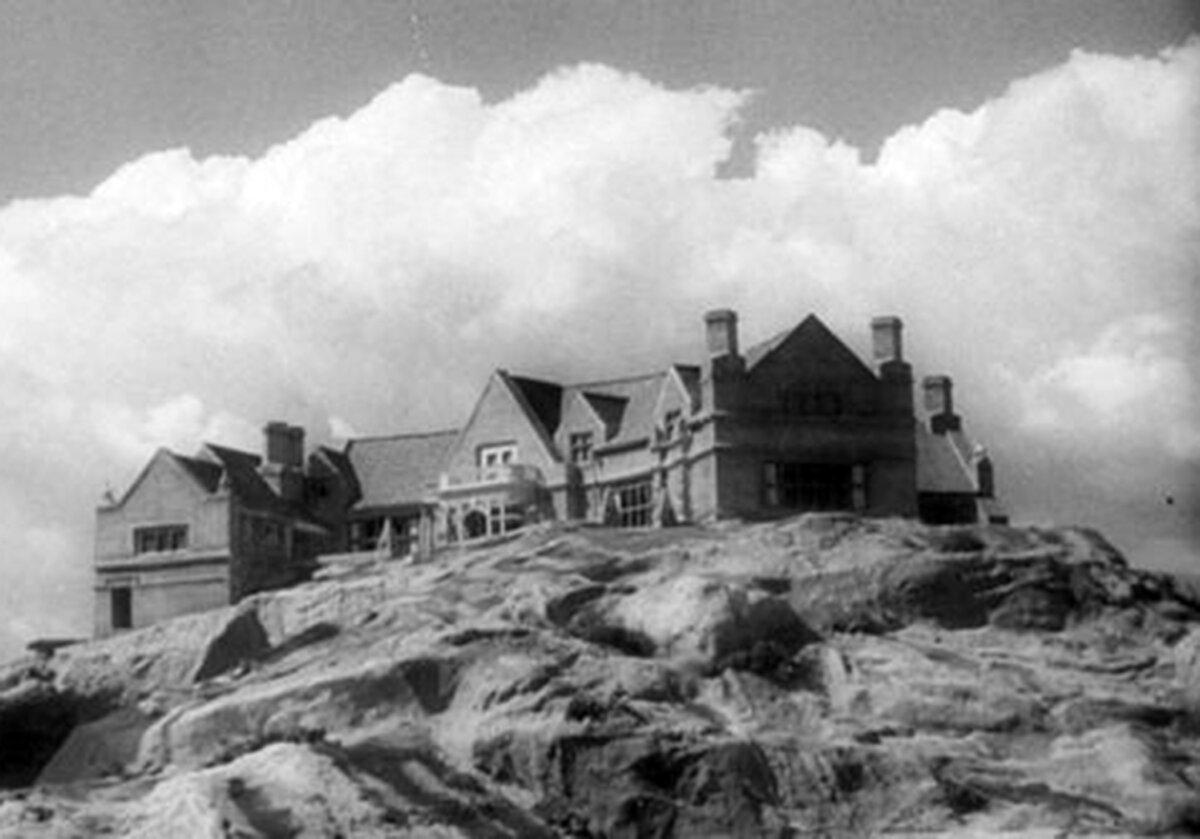
The setup is deceptively simple. The ensemble includes eight guests and two servants who arrive at an isolated manor under different pretenses. Once there, the guests discover they share one thing in common: secrets that they thought were buried.
Teacups and Suspicion
After seven guests, a secretary, and two staff arrive on the lonely island, the real fun begins. Things happen quietly, ominously. The staff seem uneasy. The guests are a parade of secrets, clipped manners, and barely concealed contempt. At the center of the dining room sits a ring of figurines, each one fated to vanish in grim sync with the increasing body count.
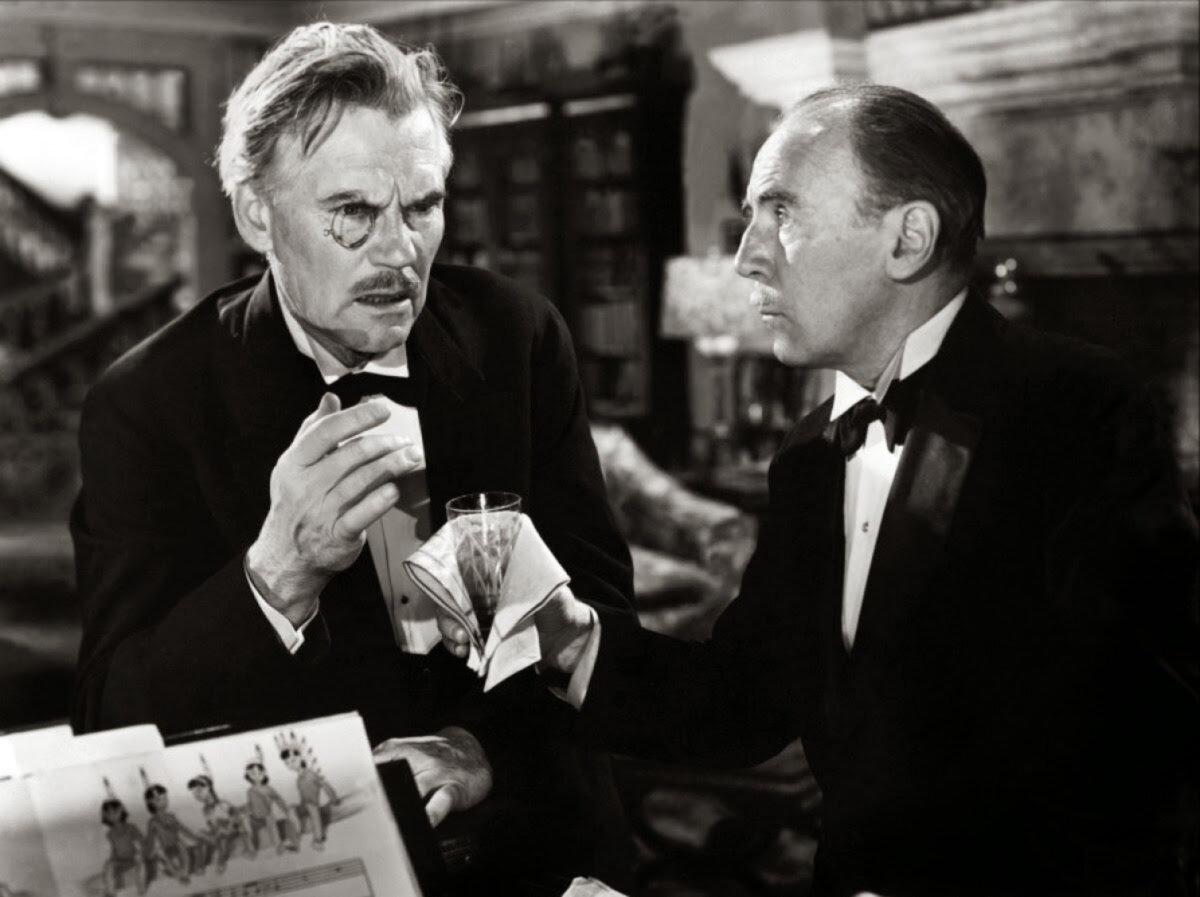
Dinner is served, awkward smiles are exchanged, and then the butler drops the needle on a record that kills the mood entirely. A voice played on a record player accuses every person present of murder. Their crimes are unpunished, but not forgotten.
From there, it’s all downhill in the most deliberate way possible. One guest winds up dead. Then another … and yet another. The remaining few start glancing at each other a bit too long over breakfast. The island isn’t that big, and no one else seems to be hiding on it. So, they begin to realize that the killer must be right there among them at the table. Coffee, anyone?
The Original Whodunit Sandbox
Watching “And Then There Were None” feels a bit like cracking open the prototype user manual for many of the mysteries that came after it. This is not in a dusty, academic way, but in the ah-ha! sense of recognizing just how many familiar tropes started right here.Swap the dinner jackets for parkas and the dining room for an Antarctic outpost, and you’ve basically got “The Thing.” Throw in voting mechanics and digital accusations, and you’re playing the popular social deduction game “Among Us.”
Director Clair’s version plays it with a certain knowing charm. Not slapstick. Not self-serious either. Everyone is suspicious, and no one has the decency to die quietly in bed. The guests arrive already fraying at the edges. As they start disappearing, the film becomes a round-robin accusation of “Wait, was it you?” all while the remaining players try to sip their tea with dignity and keep one eye on the nearest exit.
What makes this version pop isn’t just the plot (though that’s a gem on its own); it’s also the theatrical flair of the cast. The characters are sketched in broad, delightful strokes. It’s a bit like watching a very dramatic board game unfold, except the pieces are talking back and accusing each other of murder. There’s a mischievous energy here with keyhole spying, guilty confessions straight into the camera, a dinner party gone completely off the rails.
In a way, it’s more fun because we’ve seen where the formula went. This is the original “who’s the killer” sandbox, dressed up in black-and-white elegance and laced with just enough dark humor to keep things deliciously watchable.