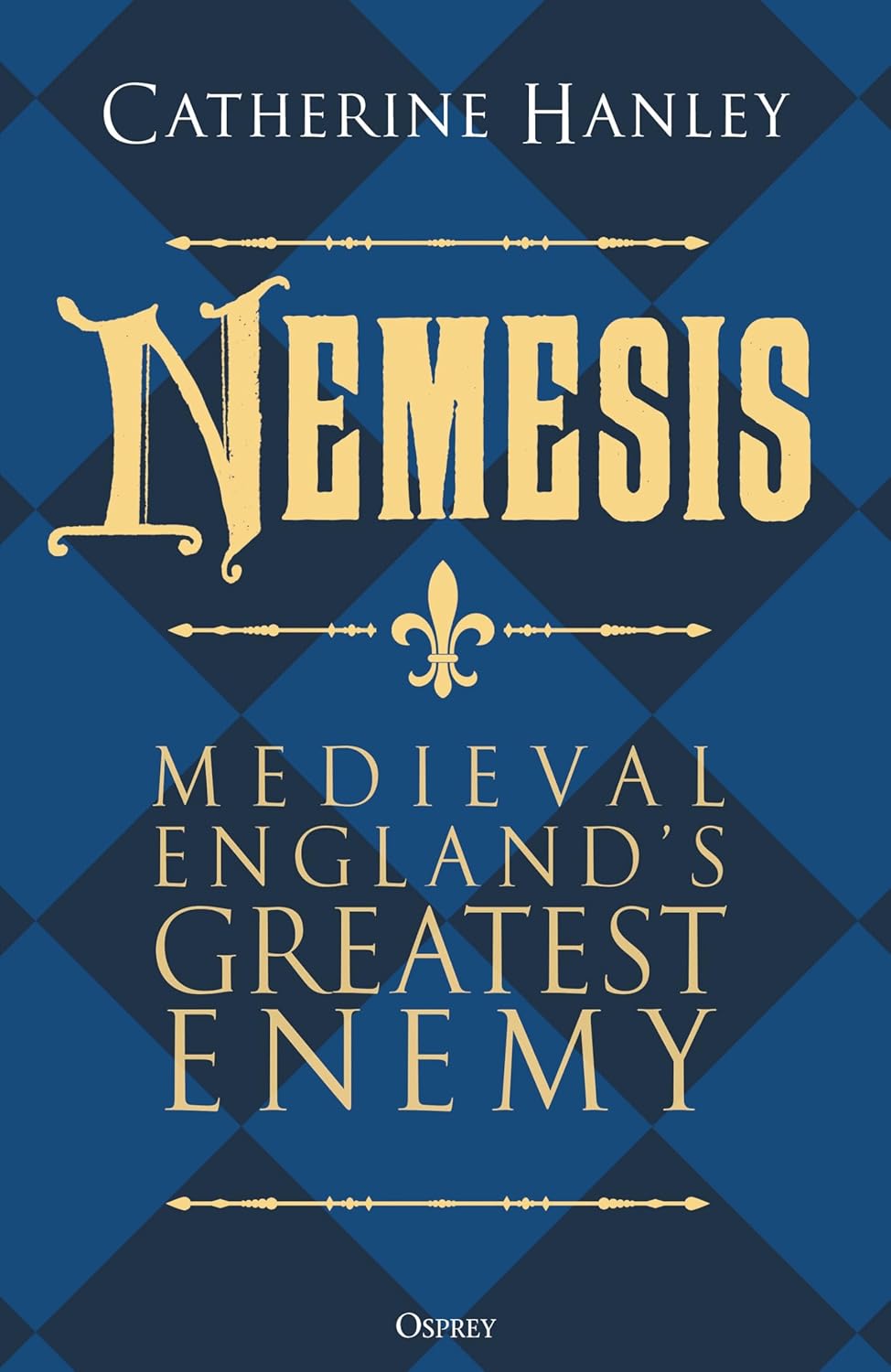
Kings, queens, bishops, knights, and castles. The Medieval period is often viewed as a chess match between European kingdoms. In Catherine Hanley’s new book, “Nemesis: Medieval England’s Greatest Enemy,” Philip Augustus, king of France, proves to be a grandmaster.
Hanley books presents an ongoing match between King Philip, of the Capetian line, and members of the Plantagenets, the ruling family in England. Beginning with Henry II, followed by Richard the Lionheart, King John, and rebellious noblemen in between, Philip was consistently at least one step ahead of his adversaries, if not many steps. The work demonstrates how the French king’s prudence, cunning, and power enabled him to undermine, outwit, and defeat one king or nobleman (and even a Holy Roman emperor) after another.
The Young Machiavellian
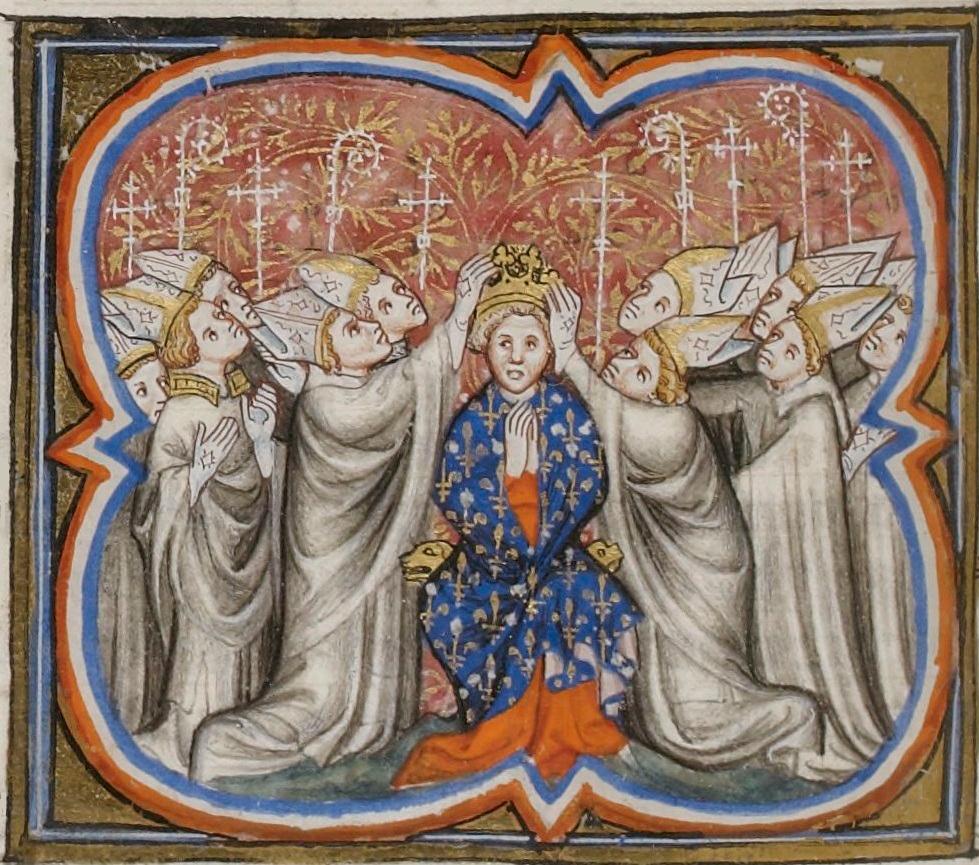
Hanley provides an early example of this providence when Philip Augustus, the son of Louis VII, got lost in the woods on a hunt. When Philip finally made it back to the palace, his health was in such a state as to be near death. But even this seemed to be somewhat providential. Fearing the death of his only son and heir to the throne, Louis VII journeyed to England to pray at the shrine of St. Thomas Becket. Philip recovered, but his father, under immense strain from the ordeal, suffered a stroke, expediting Philip’s coronation as the “junior king”—leaving no doubt as to who was the successor.
This ordeal led to his monarchical rise sooner than expected. Philip was only 14 when he became king, yet he possessed a diplomatic and rather Machiavellian mind. The author indicates that the young monarch quickly grasped the reins of power both physically and cognitively. Though understandably reactionary and emotional early on compared to his later years as king, he nonetheless proved a gifted leader.
His leadership was invaluable to the kingdom of France when putting down rebellions, coordinating marriage alliances, managing the state’s relationship with the pope, building France’s military, and outmaneuvering England’s kings. Perhaps, Philip was destined to continue his hostility to the Plantagenets, as the one member of the Plantagenets whom Philip was amicable with, Henry the Young King, died young of dysentery.

The Use of Internal Strife
Although “Nemesis” is a work of medieval history, it is certainly applicable to modern politics and foreign policy of the Machiavellian sort. Instead of martial actions, Philip often relied on internal strife within the Plantagenets and those in England’s powerful positions. The clearest example is when he urged Richard to request his father, Henry II, to name him as heir to the throne. Philip knew this would break the tradition of primogeniture, which Henry was adamant to maintain.According to Hanley, Philip’s prodding of this situation—and Henry’s resistance to it—divided the house. Richard allied with Philip and went to war against his father. The familial and military strain was too much for Henry’s health, ultimately leading him to concede to Richard’s and Philip’s demands, and, soon thereafter, his death.
The relationship between Philip and Richard is a study in international politics. When Philip and Richard joined the Catholic Church’s Third Crusade, Richard created too many enemies among the European leaders, including Holy Roman Emperor Henry VI.
Philip, on the other hand, befriended the emperor and appeared to better understand the necessity of cultivating power relations. When Philip and Richard fell out, it was the latter who paid the price. Upon attempting to return to England, Richard was arrested in Austria by Duke Leopold, and ultimately held in prison by Henry VI. Another of Philip’s problems was disposed of—at least for a while.
Richard’s imprisonment gave Philip ample opportunity to secure more lands and further foment strife among the Plantagenets. Richard was finally released, but he was later killed in battle. The English throne was up for grabs between John and his young nephew, Arthur I (son of Geoffrey II and grandson of Henry II). Philip backed Arthur, as the young and inexperienced Plantagenet was arguably be less of a threat.
The Ultimate Example
Then, there is the grandest example of Philip’s capacity for leadership. English barons were fed up with King John after he had the pope annul the Magna Carta. The barons came to France and requested that Philip’s son, the future Louis VIII, become their king. It seems absolutely incredible that members of a state’s ruling class would request their enemy to rule over them.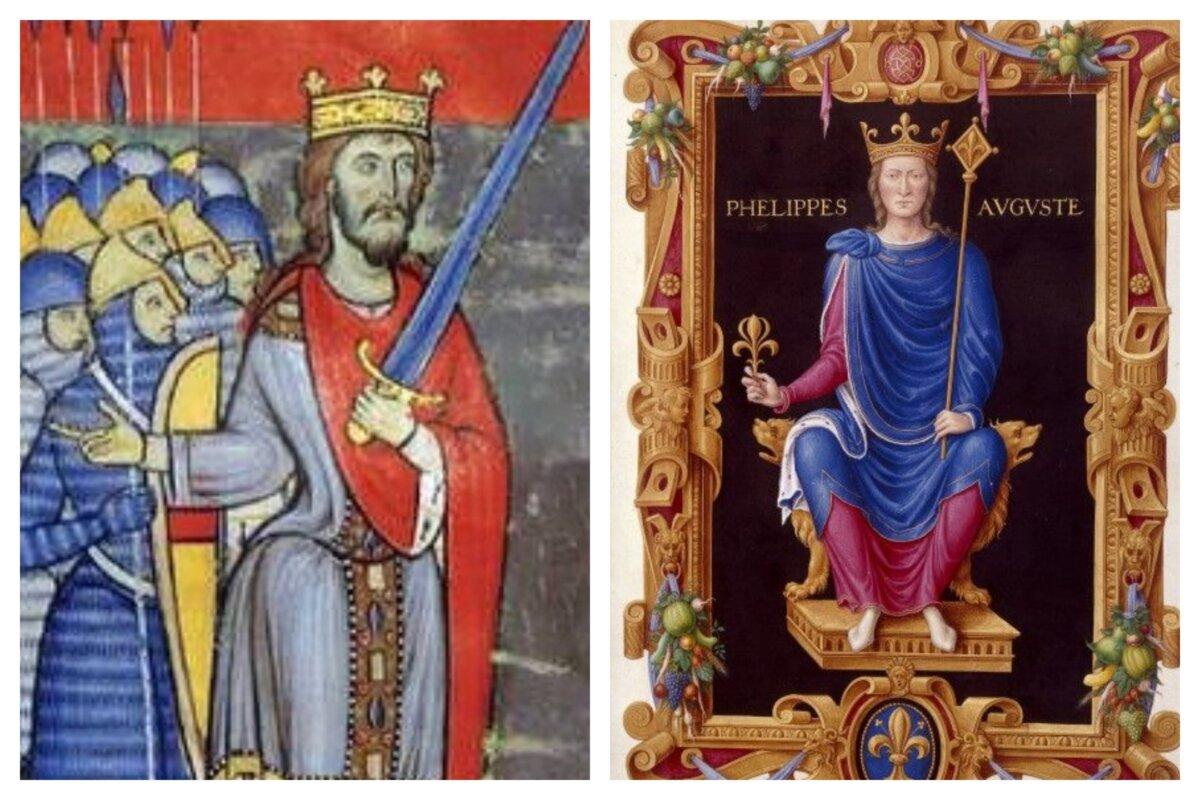
Hanley makes a very good argument that England and France, indeed, in large part, Europe, would have been very different had King John not died during this period. The overthrow of the despised Plantagenet monarch would have been easier than what followed. Louis VIII did not become England’s king. New life was breathed into the Magna Carta when John died and his young son, Henry III, was coronated. At this point, Philip’s ability to not only defeat his enemies on the battlefield but to defeat them by sowing division was clear. This period of Philip’s reign, as presented by Hanley, is a chess masterclass if there ever was one.
For those interested in medieval history, specifically between England and France, “Nemesis” is a great read. Additionally, it is a great study on how to conduct international political affairs and how powerful and prudent leaders identify and utilize leverage to achieve their goals.
The book is actually a prequel (if one can call it that) to Hanley’s “1217: The Battles That Saved England,” which presents the battles that took place when Louis VIII arrived in England in his attempt to become king. It’s also a great read. “Nemesis” is a considerably shorter, though Hanley does diligently place important footnotes throughout the book to provide detailed information about people and places, as well as explaining why certain things were done during that era.