The 17th-century Flemish painter Michaelina Wautier (circa 1614–1689) was one of the greatest Baroque artists, but her work fell into obscurity for centuries after her death. Surviving artworks were often misattributed to other artists, including Anthony van Dyck, Rubens’s pupils, and her artist brother Charles Wautier (1609–1703). The tide began to turn at the end of the 20th century when new scholarship uncovered her oeuvre.
A 2018 monographic exhibition in Antwerp, Belgium, introduced her art to the public for the first time. Cited as the “most exciting rediscovery of the past decade in art history,” Wautier is now the subject of a landmark exhibition at Vienna’s Kunsthistorisches Museum.
The exhibition’s works are a testament to Wautier’s artistic range: floral still life, portraiture, genre painting, and history painting. Traditionally, history painting—the most prestigious artistic subject—was the purview of male artists. It was considered acceptable for women artists to focus on only one genre, either small-scale still lifes or portraits.
Wautier is unusual for her mastery of many genres, especially large-scale religious and mythological canvases. Her monumental work “The Triumph of Bacchus” is a highlight of the Kunsthistorisches Museum’s permanent collection.

‘Conceived and Executed’
There are few surviving records related to Wautier’s life and career and nothing in her own hand. Art historians believe that she was probably born around 1614 in Mons, part of present-day Belgium. Specific details regarding her education remain elusive. Her paintings’ brilliant brushwork, references to antiquity, and rich details suggest that she had access to scholastic resources and was familiar with important artworks by fellow Flemish painters as well as Italian artists. It is possible that she joined her brother on a study trip to Italy.
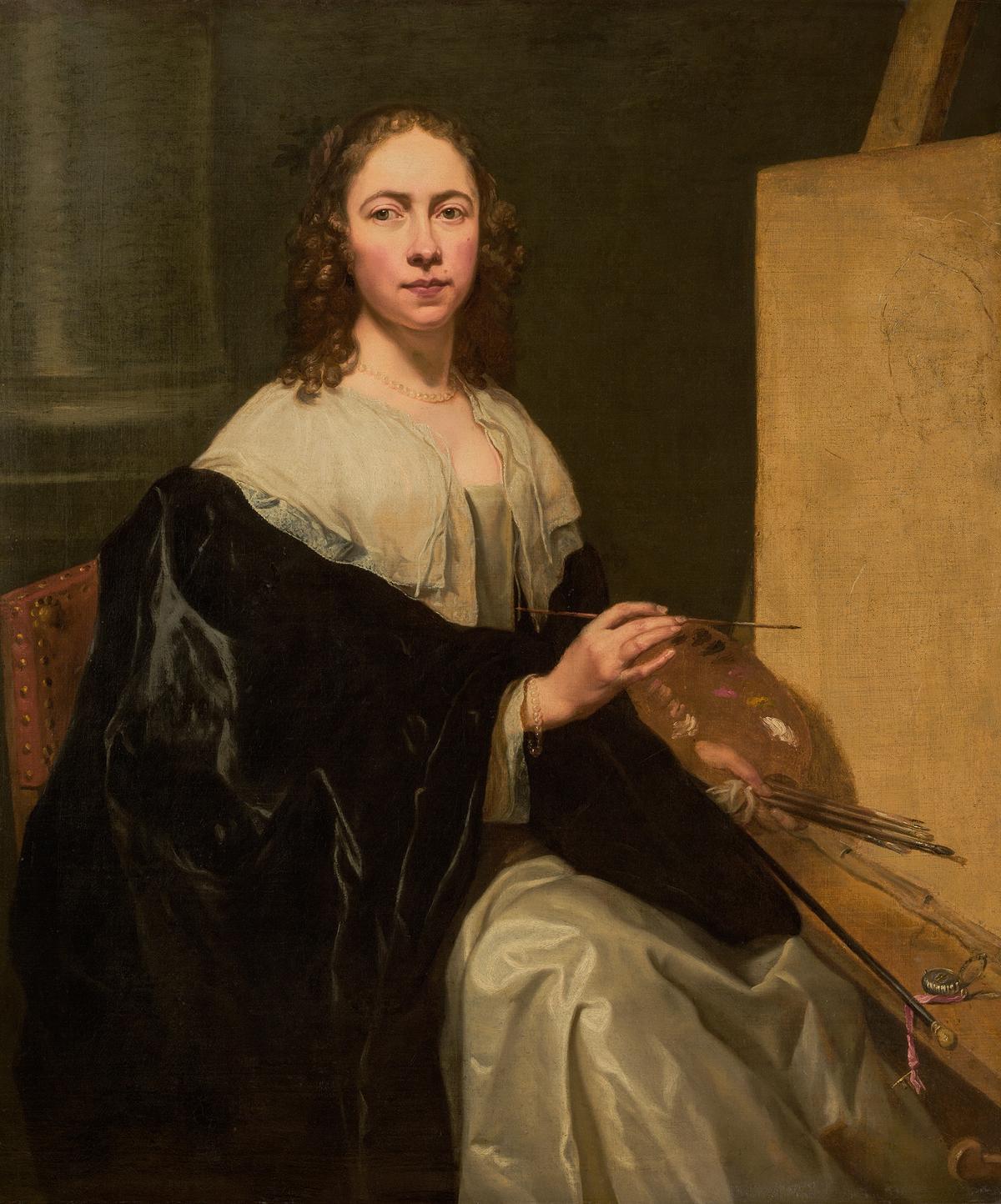
At some point, both siblings moved to Brussels. They lived together in a house, and they likely shared a studio. Both were successful artists and among their adopted city’s leading painters. The siblings counted Archduke Leopold Wilhelm, governor of the Spanish Netherlands, as a patron. Famed for his art collection, he owned four of Michaelina’s works according to a 1659 inventory, including “The Triumph of Bacchus.”
Piety and Portraits
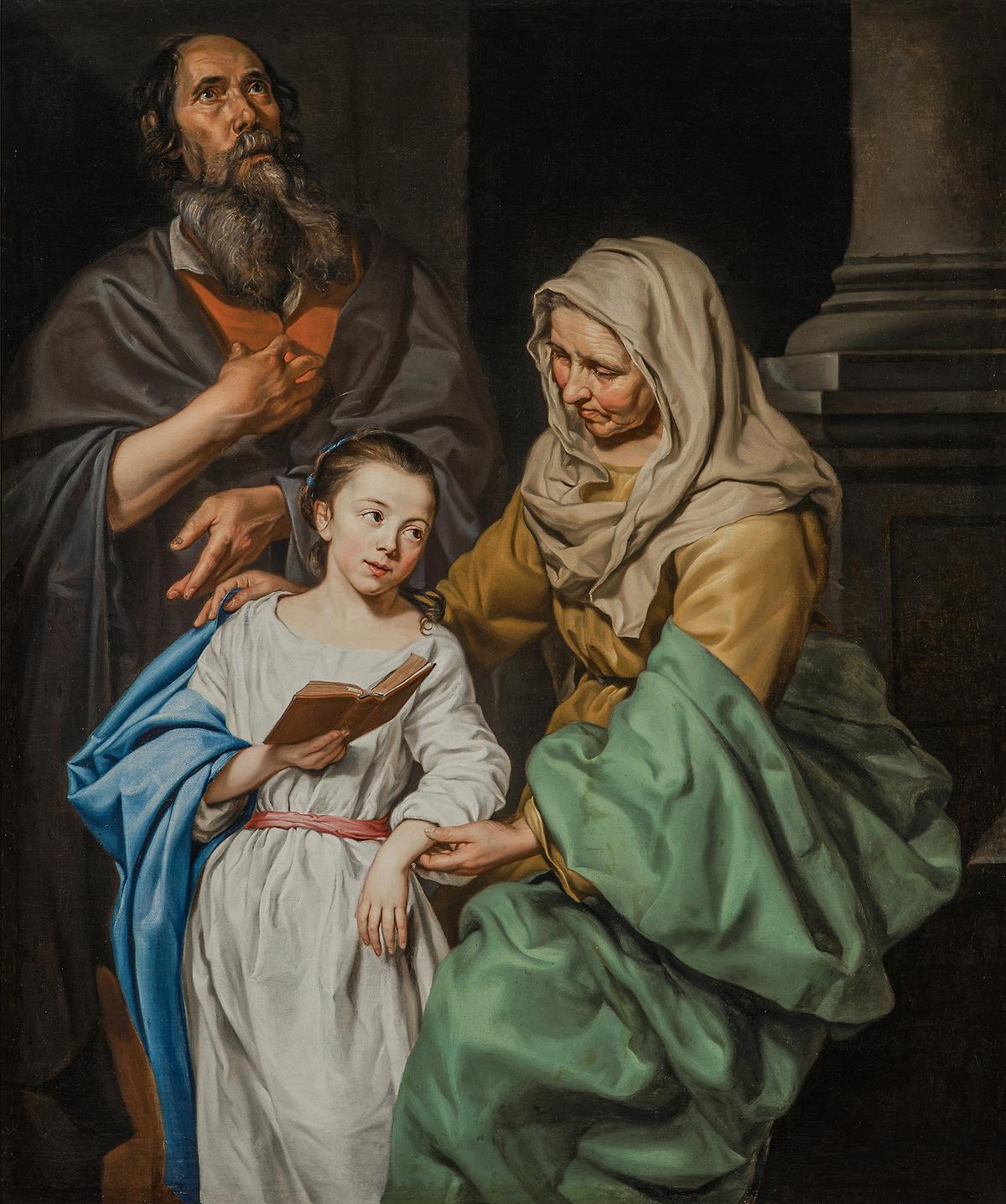
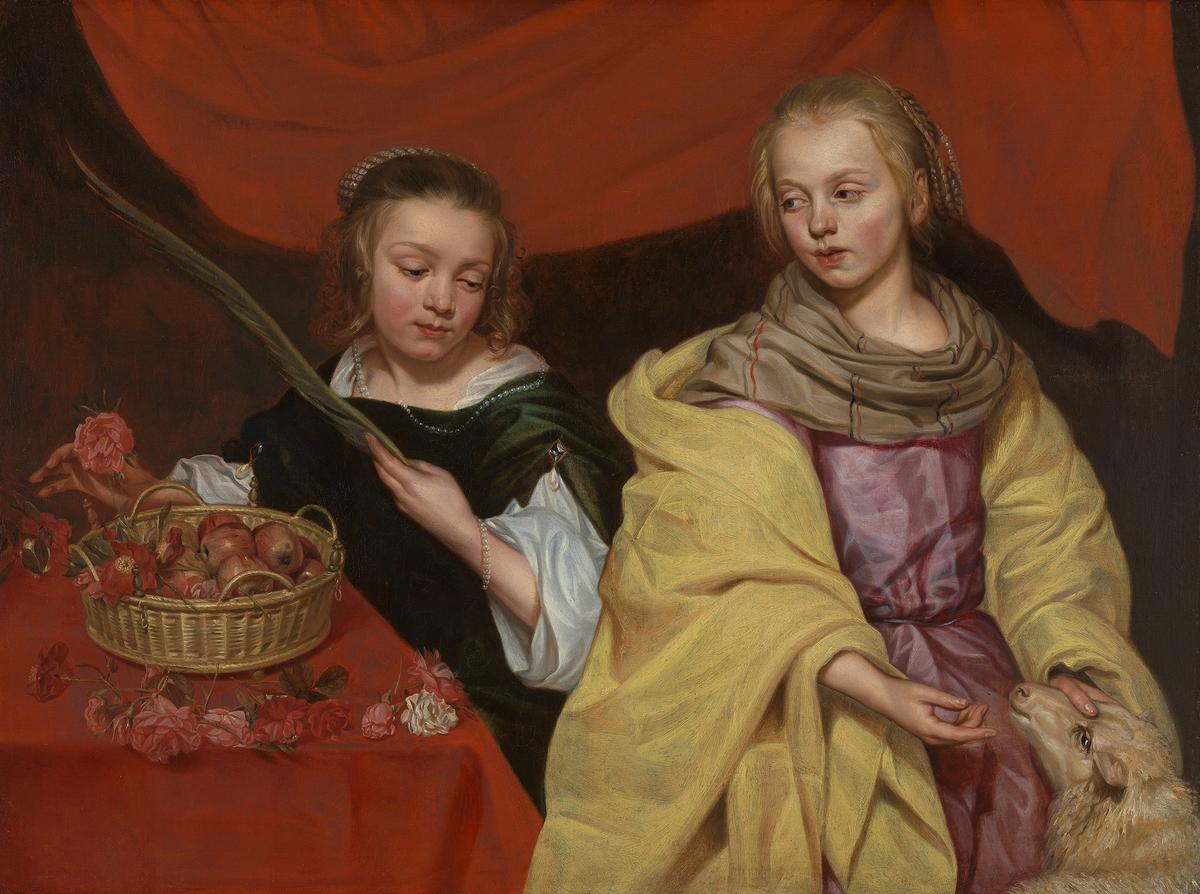
The first room of “Michaelina Wautier, Painter” features paintings with biblical themes. An important work is 1656’s ‘The Education of the Virgin.” It includes her more extensive signature (on the column’s pedestal), perhaps a testament to the esteem in which she held the canvas. The painting showcases her virtuosity at implementing lighting effects. Another oil in this section, “Two Girls as Saints Agnes and Dorothy,” was painted around the previous year and reveals her flair for using vivid colors.
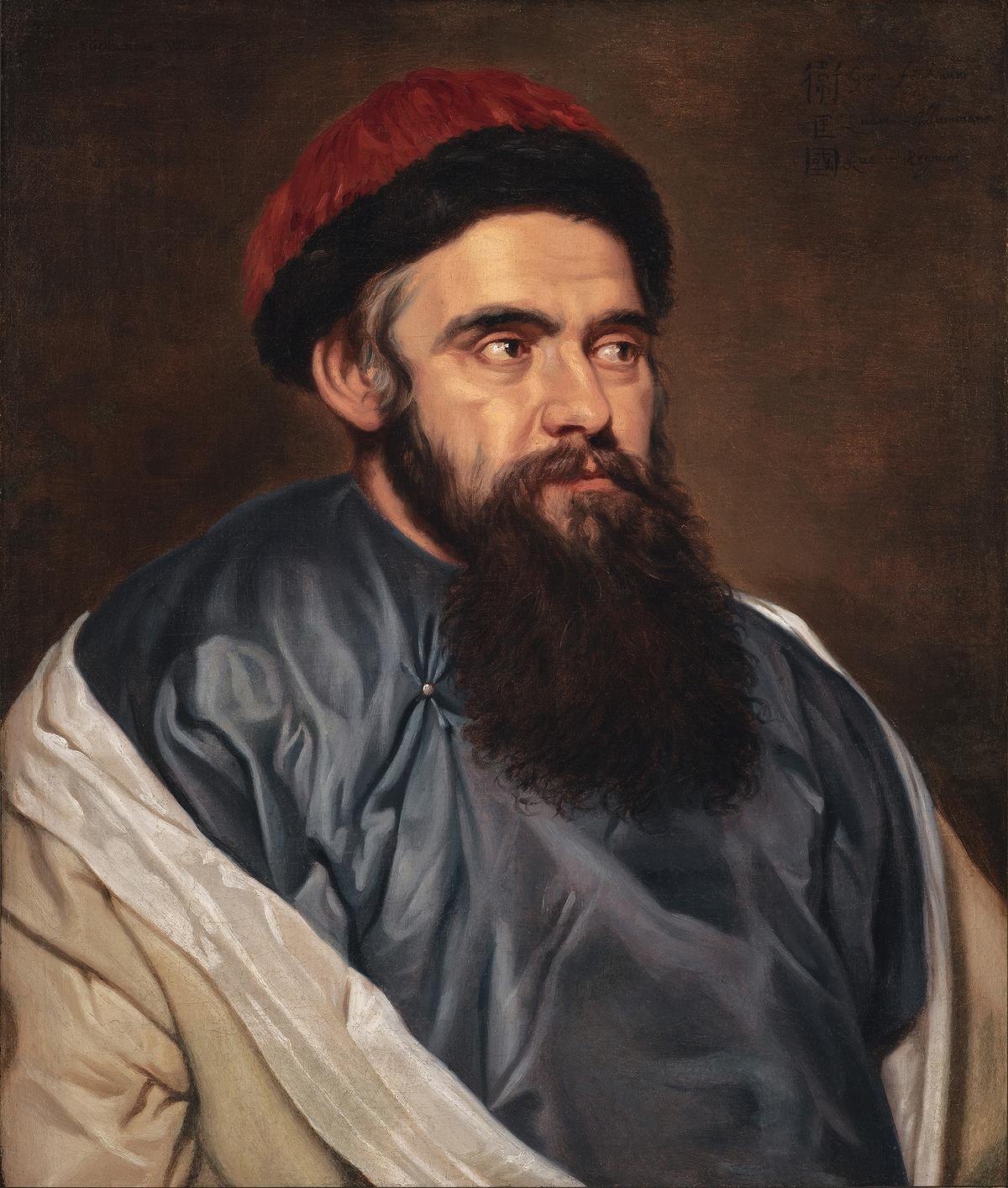
The second room’s theme is her portraiture. An outstanding example is a portrait of Martino Martini from 1654. Martini was an Italian Jesuit missionary, scholar, and cartographer famous for creating the first printed atlas of China, which he dedicated to Archduke Leopold Wilhelm. It was unusual for a man of his position to have his portrait painted by a female artist.
Wautier shows Martini in Chinese court dress, specifically Manchu fashion. At the canvas’s upper right corner, the sitter’s name is written in both Chinese and the corresponding Latin transcription. Martini’s face is composed of broad brushstrokes and reflects one of Wautier’s specific talents—her ability to observe and reveal a sitter’s psychology.
Allegories and Vanitas
A significant inclusion in the exhibition is Wautier’s famous series “The Five Senses” from 1650. For the first time, the entire group is being shown in Europe. Each work—“Sight,” “Hearing,” “Smell,” “Taste,” and “Touch”—features different boys performing everyday activities. These naturalistic childhood scenes are rendered with humor, sensitivity, and keen observation. Typically, allegories of the senses starred idealized women. By using boys instead, she made this subject her own: a defining trait of her exceptional output.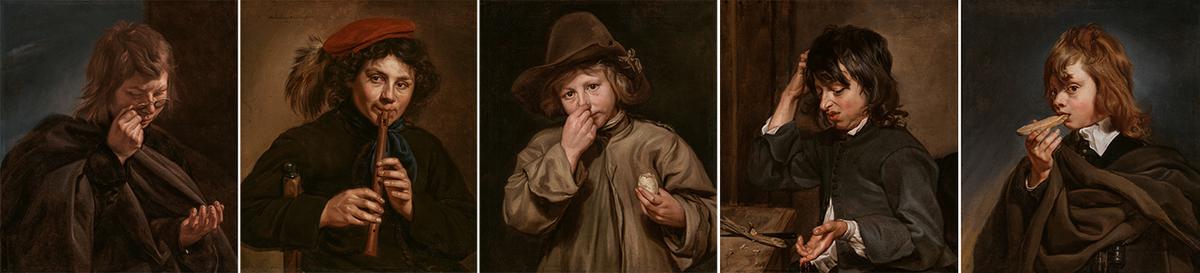
Another genre scene in the exhibition is the circa 1650 to 1655 vanitas painting “Two Boys Blowing Bubbles,” on loan from the Seattle Art Museum (SAM). A bubble that could pop at any moment is a metaphor for the tenuousness of life, emphasized by the inclusion in the background of a snuffed-out candle and an hourglass.
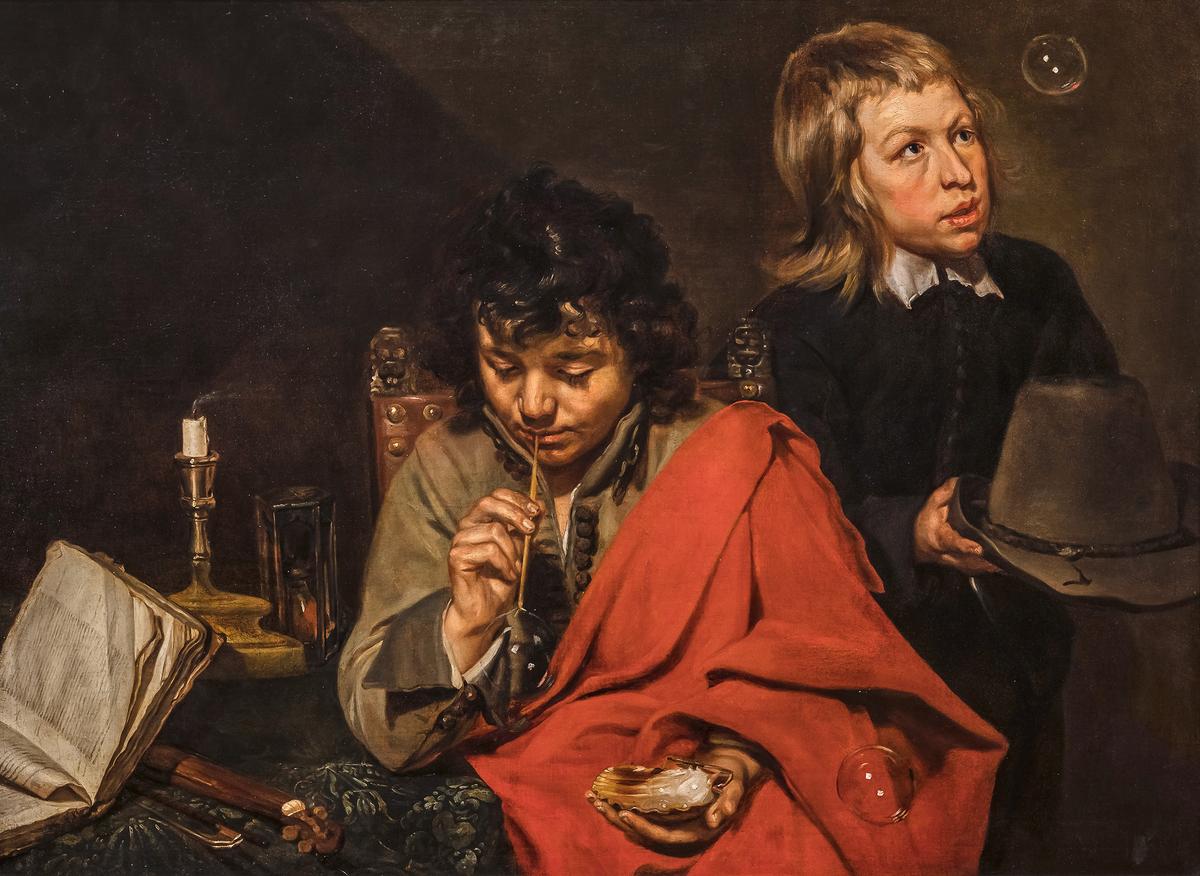
SAM writes that “the open book and half-hidden musical instrument may refer to the idea that art outlasts life, which of course is part of the point of the painting itself.” The reputation of Michaelina Wautier’s art has finally been restored, and she reclaims her place as one of the most important European painters in art history.