
During the 18th century and well into the 19th, class governed Britain.
While tradition and culture did allow some social fluidity, a gentleman owned land and didn’t dirty his hands or his reputation with trade or manufacturing. Ideally, his money derived from property rentals to tenants and income from his own farm, on which others performed menial labor. Land ownership gave him the right to vote, and his position in local politics and governance gave him status and clout. As the 18th century closed, there were approximately 20,000 officially designated gentlemen in England.
Meanwhile, on the other side of the Atlantic, the republic, which had just escaped the bridle and bit of British rule, was fashioning its own definition of a gentleman.
The New World Gentleman
While serving as ambassador to Britain from 1785 to 1788, John Adams wrote and published his three-volume “A Defence of the Constitutions of Government of the United States of America,” his arguments and support for such ideas as a separation of powers and a bicameral legislative branch.Here, he wrote that in America a gentleman no longer “meant the rich or the poor, the high-born or the low-born, the industrious or the idle: but all those who have received a liberal education, an ordinary degree of erudition in liberal arts and sciences. Whether by birth they be descended from magistrates and officers of government, or from husbandmen, merchants and mechanics, or laborers; or whether they be rich or poor.”
Citing Woods, Berkowitz noted, “The gentleman was also expected to be ‘reasonable, tolerant, honest, virtuous, and “candid,” an important eighteenth-century characteristic that connoted being unbiased and just as well frank and sincere.'” Other gentlemanly traits included “grace without foppishness, refinement without ostentation, virtue without affectation, independence without arrogance.”
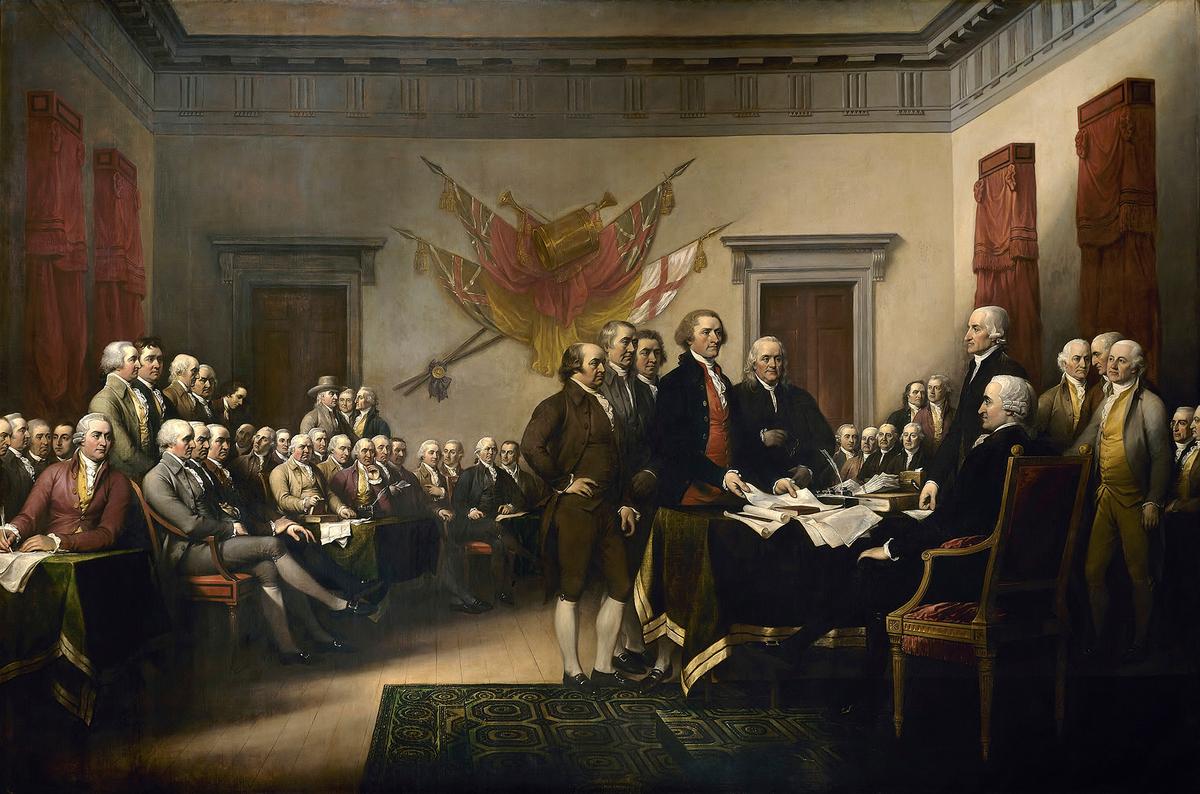
Reflecting this shift in the concept of a gentleman were the signers of the Declaration of Independence. In their number were lawyers, plantation owners, farmers, merchants, four physicians, and one printer, Benjamin Franklin. Many of these men hadn’t come by their wealth and position by birthright or inherited riches, but by their own work and ingenuity.
The Jefferson–Adams Debate Over Aristocracy
In 1813, when America was again engaged in war with Britain, John Adams and Thomas Jefferson exchanged letters regarding an American aristocracy. Jefferson pointed out that “even in Europe a change has sensibly taken place in the mind of Man.”“Science had liberated the ideas of those who read and reflect, and the American example had kindled feelings of right in the people,” he wrote. “An insurrection has consequently begun, of science, talents and courage against rank and birth, which have fallen into contempt.”
America’s Ideal Gentleman
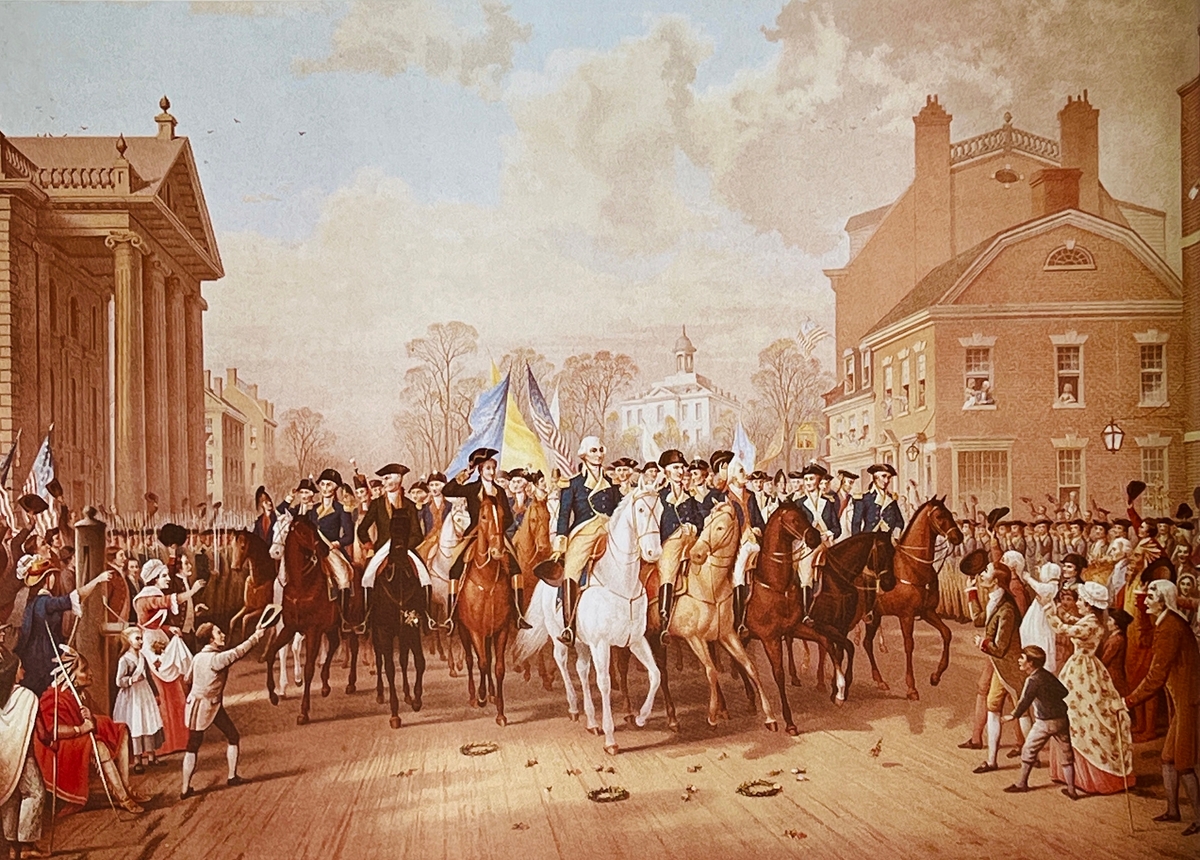
Of all the famous figures in our history, George Washington stands in the top rank of gentlemen. He more than matched the criteria mentioned above by Gordon Woods. In an essay of remembrance written in 1814, some 15 years after Washington’s death, Jefferson called Washington “a wise, a good, and a great man.” He noted some of his flaws, his temper when he gave way to anger, for example, and his lack of a formal education, but concluded “it may truly be said, that never did nature and fortune combine more perfectly to make a man great.”Washington put great store in bearing and self-control. From copying out and taking to heart “The 110 Rules of Civility” as a teenager to his self-willed calm when under moments of great duress, he was always aware of his conduct and word choice.
Yet among all of these character traits and virtues of the gentleman, and so of manhood itself, none were more important than honor and reputation.
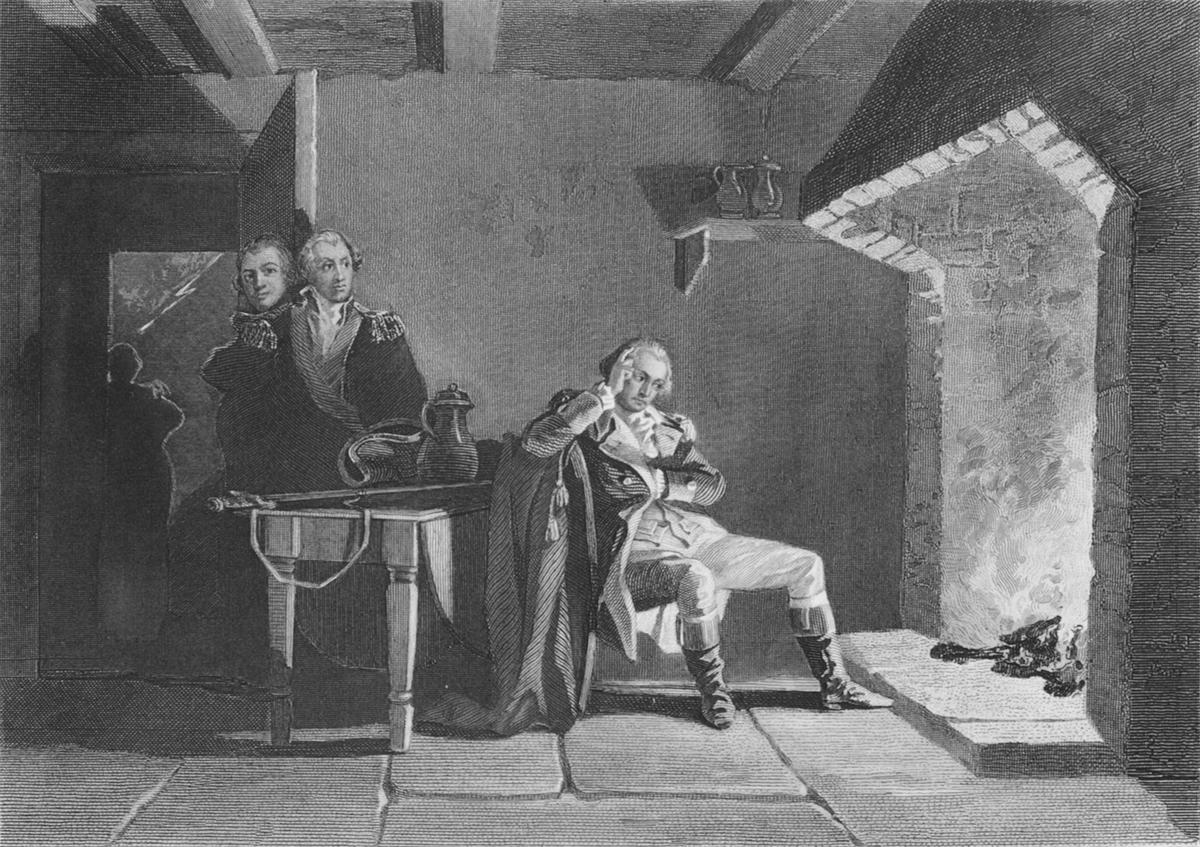
‘Our Lives, Our Fortunes and Our Sacred Honor’
In his book “Honor: A History,” James Bowman notes Washington’s deep affection for “Cato, a Tragedy,” Joseph Addison’s play about the virtuous defender of the Roman Republic, “which [Washington] arranged to be performed for his soldiers at Valley Forge as a lesson in republican virtues—and in the cultivation of honor, in which he was assiduous.”Even a cursory look at American history from the Revolution to the Civil War reveals the premier place of a code of honor among men, often violently enforced. The duel of Aaron Burr and Alexander Hamilton, the duels and brawls fought by Andrew Jackson in defense of his wife’s reputation, the dispatching of ships and Marines to fight in Tripoli when Thomas Jefferson deemed the nation’s honor at stake—in these instances and more, honor demanded a response.
Born into an age in which the concept of manhood is denigrated or viewed with suspicion, and the word “gentleman” is seldom heard, young men today would likely find such a rule incomprehensible.
The Missing Pieces
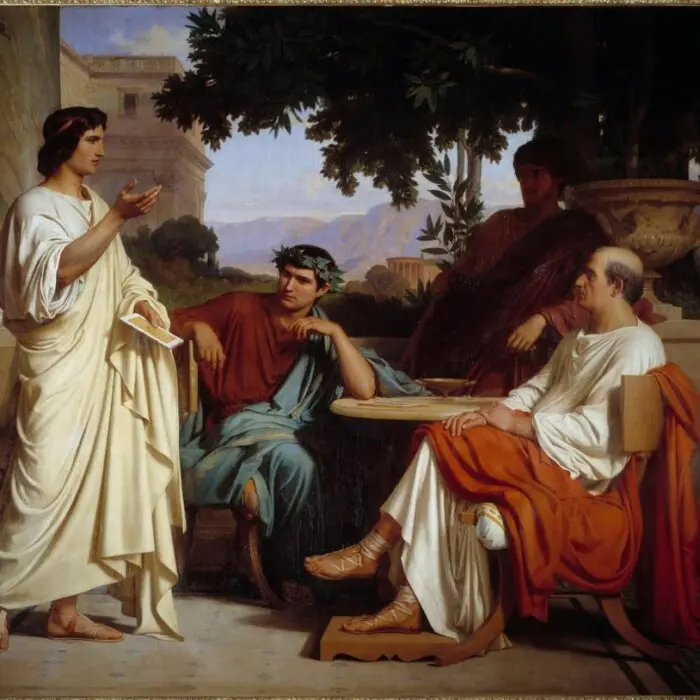
Boys can be taught table manners and other forms of etiquette, but as may be construed from above, these were the lower rungs of a ladder in the climb to manhood and becoming a gentleman. The rest of what it means to be a man is learned by emulation, by learning and copying other worthy men.The Founding Fathers learned virtue and honor from Scripture, from Roman histories such as Plutarch’s “Lives” and Livy’s histories, and from their fathers, teachers, and mentors. Washington had his copybook and his Cato. Adams, Jefferson, Madison, and Hamilton immersed themselves in Cicero, admiring his eloquence and his bold defense of the Republic against tyranny.
As some 21st-century men and women try to reassemble the puzzle pieces of manhood, models of manhood are often missing. Far too many boys are raised without fathers, or perhaps worse, raised by indifferent fathers. Far too many males remain adolescents into their 20s, having taken as their models celebrities, social media influencers, and other contemporary icons.
This passage from C.S. Lewis’s “The Abolition of Man” strikes the nail squarely on the head: “In a sort of ghastly simplicity we remove the organ and demand the function. We make men without chests and expect of them virtue and enterprise. We laugh at honour and are shocked to find traitors in our midst. We castrate and bid the geldings be fruitful.”
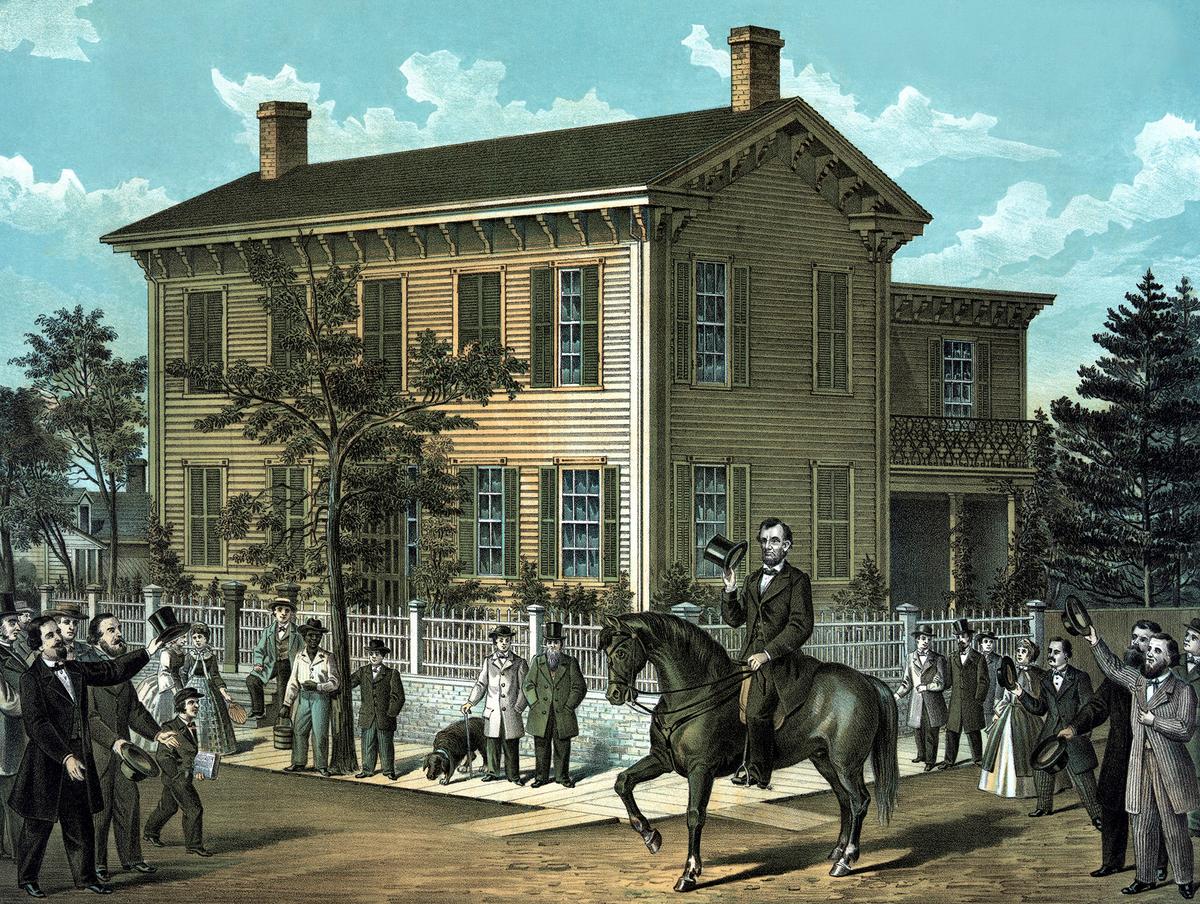
If we wish to make men rather than geldings, we need not reach back to ancient Rome. We can teach the young through the examples of Americans who deserve their attention, such as Washington and Adams, Abraham Lincoln, and Booker T. Washington. Reading and studying the lives of men such as these, their virtues and flaws, will aid immensely in creating a generation of men. Just as importantly, the young require living examples of good men—fathers, teachers, mentors, clergy—who practice virtue and honor.
To make gentlemen, we must first of all make men.