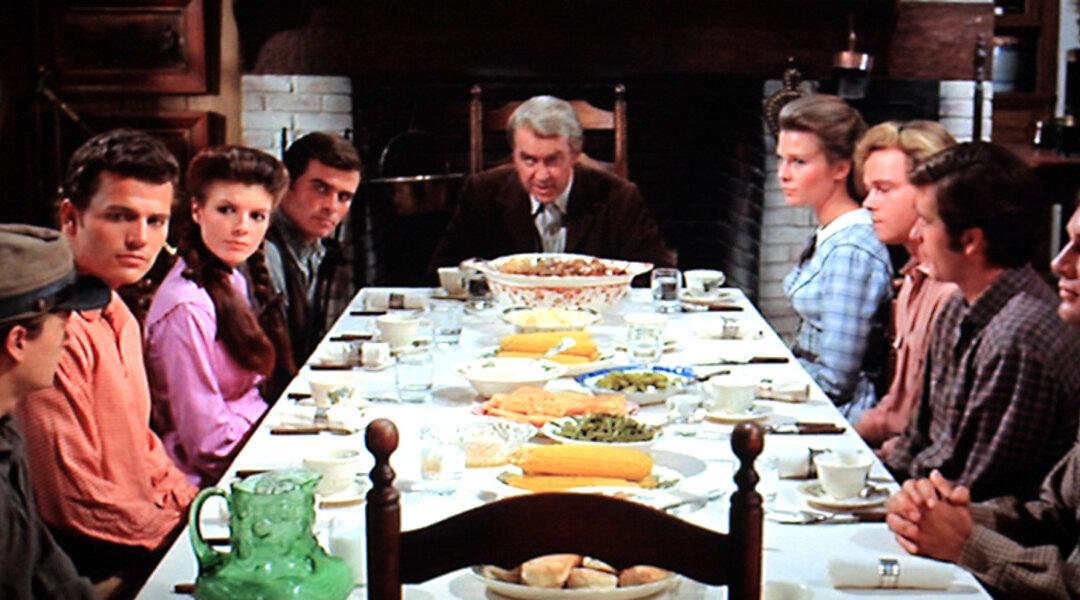
Director Alex Segal’s film, “All the Way Home,” ponders death within a family, and the faith required to fend off the fear and loathing of it.
Traveling alone, Jay dies in a road accident. Mary and Rufus have to confront their loss, and help each other cope. Thankfully, the devout Aunt Hannah (Aline MacMahon) helps them negotiate their anger, bewilderment, and sadness at being inexplicably, suddenly denied Jay’s warm presence.

Graceful Mourning
Obviously, Segal shows how deeply and gracefully Mary mourns Jay’s loss. Less obviously, he coaxes audiences to wonder: What if roles were reversed? Would Jay mourn as deeply, or as gracefully?One conversation puts the couple’s contrasting attitudes in sharp relief. Jay sees nothing beyond this life—no purpose or meaning beyond fulfilment of the here and now. If there’s a heaven, this is it. Mary finds her purpose and meaning amplified because she believes that every little joy or love here is perfected in the life after death.


Jay is convinced that people, having come from nowhere in particular, aren’t going anywhere in particular. Unconsciously echoing his ennui, he’s petting Rufus’s stuffed dog. Pregnant with child, however, Mary is certain: People come from God, and it is gratitude and generosity that’ll see them through all the way home to heaven.
Mary can’t help referencing heaven, frequently. Jay bristles at the mention of it. But for all Jay’s godlessness portrayed in the film, script has over two dozen references to God, and about a dozen references to heaven.
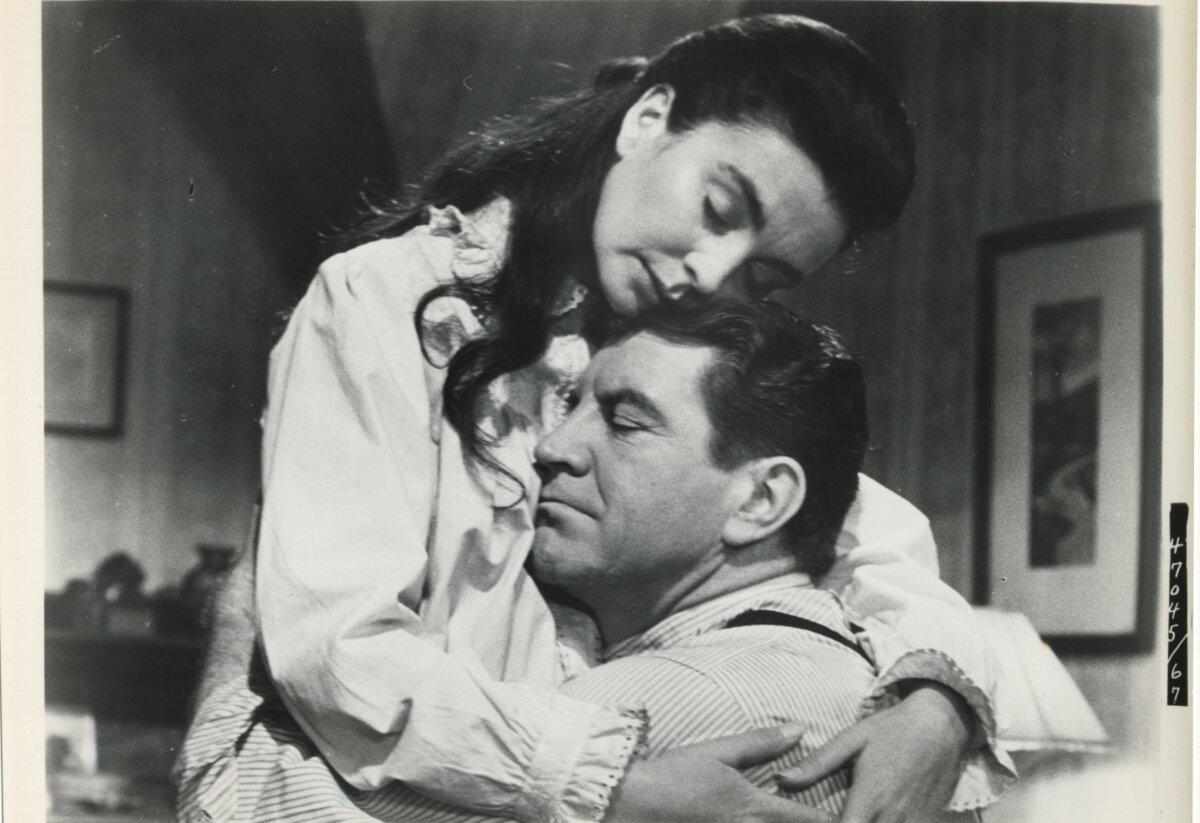
For all his certainty about how ephemeral everything is, Jay’s uneasy about it. He tells Mary, when they’re 80 years old, all they’ll have is each other. But he’s surprised at his tone of regret when it ought to be one of contentment. Their closeness belies, to him at least, a distance between them. Except, he navigates it pitifully, with guesswork about their destinies.
Why Pray?
Trained by a lifetime in prayer, Hannah’s and Mary’s readiness to kneel as if reflexively, suggests that faith and prayer aren’t meant to help us figure out why bad things happen to good people. Faith and prayer help us better face unavoidable, tragic realities, even if we don’t grasp them. As she tries to explain to Rufus, acceptance, not understanding, is the point.The Serenity Prayer exudes this. Written by Reinhold Niebuhr, and often misattributed to St. Francis, it pleads: God grant me the serenity to accept the things I cannot change; courage to change the things I can; and wisdom to know the difference.
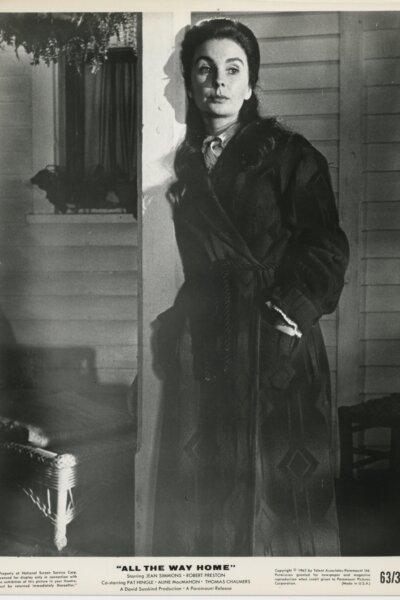
As if on cue, Hannah and Mary pray, “May Thy will be done, on earth as it is in heaven.” That isn’t a stab at dissecting what happens, but a plea for the equanimity to accept what has to be accepted.
Jay loves. He takes Rufus to the movies, he rebukes the racial prejudice of the boy’s playmates and he teaches him to respect his elders. Watch how he introduces him to his great-great-grandmaw. As for himself and Mary, they’re still like newlyweds, blowing kisses at each other, even long-distance over the phone.
But the seemingly infinite depth and undying intensity of his faithfulness to his family make Jay suspect that it can’t all be as fleeting or as finite as he imagines. As in that hymn immortalized by the great Jim Reeves, Jay senses that this world is not his home, he’s “just a-passin through.” Jay can never quite put his finger on it; for her part, Mary is determined that their son learns to.