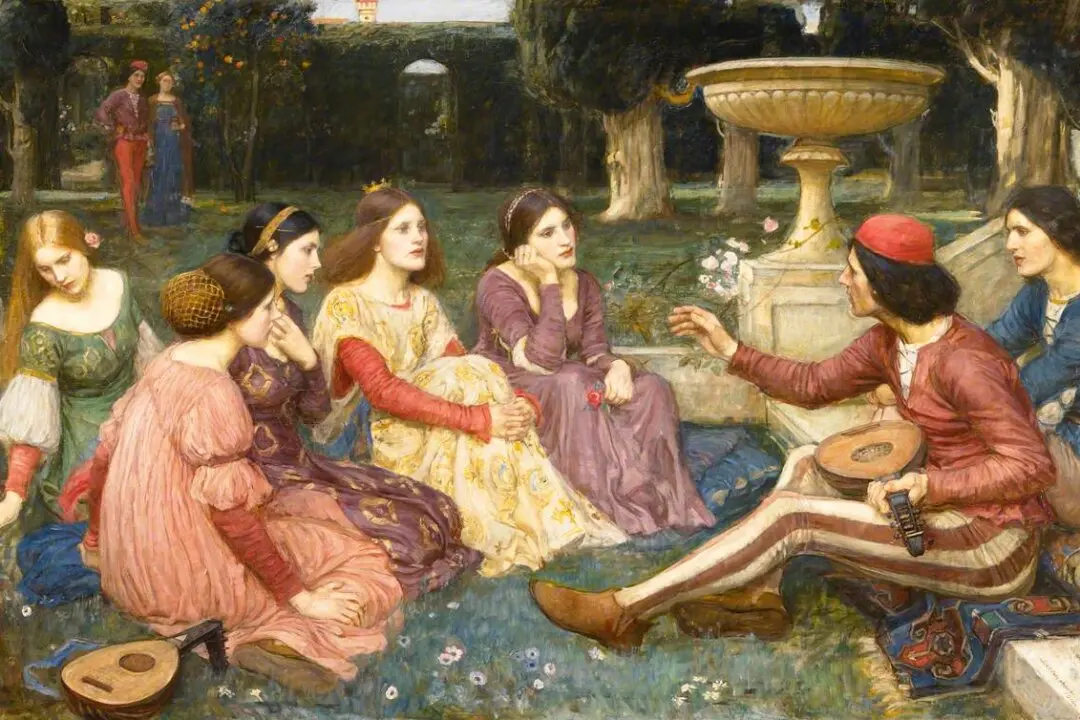
The German-born physicist Albert Einstein dispensed with many superfluities. He rarely wore socks or suspenders, considering them unnecessary. He wore his hair long so that he could avoid the time-consuming business of trips to the barber. In fact, Einstein’s signature wild hairdo was enhanced by the fact that he likely had a rare genetic condition called “uncombable hair syndrome.”
Einstein streamlined his daily routine to allow him to focus on his work. He held a position at the Institute for Advanced Study at Princeton University from 1933 until his retirement in 1945, and during that time he kept a regular schedule. As Mason Currey related in his book “Daily Rituals: How Artists Work,” Einstein ate breakfast between 9 a.m. and 10 a.m. At 10:30 a.m., he walked to his office, if the weather was congenial. If not, a car from the university picked him up.
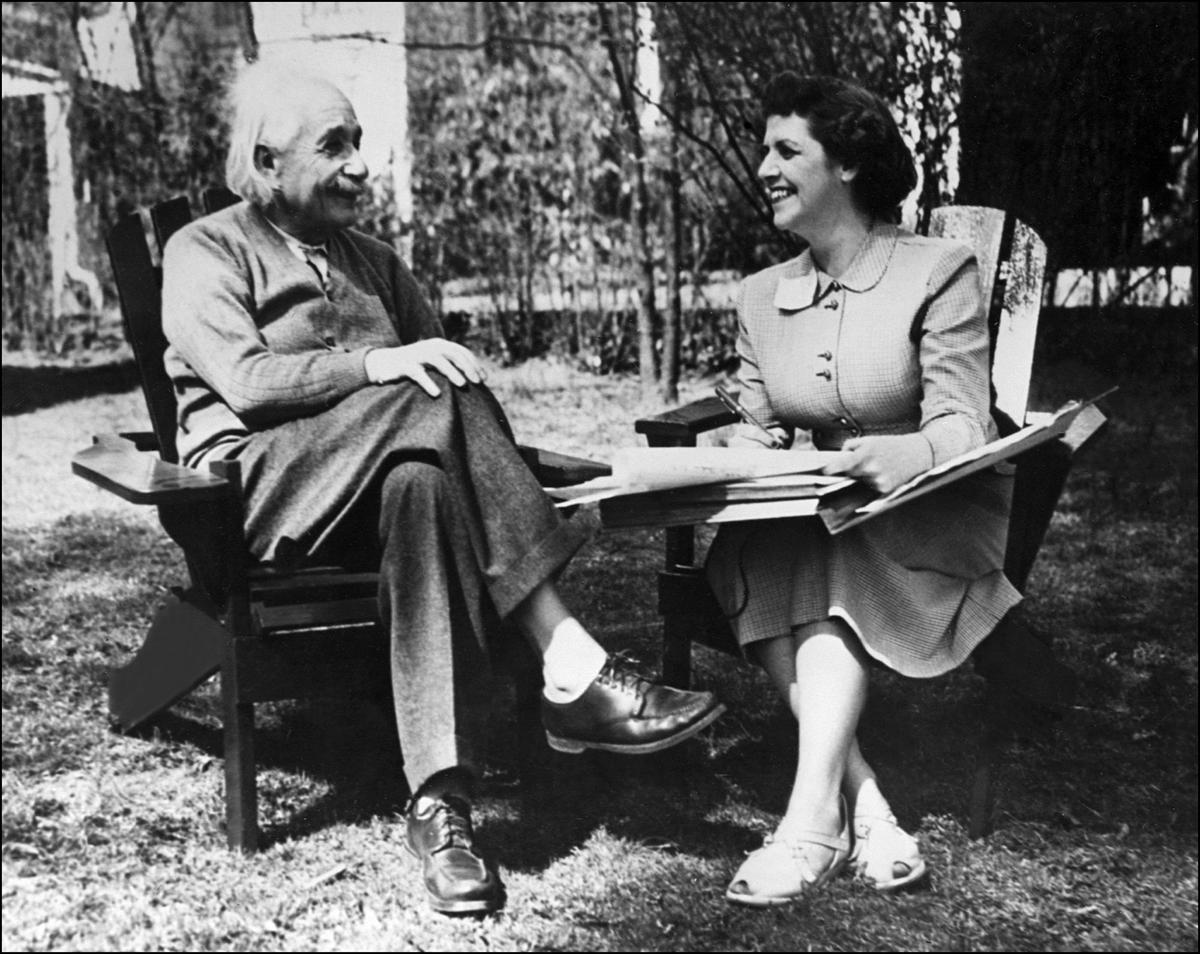
Einstein worked at his office until about 1 p.m. Normally, he returned home at 1:30 p.m. for lunch, a nap, and a cup of tea. He worked at home in the afternoon on tasks that included seeing visitors and writing letters. He ate dinner at 6:30 p.m., then returned to the grindstone for more work and letter-writing.

Einstein’s ability to remain focused on the task at hand is the stuff of legend. As he was developing his theory of relativity, he eventually had a devastating realization: His mathematical equations relating to the theory of gravity were flawed and needed to be reworked.
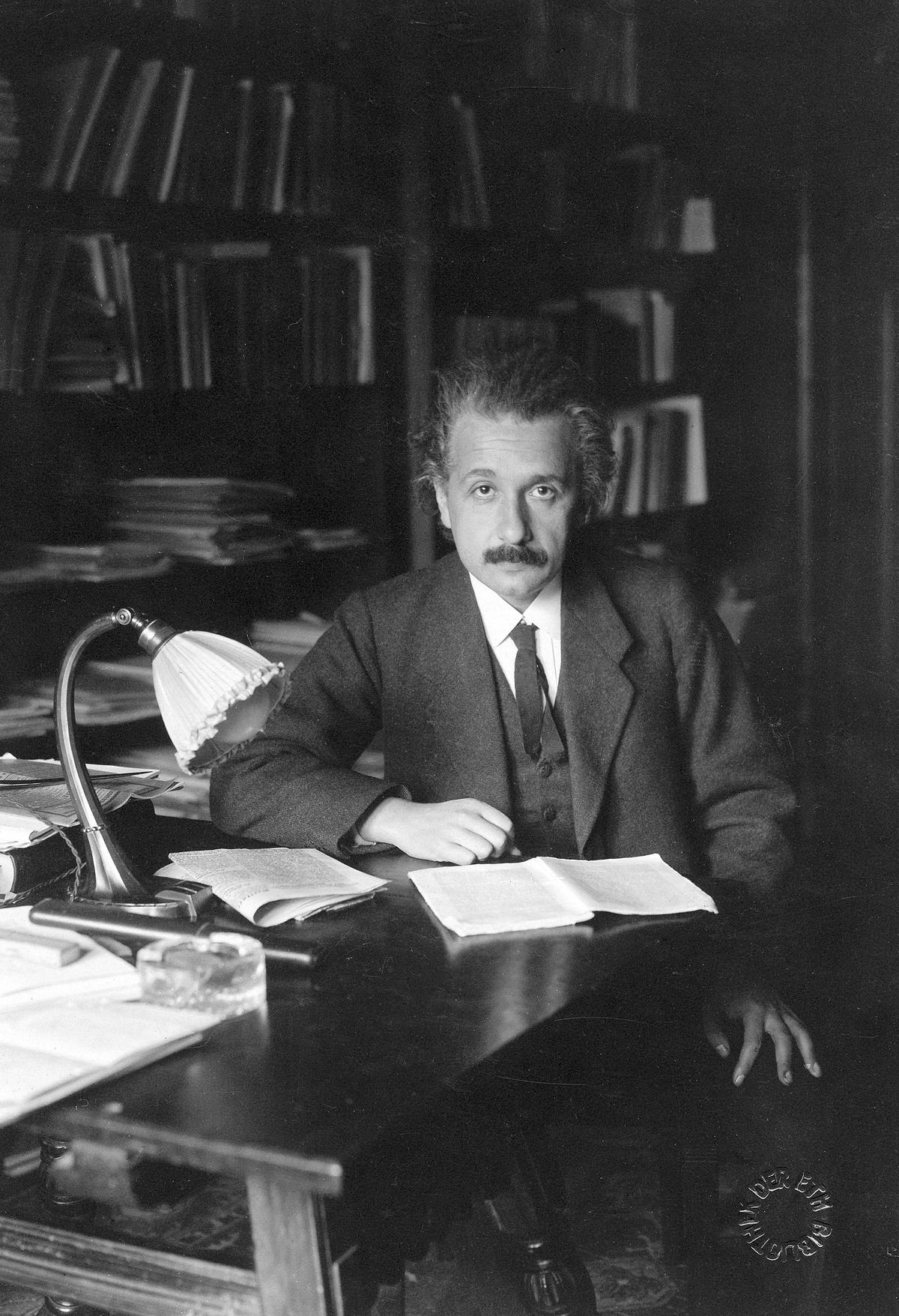
A series of postcards and letters the two exchanged throughout November 1915 documents a cordial but intense rivalry as each closed in on general relativity’s equations. Hilbert considered it fair game to pursue an opening in a promising but as yet unfinished theory of gravity; Einstein considered it atrociously bad form for Hilbert to muscle in on his solo expedition so near the summit. Moreover, Einstein anxiously realized, Hilbert’s deeper mathematical reserves presented a serious threat. His years of hard work notwithstanding, Einstein might get scooped.Plagued by anxiety and working long hours in almost total isolation, Einstein eventually succeeded in correcting his earlier errors, allowing him to present the final form of his General Theory of Relativity in November 1915. This impressive work ethic continued throughout his life. Even on the day of his death in 1955, his nose was buried in his work. He had been preparing a speech he was scheduled to give.
Of course, by the end of his career, Einstein was quite the celebrity. During his daily walks to and from his office, he was often stalled by excited passersby who wanted to meet the famous physicist. Mason recorded the recollections of one of Einstein’s colleagues: “Einstein would pose with the waylayer’s wife, children, or grandchildren as desired and exchange a few good-humored words. Then he would go on, shaking his head, saying: ‘Well, the old elephant has gone through his tricks again.’”
Perhaps his greatest “trick” was his ability to remain hyperfocused on his work through a streamlined lifestyle and simple yet effective daily routine. It’s partly because of this that we have Einstein’s world-shaking theories.