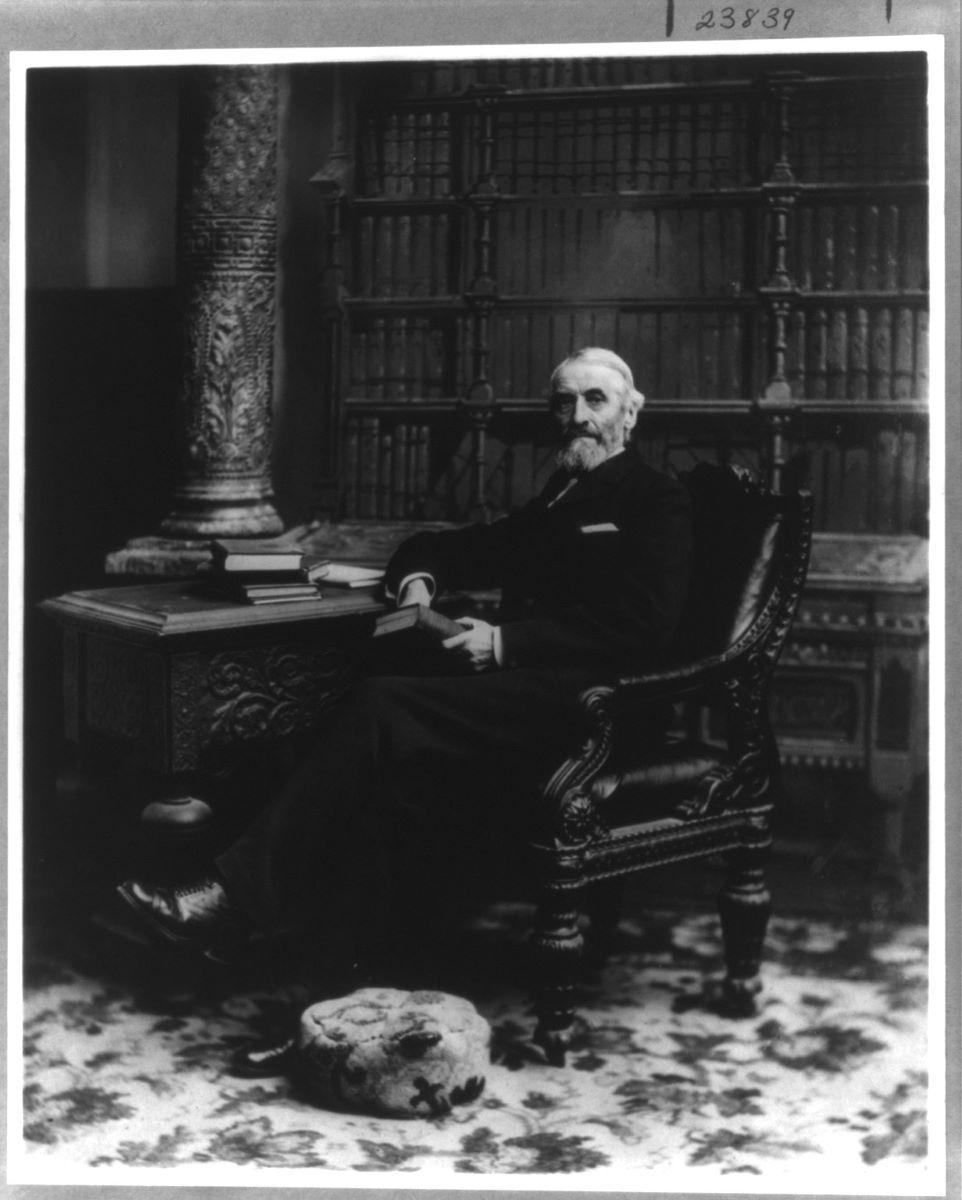
Ainsworth Rand Spofford (1825–1908) had an affinity for writing and reading. His early life was full of literature, as was his early career. His love of the written word would cement his legacy as the most influential librarian in American history.
Eventually, Spofford headed west to seek employment opportunities. He chose the city of Cincinnati, which had been crowned “Queen City of the West” for its economic opportunities and growing population. Cincinnati had become America’s first boomtown, and Spofford hoped to cash in. He quickly pursued the publishing industry, becoming an assistant for a local bookstore and publishing company.
“Ainsworth’s love of books naturally attracted him to bookselling,” Blackwell recalled. “The bookstore on Main street in Cincinnati soon became an informal literary centre for young men of scholarly taste.”
By 1850, he became a partner in the company, and the business was renamed Truman & Spofford. As Spofford’s literary influence grew, he helped found the Cincinnati Literary Club in 1849. The club, which claims to be “the oldest such club in the United States,” has boasted many prominent members, including two presidents: Rutherford B. Hayes and William Howard Taft.
From Journalist to Librarian
In 1859, he became the associate editor of the Daily Commercial, one of Cincinnati’s leading newspapers. In early 1861, the newspaper sent Spofford to Washington to cover the inauguration of the new president, Abraham Lincoln.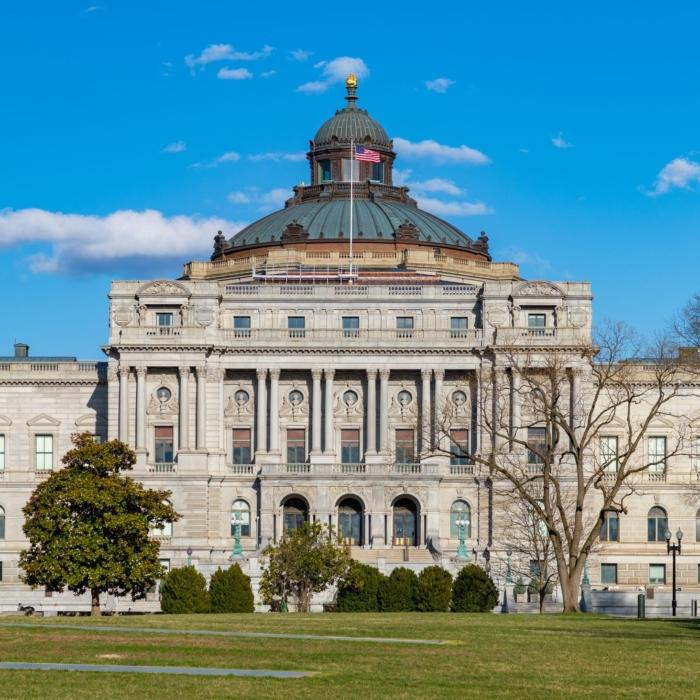

The timing for the country was not good, as the nation soon erupted into civil war. But for Spofford, the timing was rather providential.
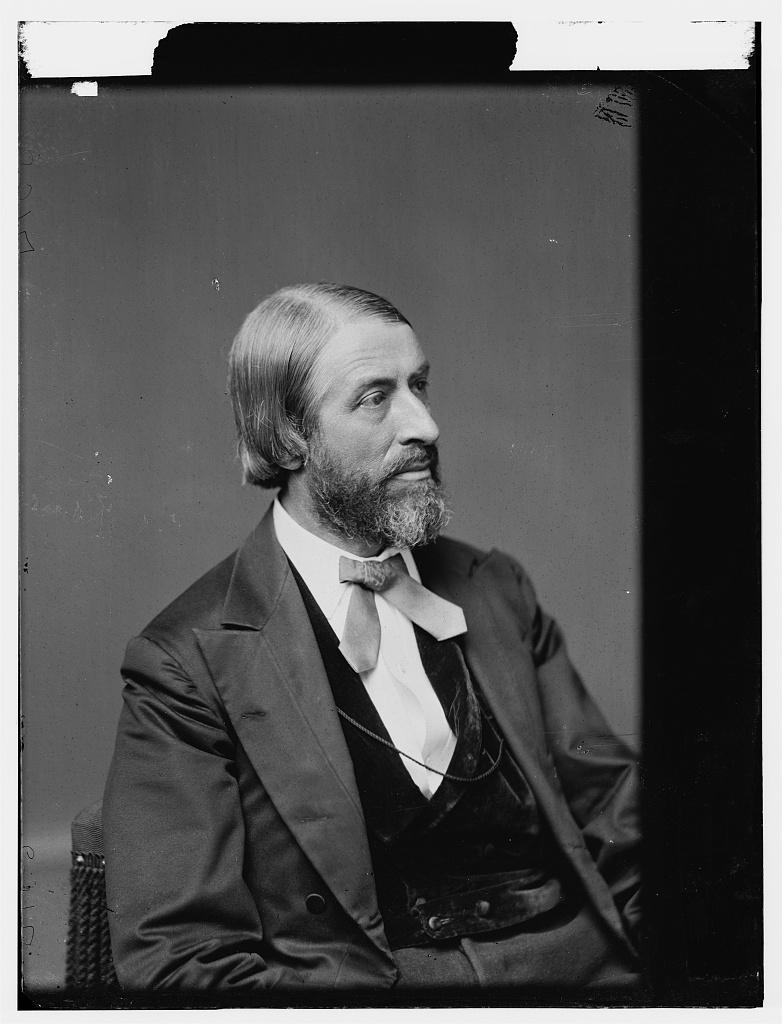
Spofford began considering the possibility of another career, but still in the book industry. He made connections with a number of important people, though perhaps none more important than John G. Stephenson, the librarian of Congress. Stephenson’s brother, Reuben, was actually the director of the Cincinnati Mercantile Library, and it is assumed that Reuben played a role in Spofford’s next career move.
By September of 1861, Spofford was appointed assistant librarian of Congress. He would remain with the Library of Congress in some official capacity for nearly 50 years.
Tackling Library Problems
Over the previous few years, Spofford noted problems within the Library of Congress. One, it was too small. Two, there were not enough books (82,000 volumes at the time), but even the books available made the location too cramped. Three, the nation’s method of copyrighting works was extremely inefficient.The Library of Congress had long been within the United States Capitol. Spofford, despite having a staff of only seven at the time, began promoting the idea of establishing a separate building for the library. At the same time, Spofford worked to add to the library’s collection. His Ohio connections, specifically congressmen Hayes and James A. Garfield, helped maneuver legislation that enabled the purchase of the private Americana book collection of politician and historian Peter Force, and the transfer of the Smithsonian’s library to the Library of Congress.
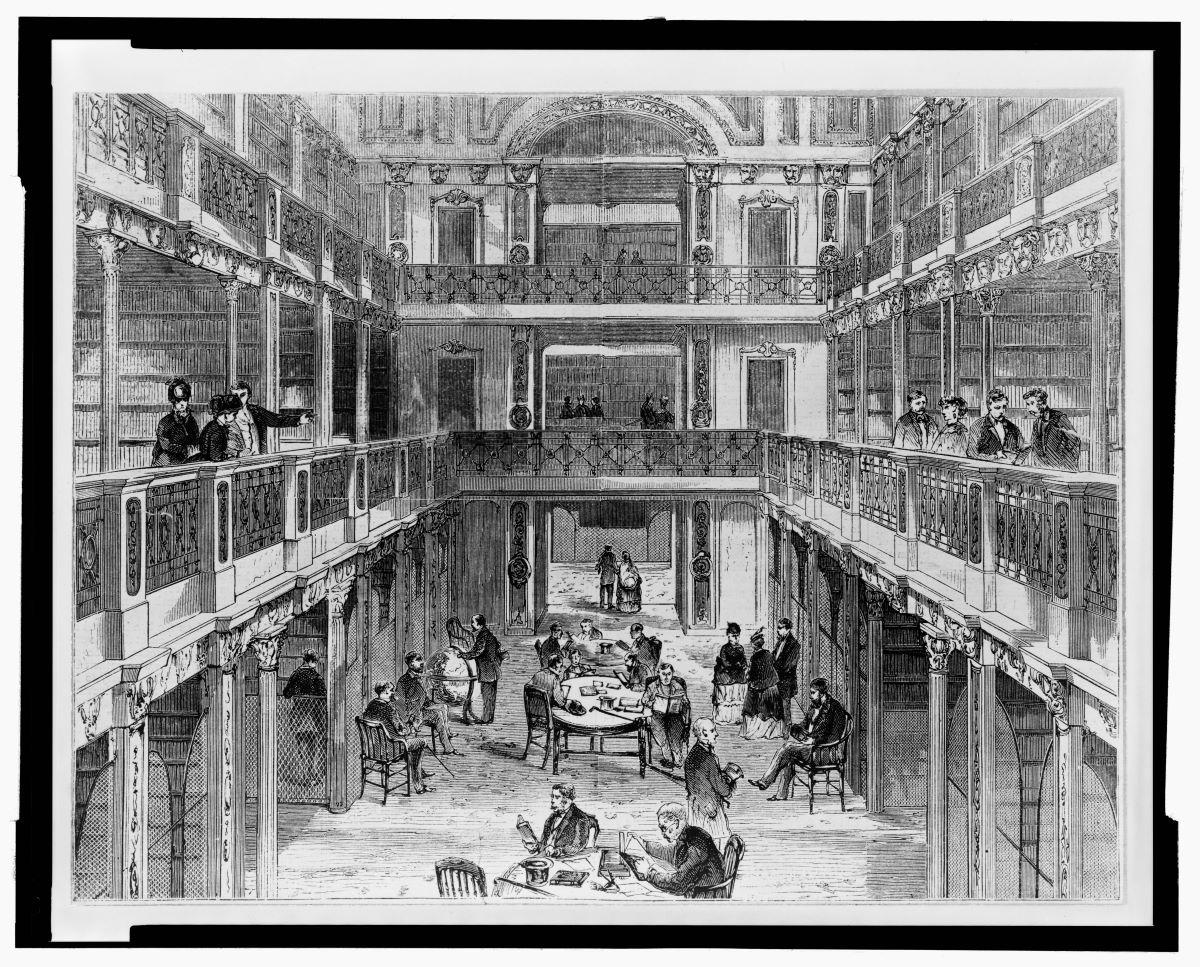
Spofford was also instrumental in passing the Copyright Law of 1870, which provided the library two copies of newly copyrighted American works. He had argued that copyrights should be centralized in the Library of Congress, instead of continuing through the arduous and inefficient process through district courts.
Since 1790, people had to register and deposit their works with district courts, which would then issue those works to the Department of State or the Department of the Interior. The new law placed Spofford as the register of copyrights. Although the law simplified and centralized the process, it did not simplify Spofford’s life. In fact, it became more difficult as his position as register of copyrights took up a vast majority of his time, leaving scant time for his position as librarian of Congress. It also became the sole duty for 26 of the library’s 42 employees.
Getting a New Library of Congress
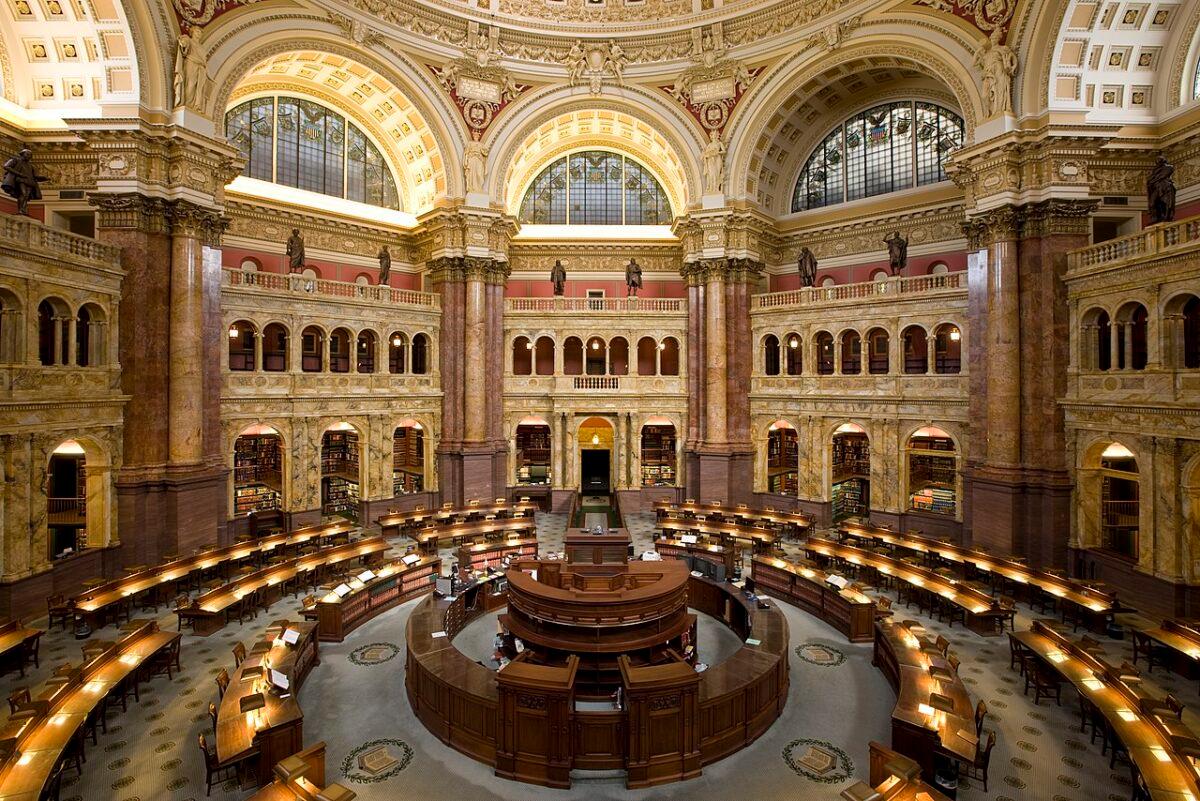
Spofford repeated the need for Congress to provide a separate library for the growing number of volumes. Part of his argument for this building was that it would not solely be a library for Congress and other government officials, but that it would become a national library, one that could be used by citizens. His request was not approved by Congress until 1886.On March 3, 1873, Congress authorized a competition for the design of the Library of Congress. The competition was won by the architectural firm Smithmeyer & Pelz. (John L. Smithmeyer had actually suggested the idea of a competition to Spofford.) But it would be a long road to building the library. Nonetheless, it was finally completed in 1897, opening as the world’s largest and most expensive library on Nov. 1.
A Literary Legacy
Shortly before the official opening of the library, Spofford resigned as librarian of Congress on July 1, 1897, and became the chief assistant librarian (librarian emeritus) under new Librarian of Congress John Russell Young. Spofford held this position until his death in 1908.“When we survey the really illimitable field of human knowledge, the vast accumulation of works already printed, and the ever-increasing flood of new books poured out by the modern press, the first feeling which is apt to arise in the mind is one of dismay, if not of despair,” Spofford noted.
“But the reflection comes to our aid that, after all, the really important books bear but a small proportion to the mass. Most books are but repetitions, in a different form, of what has already been many times written and printed. The rarest of literary qualities is originality. … If you can get hold of the few really best books, you can well afford to be ignorant of all the rest.”