NR | 1h 37m | Biography, Crime, Thriller | 2014
Imagine waking up one day to find yourself accused of something terrible, and everyone around you believes it. Your normal life unravels as whispers spread, headlines twist the truth, and the walls of trust begin to erode. The fear of being condemned for something you didn’t do isn’t just haunting, it’s paralyzing.
Produced in 2014, “Accused” explores the collapse of fairness, showing how systems designed to protect can instead destroy. It looks at how bias, pride, and institutional pressure can turn errors into convictions, and how one person’s name can become a headline before it becomes a case file.
Directed by Paula van der Oest, “Accused” is a gripping biographical thriller which tells the true story of Lucia de Berk, a Dutch pediatric nurse wrongly convicted of killing patients in her care. The film turns a national scandal into a sobering study of justice gone astray and the cost of reclaiming one’s truth.
A Nation’s Rush to Judgment
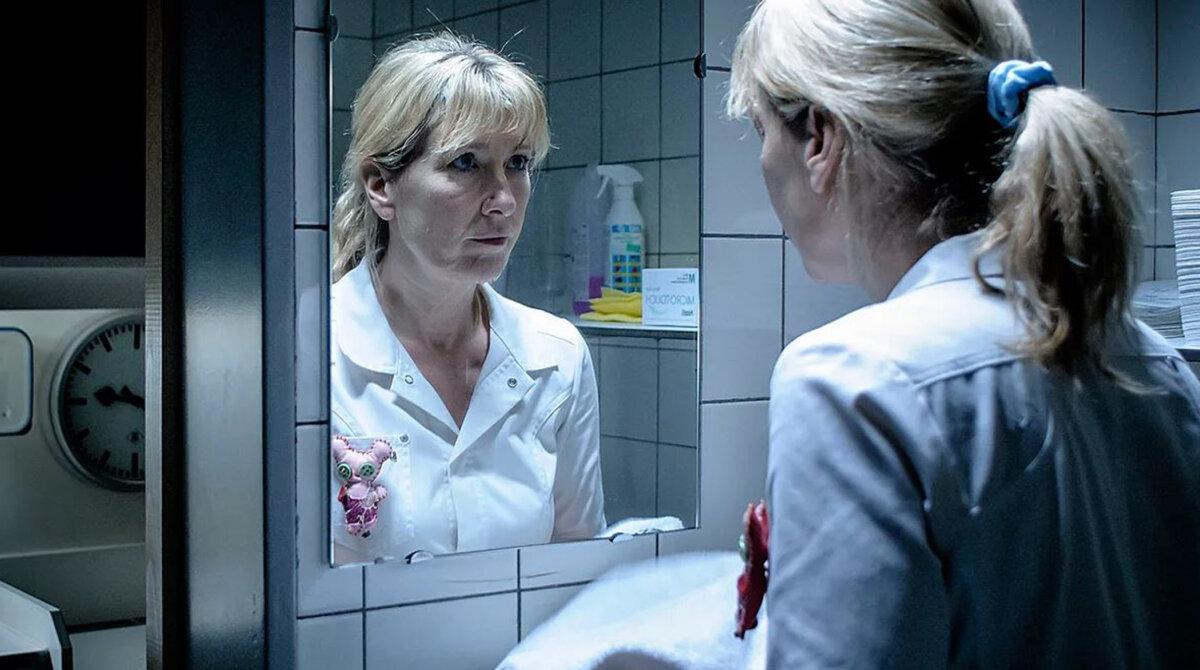
Lucia de Berk (played by Ariane Schluter) works long hours as a dedicated nurse; she’s committed to her patients and the work she believes in. But when a string of patient deaths occur on her watch, suspicion starts to spread through the hospital halls. What begins as uneasy gossip soon becomes something far darker. Coincidences are twisted into patterns, and Lucia finds herself at the center of a nightmare.

Investigators move quickly, determined to find an explanation for the unexplainable. Each piece of circumstantial evidence builds a case that seems airtight, yet every step forward tightens the noose around an innocent woman.
Truth on Trial
One scene early on shows a Lucia, handcuffed and expressionless, being driven through a storm of flashing cameras. Reporters crowd the police transport, shouting, their bulbs firing like gunfire. It’s a haunting snapshot of what’s to come and how once a story takes on a life of its own, the truth rarely keeps up.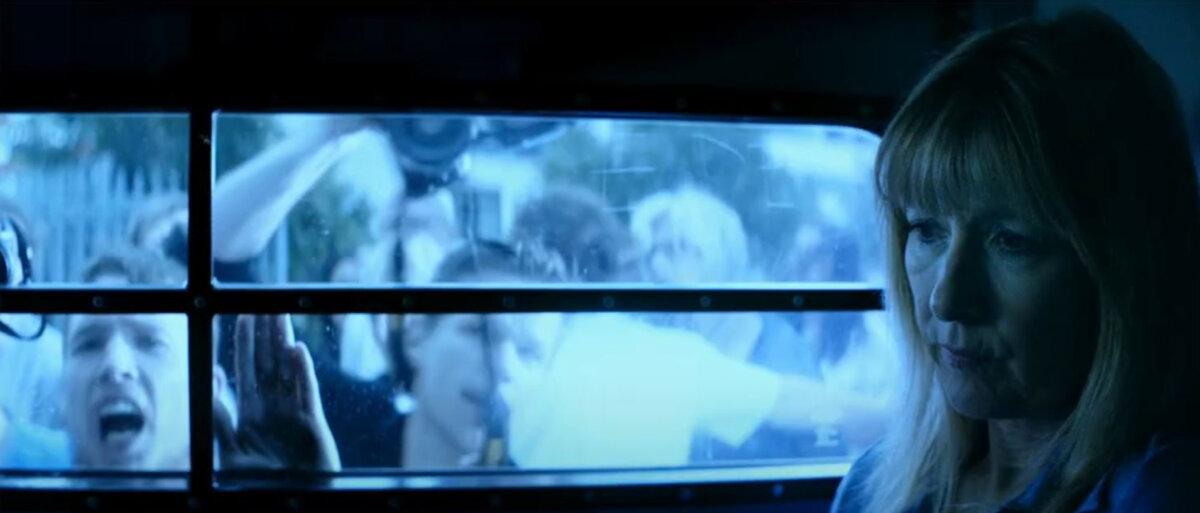
The film takes its time showing how suspicion snowballs. At first, it feels like an honest investigation, but as theories harden and facts blur, it’s clear something uglier has taken hold. The investigators, journalists, and even colleagues seem less interested in justice than in confirming a headline. Schluter plays Lucia with a mix of restraint and disbelief, as if she can’t quite process that reason has left the room.
The narrative shows how easily a career of service can be twisted into a story of malice. Lucia’s competence and independence make her an easy target once people need someone to blame. It’s a cautionary tale about how bureaucracy and bias can feed on each other until they create their own reality. The machinery of accusation grinds forward, indifferent to whoever gets crushed underneath.
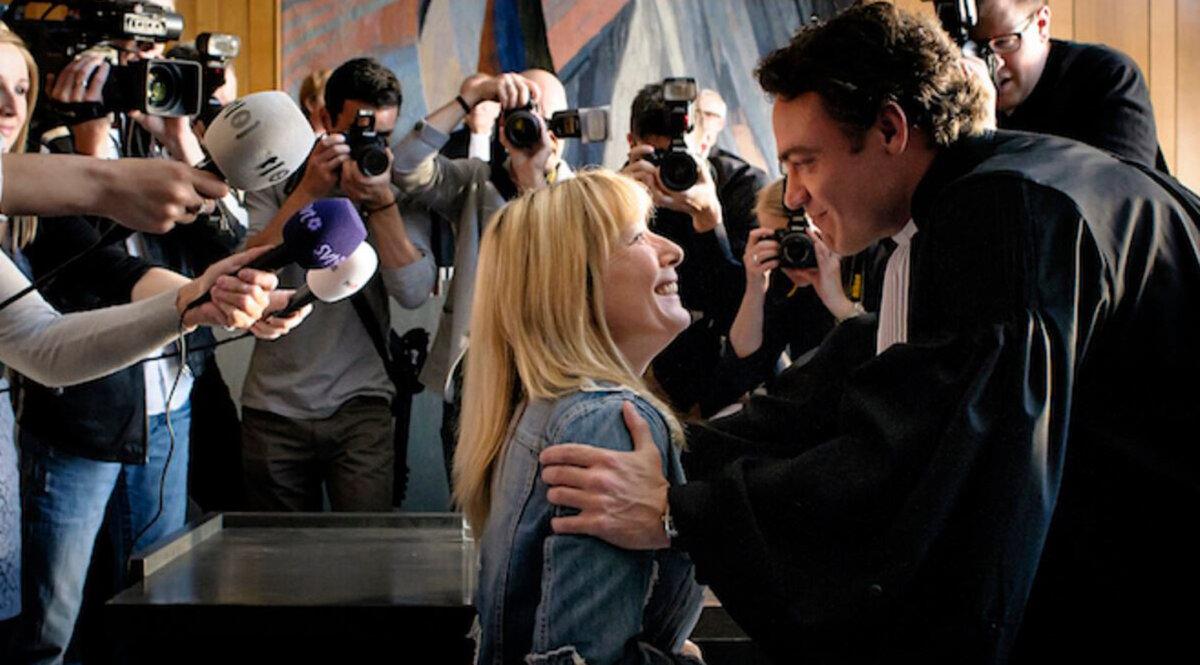
There are moments where the absurdity almost borders on dark humor. The experts contradict each other, the media speculates wildly, and everyone insists they’re acting in the public’s best interest.
Reputations and facts become fragile when institutions lose sight of fairness. It’s not that anyone sets out to destroy Lucia (except maybe her incompetent hospital colleagues); it’s that everyone follows their part so faithfully that justice becomes collateral damage.
By the end, “Accused” feels less like a courtroom drama/thriller and more like a mirror. It’s a story about mass hysteria, conformity, and the ease with which good intentions can harden into persecution. Anyone could easily end up in Lucia’s seat if the right whispers catch the wrong ears.
Despite all the doom and gloom, the story ends on a surprisingly hopeful note. Maybe the lesson isn’t just about one nurse’s ordeal, but about remembering that due process should mean something, even when the crowd demands a villain.