NR | 1h 57m | Drama | 1950
Few courtroom dramas like “The Winslow Boy” have managed to make Edwardian decorum feel this alive or this amusingly British. The story may center on a boy accused of a petty crime, but it ripples outward. It challenges the entire notion of fairness, the kind that stretches back to the Magna Carta itself.
When Terence Rattigan first staged this tale in 1946, audiences saw not dusty formality but a witty salute to decency under siege. It’s also based on a real case.
Like the play, the film version of “The Winslow Boy” doesn’t just dwell on one family’s fight for honor; it exposes the machinery of authority that forces ordinary people to exhaust themselves in pursuit of the simplest truth.
Playing the middle-class patriarch Arthur Winslow, actor Cedric Hardwicke balances subtle wit with a sense of noble fatigue. You can see in his eyes that righteousness is rarely tidy work; he seems a bit tattered, but all the more human.

In spirit, “The Winslow Boy” stands among the great moral dramas of its era, where heroism emerges not from spectacle but from quiet integrity. The film shows that decency, even when bruised, can still stand tall.
Courage Is Contagious
Arthur has just settled into retirement, ready to enjoy his twilight years with a bit of peace. Then his youngest son, Ronnie (Neil North), is unceremoniously expelled from the Royal Naval College (a British primary school) for allegedly stealing a postal order worth a few shillings.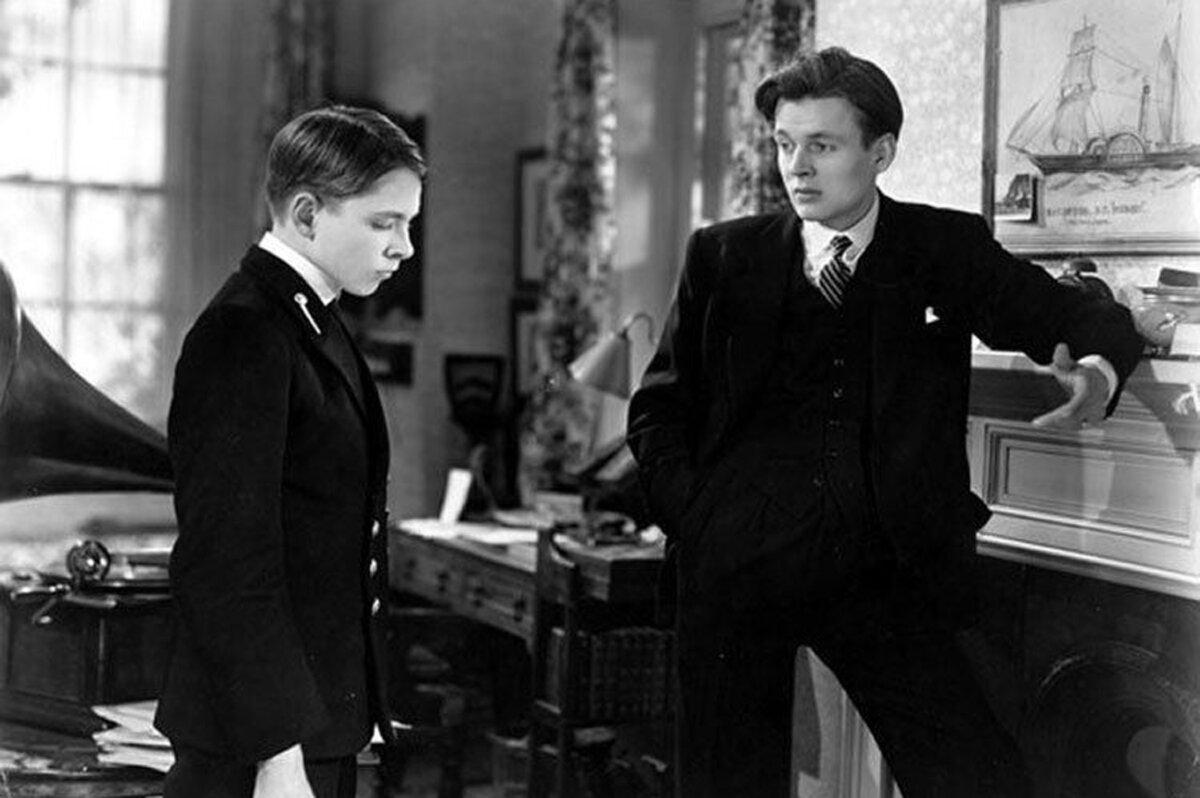
The accusation rocks the Winslow household like a bad cricket score. Arthur, the sort of Englishman who takes honesty as seriously as afternoon tea, refuses to believe that his boy is guilty. Before long, his tidy home transforms into the command center for a massive legal crusade.
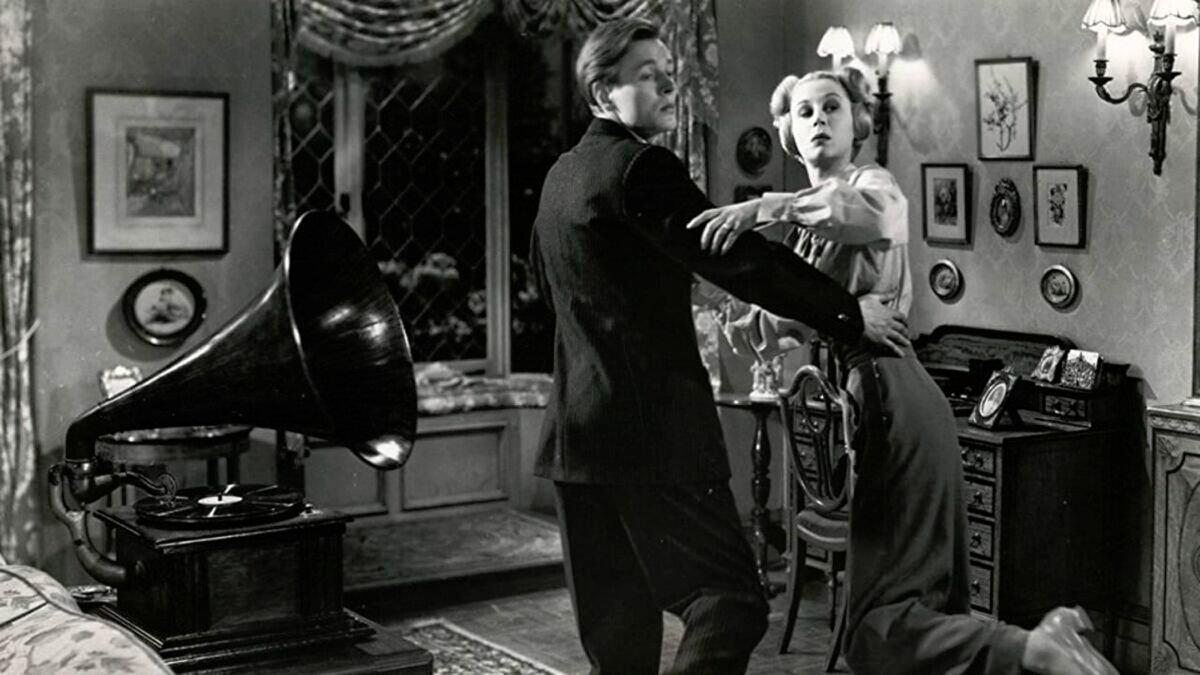
The Winslow family is delightfully mismatched: Grace (Marie Lohr), Arthur’s sensible wife, just wants harmony and warm dinners. Catherine (Margaret Leighton), their spunky daughter, has just become engaged. Dickie (Jack Watling), the Oxford-bound son, observes the family uproar with the air of someone wondering if this will ruin his weekend plans.
As Arthur digs in, solicitors and gossipers alike begin to take notice, and the Winslows become minor celebrities whether they like it or not.
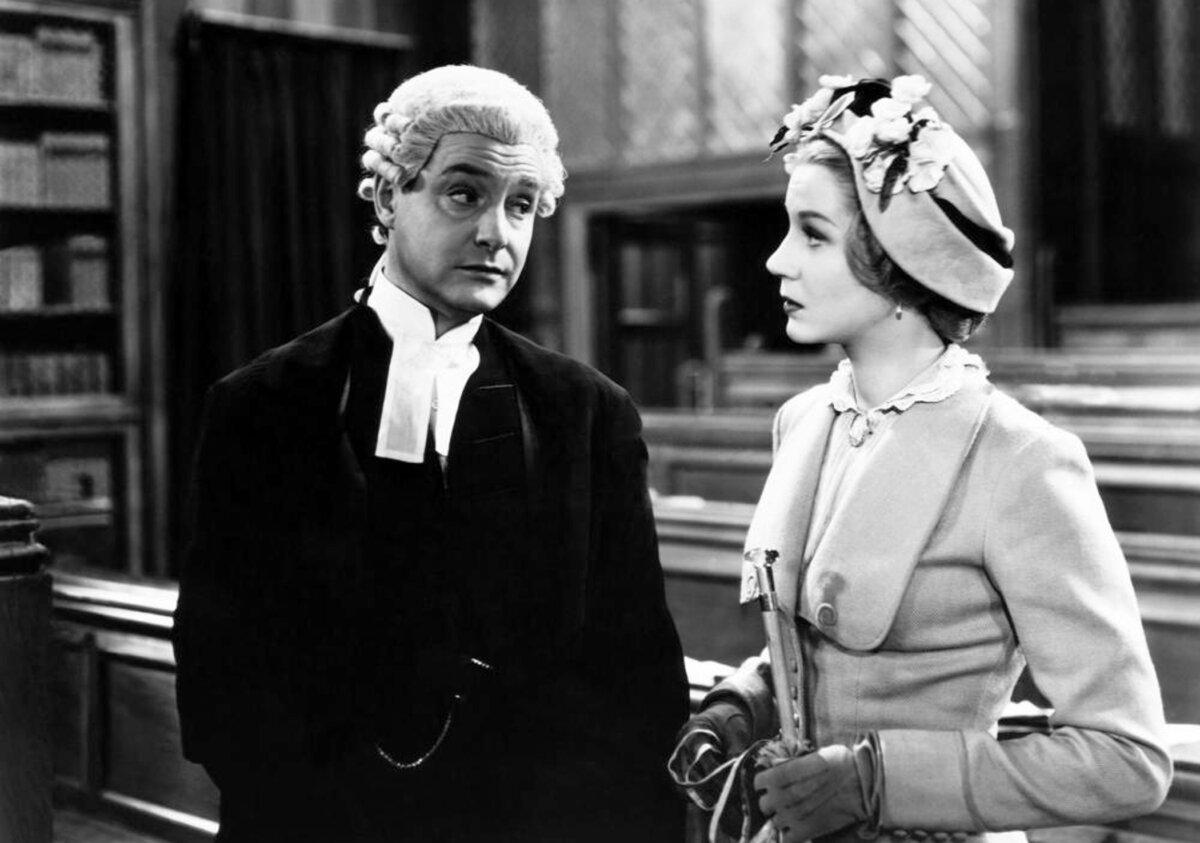
Then comes Sir Robert Morton (Robert Donat), a barrister so composed that he could probably win a case in his sleep. He interrogates poor Ronnie with surgical precision, leaving the family aghast and the audience glued to every word.
Beneath the polished surface, Morton sees what the navy missed—a boy telling the truth and a father unwilling to let it be ignored. What follows is a battle not just for a family’s name but also for the kind of principle that keeps the British sense of decency (and stubbornness) alive.
Polished Performances
Donat brings an effortless charm to Morton, turning what could’ve been a stuffy courtroom tale into something brisk and witty. Beneath his polished confidence, there’s a glimpse of real vulnerability, giving his every smirk and speech a welcome touch of humanity.Hardwicke embraces his role as the weary patriarch, while Leighton keeps things lively as the daughter who matches Morton’s sharpness at every turn. The trio forms a fascinating triangle of pride, intellect, and duty that somehow manages to feel both dignified and warmly relatable.
It’s not all legalese and buttoned-up decorum, either. The film’s humor and domestic chaos bubble up in the background, with family squabbles, servants gossiping, and the Winslows trying to hold their household together under public scrutiny.
The courtroom scenes may grab the spotlight, but the smaller moments at home give the film its heart.
In the grand tradition of British underdog tales, this one makes righteousness feel both noble and a little absurd. It’s a firm jab at authority, and a reminder that ardent decency can inspire others to be good people.
“The Winslow Boy” may wear a waistcoat and speak in clipped accents, but underneath the polish beats the same message shared by all those classic stories about righting wrongs. Doing what’s just isn’t easy, but it’s the only way to look at loved ones in the eye and gain their approval.