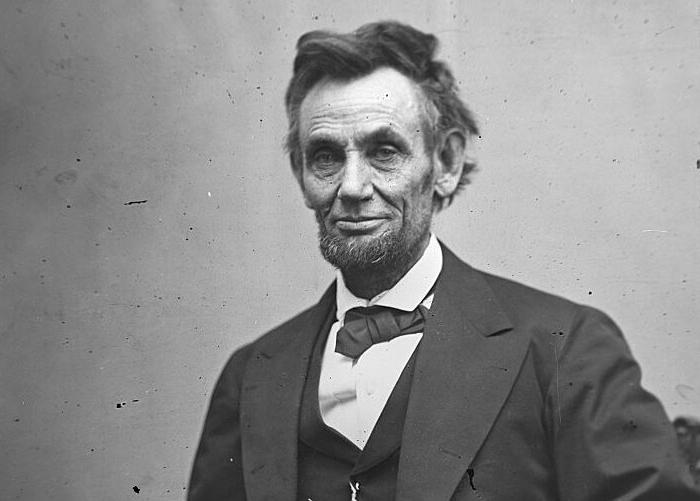
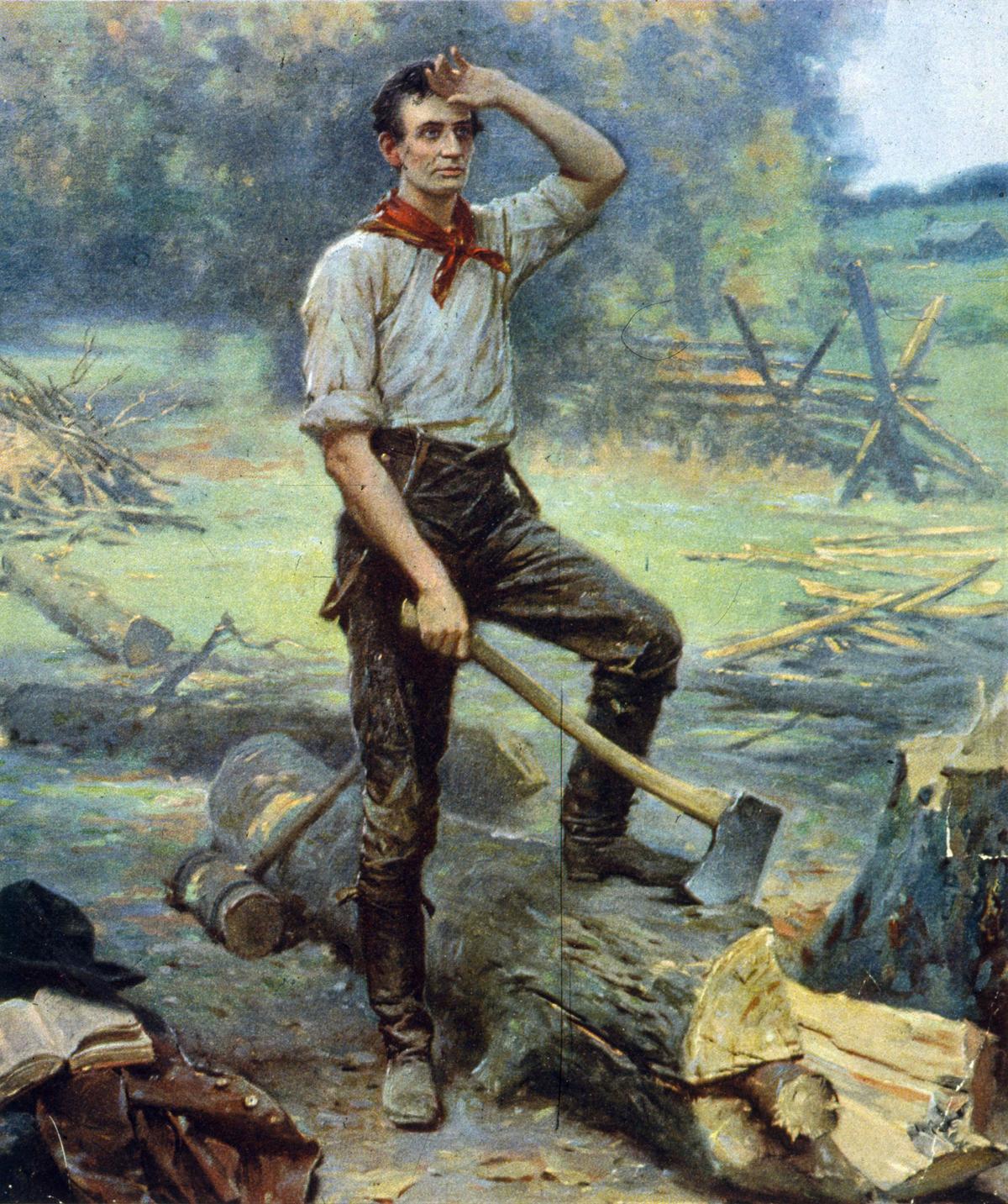
When most Americans hear the name Abraham Lincoln, certain images jump to mind. He’s the rail splitter who made it to the White House, served as president during the Civil War, wrote the Gettysburg Address, and was assassinated by John Wilkes Booth. He was tall and lanky and often wore a stovepipe hat. His statue in Washington is encased by a facsimile of a Greek temple, the image of which appears on the back of our $5 bill. On the front is his careworn face with its sunken cheeks, trim beard, and rather large right ear.
Get Yourself an Education
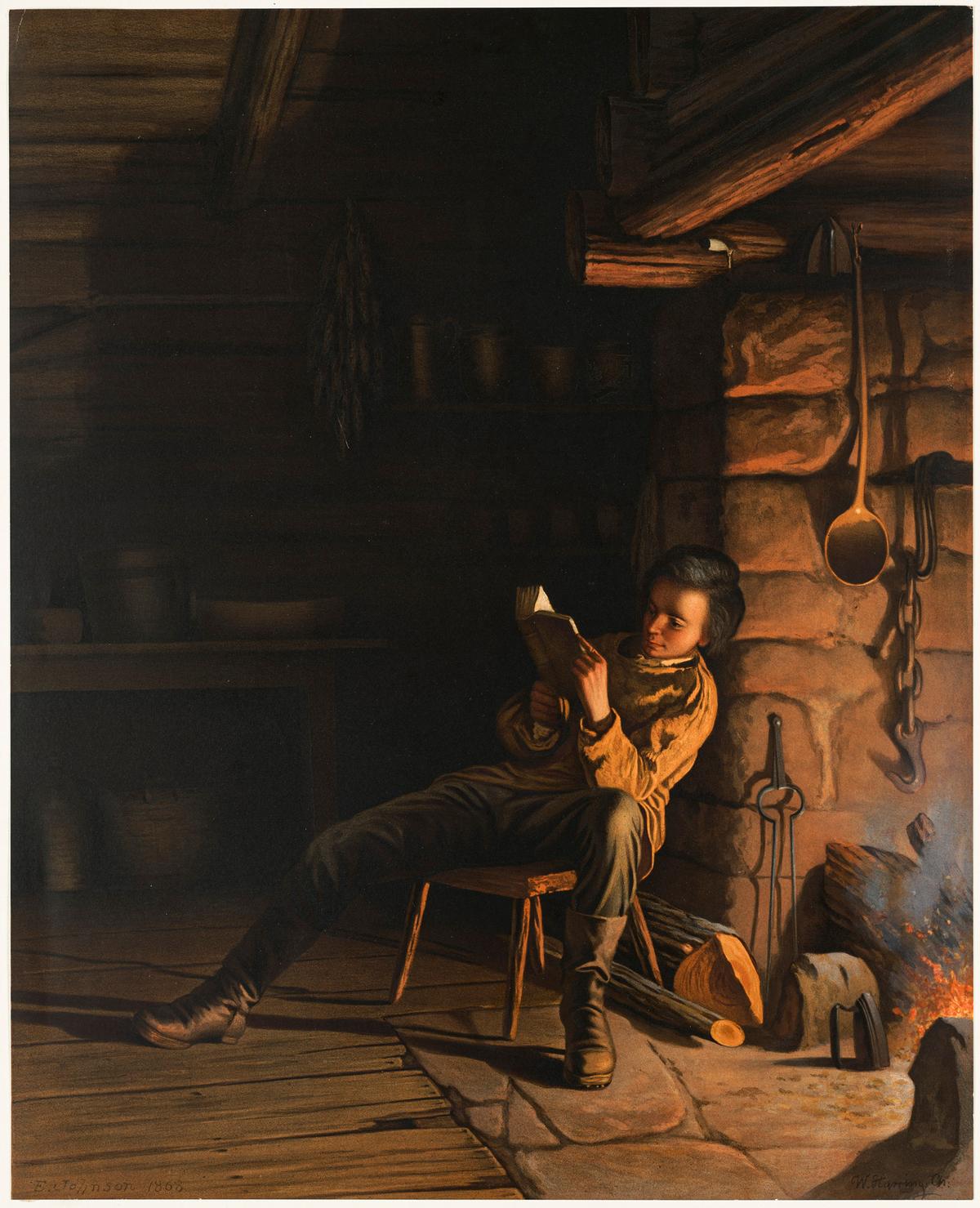
Had Lincoln depended only on his bits and pieces of formal schooling for his learning, he likely would have ended up semi-literate. Inspired by his stepmother, Sarah, and driven by a burning desire to read and to write well, he instead put the meager resources of his prairie cabin home to good use to educate himself. He read repeatedly from the Bible, “Aesop’s Fables,” the plays and poems of Shakespeare, “Robinson Crusoe,” and a few other books, all of which remained abiding favorites.“Every head should be cultivated,” Lincoln said years later. In his mid-20s, he improved his own field of knowledge by studying law. Later, to challenge himself and to keep improving his mind, he immersed himself in the works of Euclid.
While all of us might follow Lincoln’s example and regard education as a lifelong enterprise, young people especially should take note of his journey. He took charge of his schooling, but without walls or desks, blackboards or teachers. If you’re struggling in school, truly struggling, take command of your education. Ask for help. Read outside the curriculum. Follow your interests.
Young or old, we can become Lincoln learners. He stated, “A capacity, and taste, for reading, gives access to whatever has already been discovered by others.”
‘Work, Work, Work, Is the Main Thing’
Lincoln wrote those words in a letter in 1860, but he lived them his entire life. From childhood, he farmed the land alongside his father, hoeing, planting, weeding, and harvesting crops. Before taking up the practice of law, and in addition to splitting rails, Lincoln worked as a manual laborer, a flatboat operator, a store clerk, a soldier for a brief time, a store owner, and a postmaster.
Besides earning a living, these various jobs introduced Lincoln to a wide array of people. His stint on the flatboat, for instance, gave him his first exposure to slave markets. His time as a storeowner and postmaster in New Salem brought him into contact with the townspeople.
Adolescents and teens can gain this same breadth of valuable experience. Whether it’s babysitting, washing dishes in a restaurant, or mowing lawns, all of these jobs grow the personality.
These days, work for teens and college students outside the home, especially in full-attention jobs such as construction and fast food, also provides a benefit unknown to Lincoln. You can’t serve up burgers or pour concrete while texting for hours on your phone.
No matter how tedious or difficult the work, this direct contact with a supervisor, other employees, and customers will add to your skill set as you make your way into the future.
Try Lincoln’s ‘Hot Letter’ Before Hitting Send
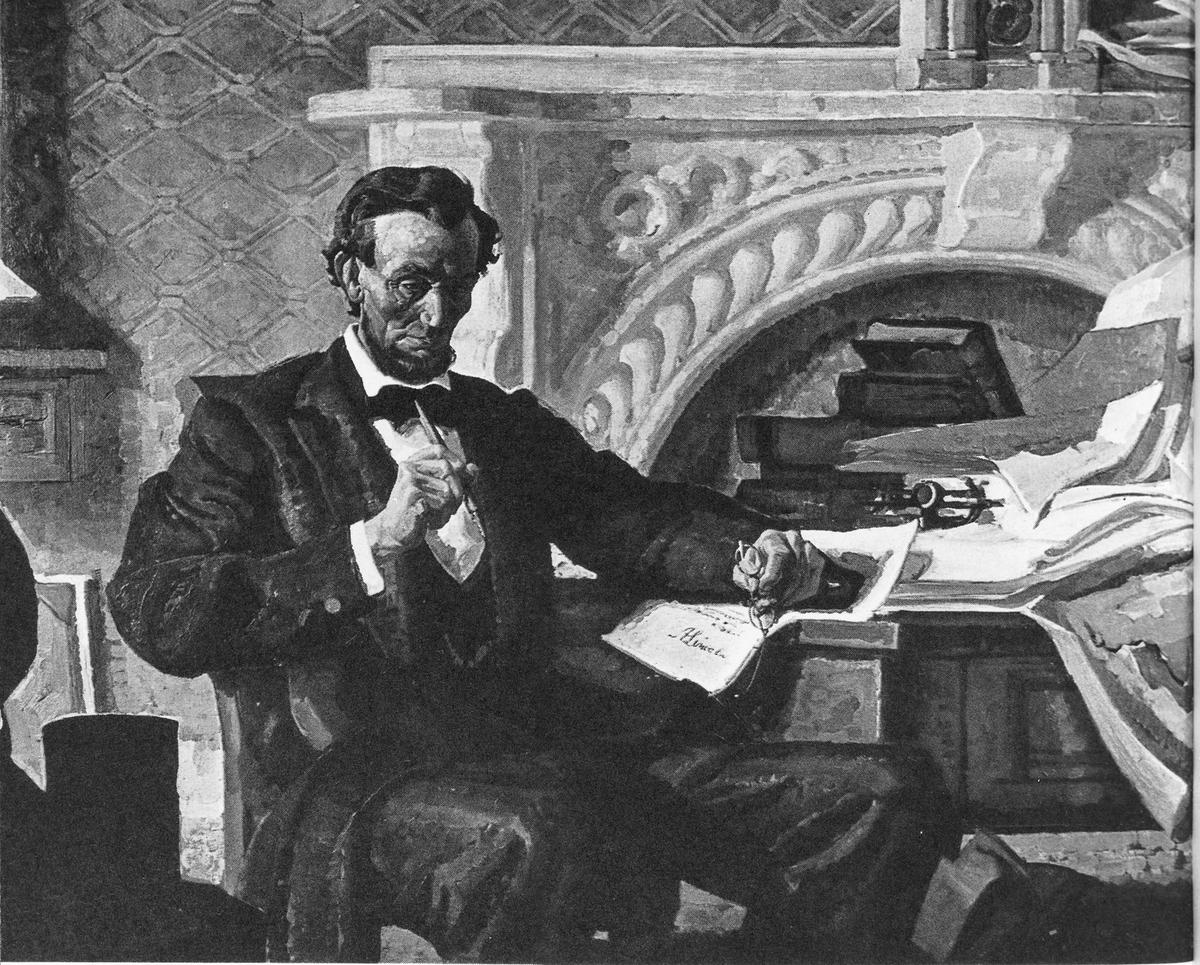
Speaking of phones and communication, many of us have whipped out an email or posted something on social media that we instantly regret. We throw a match onto gasoline and destroy relationships or unintentionally harm others and ourselves.So before sending a friend some accusatory text or posting some raging diatribe online, read over that note or post, put it aside for a time, and read it again. If your message is apt to do more damage than good, follow Lincoln’s example and either delete it or leave it unsent.
Find Your Rock When the Storm Clouds Gather
According to available data, more adults and adolescents than ever have received treatment for depression. Anxiety is also epidemic, particularly among young people looking for purpose and meaning in their lives.So how did this man who became our 16th president battle back from the dark caves into which he had slipped at a time when antidepressants and professional therapists were nonexistent?
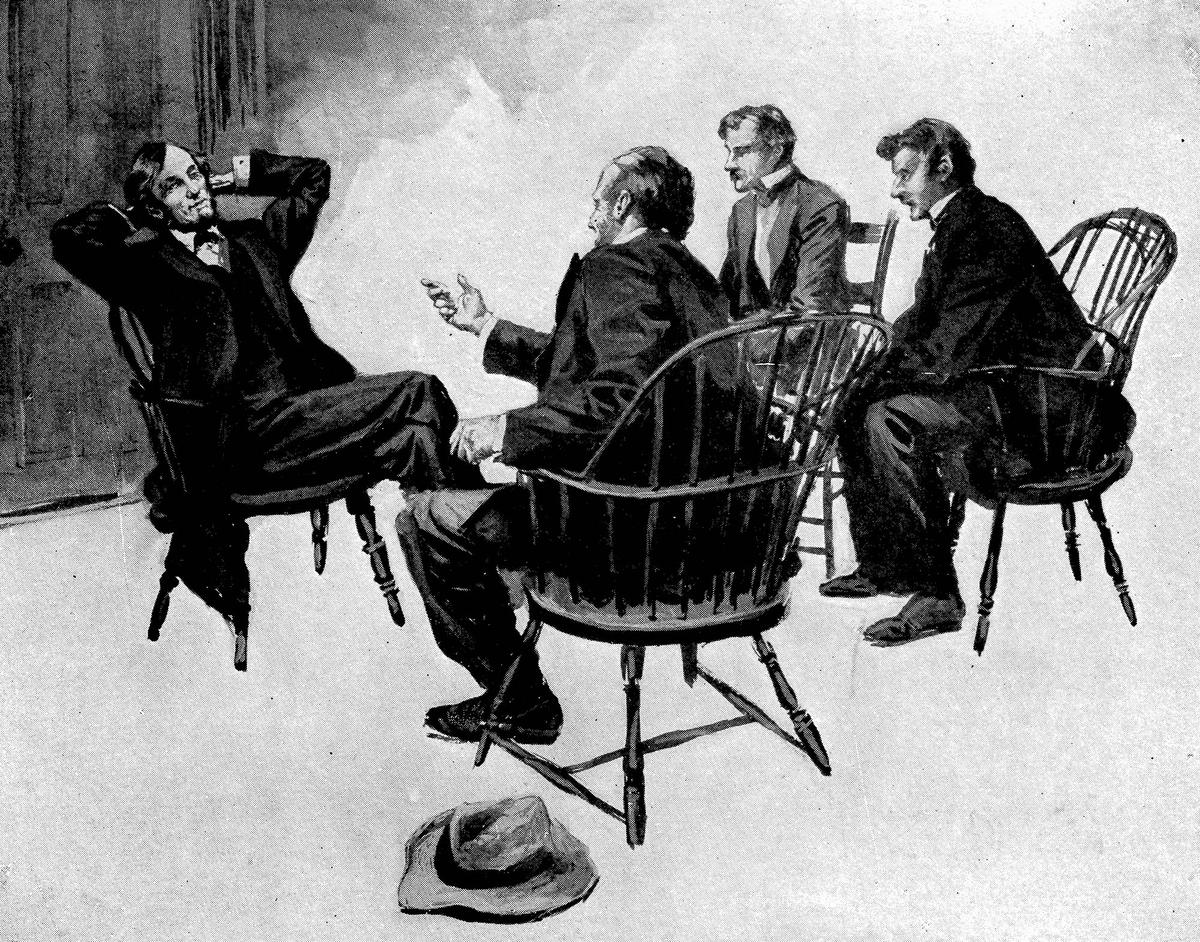
As he grew older, and especially during his wartime presidency, Lincoln also found relief from his personal darkness by encouraging downcast friends and colleagues with humor and goodwill. He knew that when we lift the spirits of others, we lift our own as well.
Lincoln’s Lifesaving Message to Our Anxious Generation
In a review of Joshua Shenk’s book “Lincoln’s Melancholy,” we find some advice from Lincoln relevant to many of today’s teens:“Lincoln wrote the daughter of an Illinois officer who had been killed in battle: ‘In this sad world of ours, sorrow comes to all; and, to the young, it comes with bitterest agony, because it takes them unawares. The older have learned to ever expect it.’ But he [added] a more optimistic note born of sad experience: ‘You are sure to be happy again. To know this, which is certainly true, will make you some less miserable now. I have had experience enough to know what I say ...’ President Lincoln understood depression—and he understood how to work through it.”
Those of us who, like Lincoln, have wrestled with melancholy recognize the truth of that one sentence—“You are sure to be happy again.” And for those suffering young people who are considering some dire solution to your problems, in those seven words is Lincoln’s most important lesson of all.