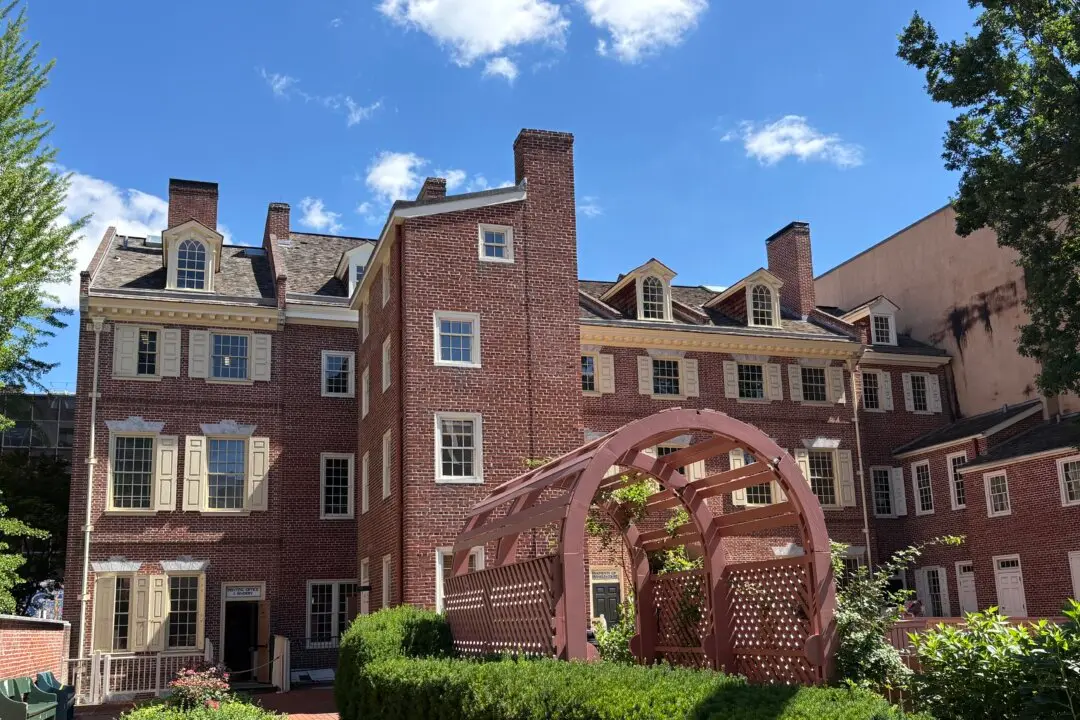
In an exhibition area at Washington’s Ford’s Theatre Center for Education and Leadership, is a 34-foot-high stack of books representing the countless volumes written about the president. Historians, professors, and novelists have weighed in on the famous figure’s unconventional political rise, tumultuous war-time presidency, and violent death. Yet no one—not even Carl Sandburg, who wrote a six-volume biography on Lincoln—have provided as direct an insight into the minutiae of the man’s life as those who were by his side daily.

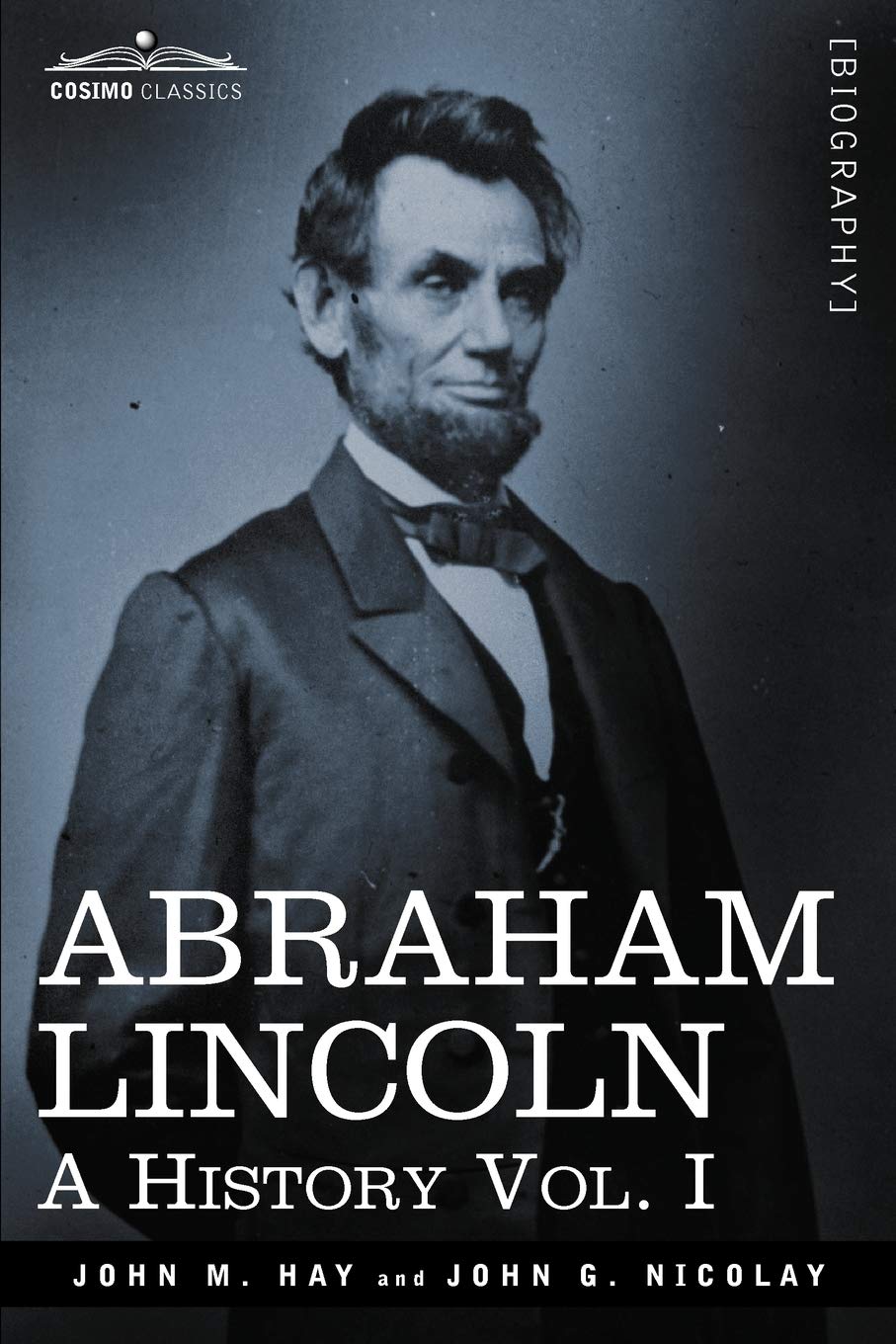
Therefore, personal secretaries John G. Nicolay and John Hay’s observations of Lincoln during the four years they served him hold weight. With eldest son Robert Lincoln’s blessing as well as his assistance in providing “all the official and private papers and manuscripts in his possession,” and along with their own journal entries, letters, and so much more, Nicolay and Hay established 10 volumes titled simply ‘Abraham Lincoln: A History.’
The familiarity with which Nicolay and Hay knew Lincoln, who they considered their “friend,” is put forth in this first volume’s preface. They share with readers: “We knew Mr. Lincoln intimately before his election to the Presidency. We came from Illinois to Washington with him, and remained at his side and in his service—separately or together—until the day of his death. We were the daily and nightly witnesses of the incidents, the anxieties, the fears, and the hopes which pervaded the Executive Mansion and the National Capital.”
Nine, years after Lincoln’s assassination, in 1874, the two men began focusing on their compilation and writing process. Nicolay and Hay’s writings on Lincoln first appeared from November 1886 to February 1890 in monthly serialized installments in a 19th-century publication titled The Century Magazine. In 1890, the 10-volume “Abraham Lincoln: A History” was published.
Primary and secondary sources bring readers up close and personal with Lincoln, as well as other important and lesser-known figures pertinent to his presidency. Volume I’s preface states: “We have trusted only our diaries and memoranda of the moment; and in the documents and reports we have cited we have used incessant care to secure authenticity. So far as possible, every story has been traced to its source, and every document read in the official record or the original manuscript.”
“Abraham Lincoln: A History-Vol. I” follows a timeline, as do successive volumes. Volume I begins by touching on what the two men learned from Lincoln about his lineage and his youth, before it jumps into Lincoln as he established his legal livelihood and political aspirations in Springfield, Illinois. Volume I ends after 25 chapters with a focus on the mounting pro- and anti-slavery issues in what became known as “Bleeding Kansas.”

Although this is a history book—as the title states—it is also a voluminous project that readers may sense authors Nicolay and Hay tackled because they wanted to honor a man they truly admired. “We have aimed to write a sufficiently full and absolutely honest history of a great man and a great time,” they wrote in the preface.
Volume I leaves readers wanting more. Fortunately, Nicolay and Hay delivered.