The story of a woman who was born in 1775 in a country village in Hampshire, England, who had less than two years of formal education, who died at just 41, and who wrote some of the greatest novels in the English language that have endured in popularity across centuries could be the plot of a fantasy novel. It is not, but rather the biography of literary icon Jane Austen (1775–1817). This year is the semiquincentennial of her birth, and the occasion is being commemorated by special exhibitions, events, and festivals worldwide.
At the Morgan Library & Museum in New York City, the exhibition “A Lively Mind: Jane Austen at 250” is on view through Sept. 14, 2025. This museum is an ideal venue for the display since its permanent collection includes 51 of Austen’s own letters, which accounts for nearly a third of her surviving correspondence.
In addition, the Morgan’s holdings include artworks, books, and manuscripts related to Austen. Some of these objects trace their acquisition to J.P. Morgan Jr., while others were donated by the American collector Alberta H. Burke in 1975. Honoring Burke’s important gift to the museum 50 years ago, the show includes more materials she bequeathed to Goucher College, in Baltimore. Additional exhibition loans are provided by institutions such as Jane Austen’s House in Chawton, in south central England.
Artifacts From Austen’s Interiors
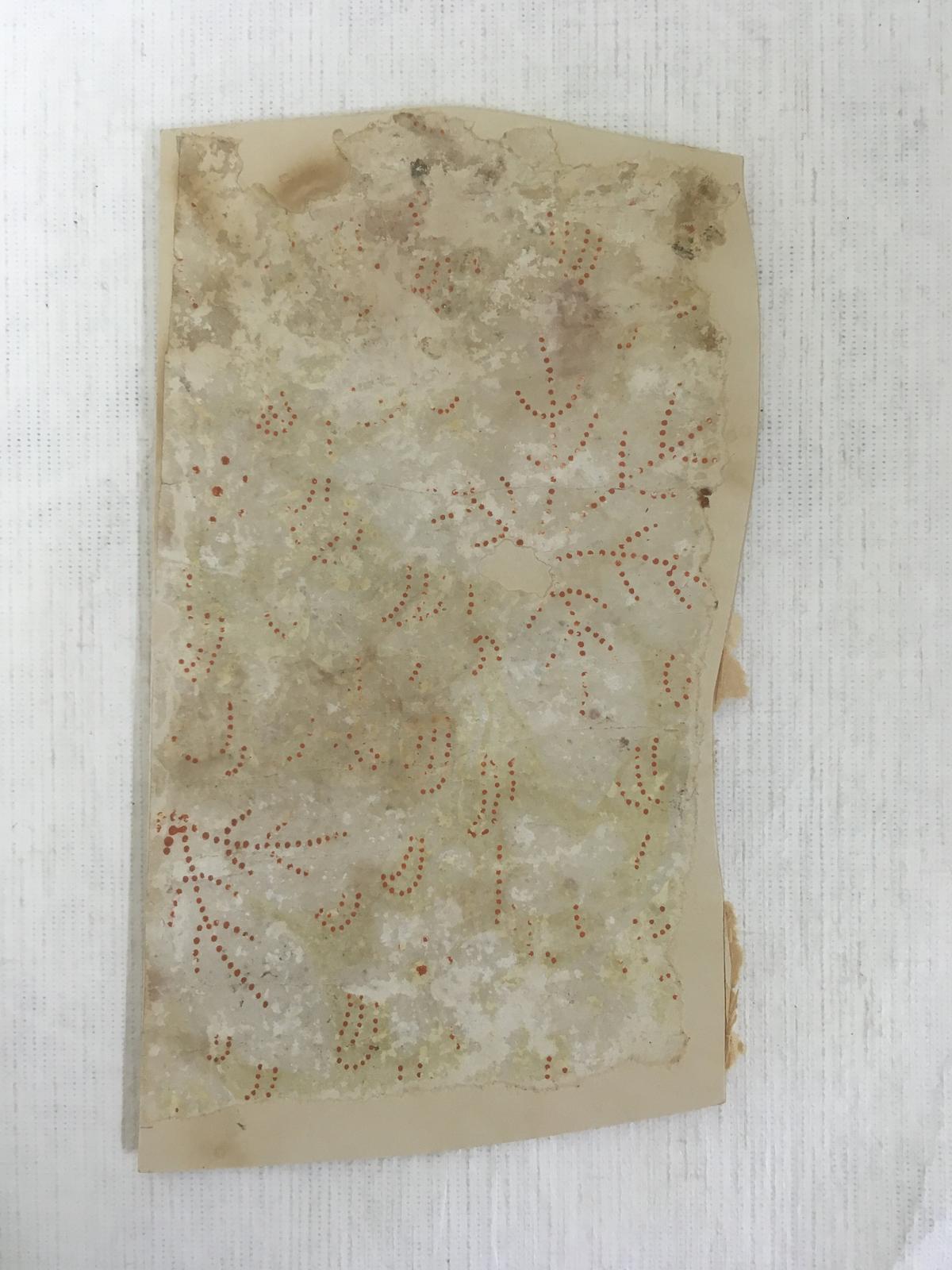
The exhibition’s design features two wallpapers recently re-created by the British brand Hamilton Weston Wallpapers from fragments discovered at Jane Austen’s House. This cottage was where Austen lived with her mother, sister, and a family friend after a period of precarious finances and repeated moves. She spent the last eight years of her life in this home, and they were her most productive: She revised three novels and wrote three more.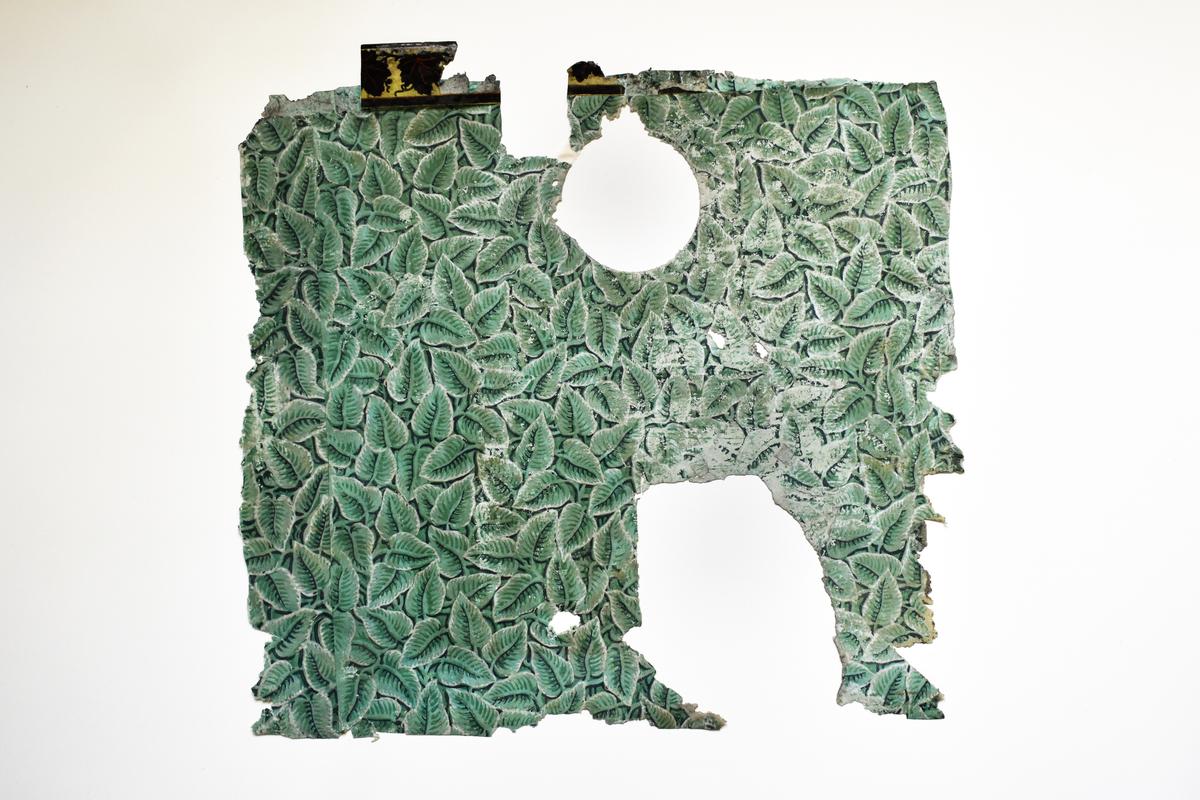
“Chawton Leaf” wallpaper greets viewers as they enter the Morgan’s exhibition gallery. In an arsenic green colorway, the paper depicts leaves inspired by a type of Dead Nettle or Lamium. The original pattern is from the house’s dining room, where Austen composed her novels at a small writing table. It was a quieter spot for her to create than in the living room, which was used for reading, correspondence, socializing, and playing the pianoforte. That room’s yellow and burgundy “Chawton Vine” wallpaper is also in the exhibition as another homage to the spirit of Austen’s home interiors.
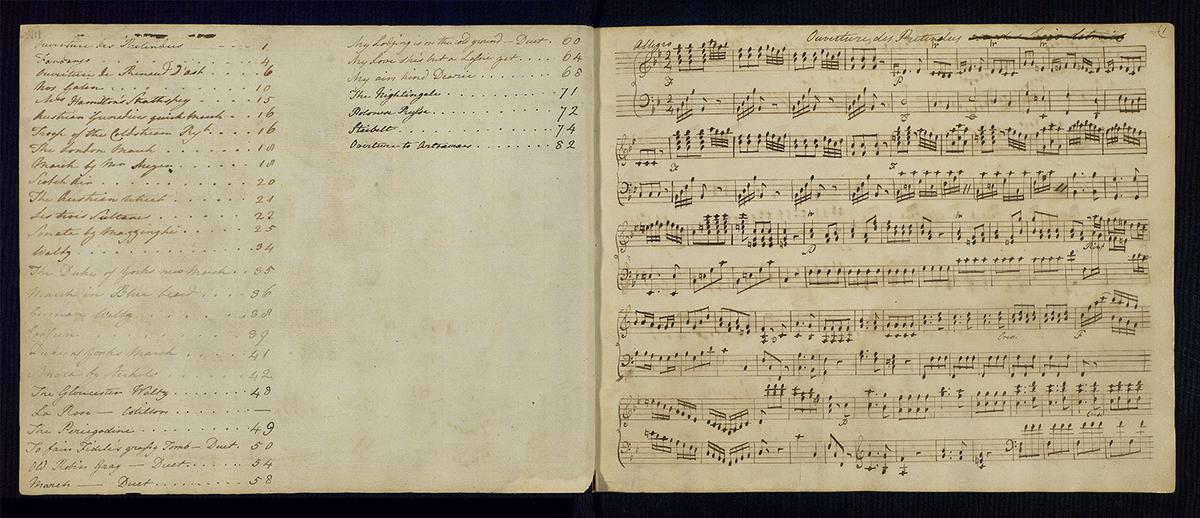
Music was very important to Austen. One of her nieces, Caroline, recounted: “Aunt Jane began her day with music. Much that she played from was manuscript, copied out by herself—and so neatly and correctly, that it was as easy to read as print.”
An item early in the exhibition is titled “Juvinile songs & lessons for young beginners who don’t know enough to practise.” It is a manuscript of exquisitely hand-copied compositions. Austen adopted the practice of copying music due to the expense of printed sheet music. Caroline noted also that her aunt was adept in all forms of handiwork. An example in the exhibition of her precision of craft outside of a novel is a reproduction of a complex patchwork coverlet Austen sewed with her devoted sister, Cassandra, and their mother while living in Chawton.
Austen’s Personal Letters
One of the great delights of the Morgan’s exhibition is the opportunity to see Austen’s handwritten letters. Her keen powers of observation and wit, the beloved core of her work, shine through her correspondence. In one missive that mentions collecting pieces of textiles, likely for the above-mentioned coverlet, Austen confesses to her sister: “I will not say that your Mulberry trees are dead, but I am afraid they are not alive.”In another epistle, Austen notes: “What dreadful Hot weather we have!—It keeps one in a continual state of Inelegance.” The exhibition showcases additional gems such as “Expect a most agreable Letter; for not being overburdened with subject—(having nothing at all to say)—I shall have no check to my Genius from beginning to end.” And, “I have now attained the true art of letter-writing, which we are always told, is to express on paper exactly what one would say to the same person by word of mouth; I have been talking to you almost as fast as I could the whole of this letter.”
A particularly charming note in the exhibition is one Austen wrote to her 8-year-old niece, nicknamed Cassy. Written in print, not script, and with larger than usual letters, each word is spelled backward. It is an example of Austen’s playfulness and close familial ties. The letter is made poignant for today’s reader as the curatorial text explains that Austen was already in the throes of her fatal illness.
![Handwritten letter from Jane Austen to her niece Cassandra Austen, written with every word spelled backward, Jan. 8, [1817]. Overall: 8 13/16 inches by 7 3/8 inches. Purchased by J.P. Morgan Jr., 1925. (Courtesy of the Morgan Library & Museum)](/_next/image?url=https%3A%2F%2Fimg.theepochtimes.com%2Fassets%2Fuploads%2F2025%2F06%2F16%2Fid5873945-Austen_MA-10346-1-1200x1422.jpg&w=1200&q=75)
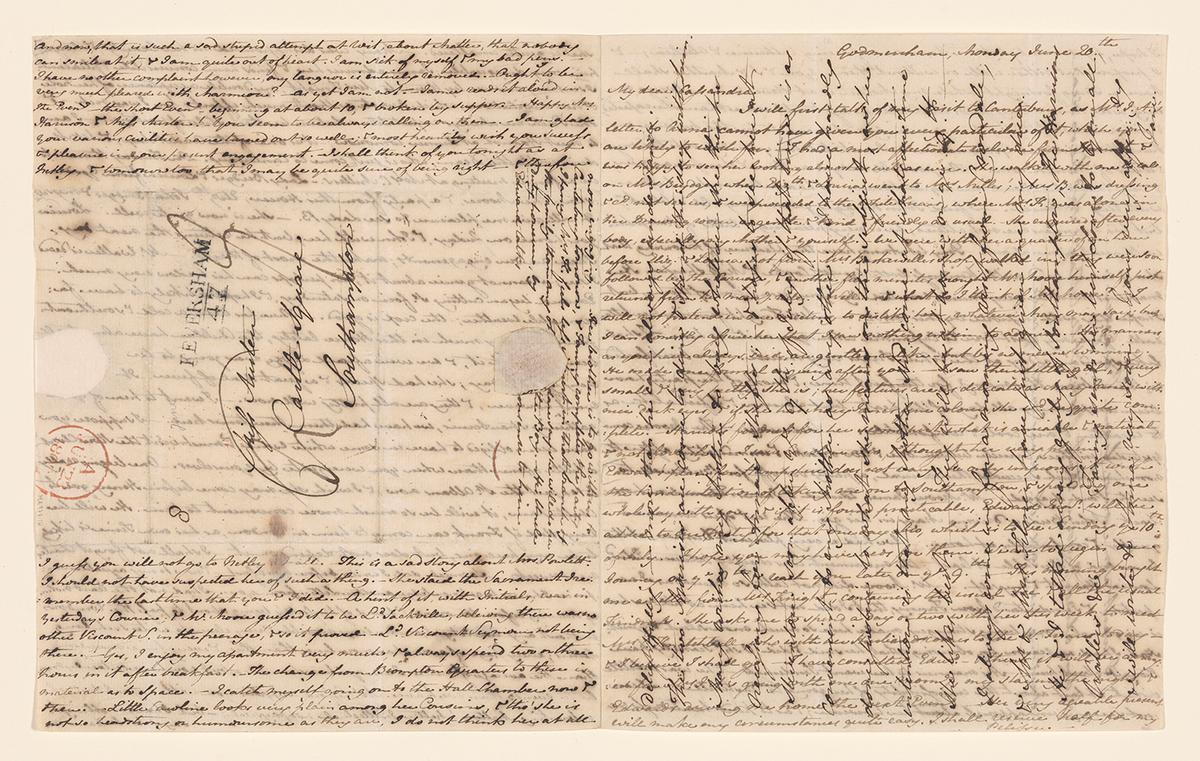
In another letter, Austen’s formatting, instead of her discerning humor, astounds the viewer. Addressed to Cassandra, Austen wrote this letter with crosshatched lines. While it’s dizzying to the modern reader, Cassandra would have been accustomed to such a composition. It was mindfulness on Austen’s part to save her sister money. At the time, postage cost was based on how many sheets were in a letter and it was paid for by the recipient.
A Bidding War for Austen’s Ring
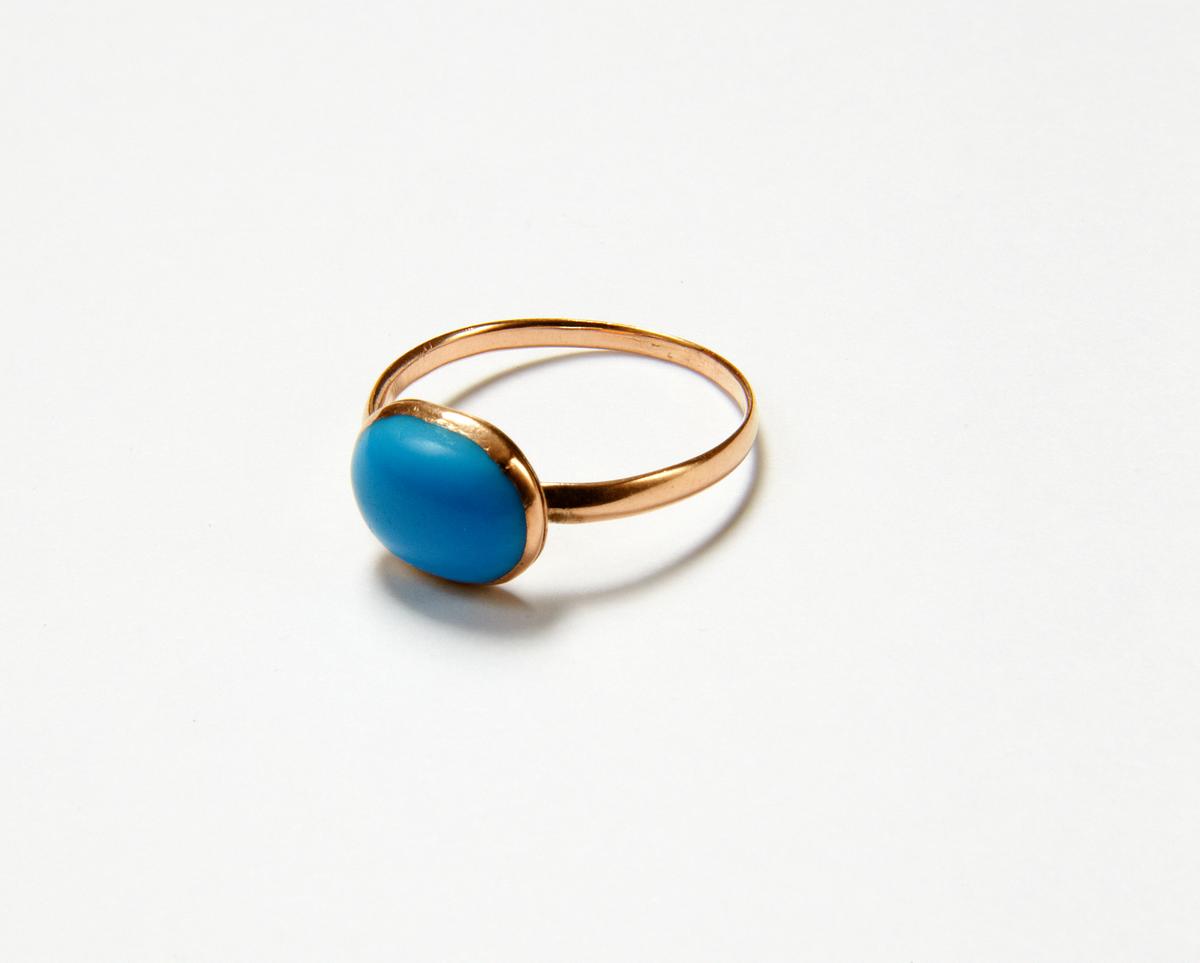
A special object in the exhibition is a simple 9-carat gold and oval turquoise ring that belonged to Austen, on loan from Jane Austen’s House. It is unknown how Austen acquired the ring, though the curators note that turquoise was her birthstone.
Manuscripts and Original Novels
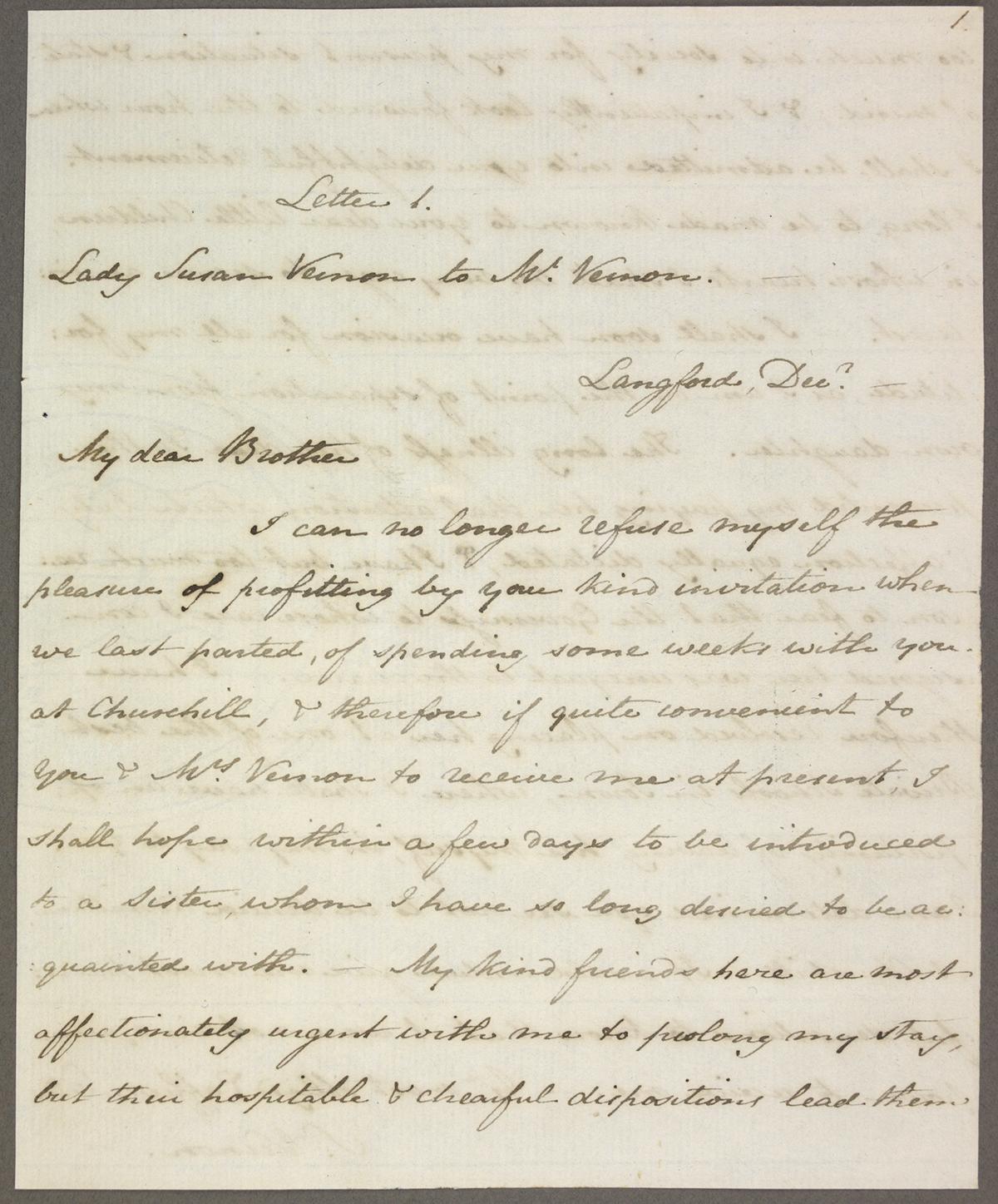
The exhibition includes first-edition copies of Austen’s six major novels: “Sense and Sensibility,” “Pride and Prejudice,” “Mansfield Park,” “Emma,” “Northanger Abbey,” and “Persuasion.” The first four on this list were published in Austen’s lifetime, but not under her name, and they brought her only modest financial earnings. The final two were released posthumously, though they date from different periods of her career. With their publication, Austen’s name was attached to her work for the first time.A highlight in the Morgan’s collection is Austen’s only surviving complete fiction manuscript. It is from the novella “Lady Susan,” which was published by Austen’s nephew in 1871, decades after her death. The manuscript was acquired for the museum by the Morgan’s pioneering first director, Belle da Costa Greene, in 1947.
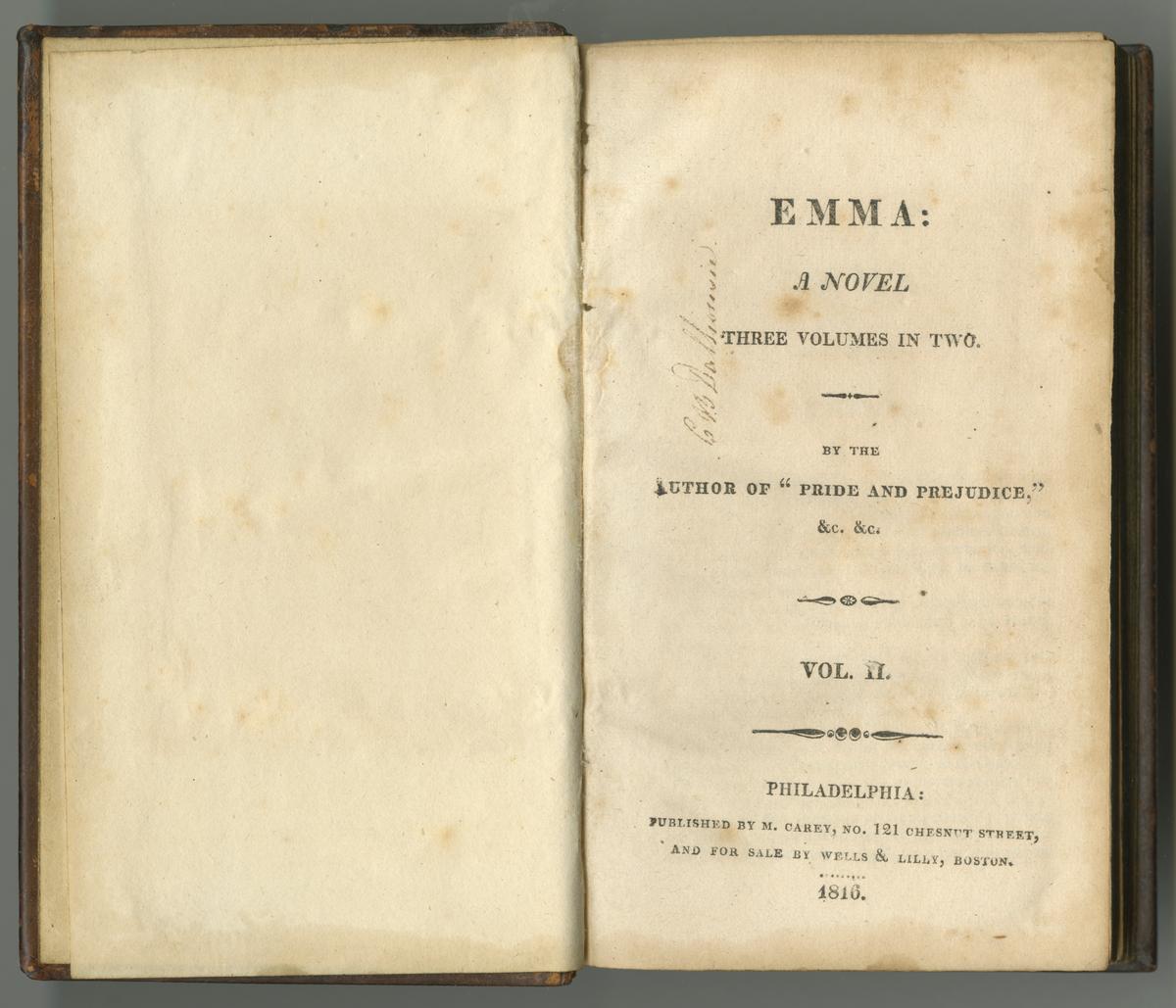
Intriguingly, and especially appropriate given the Morgan’s location, the exhibition explores the rise of Austen’s popularity in America. In 1816, copies of “Emma” were printed in Philadelphia without Austen’s knowledge. These “pirated” volumes were well received, and a complete edition of her novels was published in Philadelphia between 1832 and 1833. Later in the 19th century, avid American Austen readers wrote letters and essays promoting her importance as one of the greatest English novelists. The exhibition concludes with examples of how modern generations have continued to read and be inspired by Austen, with objects such as 20th-century translations and a 21st-century painting.
“A Lively Mind: Jane Austen at 250” evokes Austen’s youthful imagination, career ambition, mature creativity, and insightfulness about human nature. Unusual for the day, her family, especially her father and sister, encouraged and supported her literary endeavors. Austen’s novels continue to attract new readers, precisely because her insightfulness about people’s characters and situations remains accessible and resonates universally.