NR | 2h 4m | Drama, Mystery, War | 1944
American pilots crossed the Atlantic to England before the United States formally entered World War II. During the summer of 1940, while the Battle of Britain raged on, individual Americans found their way into the Royal Air Force as brave volunteers. These American men flew with the British pilots against the Luftwaffe at a moment when Britain stood largely alone.
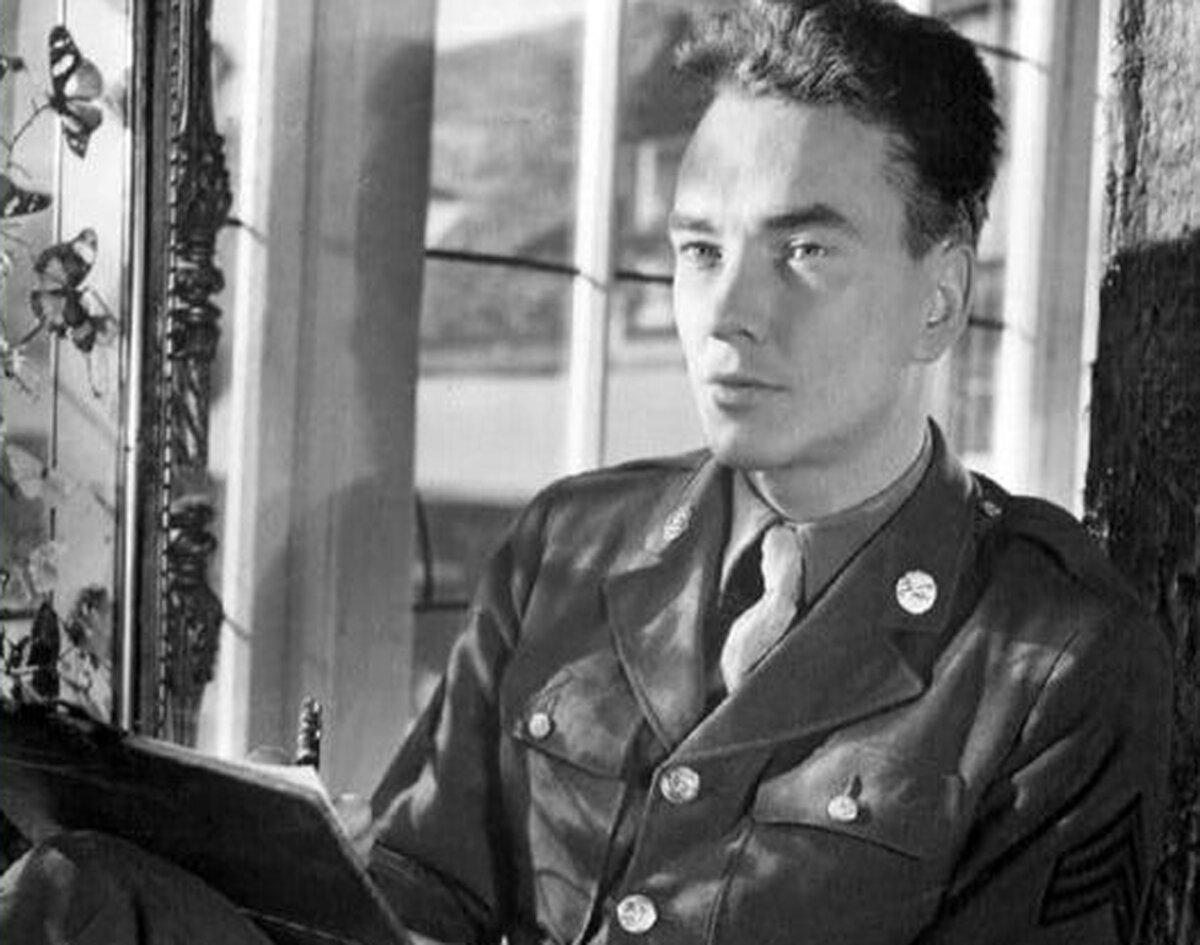
By 1944, when “A Canterbury Tale” was released, more than a million American troops were stationed across Britain as the country served as the staging ground for D-Day. Small English villages suddenly found themselves hosting GIs with unfamiliar slang, habits, and mannerisms.
Three Strangers and the Glue Man
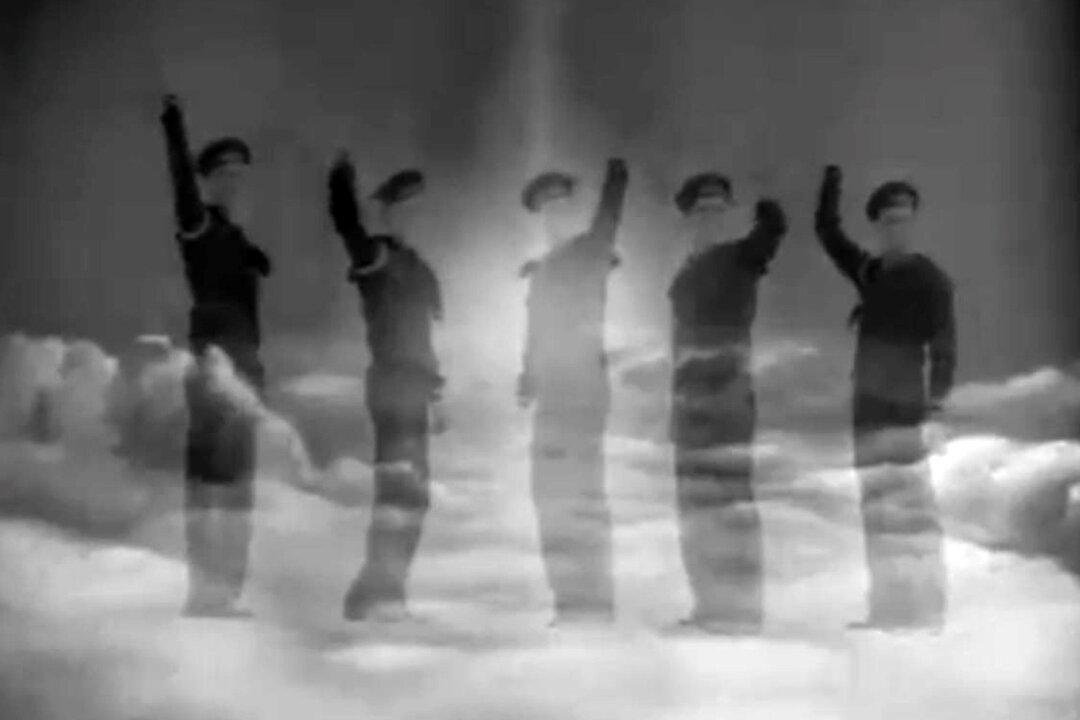
The film starts by jumping 600 years in a single cut. A medieval falcon soaring through the air turns into a World War II British Spitfire fighter plane, before dropping viewers right in the middle of wartime Kent.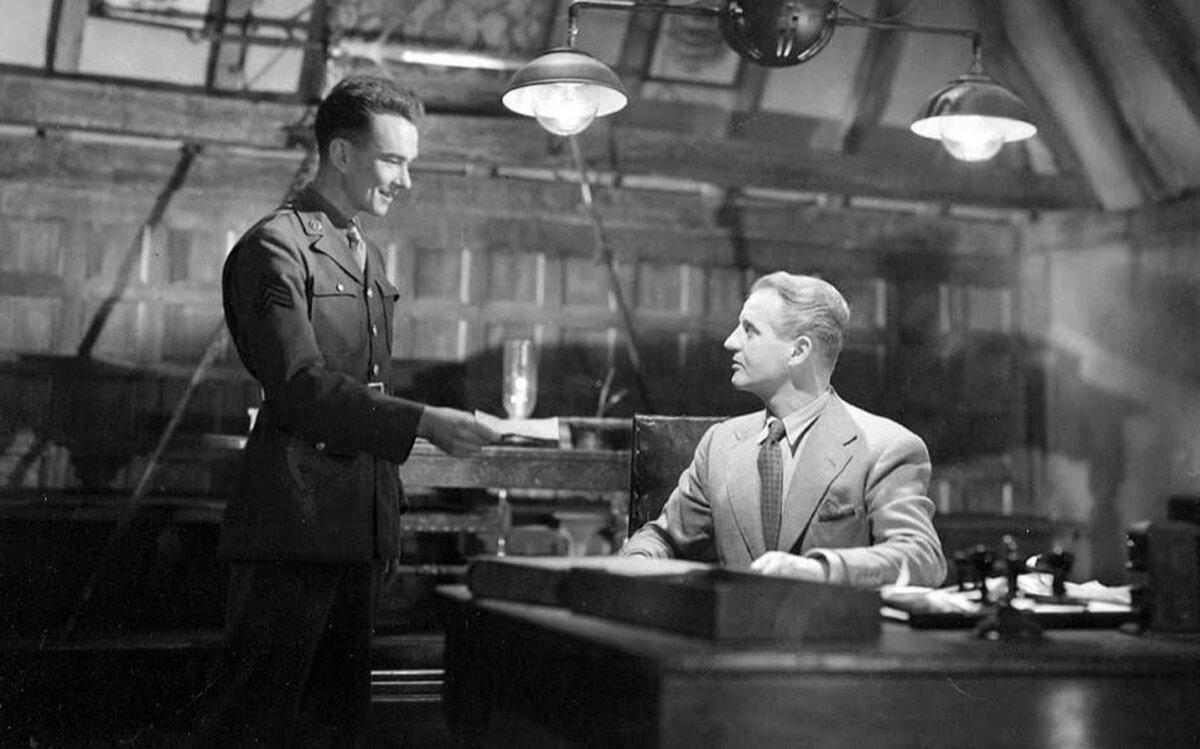
Under blackout conditions, three strangers meet by accident in the dark. Sgt. Bob Johnson (Sweet), an American GI heading for Canterbury Cathedral, steps off his train at the wrong stop. There, he encounters Alison Smith (Sheila Sim), a London shopgirl turned “Land Girl” (a member of the Women’s Land Army), and Peter Gibbs (Dennis Price), a British sergeant who’s been posted nearby.
Within minutes of this meeting, Alison is attacked by a mysterious figure who dumps glue into her hair and disappears toward the town hall.
The trio’s chase leads them straight to Thomas Colpeper (Eric Portman), a magistrate and gentleman farmer whose calm manner only deepens their suspicions. Alison soon learns that she’s one of many victims, and Bob delays his journey and decides to help in the investigation, with Peter drawn into the effort, as well.
The trail keeps circling back to Colpeper. His fervent lectures about the Pilgrims’ Way and Kent’s past fill the hall at a time when the Glue Man’s attacks have pushed much of the village social life indoors.
A Slow Walk Through Wartime
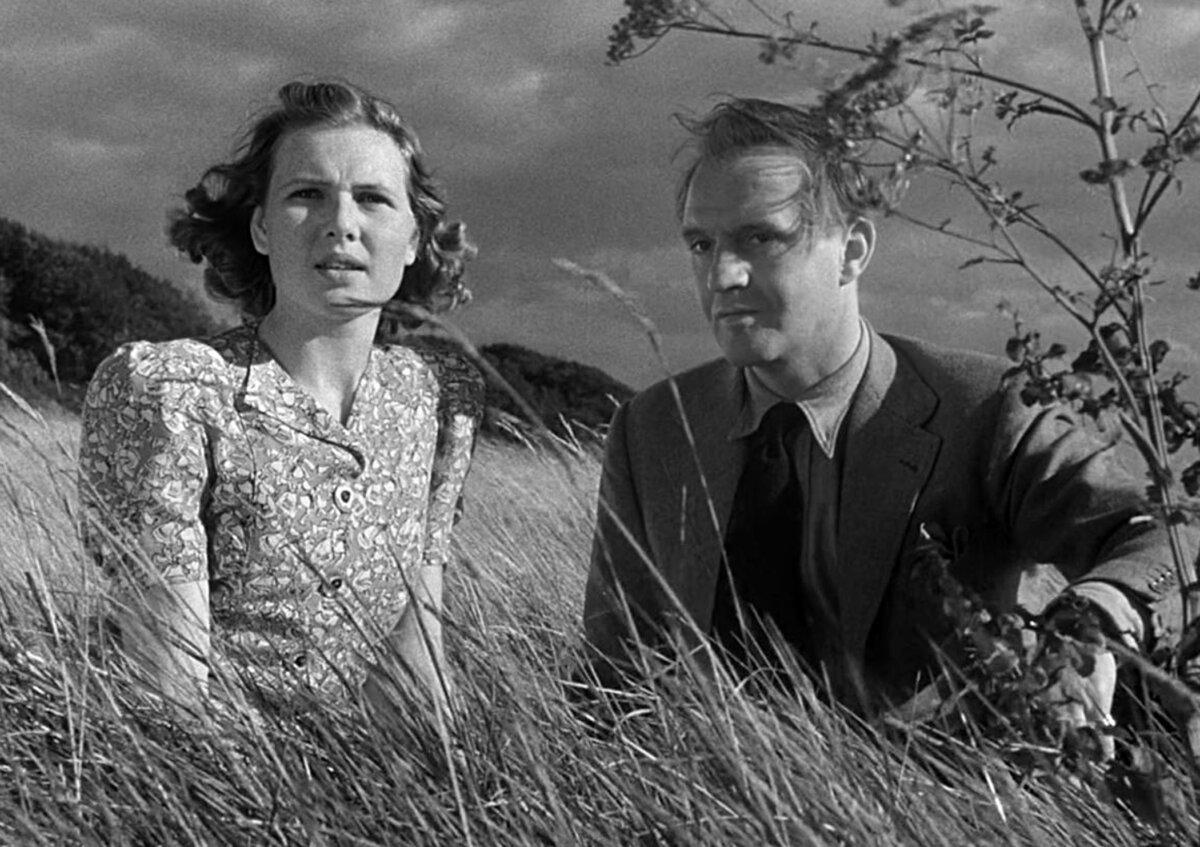
The movie builds its atmosphere around daring choices of lighting and perspective. The story opens with a long scene that’s shot almost entirely in a blackout, forcing viewers to meet the main cast while barely being able to see them. Quick flashes of their faces when a flashlight swings around perfectly capture both the literal and cultural darkness everyone was operating in during those years.
Later, Colpeper gives one of his history lectures in a darkened hall, as the slide projector throws a hard white circle onto the screen behind him. He steps into the beam and lets it frame him, speaking about pilgrims and traditions while his face stays in shadow. The effect turns him into a kind of self-appointed guardian of the past, holding the room with nothing but his voice and that pool of light.
The underlying premise of locals and foreigners grinding up against each other was very real in 1944, since so many foreign troops were stationed near sleepy English villages. While the local men were off fighting, these new arrivals were throwing around lots of money and charm.
The glaring cultural friction sometimes turned ugly. Powell and Pressburger used this local chafing as a cover to talk about the anxiety of a country feeling invaded by its own allies. The extreme reactions of the older villagers represent the resentment many Britons felt toward the rapid changes happening in their very own backyards.
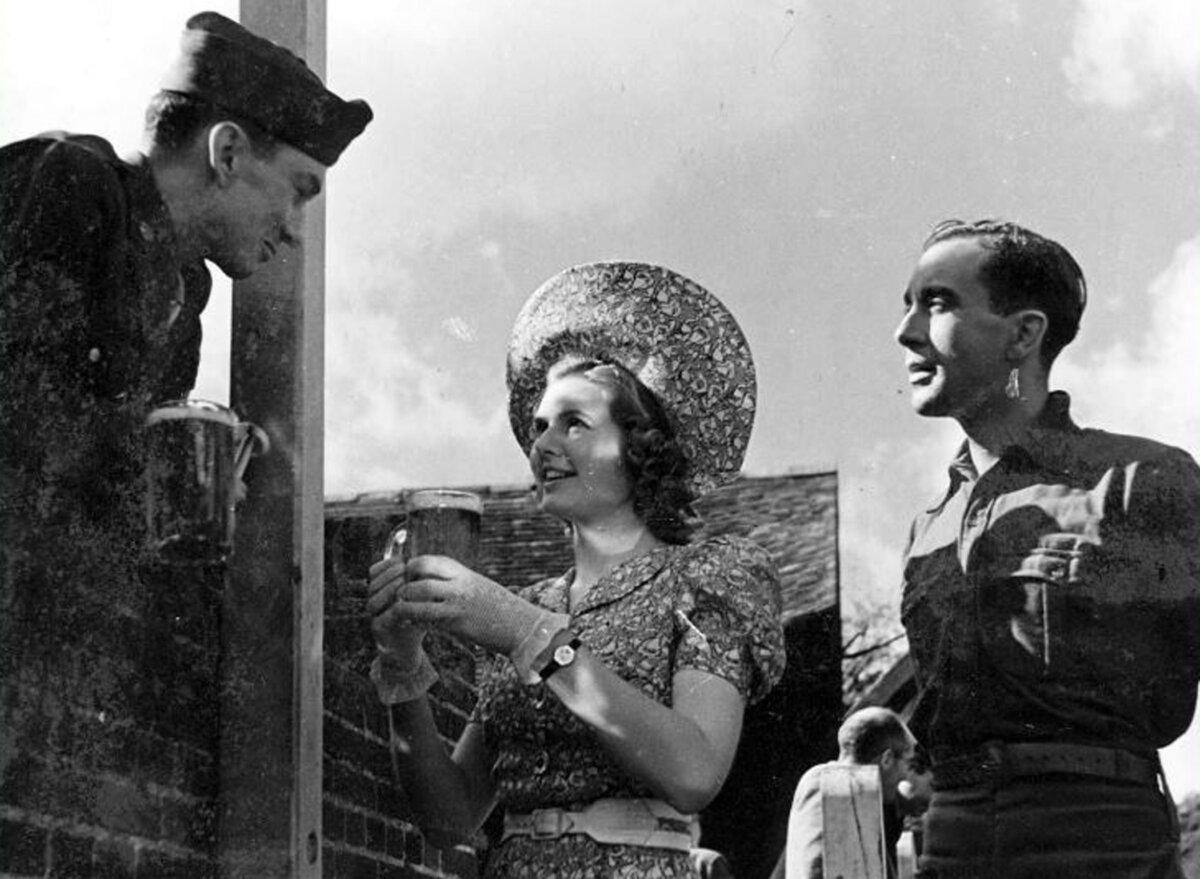
The film met a muted response upon release. By late summer of 1944, the Allied advance across France was underway, and public attention leaned toward immediate events. The movie’s measured pacing and refusal to build toward a conventional dramatic payoff left some audiences uncertain what they were meant to take from it.
Viewed now, that same restraint gives the film its personality. “A Canterbury Tale” resists urgency. Instead, it lingers on towns, fields, and conversations that would’ve seemed ordinary at the time.
The film is uneven in places and occasionally indulgent, though never without purpose. “A Canterbury Tale” uses the backdrop of a global conflict to tell a story about old roads and the things that remained standing long after the bombs stopped falling.