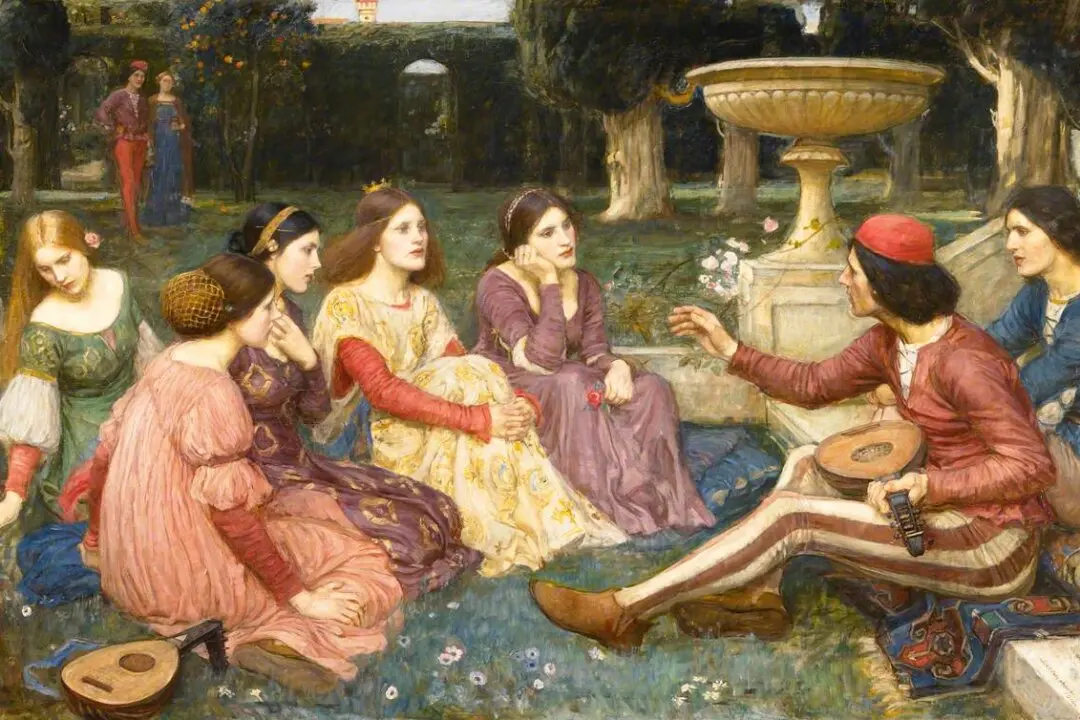
My parents did an excellent job introducing my siblings and me to the riches of Western culture. in child-friendly ways. Some of my favorite memories involve attending Shakespeare plays and classical music concerts. Each summer, our town hosted both a Shakespeare festival and a classical music festival. Although understanding Shakespeare wasn’t easy for me at the time, I gradually developed an ear for the language, and I read simpler retellings of the stories ahead of time so that I could more easily track the plot in the theater. Superb actors communicated so much of the meaning through their delivery that I understood much more than I would have by just reading the play.
Each year during the music festival, one concert was held outdoors in a park, and it featured more popular classical pieces like the “1812 Overture.” The park environment suited families well, and people from across town brought picnics and let their kids dance or run while the orchestra performed in the band shell.
I suspect that my decision to pursue a life of letters had something to do with my early exposure to the words of Shakespeare and the strains of classical music. Though I only dimly perceived their full bounty and beauty at the time, I know that a certain door opened in my mind. It let in light; and, later, I would pass through that door into a life of literary and cultural pursuits.
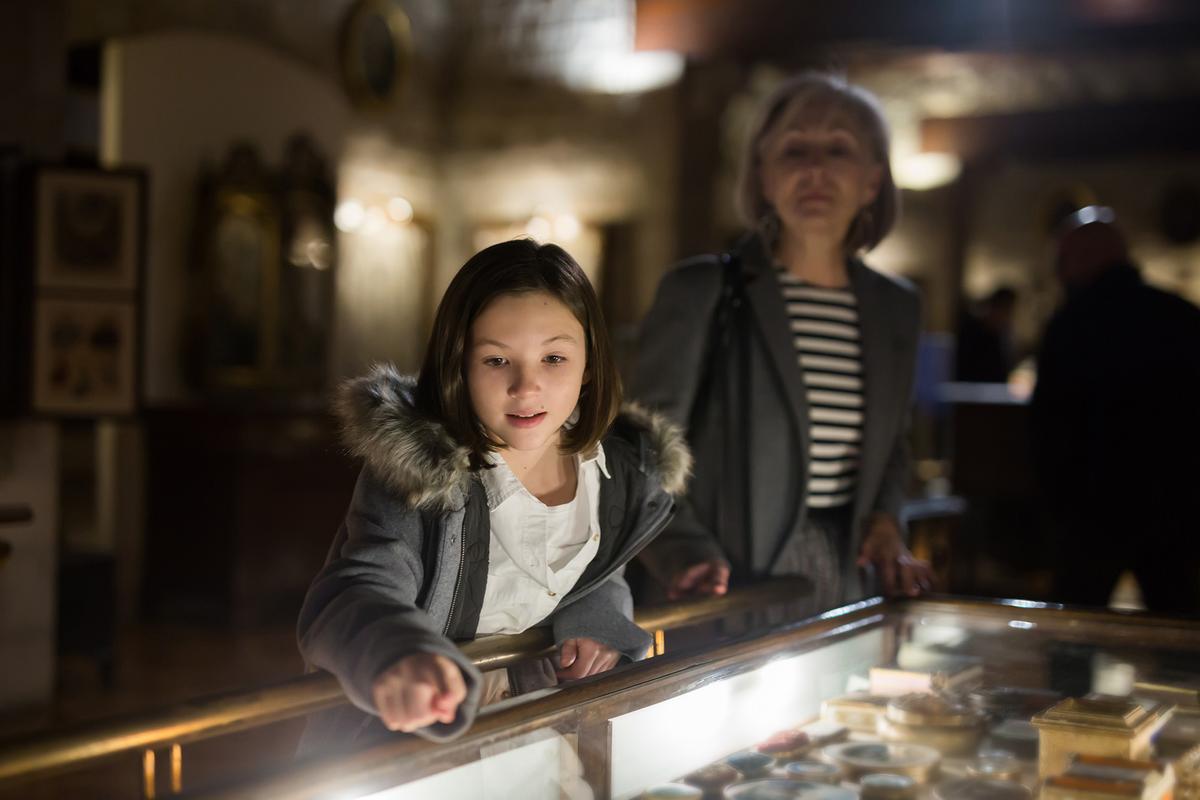
Explore a Local History Museum
Children can better understand their own place in the world by learning local history. All of us are defined partly by the narrative of our life: who we are, where we came from, and where we’re going. Similarly, communities are defined by their experiencesBy tapping into communal stories, residents can understand the local area’s past, present, and future. One great way to introduce children to important local stories is through a local history museum or historical society. These organizations typically have loads of interesting photographs, news articles, artifacts, and exhibits that enrich children’s (and adults’) understanding of the past.
Check Out an Art Gallery
Art galleries aren’t hard to find, and they are often inexpensive or free to visit. While the gallery’s quality can vary greatly, a little searching unearths many galleries that feature classical pieces of art that can help children develop a taste for beauty and history. As parents lead their children past each frame, they can ask them questions about the art to help them reflect and notice detail.
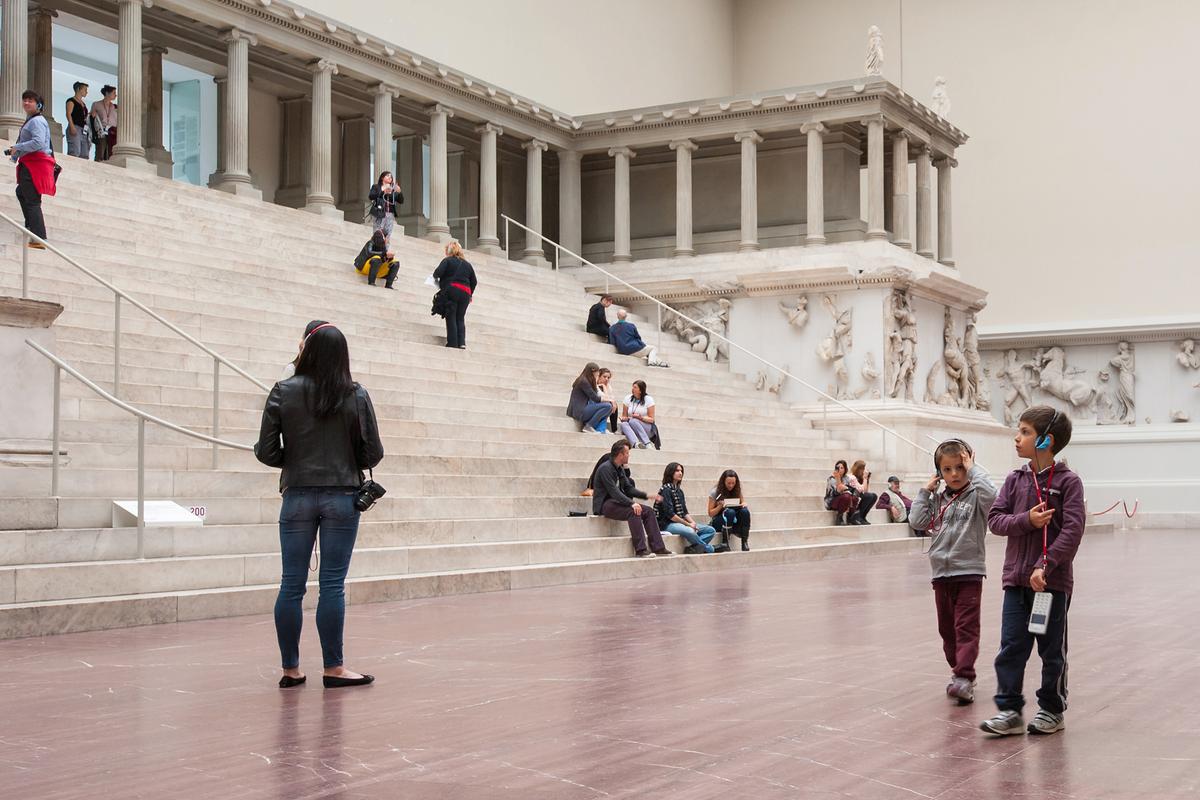
Attend a Concert
While classical music festivals aren’t common, individual classical or folk music concerts take place regularly in most places. Experiencing a live music performance makes a deeper impression on a child’s memory and imagination than just listening to a recording at home: The lights, applause, and, of course, the visuals, turn the musical experience into multi-sensory delight.Sign Up for Music Lessons
Learning to play a musical instrument moves children from spectators to performers, placing them in even closer contact with the musical arts and revealing the intricacy of the works of great composers. Children learn how difficult it is to play an instrument and that seemingly effortless songs actually take a lot of hard, grueling work to master. Learning to play an instrument shows children that beauty isn’t easy to achieve and worthwhile things requires effort, practice, and discipline. If the child learns to play as part of a musical ensemble, he or she also learns about the communal aspect of culture.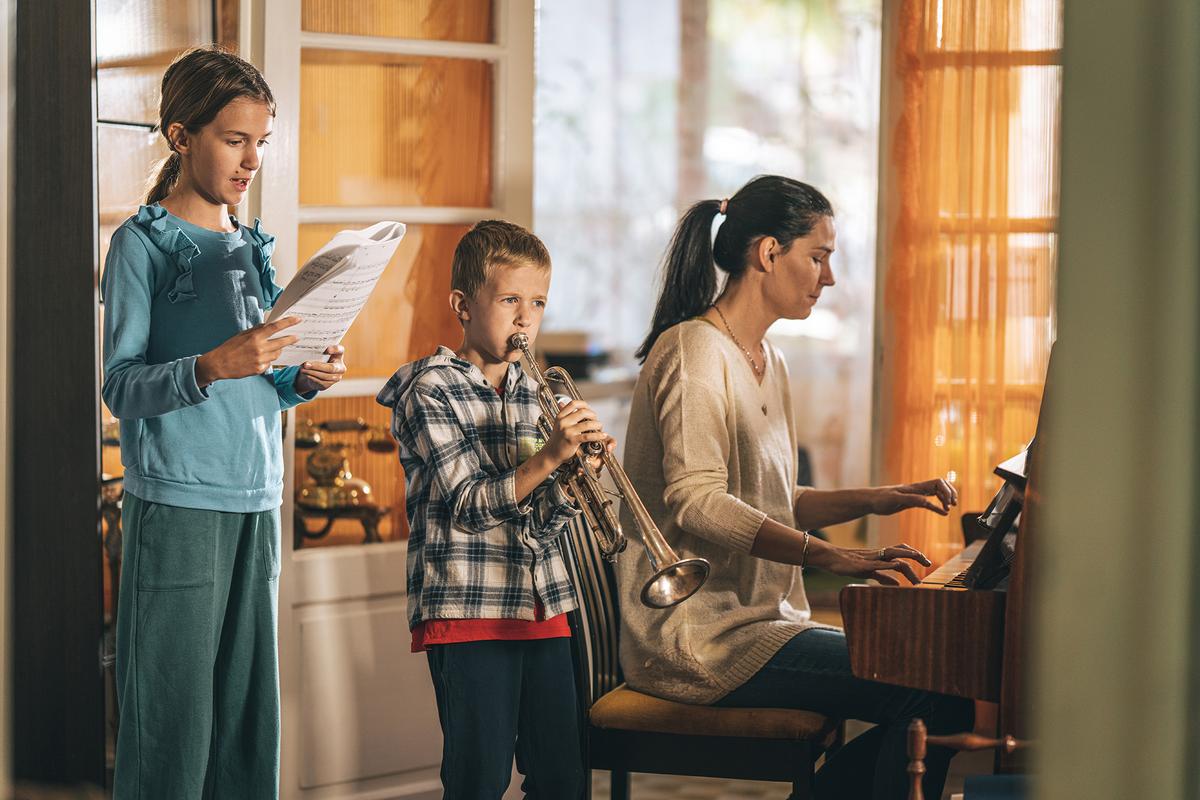
Take an Architectural Walk
Taking children on a walk through their town with an architectural style guide in hand (such as this one) is an excellent opportunity for them to learn about architecture and local history. It teaches them to look more carefully at familiar places, pay attention to detail, and see their home with new eyes. Plus, searching for different architecture styles can be presented as a kind of scavenger hunt; it could even be arranged competitively for kids who need a little extra motivation to get involved.Make a Fancy Meal
One pillar of culture is the culinary arts. Parents can introduce children to it by planning a night for a special, multi-course meal and involving them in cooking and other preparations. Add to the fun by encouraging everyone to dress up, as though at the fanciest of restaurants. Consider adding other layers of cultural and historical connection by cooking a particular world cuisine and explaining the food’s geographical and cultural origin.
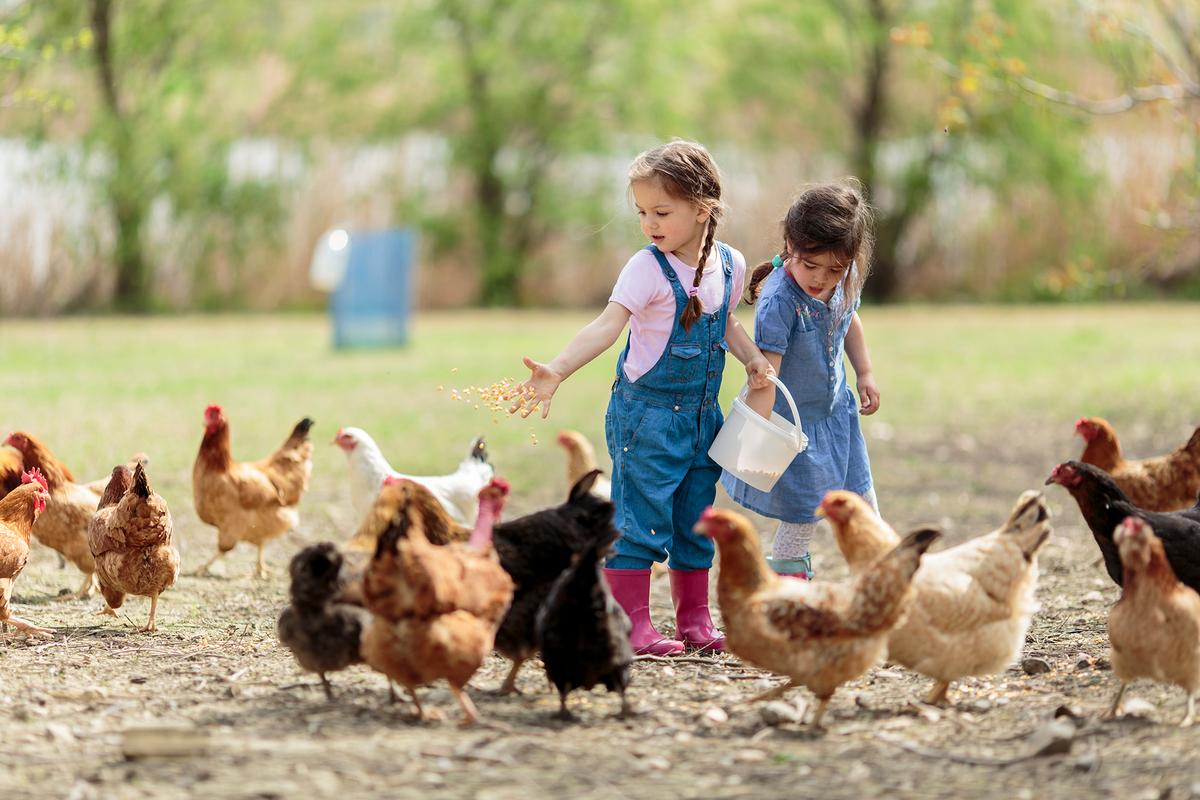
Visit a Farm
If food is a pillar of culture, then agriculture is the ground on which that pillar sits. An awareness of where food comes from is an indispensable cultural lesson—for children and adults alike. As Wendell Berry wrote, “When food, in the minds of eaters, is no longer associated with farming and with the land, then the eaters are suffering a kind of cultural amnesia that is misleading and dangerous.”Besides, I know very few children who aren’t delighted with animals and wouldn’t find the trip exciting on those grounds alone.