The great civilizations of Greece, Rome, and Egypt dominate the collective imagination, and the interested scholar can find shelf after shelf of books dedicated to these prominent and influential ancient empires. Yet countless other kingdoms and empires—rarely mentioned in the history books—rose, struggled, triumphed, and fell through the long march of the ages.
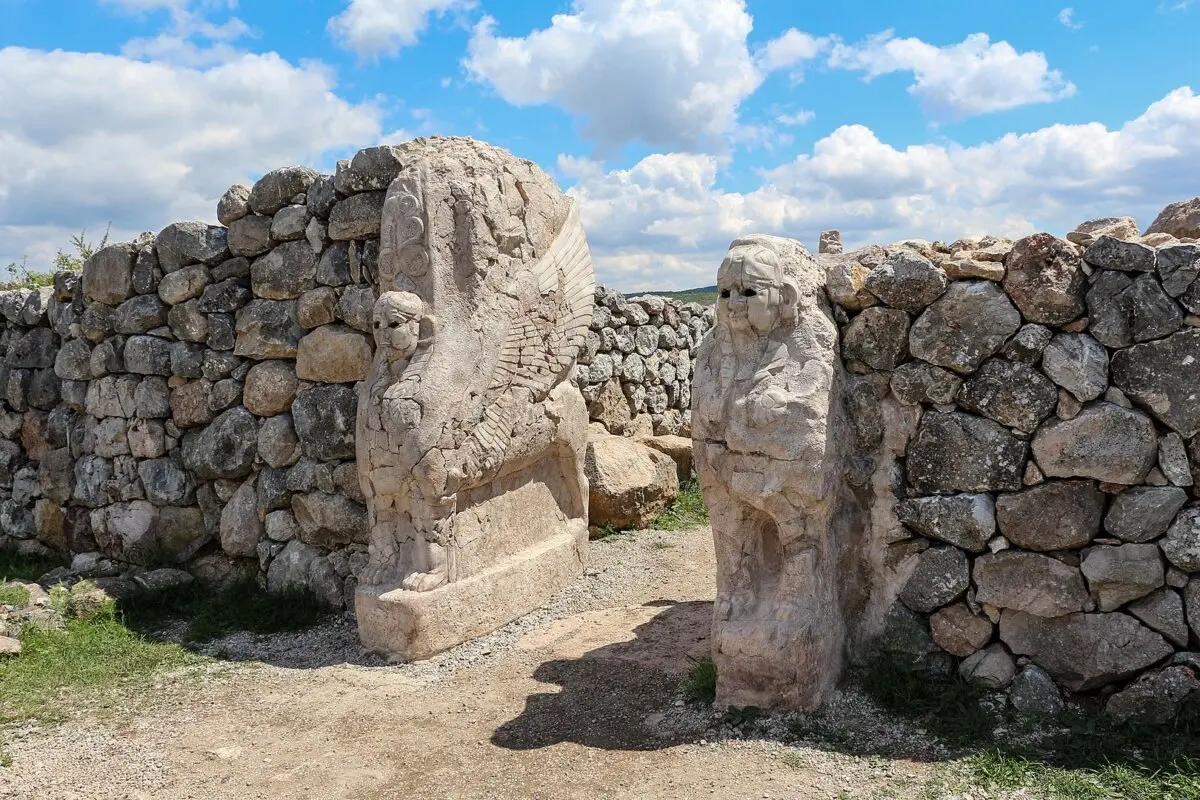
Hittite Empire
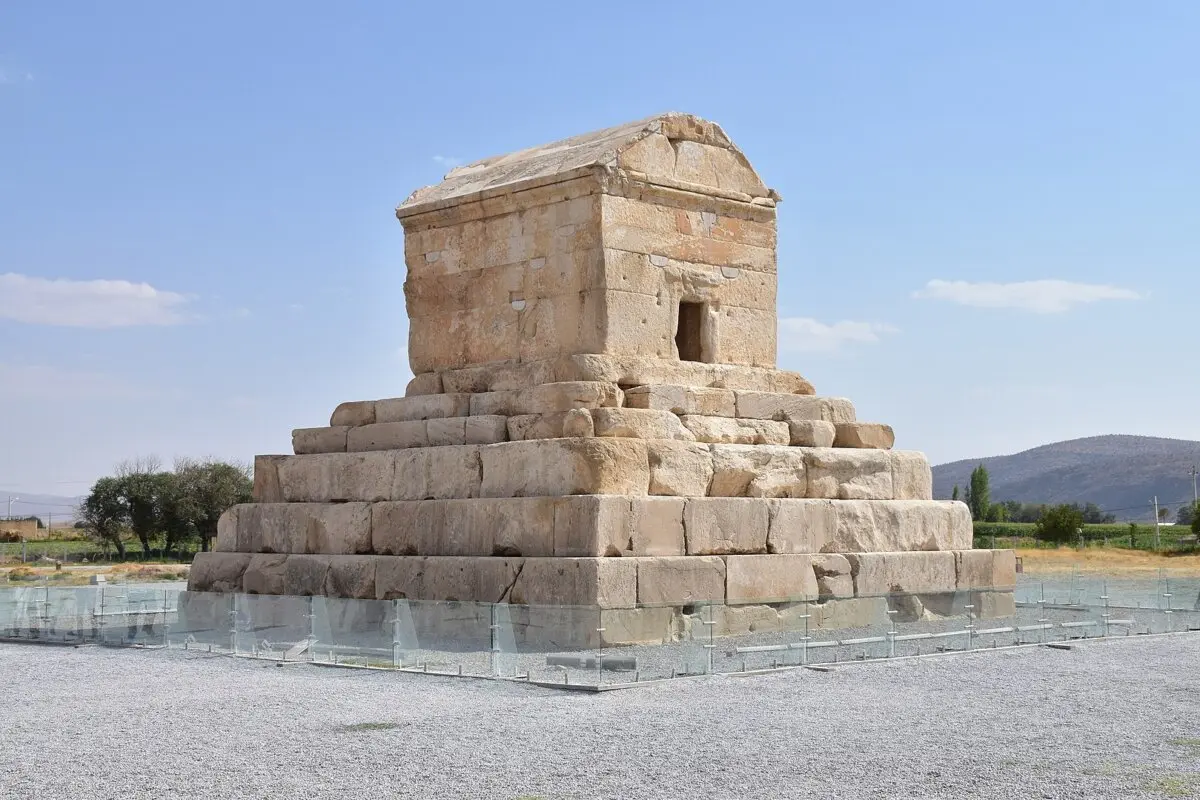
Persian Empire
The Persians were the antagonists in ancient Greek historian Herodotus’s telling of the titanic clash between the ancient people of modern Iran and the Greek city states. By the time of the Greco-Persian Wars (roughly 500 B.C.–449 B.C.), Persia was already a vast, opulent empire, while Greece was still little more than a loose confederation of warring tribes, struggling to emerge as a major force in the Mediterranean world.The conflict between these powers played a central role in the shaping of the ancient world, with the Greeks’ unlikely victory curtailing Persian power and establishing Greece as the region’s dominant collection of peoples.

The Kingdom of Aksum
The Kingdom of Aksum emerged as a powerful African civilization in late antiquity and endured until the Middle Ages. At its height, it controlled Eritrea, modern-day Ethiopia, and parts of Yemen, Sudan, Somalia, and Saudi Arabia. Its location served it well during the glory days of the Roman Empire since it occupied a crossroads between Arabia, Africa, and Greco-Roman regions, giving it access to wealthy trade routes.Aksum’s location and climate also provided its people with fertile soil useful for agriculture. The Kingdom of Aksum took full advantage of its profitable position and exported gold, ivory, tortoise shells, rhinoceros horns, frankincense, myrrh, emeralds, salt, animals, and slaves. The goods trickled out of Aksum along the web of trade routes, ending up in many distant lands, including India and China.

Khmer Empire
Among the more recent empires of the East, the Khmer civilization stands out as an influential entity in the political and artistic history of mainland Southeast Asia. At its peak of glory, the Indian-influenced empire stretched across parts of Cambodia, Laos, Vietnam, and Thailand, with many splendid cities featuring advanced hydraulic engineering.In A.D. 802, Cambodian prince Jayavarman II declared Khmer’s independence from the Indianized state called Java, located in modern Indonesia, and gave himself the humble titles of “God-King” and “World-Ruler.” The kingdom that Jayavarman established proceeded to control a group of smaller states and was on its way to becoming an empire. One of Jayavarman’s successors, Yasovarman I, who reigned from the late ninth to early 10th centuries, set up the capital that would become Angkor, one of the world’s greatest archeological sites.
Other notable Khmer rulers included Rajendravarman II, who ruled during the mid-10th century and inaugurated a prosperous period that lasted almost 100 years. Suryavarman I, who ruled from the beginning to the middle of the 11th century, expanded the empire into modern-day Thailand and added about 30 cities to the Khmer crown.
Suryavarman II extended Khmer control even further, enacted religious reform, and erected the Temple of Angkor Wat. Originally built in 1150 for the god Vishnu and likely as an observatory, the Temple of Angkor Wat evolved into a Buddhist structure by the end of the 1100s. It remains the largest religious monument in the world.

The Khmer Empire reached its peak under Jayavarman VII, during the late 12th and early 13th centuries. Jayavarman ruled for 30 years and was noted for his royal architectural and cultural projects. The Khmer Empire’s adoption of Buddhism led to cultural exchanges with Sri Lanka, India, and China, as well as the spread of Buddhist ideas and art throughout Southeast Asia.
Despite its vigor, the Khmer Empire eventually fell to invaders in 1431, following the path that all empires eventually must embrace. Its civilization vanished, and their monuments have mostly been absorbed into the dust and sands of the earth. Yet our world looks the way it does in part because of the unseen influence of forgotten empires—like the people of Hattusa, Persia, Aksum, and Khmer.