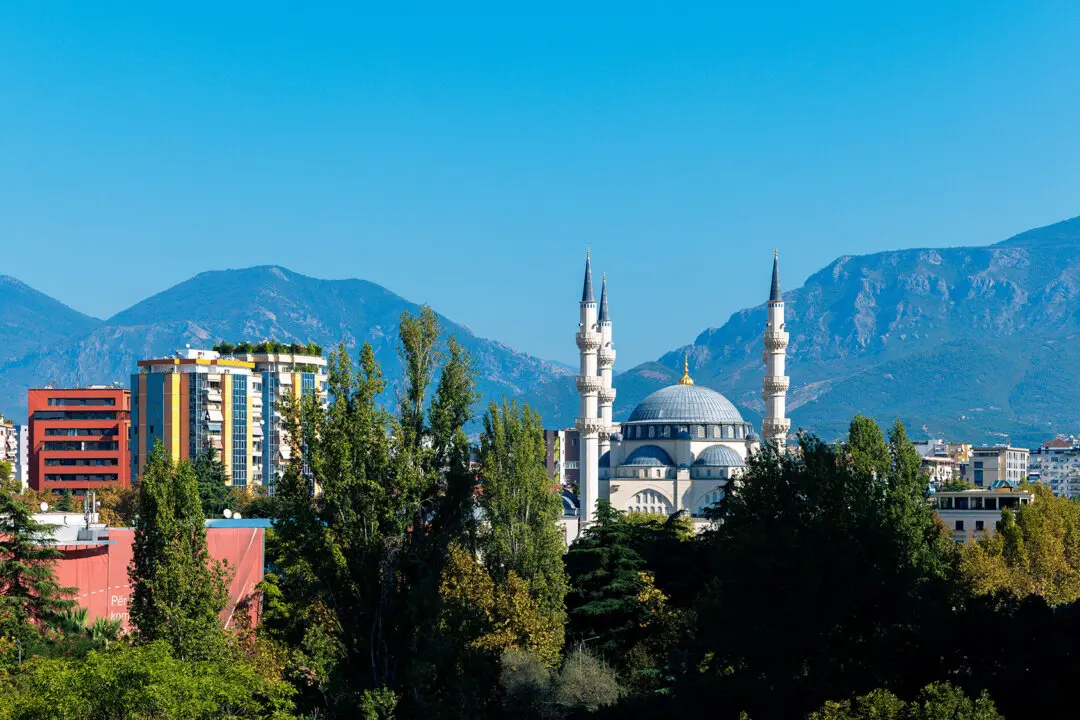
Culture is a powerful and fascinating thing. But really, truly experiencing it as a visitor in a foreign land can be elusive. As a tourist, you’re often offered some reasonable, entertaining imitation of what you imagine a place to be. For example, lumberjack shows for cruise ship guests in Alaska or song-and-dance stage performances at Caribbean all-inclusive resorts. That kind of thing.
In my travels to well over 100 countries, I’ve learned that key access points to a country’s folkways and mores, like language, can be very tough for a temporary traveler. So I make a priority of simply spending time in the places where I can mix with regular, everyday people—especially ones where I’ll find those folks at their most passionate.
That’s why sports are so key. Even if you don’t know the teams, the players, or the rules, you’re surrounded by locals who are cheering for something they truly care about. It’s an educational experience and lots of fun, too.
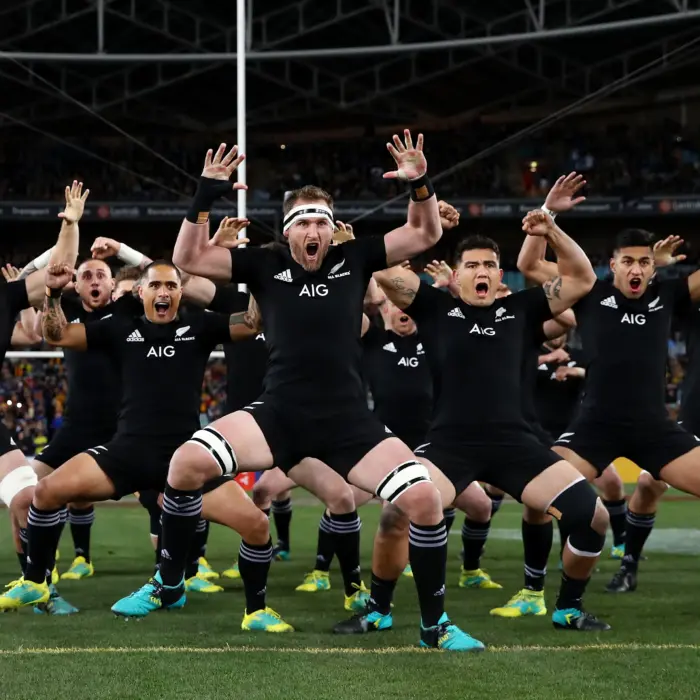
Here’s what I’ve learned from attending everything from rugby matches in New Zealand and Fiji to soccer games from Spain to Brazil and baseball in Japan and Korea.
Experience the Enthusiasm
I’ll never forget the time, just a couple years ago, that I watched Georgia return back to home turf in Tbilisi. The national team for the small transcontinental country had just played in their very first UEFA European Championship—a very big deal. Even more exciting was the fact that they did so well, beating perennial powerhouse Portugal before exiting in the Round of 16, vanquished by the eventual champions, Spain.

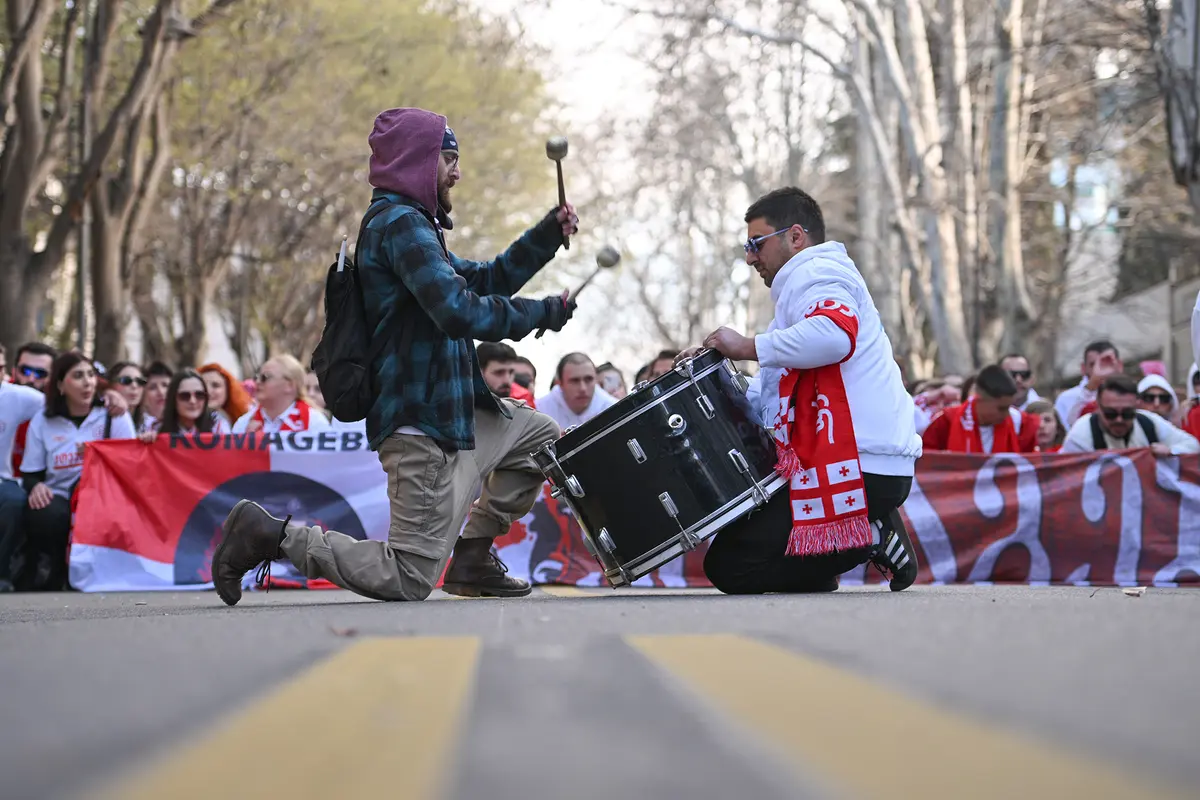
When the players took the field, they were treated as nothing short of conquering heroes. Filled to the brim with more than 20,000 fans, the stands at Mikheil Meskhi Stadium absolutely shook. The roar, wave upon wave of sonic fervor, was both unbelievable and unforgettable.
Even better, they won—triumphing over the Czech Republic in a Nations League contest. Each goal was met with ever-escalating ovations. After the final minute expired, nobody was in a rush to leave the grounds. The team made a very slow lap around the pitch, saluting every corner of the stadium.
As I emerged onto the broad boulevard outside, the celebration continued. Horns were honking. Extremely happy and proud people popped out of their sunroofs, draped in their flag emblazoned with St. George’s cross.
In a country where political and diplomatic pressure had become the norm, this was an absolute outlet. It was a way to escape the stress and just celebrate. And for me, it was a true wonder to witness.
Seeing Cultural Elements in Action
Inevitably, components of the unwritten rules of a society often reveal themselves in sports. I can think of no better example of this than in Japanese baseball. Now, I’m a baseball fan in general. I’ve visited about half of the ballparks in the Major Leagues and have attended a number of games in the minors as well. The minutiae of the rules fascinate me: the game within the game that you can only fully appreciate when you’re there, live, under the lights.
Nine innings of North American ball tends to be a fairly sedate affair—long stretches of strategy interrupted by moments of brilliance. Fans in the stands have casual conversations during those routine three-up, three-down sides. But in Japan? They take things to the next level.
I’ve attended Nippon Professional Baseball (NPB) games in Tokyo, Yokohama, and Hiroshima, and inevitably, my eyes and ears are drawn to the oendan. These official cheering sections provide uniform and relentless zeal for their team. They bang taiko drums that date back to ancient times and were first used to frighten enemies in battle and for sacred ceremonies at shrines. They wave flags in unison and stand while their team is at bat. Each batter is regaled with an individual chant, incanted by all.
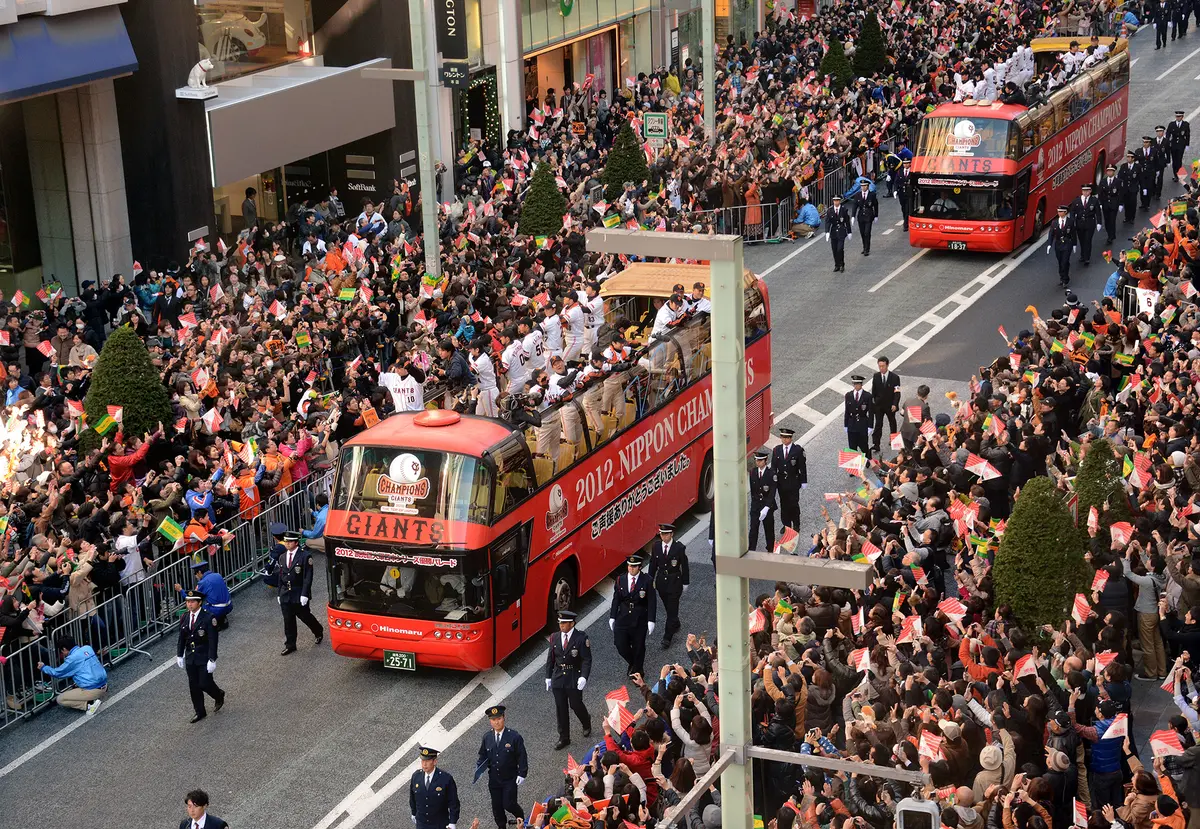
This kind of fidelity and support for their teams showed me, clearly, two things about Japanese culture. For starters, their prioritization of communitarian and collectivist norms over individual goals. Everyone was cheering—the same thing—together, for the good of the team.
And second: the national work ethic, doing your absolute best, no matter how small or insignificant (or big and important) the task. The oendan were there to cheer, and they were determined to be the finest at it at every game I attended, even when their team was losing badly. Yes, baseball is just a game—but seeing it live demonstrated so much more about the society at large.
Common Ground and Bridging the Gap
When language barriers permit, I love to strike up conversations with locals—waiters, bellmen, barbers, even just the guy next to you in the park (or at the baseball game). But casual chats with locals in far-away places can be a bit awkward. When there’s not a lot of common ground, discussing the weather gets old, fast.
Nothing opens the floodgates of interaction like knowing something about local sports. For example, consider Australia. There’s perhaps no more athletic country on earth.
The problem for me is that they usually don’t know anything about the MLB, the NFL, or the NHL, the three (North American) leagues I follow. So, I’ve learned a few things about their sports (except cricket—even as a baseball fan, that game is just too slow for me).
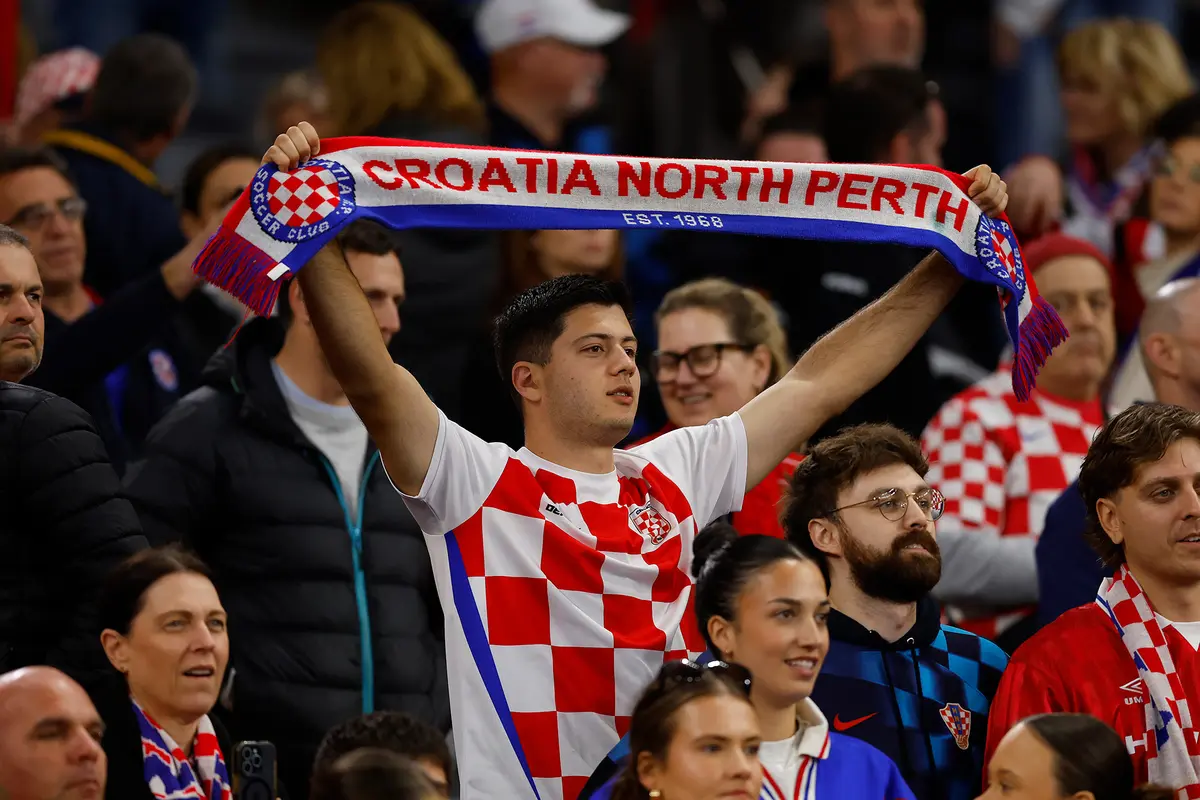
I’ve attended a number of matches, from rugby league games to Aussie rules football. There’s really nothing like seeing the face of a Melburnian light up when you talk about the time you saw the Dees play, live, at their Melbourne home stadium.
The ice is cracked, the bridge gapped—pick your metaphor. From there, the conversation usually gets much deeper and more meaningful, like how their grandfather’s favorite activity was attending a game or how they’ve passed on the tradition to their own kids.
Again, it’s a wonderful and fun way to dig into a culture on a very human level.
____________